Last updated November 18, 2026







Free written scope consultation - allowances, timeline, and change-order rules on paper before a single trade is scheduled
General Contractor Warning Signs Every Homeowner Should Know
Nevada ranks in the top ten states nationally for contractor fraud complaints, and the most common victim isn’t someone who ignored the red flags. It’s a homeowner who skipped the license lookup because the contractor seemed legitimate. Friendly handshake, clean truck, three references that never pick up the phone. That’s how it usually starts. This guide walks through the specific fraud patterns the Nevada State Contractors Board sees most often, gives you a pre-hire checklist you can run from your phone in about twenty minutes, and maps out the mid-project alarms that mean trouble. We’re writing this from Enterprise, where the remodeling market has its own rhythms and its own risks, and we’ve watched too many homeowners learn these lessons the expensive way.
Quick Answer
The biggest contractor warning signs are: no active Nevada State Contractors Board license you can verify yourself, a bid noticeably lower than every other quote, a contract missing a scope of work or payment schedule, and any request for a large cash deposit up front. A legitimate contractor will hand you a license number, a written contract, and proof of insurance before you sign anything – and won’t flinch when you check all three.
Styles & brands we work with
- Kitchen remodeling
- Bathroom remodeling
- Home additions & ADU
- Roofing
- Windows & doors
- Driveway & pavers
- Fence
Table of Contents
- How Do You Check a Contractor’s License in Nevada?
- What Do the Five Most Common Bid Manipulation Tactics Look Like?
- What Must a Legitimate Nevada Contract Include?
- How Do You Verify Insurance in Real Time?
- What Mid-Project Signs Mean the Contractor Is in Trouble?
- How Much Deposit Is Normal, and When Is It a Red Flag?
- Why References Alone Don’t Prove Much
How Do You Check a Contractor’s License in Nevada?
You check it in about three minutes on the Nevada State Contractors Board website, and it’s the single most reliable fraud filter available. The Board maintains a public license search where you type in a license number or business name. What comes back tells you everything. An active license shows the classification (residential, commercial, or both), the license status as current, and the business name matching the one on your bid.
Here’s what to watch for in that lookup:
- Status showing “lapsed” or “suspended.” A lapsed license means they didn’t renew. A suspended one means the Board took action. Either way, walk.
- Disciplinary actions listed in the record. The Board publishes complaints and disciplinary history. One resolved complaint from years ago might be nothing. A pattern of them is a pattern.
- Classification mismatch. A contractor licensed only for commercial work quoting your residential kitchen remodel is out of bounds. Same goes for a handyman-class license on a project that requires a general contractor.
- Name mismatch. If the license reads “Smith Construction LLC” but the bid and contract say “Smith Home Improvements,” ask why. Sometimes it’s a DBA. Sometimes it’s a shell.
The active license test
An active license has three components: a current status, the correct classification for your project type, and a qualifying party (the person who passed the exam and holds the license). If the qualifying party isn’t associated with the business you’re hiring, that’s a question worth asking before you sign. In our experience in Enterprise, most homeowners who get burned never ran this lookup at all. The ones who did almost always caught the problem before money changed hands.
Our own work runs through licensed professionals, and we expect every homeowner to check. That’s how it should work. Get a free estimate from us and you’ll get the license information up front, along with a written price before any work starts.
What Do the Five Most Common Bid Manipulation Tactics Look Like?
A bid that’s manipulated isn’t always a fake bid. Often it’s a real bid with some crucial thing left out, so the number looks lower than the rest and the surprise lands later. These are the five patterns we see most often, and they’re specific enough that you can spot them on paper.
- Scope omissions. The bid covers demolition, tile, and plumbing, but says nothing about drywall repair, waterproofing membrane, or disposal. Each omission is a future change order with a markup on top. Ask for a line-item scope that names every phase of the work, demo through final walkthrough.
- Allowance padding. An “allowance” is a placeholder dollar amount for materials you haven’t picked yet. A $500 allowance for a vanity when the market runs $1,200 means the bid is effectively $700 light. Ask what happens if you go over the allowance, and ask what the allowance actually buys at today’s prices.
- Vague line items. “Materials and labor – $14,000” tells you nothing. A proper bid breaks out demolition, framing, rough-in, tile, fixtures, trim, and cleanup as separate lines. The more specific the bid, the fewer places a surprise can hide.
- Verbal change order setups. The contractor says “we’ll figure out the extra later” or “just pay me for that when we get there.” Verbal change orders are how a $20,000 project becomes a $27,000 project. Every change should be priced in writing and approved before anyone touches a tool.
- Low-ball material specs. The bid says “tile” without a brand or size. It says “countertop” without naming a material. That’s how you end up with a builder-grade product when you thought you were getting something from a name-brand line. Specify brands – a quartz surface from Cambria, a fixture from Kohler, siding from James Hardie – and require the bid to name them.
How to compare bids apples to apples
Line up three bids and read the scope, not the total. The lowest number on the page is meaningless until you know what it actually covers. If one bid is 30% lower than the other two, the gap is almost always missing scope or padded allowances. In Enterprise, where bathroom and kitchen work is most of the remodeling market, we tell homeowners to compare allowance amounts and specifications side by side before they compare totals.
Our bathroom remodeling in Enterprise estimates come as line-item written prices, so you can compare scope as easily as totals. Call (844) 797-5994 to schedule a free estimate.
What Must a Legitimate Nevada Contract Include?
Nevada requires a written contract for most residential work, and the required elements are there to protect you. A legitimate contract should include a specific, detailed scope of work, the total price broken into line items, a payment schedule tied to milestones rather than “half now, half later,” and the license number of the contractor. It should also include the start date, the projected completion date, and a clause covering change orders in writing.
Watch for what’s missing. The absence of a few clauses tells you exactly how a dispute will go:
- No written change-order process. If changes aren’t in writing, every dispute becomes your word against theirs.
- No schedule. A contract without a start and end date gives the contractor infinite room to drift.
- No warranty language. A legitimate contractor stands behind the work for a defined period. Ours is in writing on every job: the 365-Day Done Right Promise. A full year of accountability after the project closes, not something you have to ask for.
- No dispute resolution clause. How will disagreements be handled? Mediation? Arbitration? Named at all? Silence here is a signal.
- No right-to-cancel language. Nevada law gives homeowners a right to cancel certain contracts within a short window. If that language is missing, the contract wasn’t drafted with your rights in mind.
Read the contract before you sign it. Bring it to someone you trust if anything reads vague. That’s normal. Our contracts come with a written price before a single tool is picked up – the number on the invoice matches the number you approved, or you don’t pay a markup for a surprise we should have caught.
How Do You Verify Insurance in Real Time?
You verify by calling the insurance carrier, not by trusting the certificate. A certificate of insurance is a one-page snapshot. It says the contractor had general liability coverage on the date it was printed, and it says nothing about whether that policy is still active. A certificate dated four months before your project start doesn’t protect you at all if the policy lapsed in the meantime. It’s the most common false sense of security in the industry.
Here’s the process:
- Ask for the certificate of insurance with the carrier name and policy numbers listed.
- Call the carrier’s agent line (or email the agency listed on the certificate) and ask whether the policy is active today.
- Ask if the contractor carries both general liability and workers’ compensation. If workers’ compensation is missing, and someone gets hurt on your project, you can end up in the middle of the claim.
- Request that your address be added to the certificate or that the carrier send you confirmation directly, especially on larger projects.
- Re-verify before the project starts. Policies lapse between the bid and the start date.
If a contractor resists this process or says “the certificate is enough,” that’s a warning sign on its own. A legitimate contractor will hand you the paperwork gladly and point you at the agent’s number. We expect homeowners in Enterprise to ask, and we’re comfortable with the checks. Background-checked, uniformed technicians on every job means you know exactly who is walking into your home before they arrive.
What Mid-Project Signs Mean the Contractor Is in Trouble?
Financial trouble often shows up on the job site before the phone stops ringing. The patterns are predictable, and catching them mid-project can save you from a job that stops for months.
- Subcontractors mentioning unpaid invoices. “The electrician said he hasn’t been paid for the rough-in,” is a five-alarm warning. If subs are unpaid, the contractor is using your money to cover someone else’s job, and the next stop is a lien on your property. This is the most consequential mid-project sign on the list. Ask your subs directly how payment is going at a natural point in the work.
- Materials delivered COD. If the countertop or tile delivery shows up with a cash-on-delivery demand, the contractor has fallen behind on supplier payments. A legitimate operation pays suppliers before delivery, not after.
- Sudden schedule gaps. The crew disappears for a week with no explanation, or shows up on random days. That can mean they’ve pulled your crew onto another job to get cash flowing.
- Change orders becoming routine. A change order every few days, each one higher than the last, is often a contractor trying to keep afloat rather than a project with real changes.
- Communication flipping. Calls stop getting answered, then answers get shorter, then the “my phone’s been having issues” line arrives. The Relay Visibility Guarantee exists because this pattern is so common: a live arrival time, photo updates before and after, and a written price, every job.
If you see two or more of these signs at once, slow down payments and get a status report in writing. Our guide to general contractor services in Enterprise walks through how we stage projects and keep communication visible, and it’s a useful reference for what legitimate project management looks like.
How Much Deposit Is Normal, and When Is It a Red Flag?
A typical deposit on a residential remodel covers a portion of materials and mobilization – not the whole job. If a contractor asks for 50% or more before any work starts, that’s a red flag for fraud. The most common pattern in contractor fraud complaints is a large upfront demand followed by a vanishing act. A reasonable payment schedule is tied to milestones: a deposit, then payments at framing, at rough-in, at drywall, at tile or finish, with a portion held back until final walkthrough and punch list.
Cash demands are another signal. A contractor who says “cash only, no check, no card” is one who doesn’t want a paper trail. We invoice digitally, so you pay from a link, and every payment is documented, including the amount and what it covers. The number on the invoice matches the written price you approved before work began.
Why References Alone Don’t Prove Much
References are easy to fake. A contractor can hand you three names of friends who will say anything you want to hear, or three past clients whose jobs went fine but who haven’t seen the current operation. The reference list isn’t useless. It just isn’t proof on its own, and treating it as the whole check is how homeowners skip the license and insurance checks that would have caught the problem.
Better questions to ask a reference:
- Did the price change after work started? By how much?
- Did the contractor finish on the date they said?
- Was the contract detailed, or vague?
- Did anything go wrong, and how did the contractor handle it?
- Would you hire them again, and why or why not?
The last question is the one that matters most, and it’s the one that’s hardest to fake. Reference calls plus a license lookup plus an insurance check covers most of the fraud risk on a residential project. If you want to start with a free estimate from a contractor whose written guarantee is on the table before the number, call (844) 797-5994. Our team is in Enterprise, and we’re glad to walk you through the checks our own estimates include.
Common Mistakes to Avoid
- Hiring on a handshake and a referral. Neighbors in Enterprise pass along names all the time, and a warm referral is worth having. It isn’t a substitute for the license lookup. Run it anyway.
- Taking the lowest bid. The lowest number is usually missing scope. Compare line items across three bids before you compare totals.
- Paying a large deposit before work starts. More than half upfront, especially in cash, is the most common pattern in fraud complaints.
- Accepting a certificate of insurance as proof of coverage. Call the carrier and verify the policy is active today. A certificate dated before your project start means nothing if the policy lapsed.
- Skipping the contract review. Read the scope, the payment schedule, and the warranty language before you sign. If something is missing, ask for it in writing.
- Approving verbal change orders. Every change should be priced in writing before the work happens. Even small ones. The pattern is what gets you.
- Ignoring unpaid subs. If an electrician or plumber mentions unpaid invoices, stop and get documentation. A lien on your property is the real cost.
See the difference
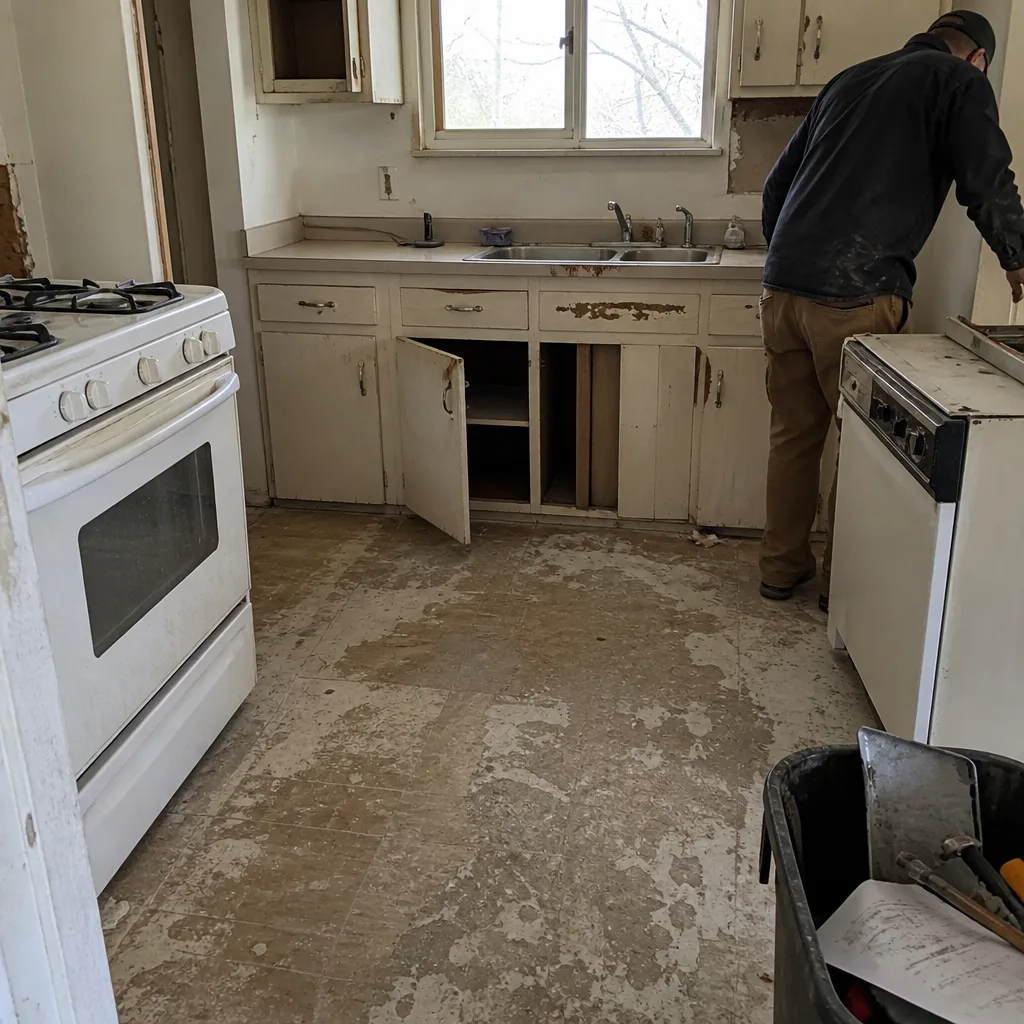 Before
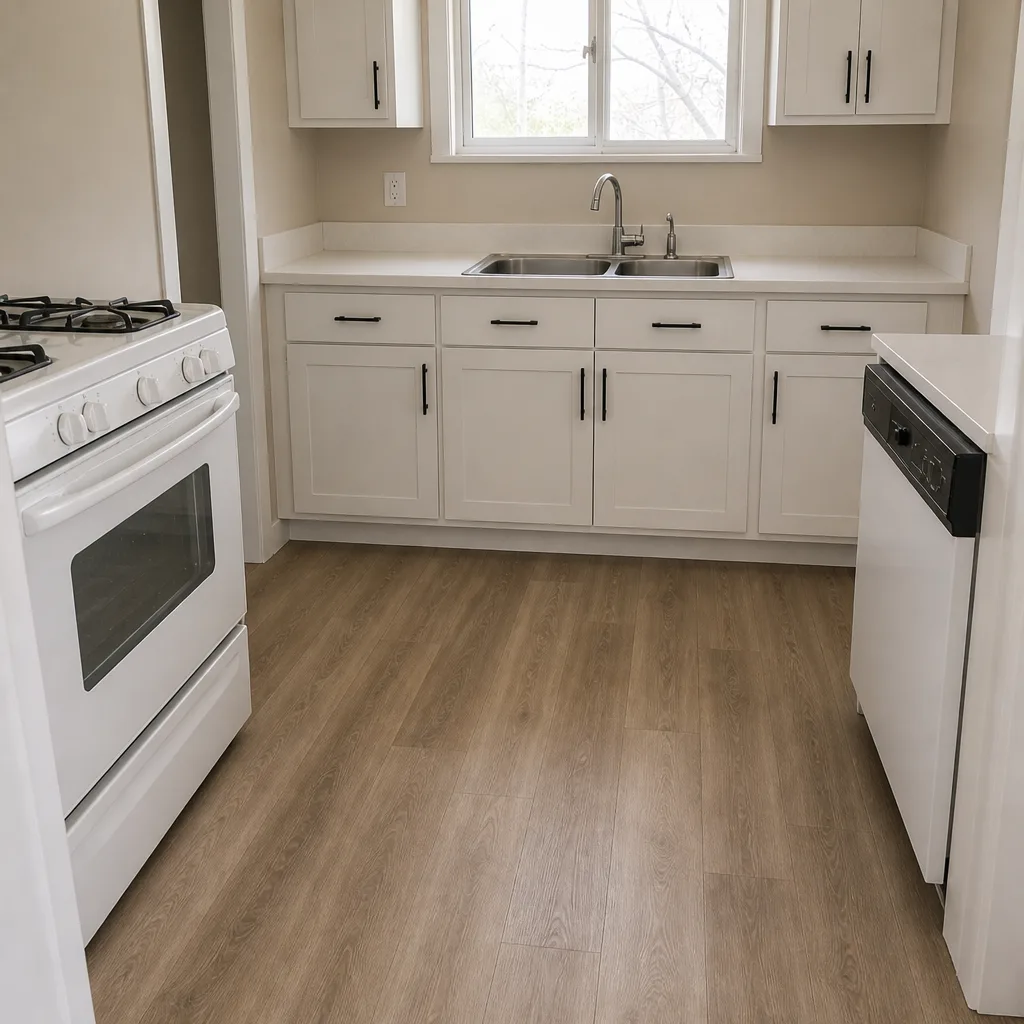 After
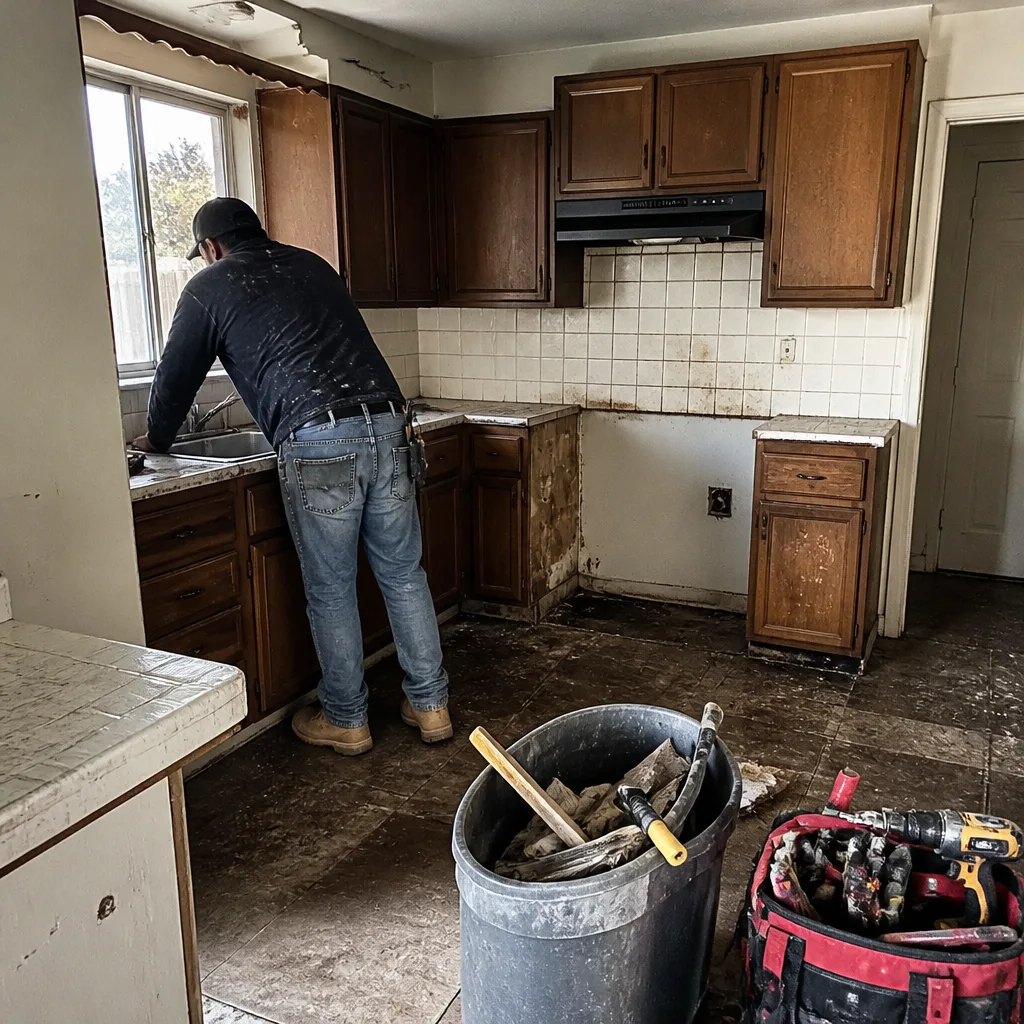 Before
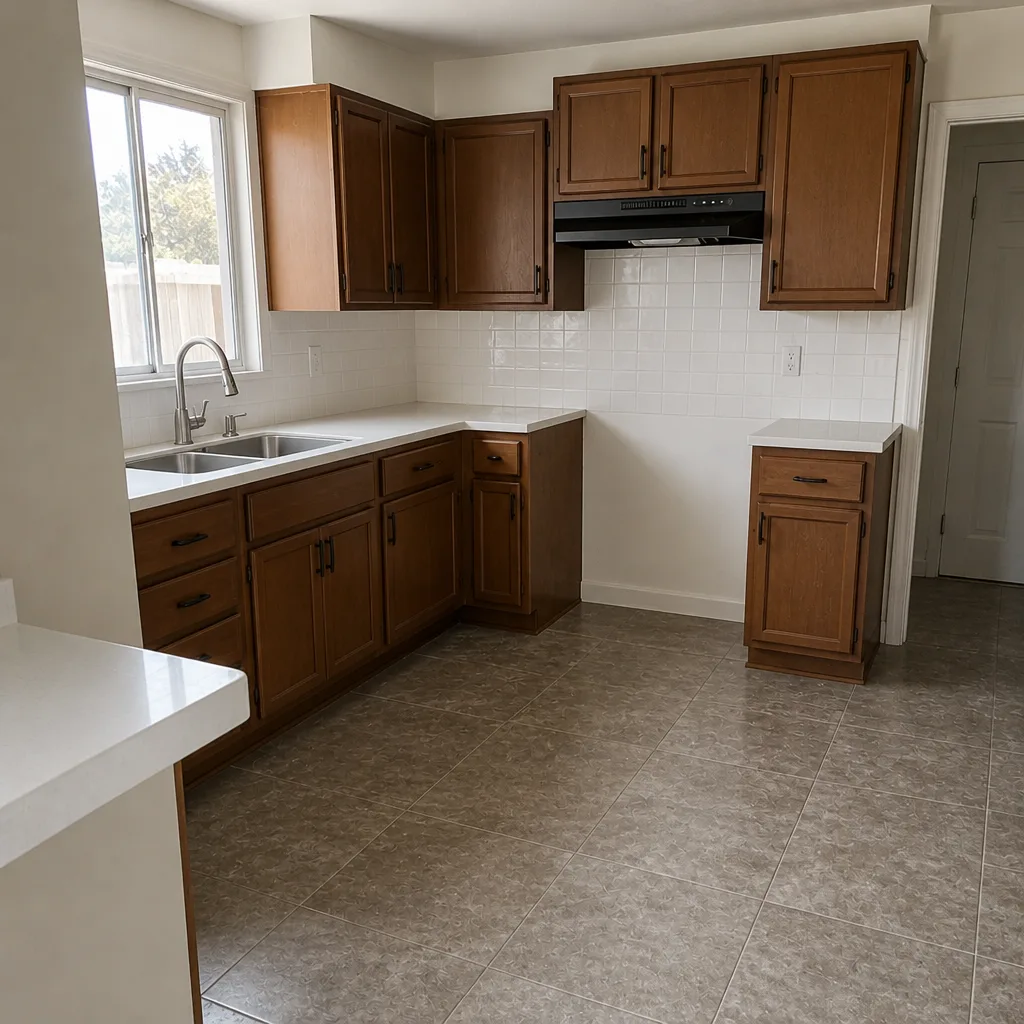 After
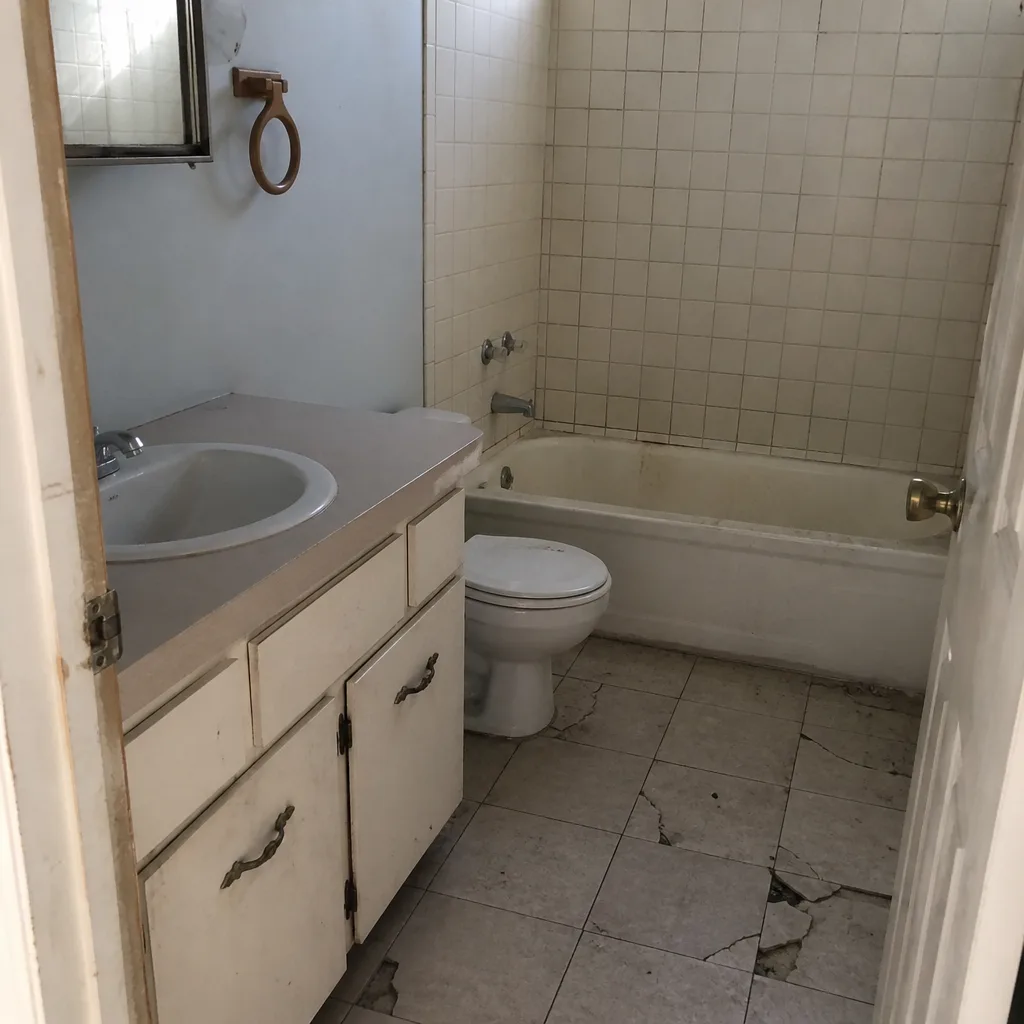 Before
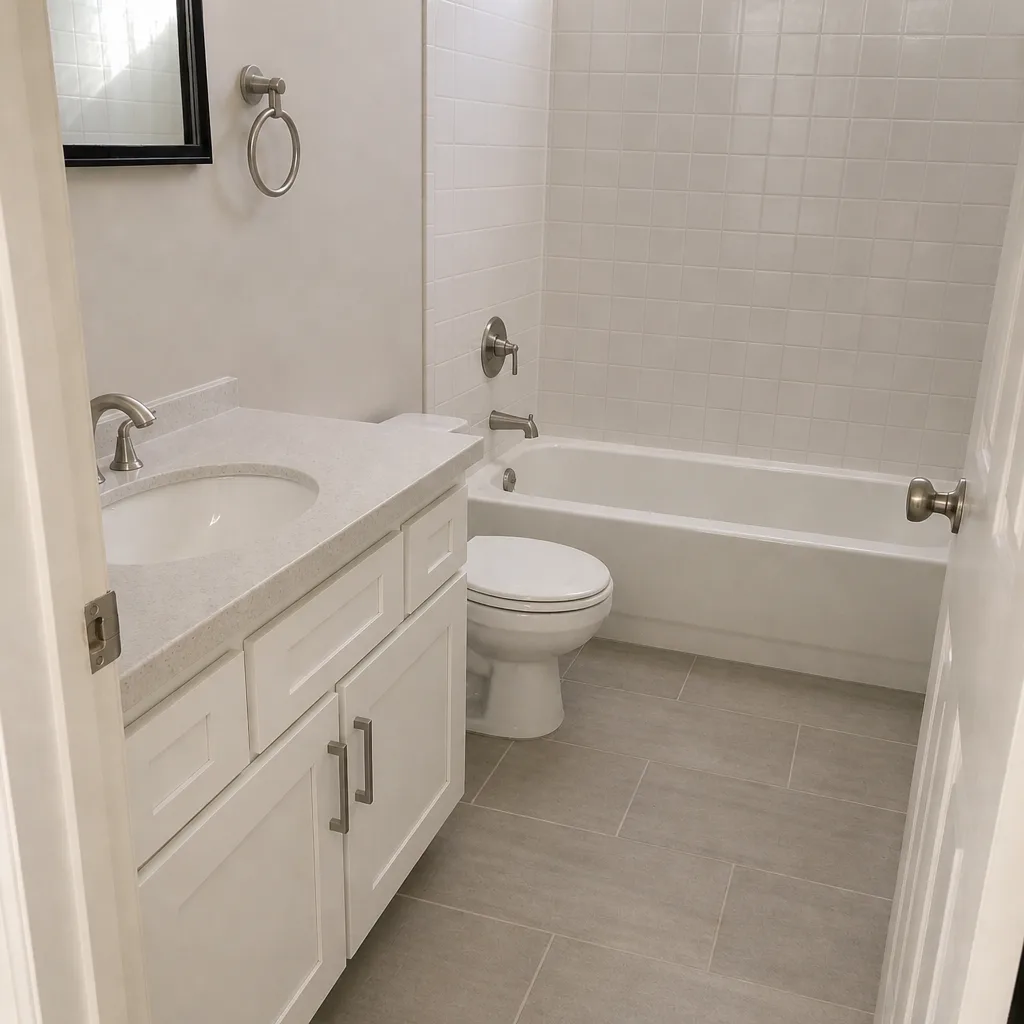 After
When to Call a Professional
Some of this you can check yourself. Some of it, you’d rather have a professional walk you through, and there’s no reason not to ask. If a contractor won’t produce a license number, a contract with a written scope, or proof of insurance on request, that’s the moment to walk and start over. If your current project has stalled, subs are unpaid, or change orders are piling up, a second opinion on the contract and the work to date is worth the call. Sawyer Remodel Enterprise offers free estimates in Enterprise, and we’re glad to review a bid you’re worried about – call (844) 797-5994. You’ll get a written price and the license information up front, no pressure, and no obligation.
Frequently Asked Questions

Search for the contractor’s license number or business name on the Nevada State Contractors Board website. The record shows the license status (active, lapsed, or suspended), the classification, and any disciplinary history. If the status isn’t active or the classification doesn’t match your project, don’t hire them. Call (844) 797-5994 if you’d like help interpreting what you find.
A large upfront deposit demand – 50% or more before work starts – is the single most common pattern in contractor fraud complaints. Combined with a missing license and a vague contract, it’s the profile to walk away from. Call (844) 797-5994 for a free estimate with a written scope and price before any work begins.
It shouldn’t if the contract is written properly. A detailed scope, named material specs, and priced change orders eliminate most surprise costs. When allowances are involved, the contract should specify what happens if you go over. With our written price, the number on the invoice matches the number you approved – call (844) 797-5994 for an exact quote.
Verify it yourself. Call the insurance carrier listed on the certificate and ask whether the policy is active today, not just when the certificate was printed. A certificate dated before your project start doesn’t prove current coverage. Ask for both general liability and workers’ compensation. Call (844) 797-5994 if you want to see how we handle insurance verification on our own estimates.
A Nevada remodeling contract should include a detailed scope of work, a line-item price, a payment schedule tied to milestones, the license number, start and completion dates, and a written change-order process. It should also define the warranty and dispute resolution. If any of these are missing, ask for them in writing. Call (844) 797-5994 for a free estimate with all of it included.
Unpaid subcontractors, materials delivered cash-on-delivery, sudden schedule gaps, and routine change orders all point to cash-flow trouble. If you see two or more, slow your payments and get a status report in writing. A project under financial strain rarely finishes well without intervention. Call (844) 797-5994 if you’d like a second opinion on a project that’s stalled.
The Bottom Line
Contractor fraud is rarely a dramatic con. It’s usually a low bid, a friendly face, and a missing license check. The defenses are plain: verify the license on the Nevada State Contractors Board site, read the contract for scope and payment schedule, call the insurance carrier to confirm active coverage, and pay on milestones instead of a large upfront deposit. Every one of these takes minutes and costs nothing. The patterns in Enterprise are the same as they are everywhere else, and the fixes are the same too. You don’t need to be an expert to spot a bad contractor. You just need to run the checks a legitimate one won’t mind. For a free estimate with a written price, a live arrival time, and a year of accountability behind the work, call (844) 797-5994 or visit our Sawyer Remodel Enterprise home page and our kitchen remodeling in Enterprise page to see how we work.
Written by the team at Sawyer Remodel Enterprise.