Last updated November 18, 2026








Free written scope consultation - allowances, timeline, and change-order rules on paper before a single trade is scheduled
Home Renovation Maintenance Schedule: What to Do and When
Las Vegas Valley tap water averages a hardness of 278 ppm – nearly triple the 100 ppm threshold where water is considered “hard.” That single number rewrites your maintenance calendar. National checklists assume soft water, four real seasons, and gentle sun. Enterprise doesn’t work that way. Here, 110°F summers cook exterior caulk, alkaline water scales every fixture and grout line, and desert dust works its way into vents, tracks, and screens on a schedule no generic guide accounts for. This guide replaces the average American checklist with one built for how a house in Enterprise, NV actually ages. You’ll get a month-by-month rhythm, real inspection intervals for heat-stressed systems, and a clear line between what you can handle and what Nevada requires a licensed contractor to touch.
Quick Answer
In Enterprise, NV, the highest-value home maintenance runs on a desert cycle: inspect the roof and clear the AC condensate line before summer (March – April), check caulk, grout, and water heater scale buildup every six months because of the Valley’s hard water, seal exterior gaps and touch up paint in fall before winter cold snaps, and document every task by date and photo so it holds up at resale and warranty time. Systems most stressed by Mojave heat – roofing, stucco, AC, and water heaters – should be inspected every 6 to 12 months, not annually like national guides advise.
Styles & brands we work with
- Kitchen remodeling
- Bathroom remodeling
- Home additions & ADU
- Roofing
- Windows & doors
- Driveway & pavers
- Fence
Table of Contents
- Enterprise’s Month-by-Month Maintenance Calendar
- Systems That Degrade Fastest in Mojave Desert Heat
- Hard Water Damage: Grout, Caulk, Faucets, and Water Heaters
- Dust, Air Quality, and Your HVAC
- How to Document Maintenance So It Protects Your Resale Value
- Which Tasks Are DIY-Safe and Which Require a Licensed Contractor
- Maintaining a Recent Remodel
- Common Mistakes to Avoid
- When to Call a Professional
- Frequently Asked Questions
Enterprise’s Month-by-Month Maintenance Calendar
National schedules are built around freeze-thaw cycles and autumn leaf drop. None of that applies here. What applies is a long, dry summer that starts testing your exterior in April and finishes in October, a short winter that brings occasional hard freezes, and wind events that move more dust into Enterprise homes in a day than most climates see in a season. Here’s the cycle we recommend to homeowners across the Valley.
- January – February: Check weatherstripping and door sweeps for cold-air gaps. Test smoke and carbon monoxide detectors. Inspect the water heater for scale and flush it if it hasn’t been flushed in the last 12 months – alkaline water accelerates sediment buildup here.
- March – April: Pre-summer roof inspection: look for lifted shingles, cracked flashing, and dried-out sealant around vents and skylights. Clear the AC condensate drain line. Rinse exterior dust from stucco, windows, and screen tracks.
- May – June: Service the air conditioner before the first 105°F stretch. Check grout and caulk in bathrooms and kitchens for cracks (summer heat opens them fast). Inspect irrigation lines for leaks.
- July – August: Recheck exterior caulk and window seals – this is when UV damage peaks. Clean dryer vents. Inspect the garage door and its hardware. Watch water pressure at fixtures for signs of scale.
- September – October: Post-summer exterior repair window: touch up paint, reseal stucco, re-caulk windows and doors before the cold starts stress-testing them. Inspect the roof again after monsoon wind events.
- November – December: Winterize exterior plumbing if any exposed pipes exist. Check the furnace. Seal gaps around utility penetrations where winter pests sneak in.
The rhythm matters more than the exact dates. In Enterprise, you’re essentially running two inspection seasons instead of the national one – a pre-summer one and a post-summer one – because that’s when the desert does its damage.
Systems That Degrade Fastest in Mojave Desert Heat
Extreme heat ages materials faster than the calendar suggests. A roof on a house in Enterprise that faces full afternoon sun can reach 160°F or more at the surface, which breaks down asphalt shingles and sealants roughly 30 – 40% faster than published manufacturer timelines assume. That gap is where maintenance schedules quietly go wrong.
Here’s how the intervals actually break down:
- Roofing: Inspect twice a year – spring and fall – rather than the annually that national guides suggest. GAF and CertainTeed asphalt shingles are rated for decades, but UV exposure in Enterprise means you check sealant and flashing annually and full shingle condition every 2 years.
- Exterior paint and stucco: Expect 7 – 10 years before repainting in the desert, not the 10 – 15 many national resources cite. Stucco cracks that start as cosmetic become water intrusion points after two winters. Inspect and seal every fall.
- Air conditioning: Annual pre-summer service isn’t optional here – a system that runs 6 months straight works harder in one Enterprise summer than two full years in a mild climate. Filters should be checked monthly June through September.
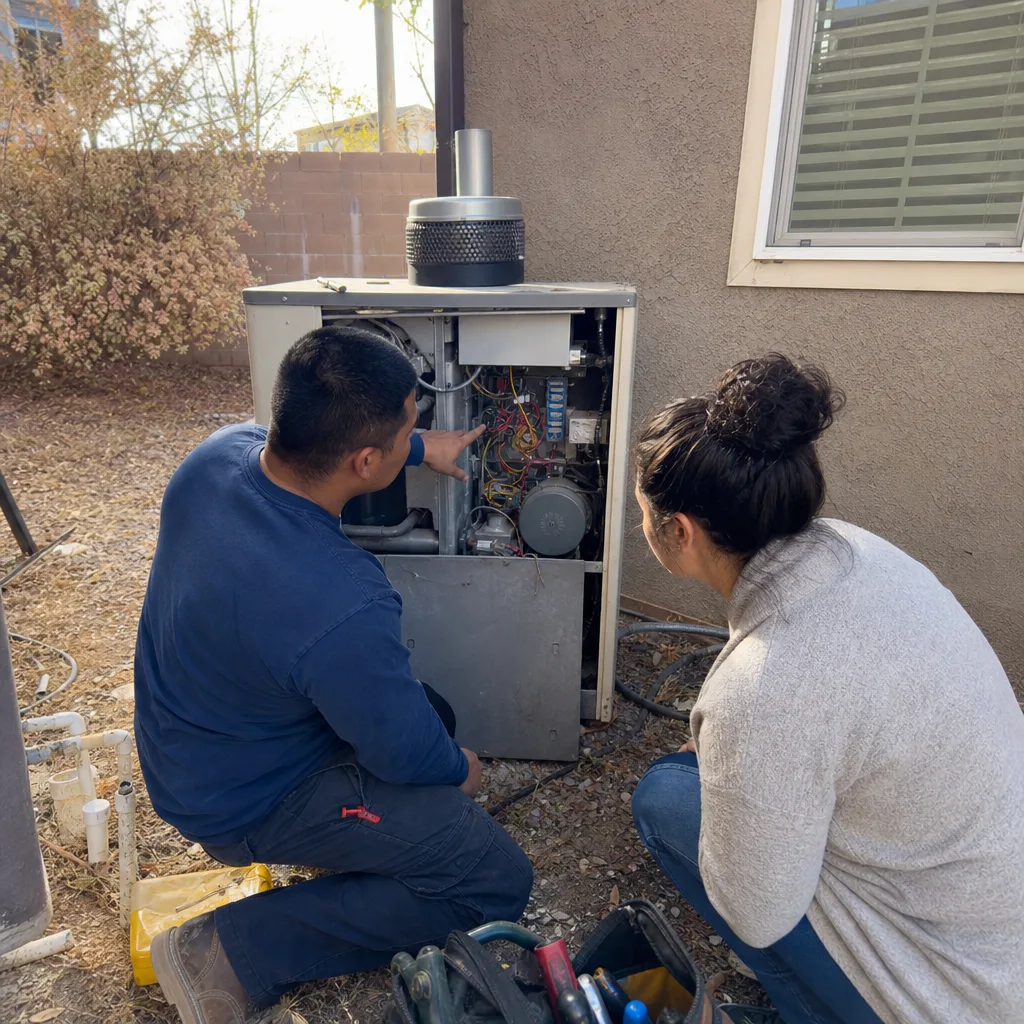
- Water heater: The average life of a tank water heater is 8 – 12 years. In the Valley’s hard water, plan on the lower end – 8 to 10 – and flush annually to get there.
- Window seals and screens: The rubber gaskets and weatherstripping dry out and crack faster in low humidity. Check every fall and spring.
- Garage doors and their hardware: Metal expands in heat and the springs and rollers wear faster. Have them inspected yearly by someone trained for it.
If a system’s manufacturer says “inspect every 2 years,” add one inspection per year in Enterprise. That simple adjustment is what separates a house that holds its value from one that surprises its owner.
Hard Water Damage: Grout, Caulk, Faucets, and Water Heaters
Water hardness in the Las Vegas Valley clocks in around 278 parts per million – calcium and magnesium that leave scale on every surface the water touches. In our experience, hard water is the single most underrated maintenance factor in Enterprise homes. National guides barely mention it because most of the country doesn’t live with water this hard.
The damage follows a predictable timeline:
- Month 1 – 3: Fine white film builds on faucets and showerheads. A durable factory finish like those on Kohler or Moen fixtures resists the water, but the aerators and cartridge seals inside still scale up. Check and clean monthly; it’s quick.
- Month 3 – 6: Grout lines in showers and floors begin to look cloudy. That’s mineral residue trapped in the porous cement. Seal tile grout every 6 – 12 months to slow it down.
- Month 6 – 12: Caulk lines around tubs, sinks, and showers start to dry and separate. Replacing failed caulk before water gets behind it is a $20 job that prevents a several-thousand-dollar repair.
- Year 1 – 2: Water heater sediment accumulates at the bottom of the tank, reducing efficiency and shortening the lifespan. Flushing the tank annually is the single most effective thing you can do.
- Year 3 – 5: Deteriorating grout and failed caulk lead to hidden moisture damage behind tile, in walls, and under floors. This is where hard water stops being cosmetic and starts costing real money.
In short: clean weekly, seal every 6 to 12 months, flush the water heater annually. That’s the entire hard water maintenance story, and it applies to every home in Enterprise with Valley water.
Dust, Air Quality, and Your HVAC
Desert dust gets into everything. In Enterprise, the annual spring wind events push fine particulate into your home’s air handler, return ducts, and window tracks, and that buildup strains the HVAC system precisely when it’s about to work hardest. Replacement air filters are the cheapest maintenance you’ll ever do, and in this climate they need changing every 1 to 3 months, not the quarterly schedule most box labels recommend.
Beyond filters, the dust drives a few specific habits:
- Vacuum return grilles and registers monthly during windy months.
- Clean window screen tracks and sliding door rails twice a year – grit in the tracks grinds through nylon rollers.
- Wipe exterior light fixtures and vents so dust doesn’t cake into the housing.
- Have ducts cleaned every 2 – 3 years, more often if you’ve just finished a renovation.
Poor airflow is also the most common cause of premature AC failure in this city. When the system can’t move air, it runs longer, draws more power, and ages faster. Keeping filters clean is a $10 habit that protects a $6,000 system.
How to Document Maintenance So It Protects Your Resale Value
Maintenance you don’t write down barely counts. When a buyer’s inspector finds a 9-year-old roof, or your roof warranty claim asks for proof of upkeep, or you’re selling a home in Enterprise, documented maintenance is what stands between you and a request for a price reduction.
Keeping a simple maintenance log does the job. Here’s how to build one:
- Create a folder (digital or physical) with the home’s make, model, and serial numbers for major systems – HVAC, water heater, roof, appliances.
- Record every task with a date, what was done, and who did it. A photo of the worn-out part next to the new one takes ten seconds and is worth more than a paragraph.
- Keep receipts and warranty paperwork for any material with a manufacturer warranty – James Hardie siding, GAF roofing, and KraftMaid or Wellborn cabinetry all depend on documented installation and upkeep.
- File the written price from your contractor with the project, alongside the final invoice. That paper trail is what a warranty claim actually needs.
- Save a copy with your closing documents if you sell.
This isn’t busywork. Dated photos and receipts help a buyer’s agent trust the house, help warranty departments approve claims without a fight, and help a future contractor see what’s already been done. The Relay Standard runs on the same idea – a written record of who came, when, and what it cost – and it works for your home’s maintenance the same way it works for a remodel.
Which Tasks Are DIY-Safe and Which Require a Licensed Contractor
Nevada’s contractor licensing rules are specific about what work requires a licensed professional. Getting that line wrong risks your safety and your insurance coverage. Here’s the honest split.
Safe to handle yourself:
- Changing air filters, cleaning grilles and window tracks.
- Cleaning and re-caulking tubs, sinks, and countertop seams (cosmetic caulk only – not where it involves opening walls).
- Replacing faucet aerators and showerheads.
- Washing exterior surfaces and inspecting for damage with a clipboard and camera.
- Touching up paint on small interior patches.
Requires a licensed contractor:
- Electrical work beyond swapping a light bulb or outlet cover. Electrical panels and wiring carry real shock and fire risk; a Nevada-licensed electrician does this work, and insurers expect it.
- Plumbing changes beyond faucet swap-outs. Repiping, water heater replacement, and moving supply or drain lines require a licensed plumber.
- Roofing repairs above a cosmetic patch. Steep-roof and height work is genuinely dangerous, and roof warranties often require licensed installation to stay valid.
- Structural changes, wall removals, additions, and anything that touches load-bearing elements.
- Gas line connections, water heaters, and anything involving combustion venting.
- Stucco and exterior repair beyond cosmetic patching, since improper sealing causes water intrusion that voids many exterior warranties.
The rule of thumb: if the task involves cutting into walls, touching live wiring or gas, working at height, or affecting the structure of the home, it needs a licensed pro. For the rest, a maintenance log and a Saturday morning covers it. When the project is bigger than maintenance – a full bathroom remodel, a kitchen renovation, a whole-home update – the licensed approach is where our general contractor in Enterprise service comes in, and it’s the difference between a job that meets code and one that fights you at resale.
Maintaining a Recent Remodel
A new bathroom or kitchen isn’t finished when the tools leave. The first 12 months after a remodel are when warranty conditions actually matter, and the desert accelerates the clock. Here’s what to watch in the year after a bathroom remodeling in Enterprise project:
- Month 0 – 1: Check caulk lines around tubs, showers, and sinks weekly for separation as materials settle. Catch a hairline gap now and it’s a five-minute fix.
- Month 1 – 3: Re-seal grout if it was recently finished. Hard water hits fresh cement grout hardest in the first months.
- Month 3 – 6: Test every fixture for drips, listen for running toilets, and check under sinks for moisture. Address the smallest sign immediately.
- Month 6 – 12: Reinspect the caulk and grout, check door alignment, and make sure any warranty-covered issue gets documented with photos and the original written price in hand.
This is why a written guarantee matters. The 365-Day Done Right Promise covers the first full year after a project closes – so if something isn’t done right, we make it right, and you have documentation backing the claim. A new kitchen has its own rhythm too; kitchen remodeling in Enterprise work benefits from the same first-year watch, particularly the caulk around backsplashes and countertops, where hard water and heat both take a toll. Our teams work with KraftMaid and Wellborn cabinetry and Cambria and Silestone countertops often enough to know which joints need the closest attention in year one. The Sawyer Remodel Enterprise home page outlines how every project is run under The Relay Visibility Guarantee.
Common Mistakes to Avoid
- Following a national checklist. A schedule built for a four-season climate misses the two inspection seasons Enterprise needs. Your gutters may be fine, but your roof sealant and stucco are not.
- Ignoring hard water until fixtures fail. By the time a faucet drips or a showerhead clogs, scale has been building for months. Monthly cleaning beats annual replacement.
- Skipping the annual water heater flush. Valley water leaves sediment the tank can’t clear on its own. Skipping flushes typically knocks years off the water heater’s life.
- Caulking over caulk instead of removing it. New caulk won’t bond to failing old caulk. Strip, clean, dry, then apply. It takes longer and lasts far longer.
- Letting DHPs or handyman-level pros do licensed work. Electrical, gas, plumbing, and roof work outside cosmetic limits require licensed contractors in Nevada. Unlicensed work can void insurance and get flagged by inspectors at resale.
- Treating documentation as optional. No dates and no photos means no proof at warranty time and no negotiating room at sale. A five-minute log per task is the cheapest maintenance you’ll ever do.
- Assuming “new” means “low maintenance” in Enterprise. A freshly painted exterior still needs annual caulk checks, and a new roof still needs spring and fall eyes on it. Desert UV doesn’t honor the calendar the way the sales brochure said.
When to Call a Professional
Some jobs are maintenance; others cost more if you wait. Call a licensed professional when you see water stains anywhere on a ceiling or wall, when a water heater is older than its expected life and making popping sounds, when an electrical panel is warm to the touch or a breaker trips repeatedly, when a roof shows lifted or missing shingles after a wind event, or when you’re planning any work that touches walls, wiring, gas, or the roof. Steep-roof inspection and repair is genuinely dangerous – don’t take that on yourself, and don’t hand it to an unlicensed helper. If you’re weighing whether it’s time for a full renovation rather than a repair, that’s a conversation worth having early. Sawyer Remodel Enterprise offers free estimates in Enterprise – call (844) 797-5994 to schedule one, and you’ll get a written price before any work begins, a live arrival time, and before-and-after photo updates on every job.
Frequently Asked Questions
Plan on two inspection seasons per year plus monthly spot checks. The official home maintenance calendar in Enterprise works best as spring (March – April) and fall (September – October) inspections with monthly filter changes and water checks in between. Heat-stressed systems like the roof, stucco, and AC need attention every 6 to 12 months, not annually like a national guide suggests. Call (844) 797-5994 for a free estimate if a task is bigger than you want to handle.
Clean faucets and showerheads monthly, seal grout every 6 to 12 months, replace failing caulk before it cracks, and flush the water heater yearly. Las Vegas Valley water runs about 278 ppm hardness, nearly triple the “hard water” threshold, so scale builds faster here than national guides assume. A water softener and a simple annual flush routine will extend the life of your fixtures and water heater by years.
Yes, for anything electrical, gas-related, plumbing beyond a faucet swap, roofing above cosmetic repair, or structural. Cosmetic caulk, filters, aerators, and cleaning are safe to do yourself. When in doubt, ask a licensed pro to check before cutting into a wall. Sawyer Remodel Enterprise can handle the licensed side – call (844) 797-5994 for a free estimate.
Keep a dated log with photos for every task, receipts for materials, and the written price from any contractor alongside the final invoice. This paperwork is what warranty departments ask for and what buyers’ agents rely on at inspection. If the work is under warranty, the dates and photos become your claim. Our team provides a written price on every project for exactly this reason.
Inspect your roof in spring before summer heat and again in fall after monsoon winds – twice a year, not once. Look for lifted shingles, dried-out sealant, and cracked flashing. Full shingle condition can be checked every two years. Roof work is dangerous; leave the climb to a licensed professional. Call (844) 797-5994 to schedule a free estimate.
We’re a general contractor focused on bathroom remodeling and whole-home renovation, and we bring the same written-price, photo-update approach to every project. If a maintenance issue grows into a repair or remodel, we’ll give you a written price before any work starts. The 365-Day Done Right Promise backs every job we finish. Call (844) 797-5994 for a free estimate.
The Bottom Line

Maintenance in Enterprise runs on a different clock than the rest of the country. Hard water at roughly 278 ppm, 110°F summers, and desert dust age your fixtures, roofing, stucco, and HVAC faster than any national schedule allows for. Run your inspections twice a year – spring and fall – track everything with dates and photos, and know which tasks require a licensed contractor. That’s the whole system, and it protects both your home’s safety and its resale value. When a repair outgrows a checklist, Sawyer Remodel Enterprise is here with a written price, live arrival time, and photo updates every step of the way. Call (844) 797-5994 for a free estimate.
Written by the team at Sawyer Remodel Enterprise.
See the difference
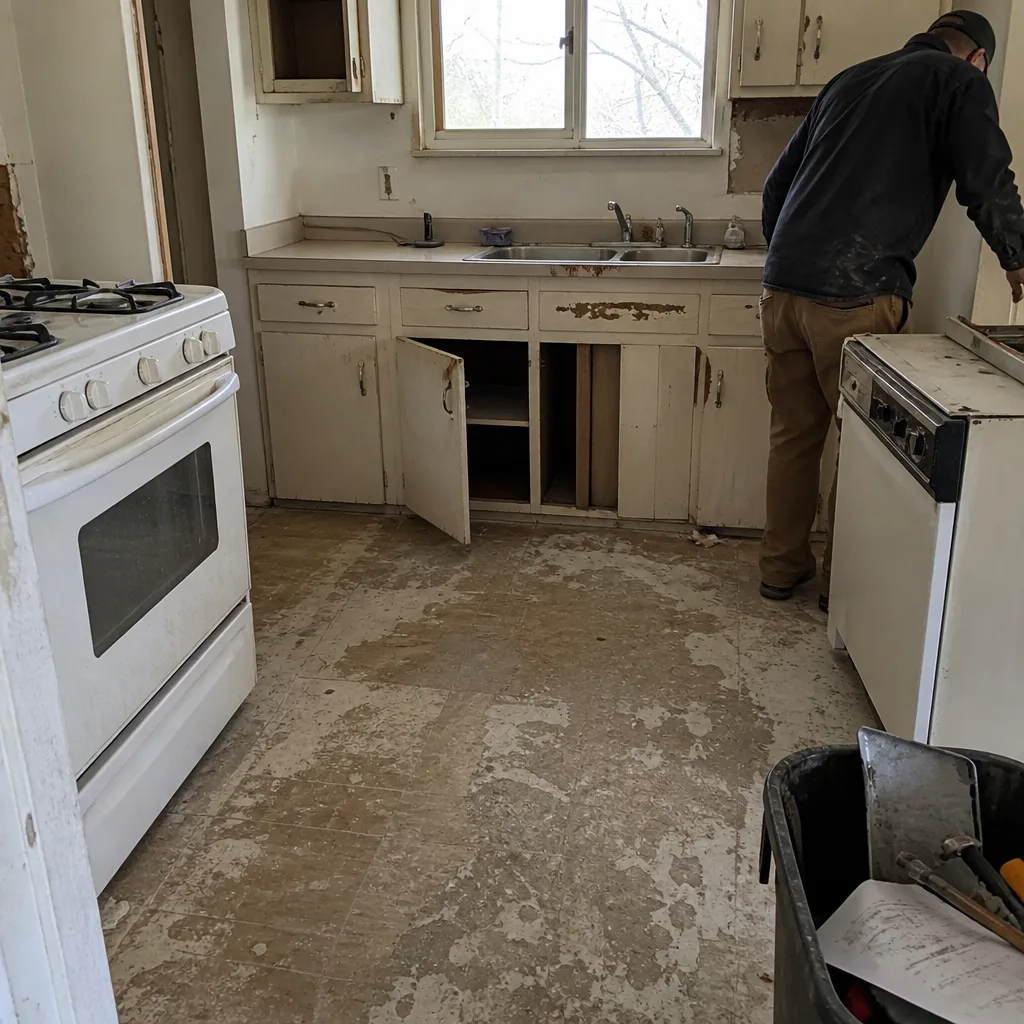 Before
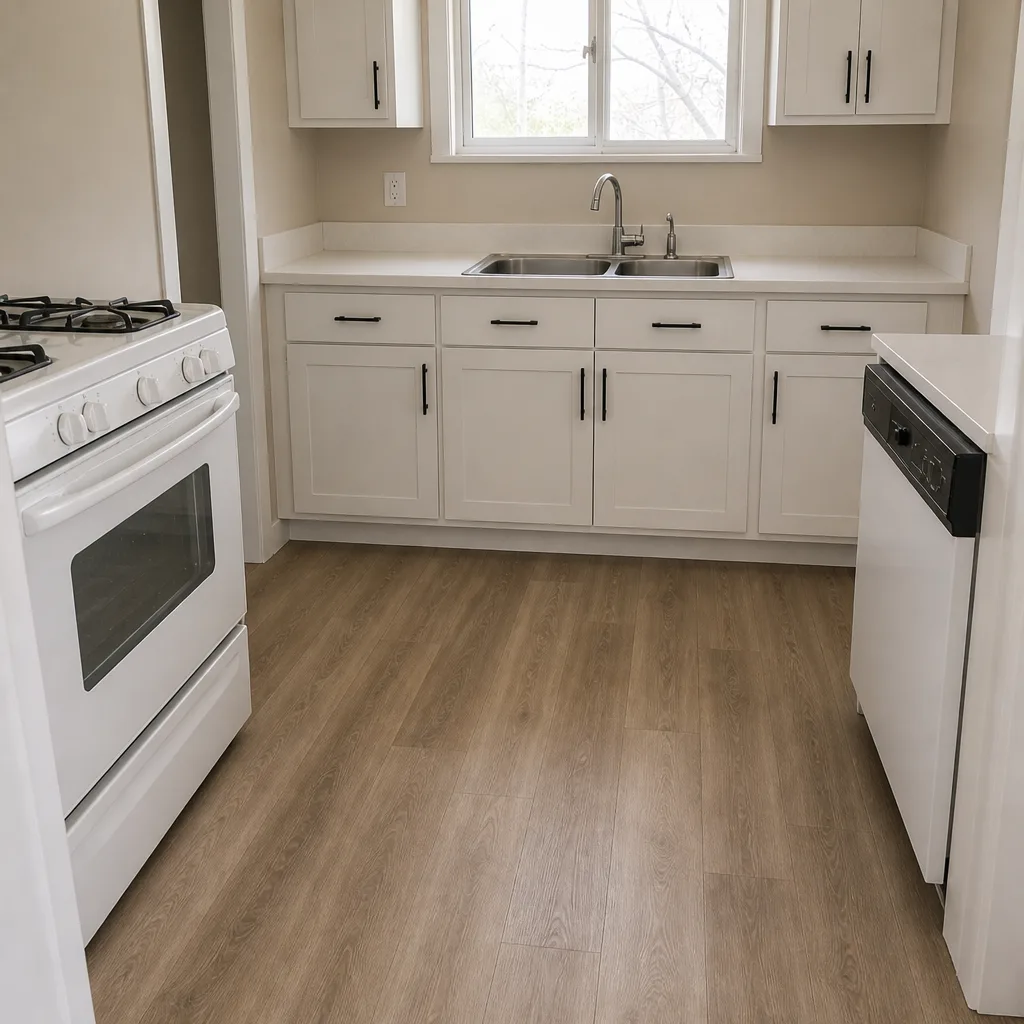 After
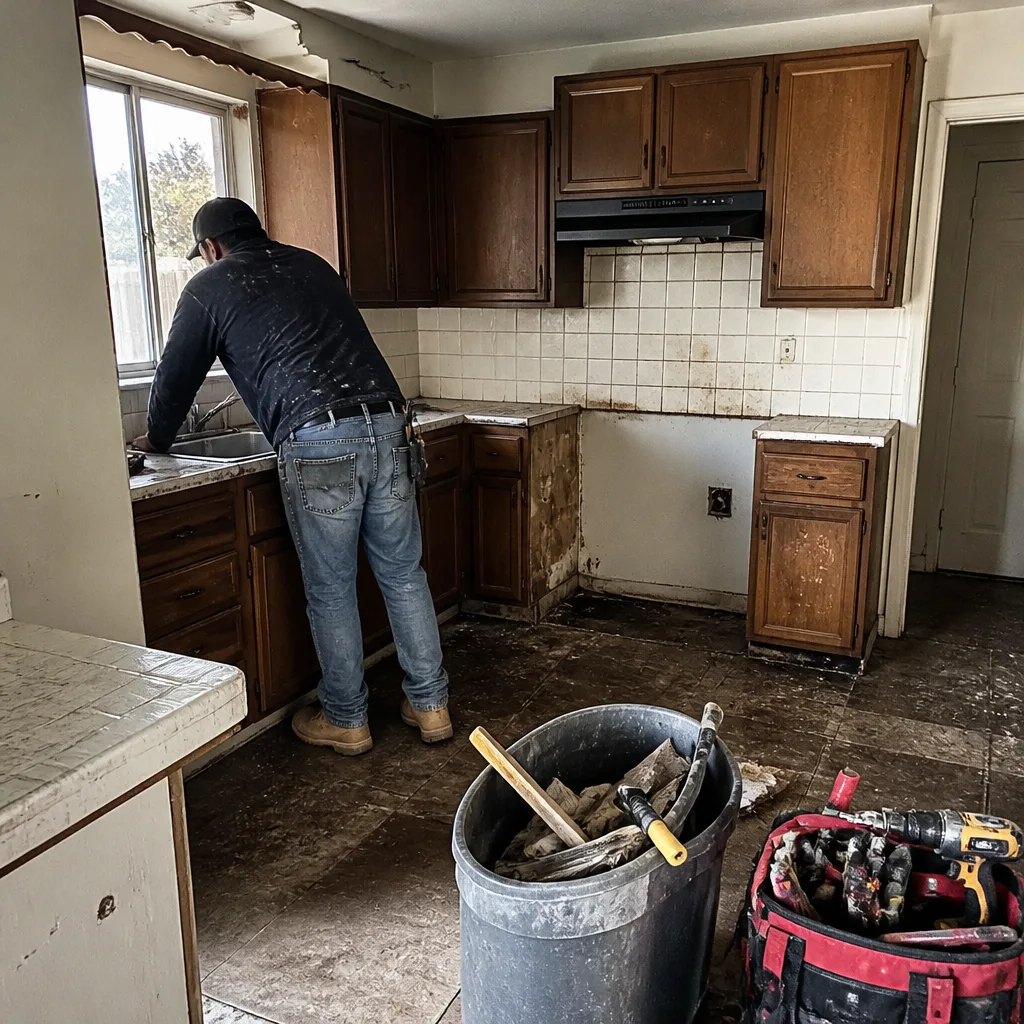 Before
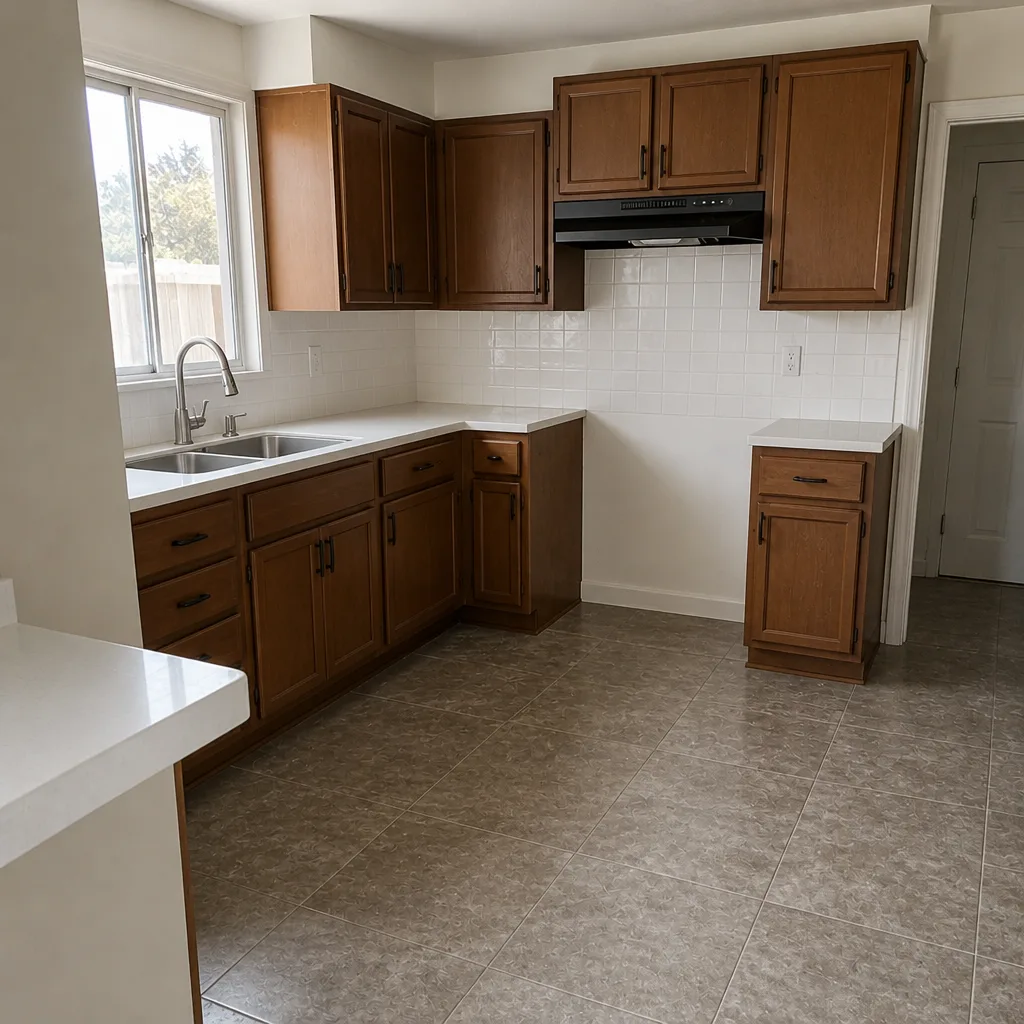 After
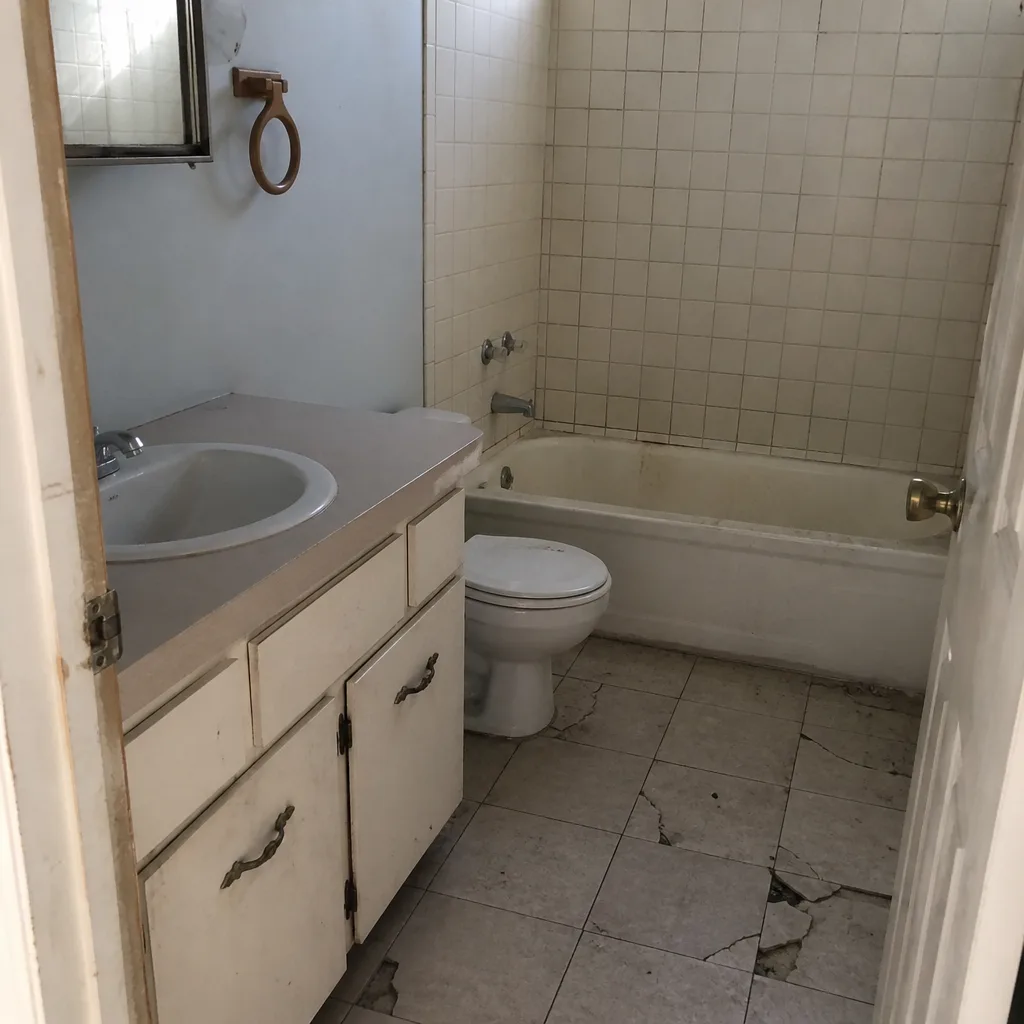 Before
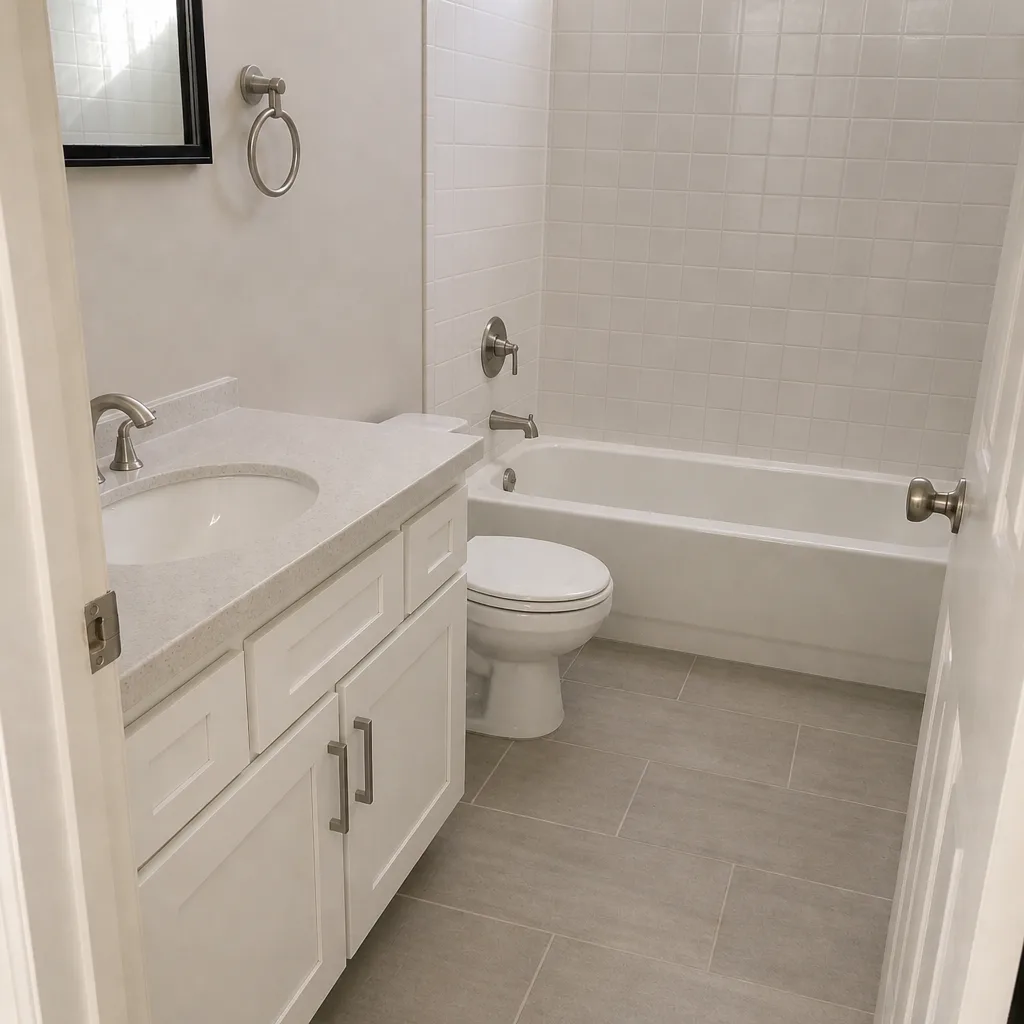 After