
Last updated November 18, 2026








Free written scope consultation - allowances, timeline, and change-order rules on paper before a single trade is scheduled
Home Renovation Troubleshooting: Common Problems and How to Fix Them
A crack in your new drywall isn’t a drywall problem. It’s usually a framing problem, a foundation settling issue, or a fastener failure – and painting over it is the most expensive thing you can do. The same logic runs through almost every renovation complaint we see in Enterprise: the thing that looks broken is rarely the thing that is broken. This guide maps renovation problems backward to their actual source, so you fix the cause instead of paying twice to patch a symptom. You’ll learn how to sort cosmetic from mechanical from structural issues, how normal tolerances differ from real workmanship defects, and how far up the escalation chain to take a claim.
Quick Answer
Most home renovation problems are traceable to an earlier cause: movement, moisture, fastener failure, or a pre-existing condition that was never flagged. Fix the source, not the visible symptom. A crack, a squeak, or a bubble is evidence, not the problem itself. Diagnosing that cause is what separates a $200 fix from a $20,000 do-over.
Styles & brands we work with
- Kitchen remodeling
- Bathroom remodeling
- Home additions & ADU
- Roofing
- Windows & doors
- Driveway & pavers
- Fence
Table of Contents
- How do you diagnose cosmetic vs. mechanical vs. structural problems?
- What are the most common post-renovation problems by trade?
- How do you tell normal tolerance from a workmanship defect?
- Was the problem pre-existing? Who’s responsible?
- Why does moisture cause so much of the damage we see in Enterprise?
- What documentation do you need before you make a warranty claim?
- What’s the escalation path when a contractor won’t fix it?
- How do you prevent problems before they start?
How do you diagnose cosmetic vs. mechanical vs. structural problems?
The first call you make depends entirely on which of these three categories you’re looking at. Get it wrong and you either overpay for a specialist you don’t need or underreact to a problem that will keep spreading.
Cosmetic means the surface only. A scuff on paint, a slight color variation in grout, a tiny chip on an outlet cover. These don’t point to anything behind the wall, and any competent finish crew can correct them on a callback.
Mechanical means a system or component behind the surface isn’t behaving. A door that sticks months after install, a tap that drips under normal pressure, a switch that flickers on one circuit. Some part of the assembly is failing, and the finish is telling you.
Structural means movement, loading, or water intrusion affecting the frame, foundation, or envelope. Diagonal cracks at corners of doorways, a floor that visibly slopes, water stains spreading across a ceiling line, or a door frame that’s shifted out of square all belong here. Structural issues get a structural response, and they get it now.
Ask one question to sort fast: if I cover this up today, will it come back? Cosmetic stays buried. Mechanical comes back within a season. Structural comes back worse. In our experience in Enterprise, summer heat and monsoon humidity widen the gap – small things that were cosmetic in April often turn mechanical by August, because the surface is what fails first when the building moves.
What are the most common post-renovation problems by trade?
Here’s the short version of what actually goes wrong, and why. Each problem has a visible symptom and an earlier cause.
Drywall
Cracks show up at seams, corners, and above doorways. The drywall itself is usually fine – the cause is almost always fastener failure (screws not hitting studs), framing that shrank or shifted, or tape installed over a wet joint. A hairline spider crack in a corner is usually a joint issue; a diagonal crack radiating from a doorway corner is a framing or settling signal.
Paint
Peeling, blistering, and premature fading trace back to surface prep and moisture, not to the paint brand. Paint over drywall with high moisture content will bubble within a season. In Enterprise, exterior paint that fails early is often a substrate problem – sun-baked stucco that wasn’t primed right – rather than bad product.
Flooring
Gaps, cupping, and squeaks. Cupping and buckling point to moisture; gapping in wood floors points to humidity cycling (dry air in winter, monsoon humidity in summer). Squeaks point to subfloor fastening. Most “bad flooring” calls we see are subfloor and acclimation problems exposed by the finish, not defects in the material itself.
Plumbing
Drips, low pressure, and slow drains. A drip at a new fixture is often a fitting that wasn’t fully seated or a seal that’s failed early. Low pressure on a single fixture points to a clogged aerator or cartridge. Low pressure across the house after a renovation points to debris in the supply line – one of the most common post-renovation calls.
Electrical
Flickering lights, dead outlets, and warm cover plates. A dead outlet on a circuit that worked before is usually a loose connection at a splice or at the panel. Flickering on one circuit often traces to a bad breaker or a backstabbed outlet. Any warmth, burning smell, or sparking is not a diagnosis job – shut it off and call a licensed electrician. Electrical work is not a troubleshooting hobby.
How do you tell normal tolerance from a workmanship defect?
This is the argument most homeowners lose, and it’s usually lost on vocabulary, not on facts. Every trade has a standard tolerance for squareness, levelness, reveal, and gap width. A defect isn’t “it looks off to me” – it’s a measurement that falls outside an accepted tolerance.
Common tolerances worth knowing:
- Tile lippage – small variances in tile height at the edges are normal on most installs; large, feelable lips across multiple joints are not.
- Grout joints and caulk lines – consistent width is expected; wandering joints signal layout or technique problems.
- Door reveals and cabinet gaps – even gaps on all sides are the measure. A door that rubs on the jamb is a defect, not a tolerance.
- Drywall flatness – minor waviness under raking light is normal; bulges at fasteners are painted-over screw pops and should be fixed, not tolerated.
- Paint coverage – brush marks and roller texture are normal; holidays, drips, and thin coverage are not.
The difference between a tolerance and a defect is documentation. Photos with a straightedge or level in frame, dates, and a written description in plain language give your contractor something to act on. “It looks bad” gets a shrug. “Here are five photos showing 3/16-inch lippage across the hall bath floor, taken today” gets a callback and a plan. We’ve written our Bathroom Remodeling in Enterprise pages around this exact standard, because tile set over an uneven subfloor is one of the most common finished-surface failures we see.
Was the problem pre-existing? Who’s responsible?
Some of the problems homeowners call us about were there before the renovation started, and the question becomes: should your contractor have flagged it? Often, yes. A rotted subfloor under a shower pan, a slow leak in a wall, an out-of-square doorway that was going to telegraph through new trim – these are things a qualified crew should catch during demo and scope.
When we walk a project, part of the written price covers what we’re going to do if we open a wall and find something unexpected. The professional move is to stop, document with photos, give you a written addendum with a new price and a new timeline, and let you decide. Anything other than that – silence until invoice, a surprise line item, or a text saying “found a problem, sending a new number, no detail” – is not the process you agreed to.
If your contractor didn’t flag it, your options narrow to three: ask for the written scope to see what was excluded; request the inspection record if permits were pulled; and if the problem rises to the level of an undisclosed defect, escalate per the steps below. A contractor who pulled permits and passed inspections has a documented paper trail that both of you can lean on. In Enterprise, unpermitted work is one of the biggest variables we see in pre-purchase inspections, and it’s a big reason we won’t quote a General Contractor in Enterprise scope without confirming permits.
Why does moisture cause so much of the damage we see in Enterprise?
Enterprise sits in a climate that runs both extremes – brutal summer heat and monsoon season dumping weeks of water at once. That swing does more damage to building assemblies than any single season, and it’s why so many of the “renovation failed” complaints we get turn out to be drainage, ventilation, or flashing problems wearing a finish problem costume.
Where it shows up:
- Bathroom exhaust – a fan undersized for the room, or ductwork that dumps into the attic instead of outside, saturates drywall and trim within a year. Look for peeling paint at the ceiling near the shower as an early warning.
- Stucco and weep screed – stucco cracks that open in summer sun and get driven by monsoon rain trap water behind the wall. That’s how you get a bubble in interior paint away from any plumbing.
- Slab edge and grading – water that pools against the house finds the slab edge and wicks up. Wood flooring near exterior walls cups; baseboards swell.
- Patio and hardscape – pavers from Belgard or Unilock set without enough slope back away from the house channel water into the wall line. We’ve seen this blamed on interior waterproofing more than once.
If the moisture source lives outside, no interior repair will hold. That’s the single most important cause-and-effect rule in this guide: find the water’s entry point before you touch the surface it’s damaging.
What documentation do you need before you make a warranty claim?
Warranty claims succeed on paper. Here’s the five-step process we recommend to every homeowner we work with, and the same one our own teams follow when a callback comes in under The Relay Visibility Guarantee.
- Photograph and date – take the shot with a straightedge, coin, or tape measure in frame so scale is obvious. Name the files by date so they sort.
- Write a short timeline – when you first noticed it, what changed around that time, what you’ve already done. Three sentences beats a paragraph of context.
- Pull your contract and written scope – the exact line items that were agreed, the warranty terms, and any addenda. If any of these don’t exist in writing, that itself is a problem.
- Take the contract to the source – submit the photos, timeline, and scope by email with a clear ask: a callback, an inspection, and a written plan.
- Log every call – date, who you spoke with, what was agreed. That log becomes your evidence if you need it later.
This is exactly why we put a written price in your hands before any tool is picked up, and why every project closes with a written guarantee – not a promise. If there’s no paper, the claim is a conversation. If there’s paper, the claim is a process.
What’s the escalation path when a contractor won’t fix it?
Move up the chain in order. Skipping a step looks aggressive and slows you down; staying on one step too long costs you money.
1. Contractor callback. Email (not text) with photos, timeline, and scope, asking for a specific date. Give a reasonable window – a week for a callback is standard, not a month.
2. Contractor’s insurance. Every licensed contractor carries general liability coverage. If the problem is significant and the contractor won’t respond, request their certificate of insurance (COI) and file a claim with the carrier. Note: their GL policy covers damage they caused, not workmanship failures – workmanship is a warranty matter, not an insurance matter. Know which one you’re arguing.
3. State contractor board complaint. In Nevada, that’s the Nevada State Contractors Board. A formal complaint is public record and usually gets a contractor’s attention fast. Bring your documentation. Boards respond to evidence, not frustration.
4. Small claims. For dollar amounts within the small-claims limit, this is often the fastest path to a resolution. No lawyer needed, and the filing itself frequently prompts a settlement offer.
Our own escalation path runs the opposite direction: if a repair fails within the coverage window, we come back. The 365-Day Done Right Promise exists so the four-step chain above never has to happen on a Sawyer job. If it’s not done right, we make it right, in writing.
How do you prevent problems before they start?
The best troubleshooting is prevention, and it starts at the estimate, not at the invoice.
- Get a written scope before demo. Line items, materials, and allowances in writing. Where the budget stops and the next conversation starts should be clear before a single wall opens.
- Name the brands on paper. Cambria, Silestone, or Caesarstone for countertops; Kohler, Moen, or Grohe fixtures; GAF or James Hardie on the envelope. Named product lines come with manufacturer backing, which adds a real second layer of warranty if a component fails.
- Confirm permits and inspections. Pulled permits and passed inspections protect you at resale and give you a paper trail if a mechanical issue shows up a year later.
- Ask about the water management. Flashing, weep screed, drainage, and venting should be in the scope, not assumed. If they’re not listed, ask.
- Understand the guarantee before the last invoice. What’s covered, for how long, and what fails the claim. If it isn’t written, ask for it in writing.
Read more about how we structure a whole project from a written scope on our Sawyer Remodel Enterprise home page and the Kitchen Remodeling in Enterprise guide, where we walk through the exact scope we hand to homeowners.
Common Mistakes to Avoid
- Painting over a crack without finding its source. In Enterprise, summer heat cycling will reopen a crack within a season if the source is movement. You’ll pay twice for the same fix.
- Ignoring a bathroom exhaust that dumps into the attic. It’s a cheap fix at install and expensive six months down the line when the drywall above the shower starts peeling.
- Accepting a verbal “we’ll come back and look at it.” Ask for a date in writing, even if it’s the same day. Verbal callbacks disappear; written ones get scheduled.
- Filing an insurance claim for a workmanship issue. The GL carrier will deny it, and you’ll lose your doc trail’s momentum. Match the claim to the correct policy or warranty.
- Skipping the contractor callback and going straight to the state board. A public complaint can burn the working relationship you need to get the fix. Move up the chain in order.
- Not pulling permits to save time during the renovation. Unpermitted work in a hot market like Enterprise’s comes back to bite at resale, when a buyer’s inspector finds the discrepancy.
- Accepting a price that isn’t in writing before work starts. A verbal range before demo and a written invoice after is where surprise costs come from. Get the number down before tools come out.
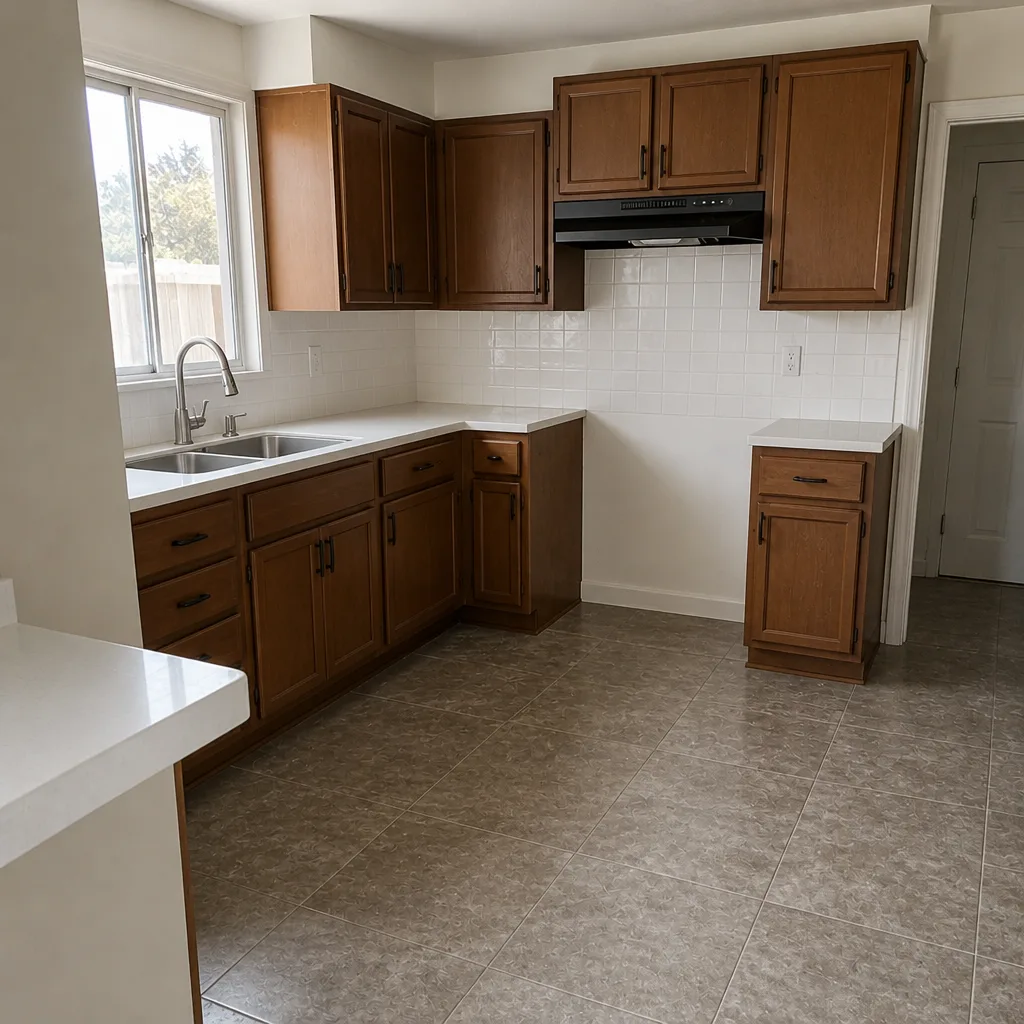
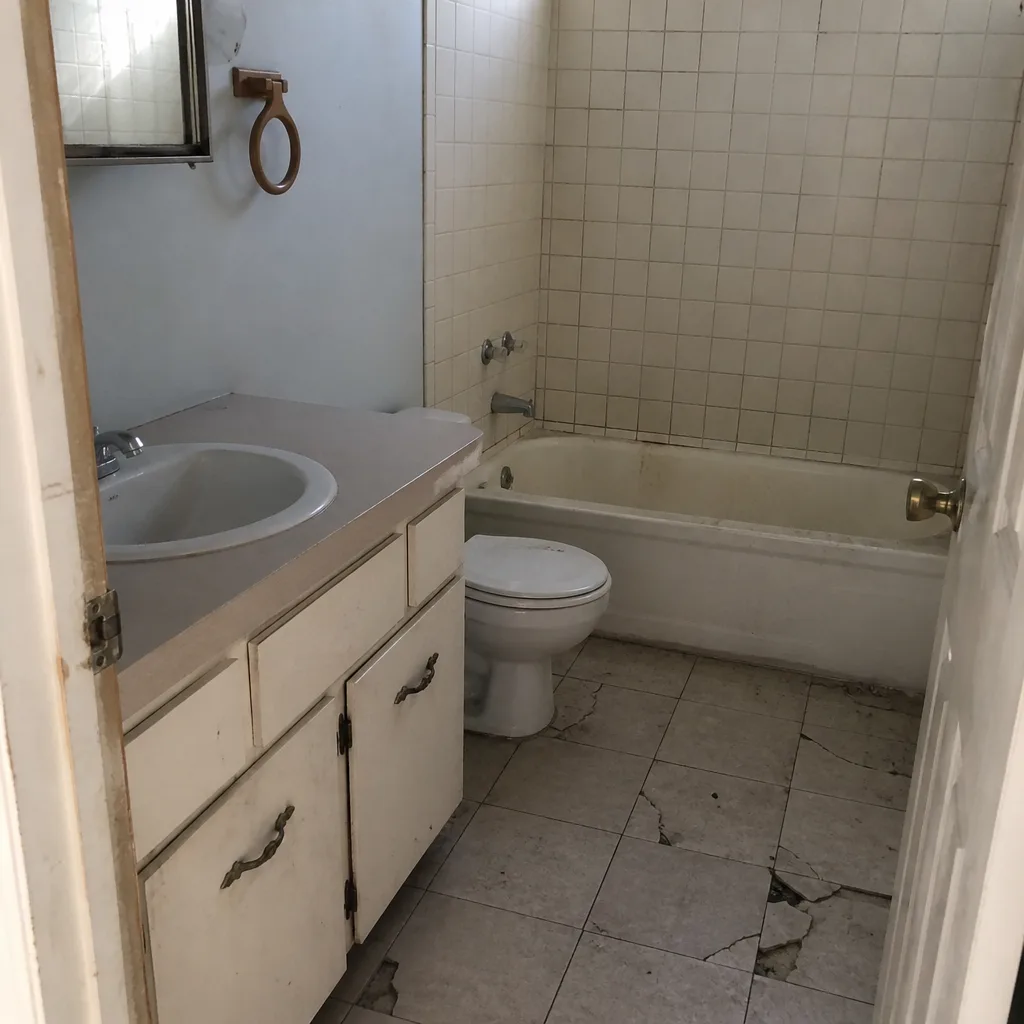
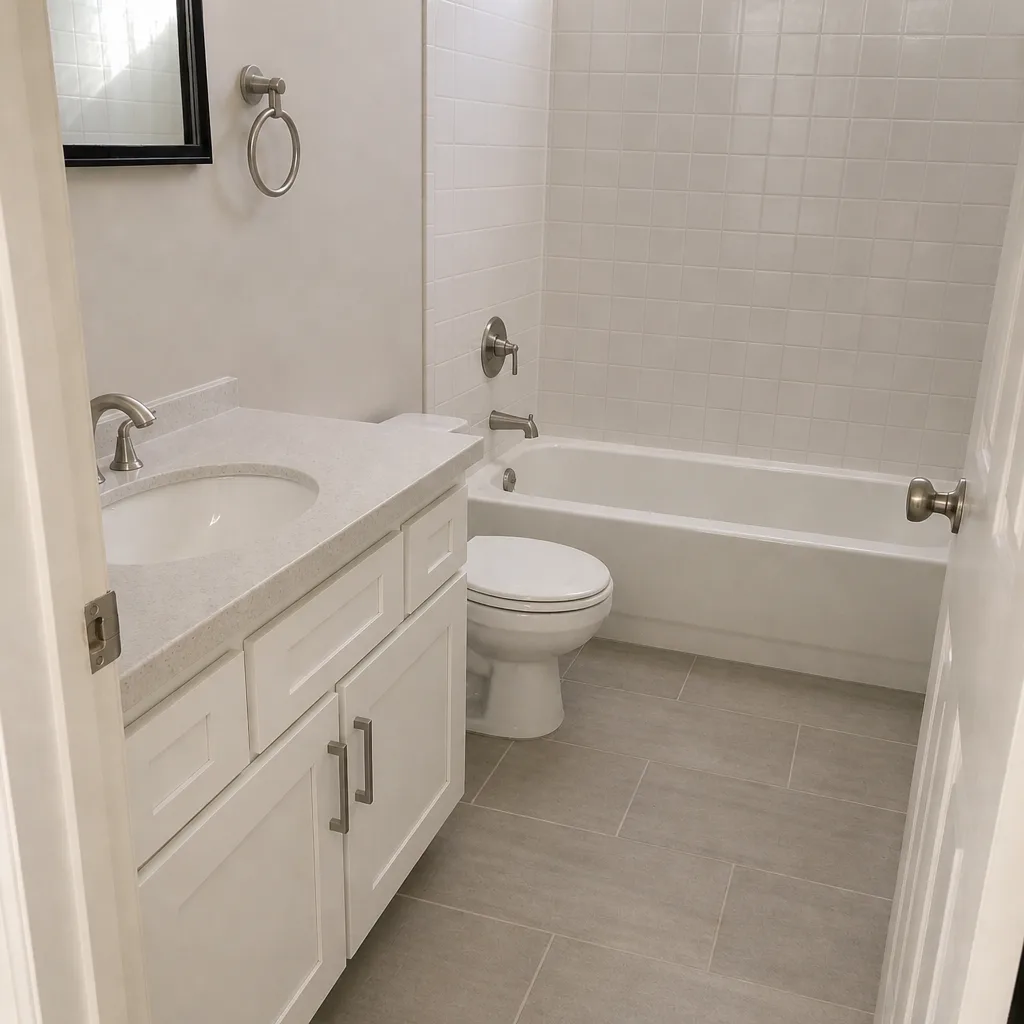
See the difference
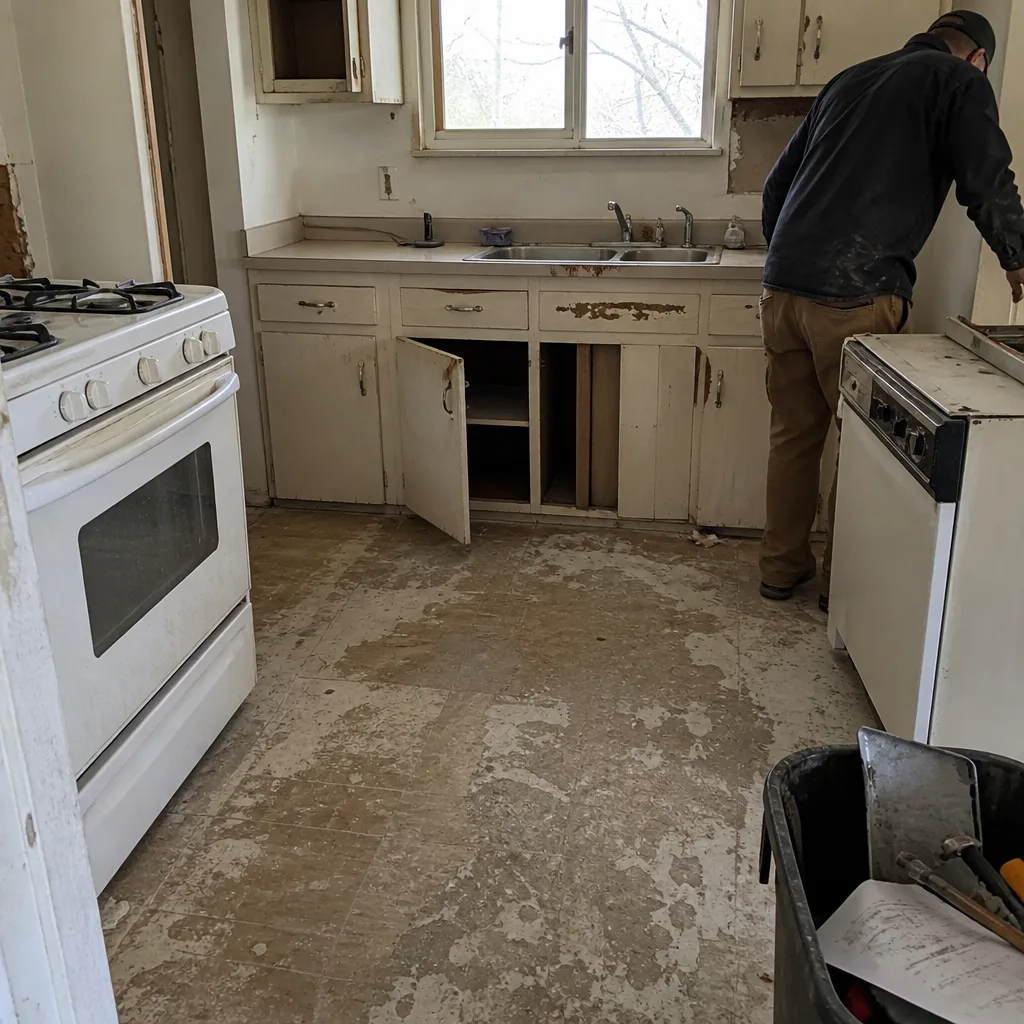 Before
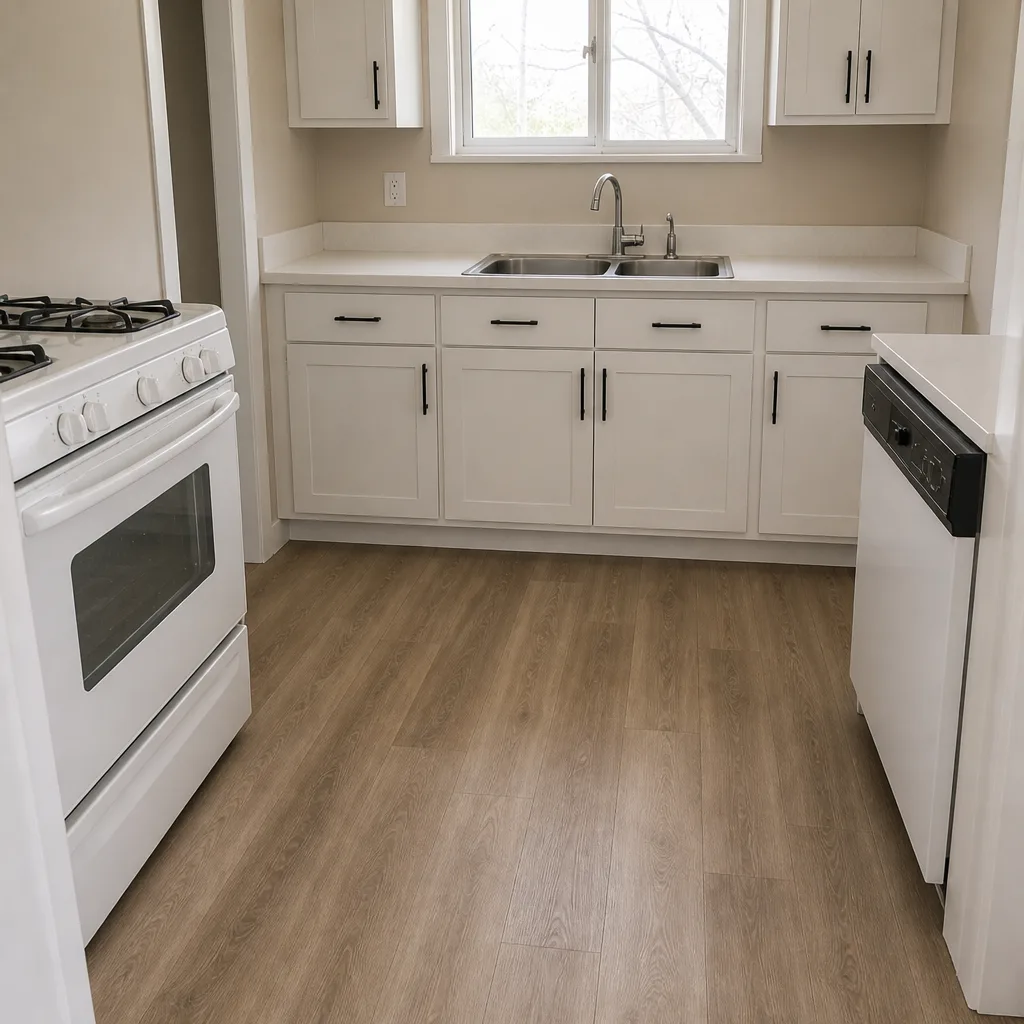 After
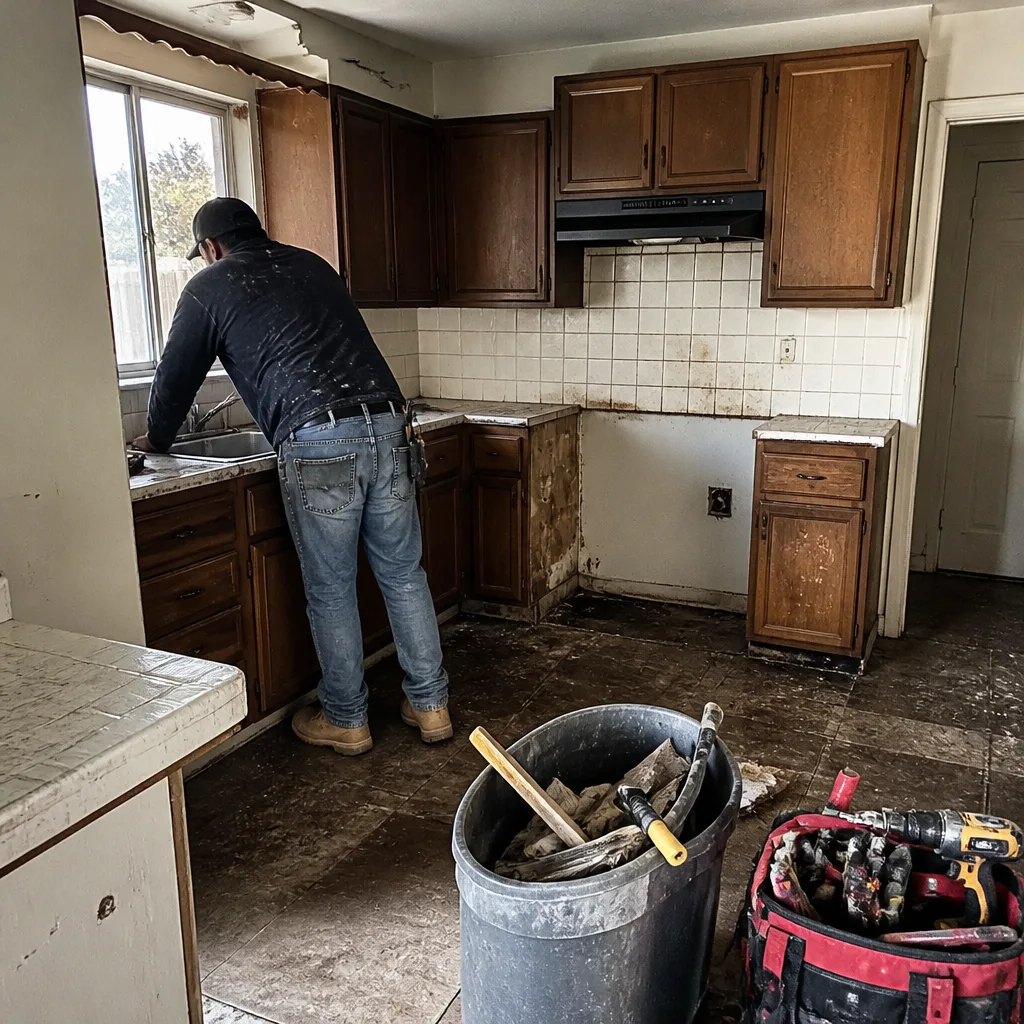 Before
 After
 Before
 After
When to Call a Professional
Any structural crack, any electrical warmth or smell, any active leak, and any moisture problem that keeps returning after a surface repair is a professional call – not a weekend project. High-tension springs, gas lines, electrical panels, and roof-level work all belong to licensed and insured tradespeople, and no guide should try to talk you out of that. Beyond safety, get professional eyes on anything you’re about to make a warranty claim over; a written inspection from a qualified crew carries more weight than a form email. Sawyer Remodel Enterprise offers free estimates in Enterprise – call (844) 797-5994, and we’ll walk the problem with you and put the findings in writing.
Frequently Asked Questions

A cosmetic callback – a paint touch-up, a grout refresh, minor drywall repair – typically runs $150 to $400. Mechanical repairs behind the wall, like re-plumbing a leak or reseating a fitting, commonly run $300 to $1,200 depending on access. Structural repairs tied to framing or water intrusion are the wildcard and often start around $2,500 and climb with the scope. If the problem falls under your written warranty, the cost is zero. For a specific number, call (844) 797-5994 for a free estimate – estimates are free and written.
Not when the price is in writing before any work starts. On our projects, the number on the invoice is the number you approved. The only case where the price changes is if demo opens something the written scope didn’t cover – at which point you get a written addendum with photos, a new number, and a new timeline, and you decide before anyone continues. A “found a problem, sending a new number” text is not the process.
Yes, on any work that requires them. Pulled permits and passed inspections are part of the paper trail that protects you at resale and gives you evidence if a mechanical issue appears later. We won’t quote a scope that leaves permitting to chance. If a contractor suggests skipping the permit to save time, that’s a signal about how the rest of the project will go.
Measure it. Photograph the measurement with a straightedge or level in frame, date the file, and compare it to standard tolerances for the trade. A door that rubs the jamb is a defect; slight waviness in drywall under raking light is not. When in doubt, request a site visit and ask the contractor to measure it with you. If they refuse, that itself is a data point.
Start with the written scope and the inspection record. If the issue was visible or discoverable during demo and the contractor didn’t raise it, you have grounds to ask why – and their answer should come in writing. Escalate through the four-step chain if a reasonable conversation doesn’t produce a fix. A contractor who pulled permits and passed inspections has the documentation to work from; one who didn’t has a bigger problem than yours.
It depends on the warranty terms in your contract, which is why we recommend getting them in writing before work starts. Our 365-Day Done Right Promise covers a full year from project close – if it’s not done right within that window, we make it right. If a contractor won’t put the warranty term in writing, ask yourself what that means about their confidence in the work.
The Bottom Line
Renovation problems travel a cause-and-effect chain, and the visible symptom is almost always at the end of it. Sort the problem as cosmetic, mechanical, or structural; trace the symptom back to its source; document with photos, dates, and measurements; and use the four-step escalation chain only if a reasonable conversation goes nowhere. In Enterprise, moisture, monsoon cycling, and thermal movement drive more of the trouble than the materials do. Get a written price before work starts, a written guarantee when it closes, and you spend fewer nights staring at a crack wondering what it means.
Ready to put eyes on yours? Call (844) 797-5994 for a free estimate, and we’ll walk the problem with you and hand you a written price before any tool comes out.
Written by the team at Sawyer Remodel Enterprise.