
Last updated November 18, 2026








Free written scope consultation - allowances, timeline, and change-order rules on paper before a single trade is scheduled
Home Renovation Warning Signs Every Homeowner Should Know
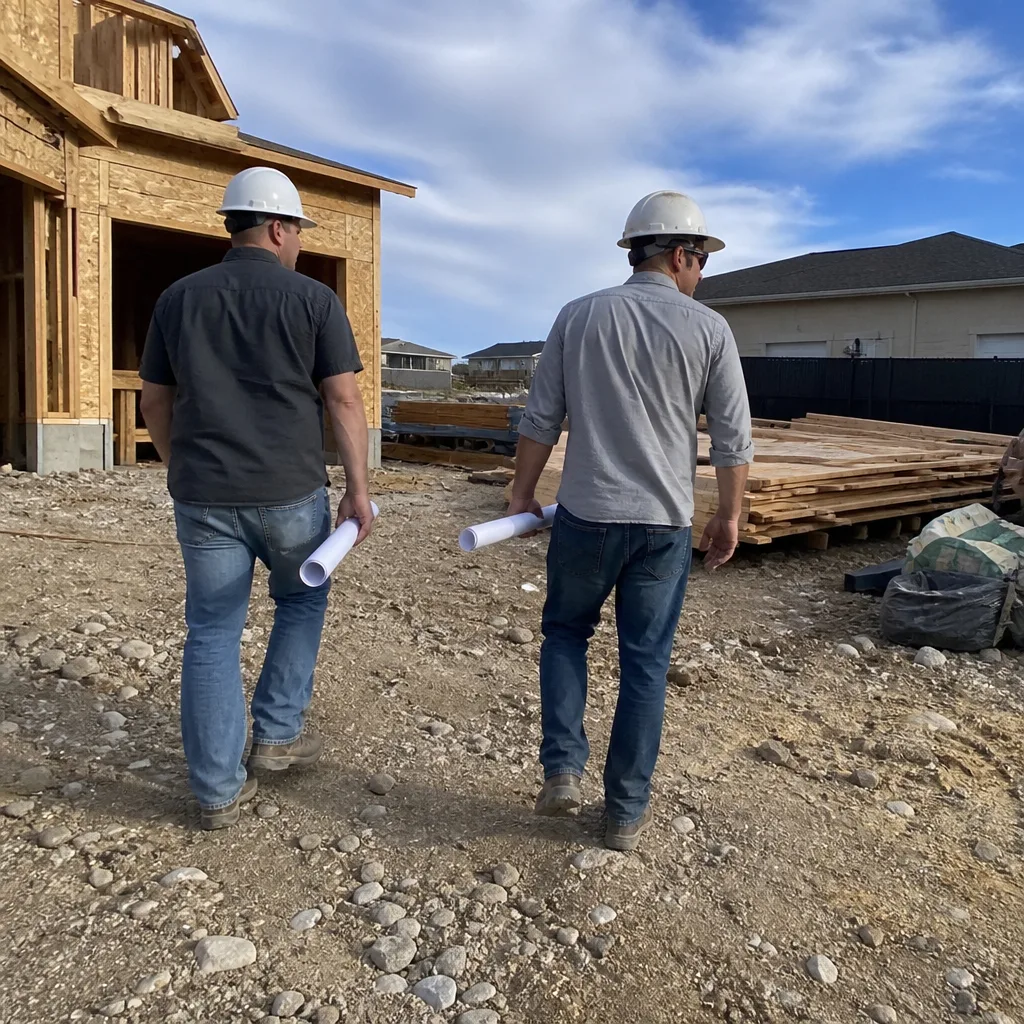
If your contractor has gone three days without contact and no crew has shown up, you’re not being impatient – you’re being ghosted, and you need to know what your legal options are before day seven. Most guides tell you what to check before you hire someone. This one is different. It’s about the warning signs that appear once the project is already underway, when the deposit is spent, the cabinets are on backorder, and you’re standing in a half-finished bathroom wondering if you’re overreacting. You’re not. In our work around Enterprise, we’ve watched homeowners spot these problems late and pay for it. Here’s how to read the signals early, what Nevada law lets you do, and the difference between a normal delay and a project that’s coming apart.
Quick Answer
The clearest warning signs of a bad renovation in progress are: a pattern of missed dates with no explanation, a contractor who stops answering calls for more than 48 hours, requests for extra money mid-project that weren’t in the written scope, and subcontractors asking you directly when they’ll be paid. Any one of these is worth a documented conversation. Two or more together usually means the contractor is overextended or in financial trouble, and you need to protect yourself fast.
Styles & brands we work with
- Kitchen remodeling
- Bathroom remodeling
- Home additions & ADU
- Roofing
- Windows & doors
- Driveway & pavers
- Fence
Table of Contents
- Warning Signs in the Bidding Phase That Predict Future Problems
- Mid-Project Red Flags That Signal Financial Trouble
- What “Ghosting” Looks Like and What Nevada Law Lets You Do
- When Subcontractors Aren’t Getting Paid – And Why It’s Your Problem
- Normal Delays vs. a Project Off the Rails
- Permits, Inspections, and the Paper Trail That Protects You
- How to Document Problems the Right Way
- How To Recover a Stalled Renovation
Warning Signs in the Bidding Phase That Predict Future Problems
The warning signs that matter most show up before anyone picks up a tool. If a bid has no written scope, no line-item pricing, and a handshake promise to “work it out later,” you’re looking at a contractor who will treat the invoice the same way. In our experience, the phase where homeowners are most eager to say yes is exactly the phase where a vague bid hides the most risk.
Here’s what to watch for in the bidding phase:
- A price that’s dramatically lower than every other bid. One bid 30% below the rest usually means something is missing from the scope – or the contractor plans to make it up in change orders. Lower bids on a bathroom remodel in Enterprise often skip the waterproofing layer or the permit entirely.
- Vague scope language. “Tile in the bathroom” isn’t a scope. How much tile? What brand? What grout? A real bid names products. We stick to brands with manufacturer backing – KraftMaid or Wellborn cabinets, Cambria or Caesarstone tops, Kohler or Moen fixtures – because named materials are a written promise you can hold someone to.
- Pressure to skip permits. Anyone who tells you permits “just slow things down” is telling you they don’t want an inspector looking at their work. In Nevada, skipping permits on structural, electrical, or plumbing work can also void your homeowner’s insurance on the affected part of the house.
- No written price before work starts. This is a non-starter. A written price should land in your hands before the first tool comes out, so the number on the final invoice is the number you already approved.
- Asking for a large cash deposit up front. Nevada caps how much a contractor can demand before starting work. Check the limit with the state licensing board before you hand over a check.
The plain truth: a good contractor puts everything in writing because it protects them too. If your bid process felt like a sales pitch instead of a plan, don’t sign. Read our general contractor guide for Enterprise homeowners for the full picture on what a solid bid looks like before you commit.
Mid-Project Red Flags That Signal Financial Trouble
A contractor asking for money outside the agreed schedule is often a contractor paying yesterday’s bills with today’s deposit. That’s the single biggest mid-project warning sign, and it’s the one homeowners miss because it’s framed as a favor (“I just need a little help with the material order”). The project has barely started and already the finances are upside down.
Here’s what financial distress looks like from inside your house:
- Requests for money ahead of schedule. “The supplier needs a deposit” when the drawer pulls were already in the original price is a red flag. Every dollar you hand over is money you may not get back if they vanish.
- A rotating crew. If you see new faces every few days and no one seems to know what’s already been done, the contractor is likely juggling more jobs than they can staff. Overextension is the number one cause of stalled projects. Crews get pulled to the job that’s yelling loudest, and yours goes quiet.
- Materials sitting in the garage for two weeks with no install. That’s a signal the crew is booked solid or the contractor is waiting on funds to start the next phase. In Enterprise, the summer heat makes this worse – material left in a hot garage can warp, and that’s a problem you’ll eat, not them.
- Half-finished punch list items that never get closed. Small things pile up because the contractor has moved on to the next house. If a week goes by and the same three items are still open, that’s a preview of what the closeout will look like.
- Excuses that sound rehearsed. “The supplier lost the order” is plausible once. Hearing it three times in one month means the contractor isn’t paying the supplier, and the supplier is holding your material hostage.
When you notice two or more of these at once, get the project schedule in writing again, with dates and names attached. A contractor who can’t produce one has probably lost control of the job. Our bathroom remodeling service in Enterprise works off a fixed written schedule and photo updates because ambiguity is where these problems start.
What “Ghosting” Looks Like and What Nevada Law Lets You Do
Ghosting isn’t one missed call. Ghosting is a pattern: no crew on site for three days, voicemail filled up, texts read but not answered, and a contractor who suddenly can only reach you through a third party. In Nevada, this is where the relationship shifts from frustrating to legal – and knowing your rights before day seven protects the money you’ve already spent.
Here’s what the law gives you in Nevada:
- Nevada’s licensing board takes complaints seriously. Contractors must be licensed with the Nevada State Contractors Board (NSCB) for work over $1,000 in materials and labor. That license gives the board power to investigate abandonment, and a formal complaint can trigger an investigation and a disciplinary hearing. You can file online through the board’s website.
- Written contracts are required on residential work over $1,000. If you signed one, keep it. That contract should spell out the scope, the payment schedule, and a completion date. If it doesn’t, that’s the contractor’s failure, not yours.
- The Residential Recovery Fund exists for exactly this. Nevada maintains a recovery fund that can reimburse homeowners up to a statutory cap when a licensed contractor abandons a job or performs work that causes financial harm. The cap is set by statute and reviewed periodically – check the NSCB site for the current limit. Filing requires documentation of payments, the contract, and photos of the unfinished work.
- You can stop payment and terminate. If a contractor abandons the job, you’re generally entitled to terminate the contract and recover documentation and unspent deposits. Do it in writing, with a clear date and a copy sent by certified mail. Don’t just stop calling – put it in the record.
- Small claims has a ceiling; civil court doesn’t. Nevada small claims tops out in the low five figures – check the current threshold before you file – so a mid-range kitchen remodel usually belongs in civil court, not small claims.
Document every contact attempt in a running log: date, time, method, and what was said. Screenshot the texts. That log becomes your evidence if you end up at the NSCB or in court.
When Subcontractors Aren’t Getting Paid – And Why It’s Your Problem
If a subcontractor knocks on your door asking when they’ll get paid, that’s not their problem to solve – it’s evidence your contractor has stopped paying the crew. On a typical bathroom remodel in Enterprise, the tile setter, the electrician, and the plumber may all be independent businesses. If they don’t get paid, they have options that can land on you: a mechanic’s lien against your property.
Here’s how a lien works, in plain terms. The subcontractor files a notice with the county recorder saying they weren’t paid for work on your address. Depending on the notice deadlines and the paperwork, that lien can cloud your title. Selling the house, refinancing, or pulling a construction loan all get harder until the lien is resolved – and the fastest way to resolve it is often for you to pay, even though you already paid the contractor once.
How to catch the problem early:
- Ask every subcontractor, on a friendly weekly basis, who they work for and who pays them. A simple “Just so I know how the job is going – who do I talk to if I have a question?” gives you the answer without sounding suspicious.
- Check the preliminary notices. Nevada subcontractors can send a preliminary notice in the mail or post it at the property. If you see one arrive for the first time on week four, read it. It’s a signal, not a threat.
- Request lien waivers at every payment. A signed lien waiver from every sub who worked during that pay period says they’ve been paid in full. A legitimate contractor will provide these. One who gets defensive about it is telling you something.
- Hold back a reasonable final payment until closeout. A small retained payment (typically 5-10% depending on the contract) until liens are cleared and the punch list is done is standard, not rude.
- Never pay a sub directly without a written arrangement. Handing a tile setter cash from your own pocket can void your lien protections. Route everything through the contractor, in writing.
The good news: a reputable contractor wants you to see who’s working in your home and who’s paying them. That’s one reason background-checked technicians on every job aren’t just a nice touch – they’re a sign the business handles its own hiring and pay properly. If you’re comparing contractors for a kitchen remodel in Enterprise, ask how they handle subcontractor payments and lien waivers before you sign.
Normal Delays vs. a Project Off the Rails
Construction is not a linear process. Cabinet shipments run late, drywall crews get sick, and the wrong tile arrives from a supplier. A two-week delay on a scheduled phase isn’t a disaster – it’s the nature of the work. The question is whether the delay comes with communication or without it.
Here’s the line, in our experience:
- Normal delay: You get a text or call the day it happens, with a new date, a reason, and a plan. Example: “Cabinet delivery is pushed to the 18th – the shower tile moves up so the schedule doesn’t slip.”
- Warning sign: You find out about the delay two weeks later, when you go out to the garage and see nothing happened. The contractor didn’t tell you; you told yourself.
- Off the rails: You’ve called three times with no answer, the crew has stopped showing up, and the material has been in the same spot for a month. You’re now the project manager, and you didn’t sign up for that.
Enterprise adds its own wrinkle: from June through September, afternoon temps regularly cross 110°F. Most crews start earlier in the day and stop earlier. A contractor who understands that schedules exterior work in the morning and interior work in the afternoon heat, and builds that into the plan. A contractor who doesn’t will hand you a schedule that was never realistic, then use the weather as their excuse for every slip. Windy spring days in the valley also push back exterior painting and roofing work, which is why a good schedule leaves room for it.
If a delay arrives with no warning and no plan, treat it as a data point. If two more follow, you’re not in a stretch of bad luck – you’re with a contractor who’s overextended. If you’re already running into these issues with a current contractor, read our Sawyer Remodel Enterprise home page and see how a project structured around written updates looks in practice.
Permits, Inspections, and the Paper Trail That Protects You
A permit is a county record that the work was inspected by a third party who doesn’t work for your contractor. If a contractor discourages you from pulling permits on a structural, electrical, plumbing, or roofing project, that’s a serious warning sign, and it’s worth understanding why before you push back.
How the paper trail works on a well-run project:
- The permit is pulled before demo starts. In Clark County, that means a permit application through the county’s building department. For most bathroom remodels and kitchen projects, that’s routine. For structural changes – moving a wall, changing a roofline – the permit is mandatory.
- Inspections happen at each phase. Rough plumbing, rough electrical, insulation, and final inspections each have their own sign-off. A contractor who skips these can lose their license and leave you with a house that won’t pass a future sale inspection.
- You get a copy of the final sign-off. Keep it with the contract, the photos, and the written price. That packet becomes the paper trail when you sell the house or file insurance on the new roof.
- Unpermitted work becomes your problem later. A future buyer’s inspector will find it, and you’ll be the one paying to bring it up to code – often at today’s prices, not the price you paid years ago.
One more piece of local context: some of Enterprise’s newer subdivisions were built between the 2000s and 2010s, and additions or structural changes in those tracts sometimes trigger HOA architectural review alongside the county permit. Ask your contractor if they handle both. If they don’t know your neighborhood’s HOA process, that’s worth asking about before you hire.
How to Document Problems the Right Way
When you start to worry, the instinct is to call around and ask friends for opinions. That’s fine, but it doesn’t protect you. What protects you is a written record with dates tied to every contact attempt, every payment, and every photo of the job site.
Here’s the record we recommend every homeowner keep, regardless of who does the work:
- A dated log. Every phone call, text, email, and site visit. One line each: date, time, method, who you spoke to, and what was said.
- Weekly photos of the same spot. The half-finished tile, the exposed plumbing, the cabinet delivery. Same angle every time. A month of photos is worth more than a paragraph of description.
- Copies of every payment and receipt. Check images, Venmo screenshots, bank transfers. A payment you can’t prove you made is hard to recover.
- The signed contract, the written price, and any change orders in writing. If the price changed during the job, you should have signed something.
- Copies of permits and inspections. Request them from the county if the contractor didn’t hand them over.
If you’re using a contractor whose process includes photo updates, keep those too. The point is simple: when the day comes that you need to make a claim or file a complaint, the paper trail is the whole case.
How To Recover a Stalled Renovation
A stalled project feels unrecoverable. It isn’t. The path forward depends on whether the contractor is still engaged but slow, or has actually abandoned the job. Those are two different problems, and the steps are different.
If the contractor is still engaged but slow:
- Put the schedule in a written addendum with dates and names. If they won’t sign, they’re telling you what the future looks like.
- Hold the next payment until the phase is signed off. That’s not aggressive – it’s the contract you already have.
- Escalate in writing before you escalate to the board. A clear written notice that you’re holding payment and requesting a plan often changes the behavior fast.
If the contractor has abandoned the job:
- Send a written notice of termination by certified mail. State the reason, the dates, and the outstanding work.
- File a complaint with the Nevada State Contractors Board. Include the contract, the payment records, the photos, and the termination notice.
- Ask about the Residential Recovery Fund. The board can walk you through eligibility and the current cap.
- Get lien releases before you pay anything else. Any sub who worked during the stalled period needs a signed waiver. Otherwise their lien can land on you after you’ve already paid the contractor twice.
- Get a second opinion in writing. A qualified contractor can walk the property and put together a completion plan with a written price. That document becomes your starting point for the recovery, and it’s often what the board needs to see when it evaluates the claim.
We’ve had homeowners call us after a walk-through with a contractor who left the job at the rough-in stage. A survey of what’s actually salvageable is a good first step. If you’re weighing whether to finish the project or move, our bathroom remodeling service and kitchen remodeling service in Enterprise both start with a written scope so you know what the recovery looks like before you spend another dollar.
Common Mistakes to Avoid
- Paying ahead of schedule to “keep things moving.” Extra money handed over mid-job rarely produces speed. It usually produces a contractor who now knows you’ll front cash when they push.
- Firing a contractor before getting the paper trail in writing. A verbal termination and a text message won’t hold up at the licensing board. Send the certified letter and keep the copy.
- Letting a subcontractor invoice you directly without a paper trail. Handing a sub cash from your own pocket can void your lien waiver protections. Route every payment through the contractor, with a written record.
- Skipping the permit to save two weeks. The county inspection is the third-party check on the work. Skipping it is how a $4,000 tile job becomes a $14,000 rip-out after a leak into the subfloor.
- Trusting a verbal schedule. If the dates aren’t written down, they don’t exist. Ask for the schedule attached to the contract, or ask for it as an addendum.
- Ignoring the “material left in the garage” problem. In an Enterprise garage during a July heat wave, material bakes. Waiting three extra weeks before install can warp the product before it’s ever set.
- Assuming a low bid is a deal. It’s a data point. If it’s dramatically lower than every other bid, the scope is missing something, and you’ll find out at the change order.
See the difference
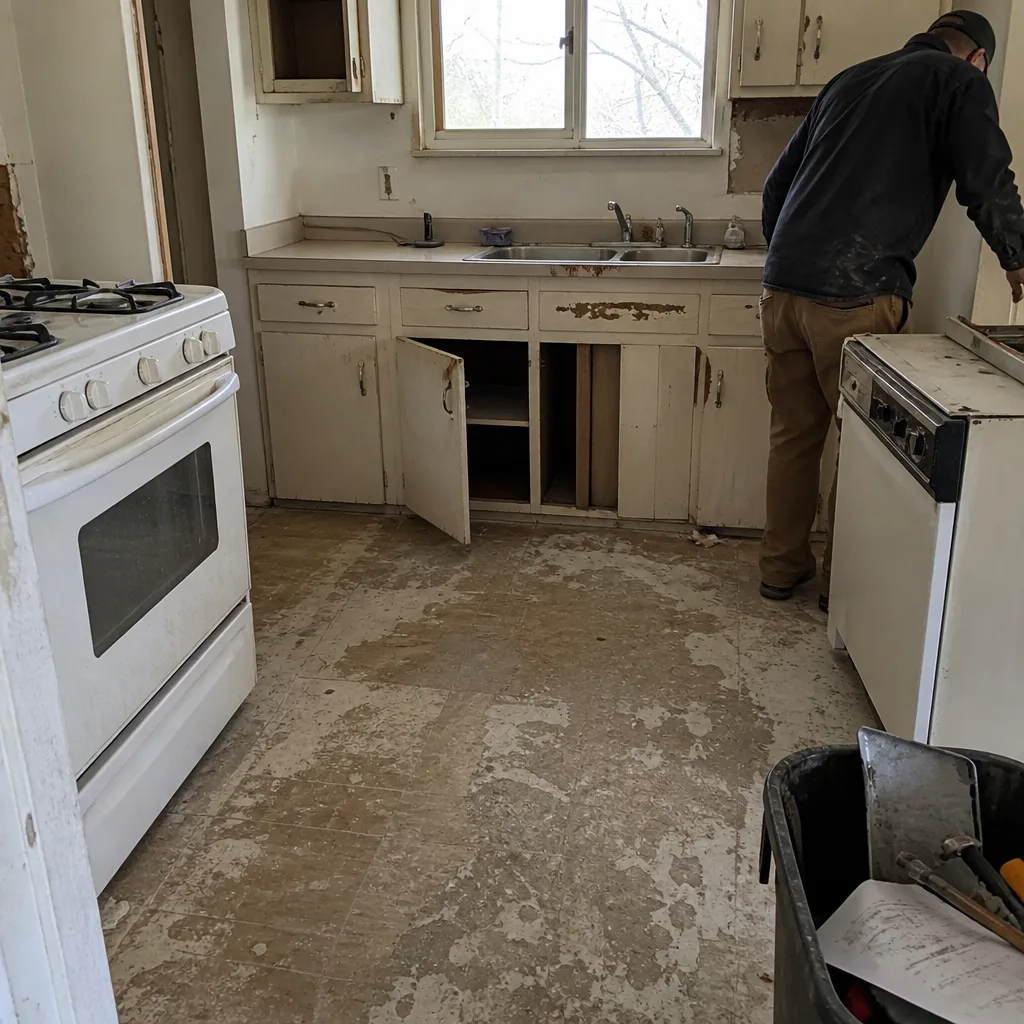 Before
 After
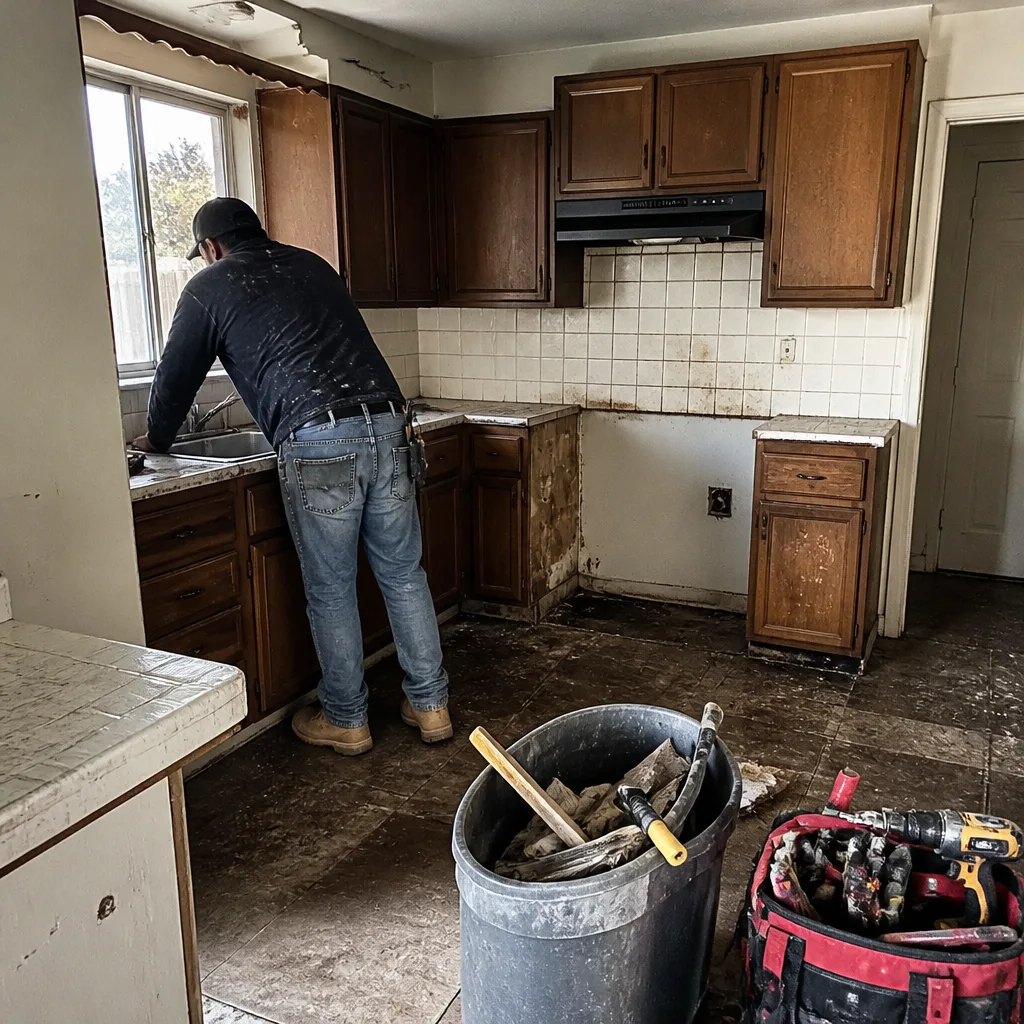 Before
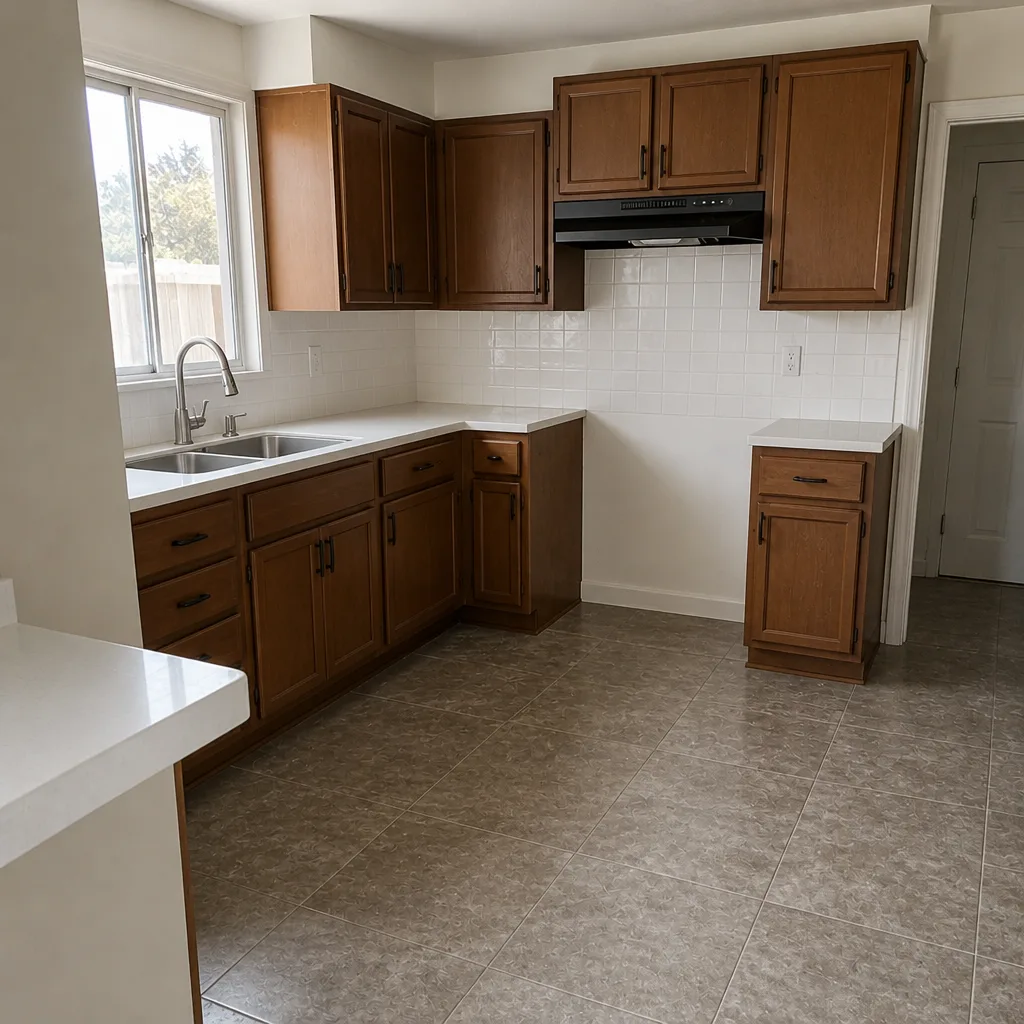 After
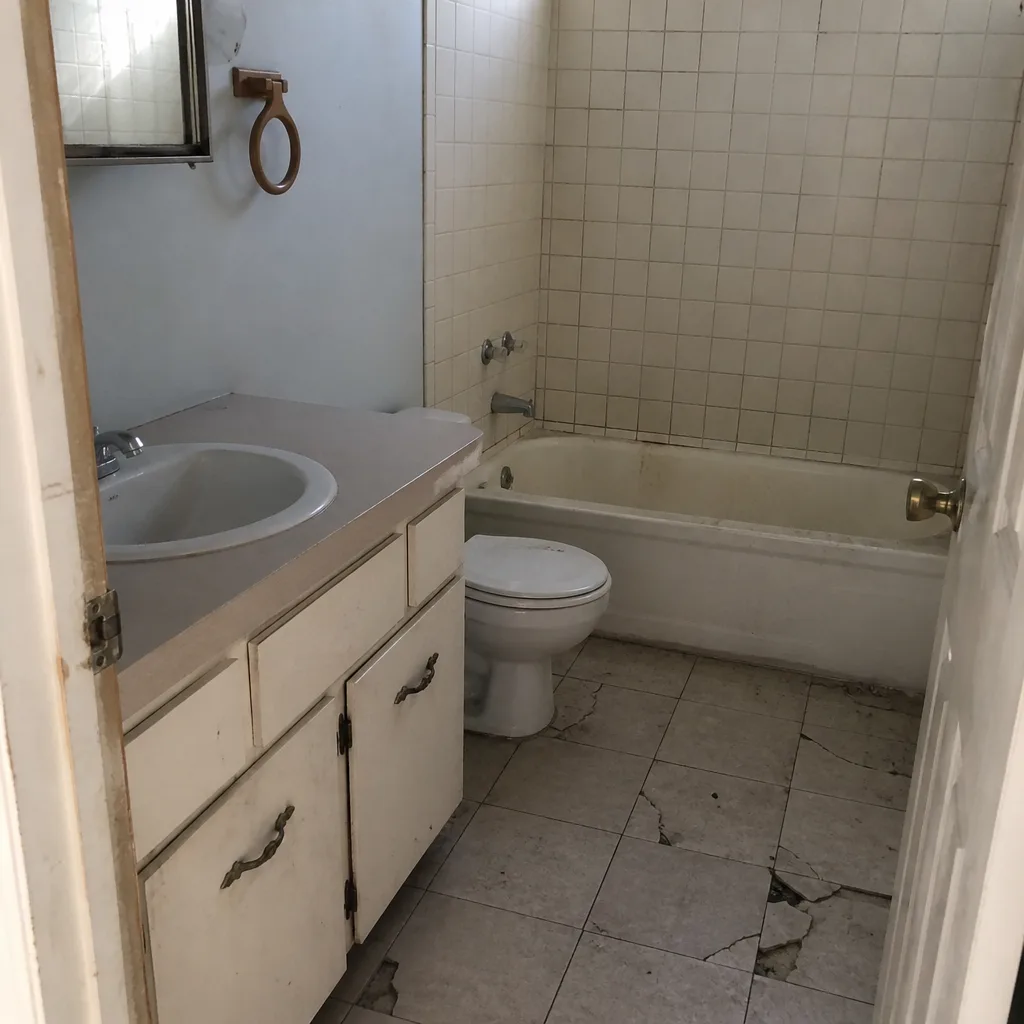 Before
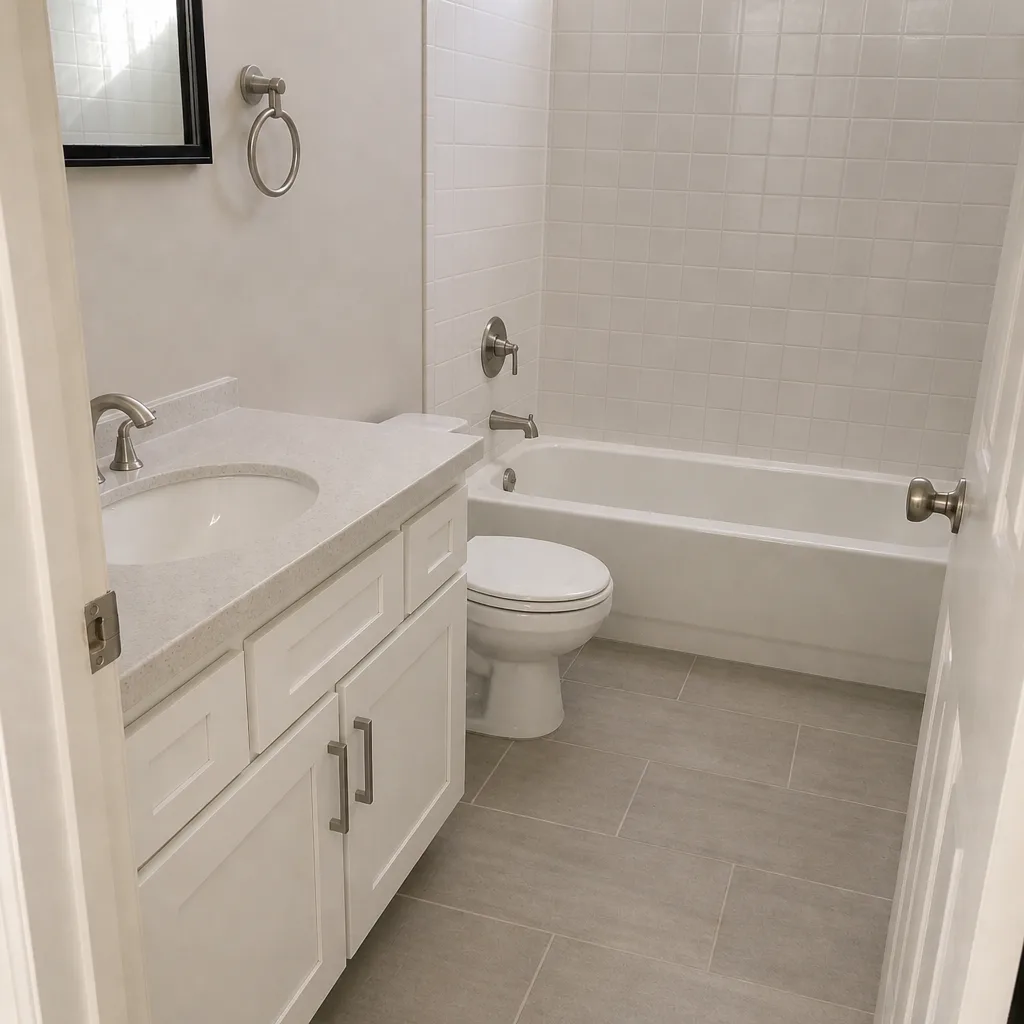 After
When to Call a Professional
Call a pro when you’ve spotted two or more mid-project warning signs at once: no crew on site for three days, no written schedule, a request for money outside the payment plan, or a subcontractor asking you when they’ll be paid. Call when a delay arrives with no call and no plan. Call when a bid lacked a written price in the first place and you’re already mid-project worried about the invoice. And call when you’re past day seven of a contractor ghosting you – the earlier the record starts, the stronger your position at the board. A background-checked technician walking the property and putting a written scope together is often the fastest way to understand what’s actually recoverable, and what’s not. Sawyer Remodel Enterprise offers free estimates in Enterprise – call (844) 797-5994.
Frequently Asked Questions

The biggest are ghosting (no contact or crew for 48 hours or more), requests for money outside the agreed payment schedule, subcontractors asking you directly when they’ll be paid, and a schedule that keeps slipping with no explanation. Any one is worth documenting. Two or more together usually means the contractor is overextended or in financial trouble. Call (844) 797-5994 for a free estimate from a contractor who puts the price in writing first.
A couple of quiet days during a phase where the crew is working on another site is normal. Silence about the schedule is not. The key question is whether you know what’s happening next. If you have a written schedule and the date is being met, quiet is fine. If you have no schedule and no update, that’s a warning sign. Call (844) 797-5994 if you want a second opinion on where the job actually stands.
Yes, usually, if the contractor has breached the contract – abandoning the job, refusing to provide a written scope, or demanding payment outside the agreement. You’ll want to send a written termination notice by certified mail and file a complaint with the Nevada State Contractors Board. Keep the paper trail: contract, photos, payment records, and every contact attempt. A free estimate from a qualified contractor can also give you a written picture of what would need to be redone. Call (844) 797-5994.
It’s a state fund that can reimburse homeowners who lose money to a licensed contractor who abandons a job or performs defective work, up to a statutory cap. Eligibility requires documentation: the contract, payment records, photos, and a filed complaint through the Nevada State Contractors Board. The cap is set by statute and reviewed periodically, so check the board’s website for the current figure before you file. Call (844) 797-5994 if you need a written assessment of the work left to do.
A bathroom remodel typically runs three to six weeks, and a kitchen remodel usually runs six to twelve weeks, depending on cabinetry lead times and permit schedules. Those are normal ranges – not promises. The warning sign isn’t a longer schedule, it’s a schedule that disappears. You should have a written timeline with dates attached to the contract. Call (844) 797-5994 for a free written scope and timeline for your specific project.
No, but you may want to consider it carefully, because an unpaid sub can file a mechanic’s lien against your property, and that lien can cloud your title until it’s resolved. Get a lien release from every sub before final payment. Never hand cash without a written waiver, because a direct payment without documentation can complicate your lien protections. Call (844) 797-5994 for a free estimate and a written payment structure you can hold to.
The Bottom Line
Most renovation problems show up early – long before the invoice, sometimes before the contract is signed. A vague bid, no written price, pressure to skip permits, and a contractor who won’t put the schedule on paper are the warning signs that echo forward. Once work is underway, watch for ghosting, requests for money outside the payment plan, unpaid subs, and delays that come with no plan. Document everything. File early with the Nevada State Contractors Board. And when you hire, choose a contractor whose price is in writing before the first tool comes out, whose technicians are background-checked, and whose phone gets answered by a person. That’s the standard we build every project around – the written price, live arrival times, before-and-after photo updates, and the 365-Day Done Right Promise. Call (844) 797-5994 to schedule your free estimate.
Written by the team at Sawyer Remodel Enterprise.