Last updated November 18, 2026


Free written scope consultation - allowances, timeline, and change-order rules on paper before a single trade is scheduled
Choosing the Right Construction Brand: A Buyer’s Guide for Enterprise
That tile brand your neighbor swore by in Portland will fade, crack, or bake in ways nobody warned them about. In Enterprise, material selection is an engineering problem before it’s a style problem. Desert UV, alkaline soil, and daily thermal swings of 40 degrees or more eliminate entire product categories that perform fine in wet, mild climates. Most buyers choose finishes first and discover the failure later, usually two summers in, when grout joints open and paint chalks. This guide covers what actually holds up here: paint chemistry, tile thermal ratings, stucco systems, lumber choices, and the questions that reveal whether your contractor knows the difference.
Quick Answer
The right construction brands for Enterprise are the ones engineered for high-UV exposure, alkaline soil, and extreme thermal cycling, not the ones with the best showroom finish. Prioritize exterior products with proven UV ratings and low thermal expansion, spec engineered wood over untreated lumber where soil contact is possible, and ask your contractor to name the exact product and explain why it suits desert conditions. If they can’t, that tells you more than any brochure.
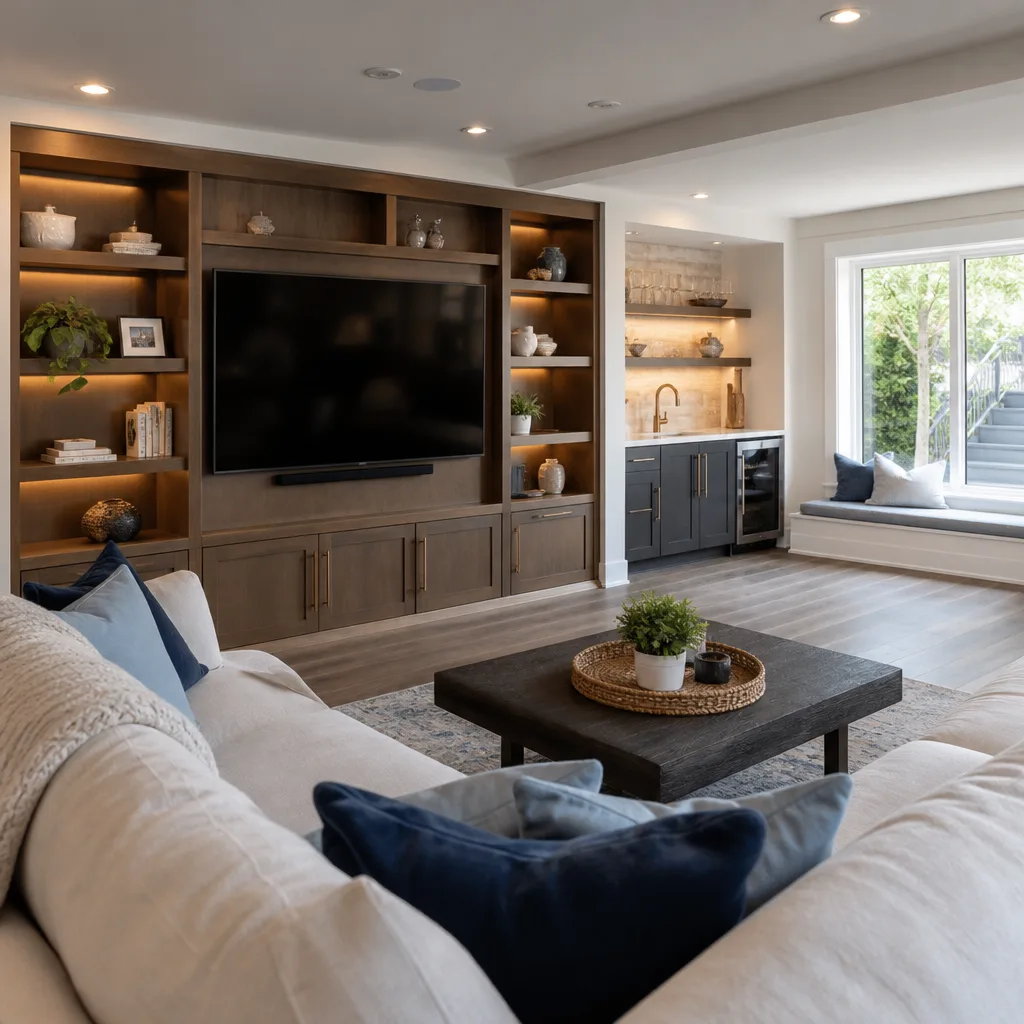
Styles & brands we work with
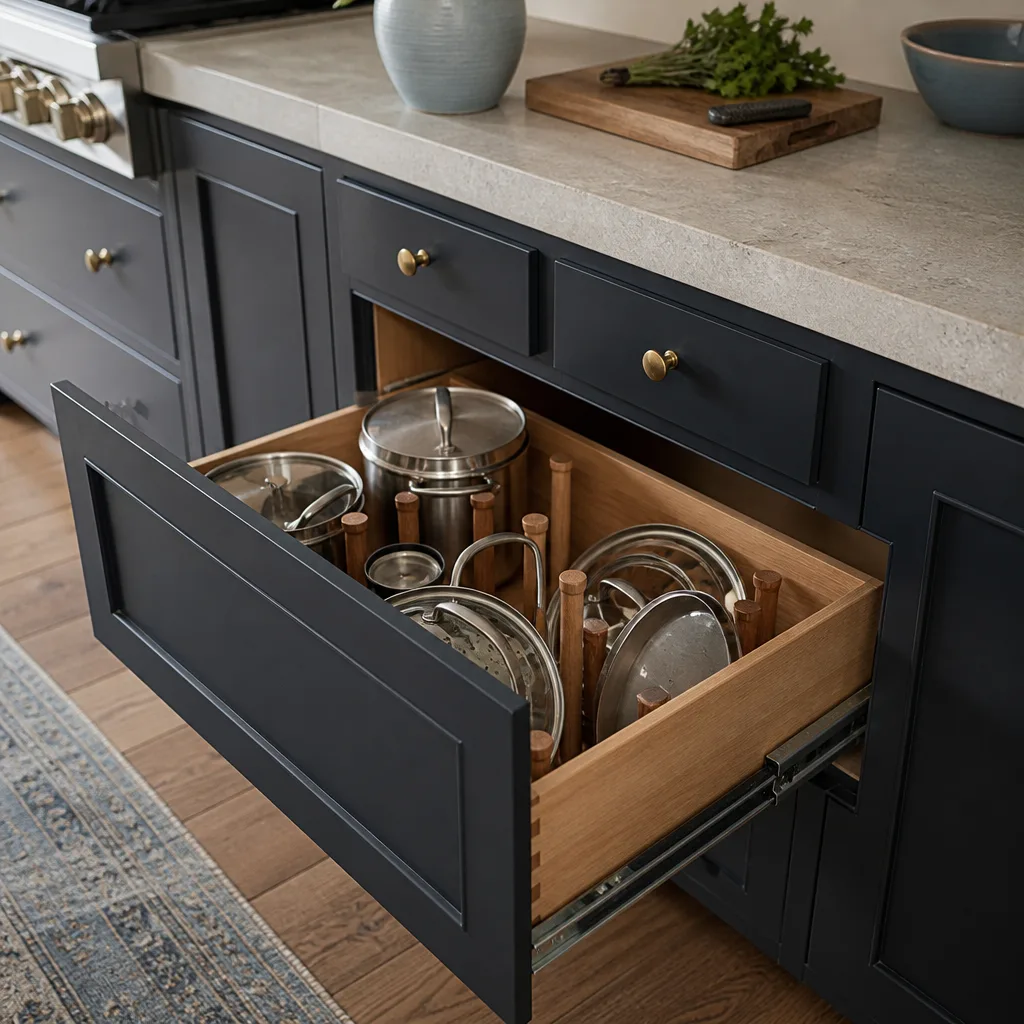
- Kitchen remodeling
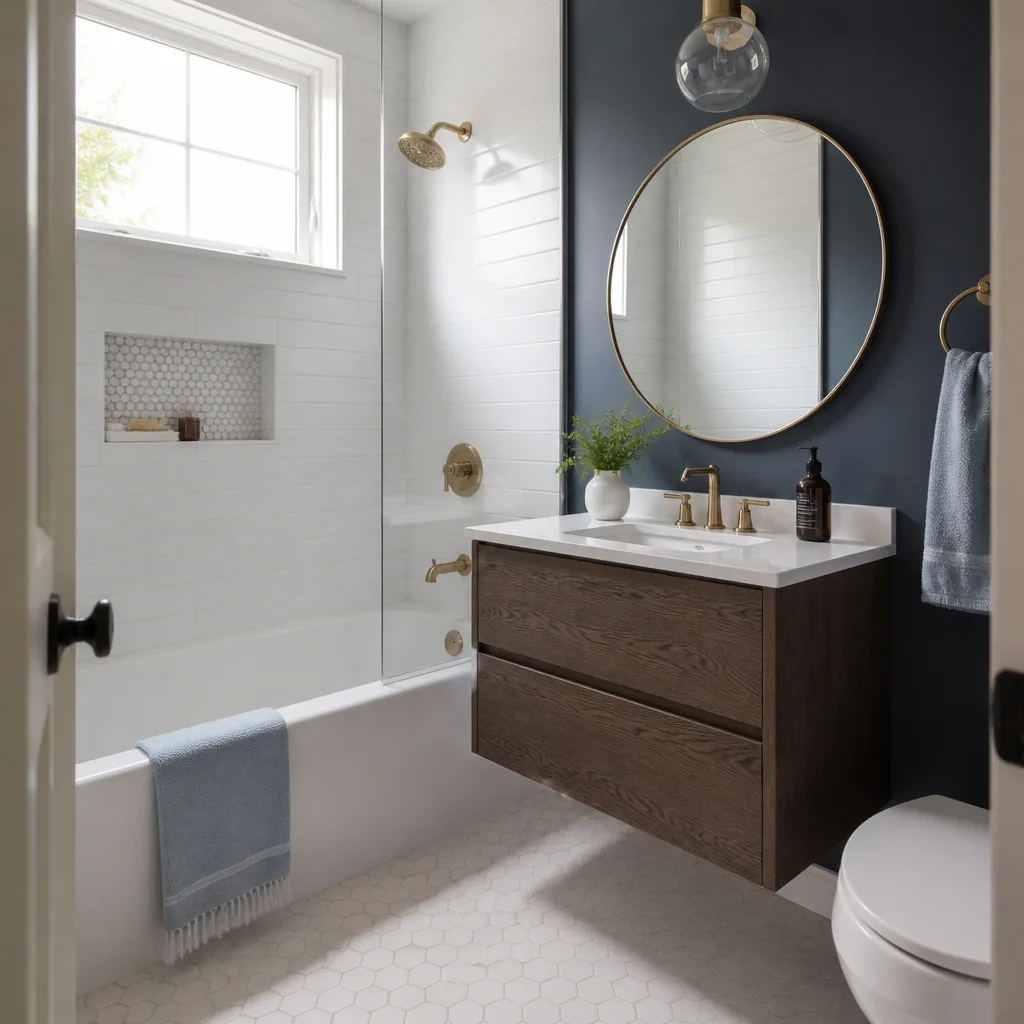
- Bathroom remodeling
- Home additions & ADU
- Roofing
- Windows & doors
- Driveway & pavers
- Fence
Table of Contents
- Quick Answer
- Exterior Paint: What UV Ratings and Titanium Dioxide Actually Mean
- Tile and Stone in Extreme Thermal Environments
- Stucco and Exterior Finish Systems: Three-Coat vs. One-Coat
- Lumber and Engineered Wood in Alkaline Soil and Low Humidity
- How to Read Your Contractor’s Brand Spec
- The Brand Families That Hold Up Here
- Common Mistakes to Avoid
- When to Call a Professional
- Frequently Asked Questions
Exterior Paint: What UV Ratings and Titanium Dioxide Actually Mean
Exterior paint in Enterprise fails from the top down. South- and west-facing walls take direct sun most of the day, and the UV load breaks down the resin binder faster than in almost any other climate. When the binder degrades, the paint chalks – it turns powdery and rubs off on your hand. That chalk layer then stops adhering properly, and the next coat peels within a few seasons.
The two numbers that matter on the label are titanium dioxide content and VOC rating. Titanium dioxide is the pigment that reflects UV rather than absorbing it; higher TiO2 content means the film holds its color and integrity longer under desert sun. VOC rating isn’t just an indoor air quality concern – in exterior formulations, it often signals the resin system. Lower-VOC acrylics tend to form more flexible films that expand and contract with the wall through the day-night cycle without cracking.
What to look for on a spec sheet:
- 100% acrylic resin rather than vinyl-acrylic blends – acrylics stay flexible through thermal cycling.
- TiO2 content stated or implied by “UV-resistant” or “fade-resistant” claims backed by a manufacturer warranty of 10 years or more.
- Elastomeric formulations on stucco walls, because stucco moves and a rigid paint will hairline-crack at the stress points.
- Manufacturer-backed color warranties – a paint company that stands behind fade resistance in writing is telling you something about its chemistry.
In our experience across Enterprise remodels, the paint brands sold at big-box stores and the brands specified by professional painters are often different product lines even under the same label. Ask which line, not just which brand. A premium exterior acrylic and a contractor-grade exterior acrylic from the same manufacturer can differ substantially in TiO2 load and warranty length.
Tile and Stone in Extreme Thermal Environments
Tile fails in Enterprise for one reason more than any other: thermal shock. When a surface heats to 140°F in afternoon sun and drops to 60°F overnight, every material in the assembly expands and contracts at a different rate. The number that predicts whether your grout joints survive is the coefficient of thermal expansion, usually written as CTE. Porcelain has a relatively low CTE and handles the swing well. Natural stone varies widely – some travertine and limestone move far more than the tile setter accounts for, and the grout joint becomes the failure point.
Grout joint integrity is the practical test. A properly specified exterior tile in Enterprise uses a flexible grout or an expansion joint at the perimeter and every 8 to 12 feet, because rigid grout over a moving substrate cracks. If a contractor proposes exterior tile with no expansion joints and standard cement grout, that’s not a style preference – it’s a predictable failure.
Step-by-step, how a competent tile spec gets built for this climate:
- Identify the exposure. Full-sun patio tile and shaded entry tile are different assemblies. Full sun means higher thermal load.
- Check the tile’s CTE and frost resistance. Porcelain rated for exterior use with a low CTE is the baseline. Stone needs individual review.
- Specify a flexible setting material. Modified thinset rated for exterior and high-temperature service.
- Plan expansion joints. Perimeter and field joints at the spacing the manufacturer requires, not whatever looks cleanest.
- Use a grout that flexes. Epoxy or flexible cement grout, sealed per the manufacturer’s schedule.
Stone countertops and interior tile don’t face the same swing, but the same logic applies to any tile that meets an exterior door or sits on a slab that gets sun. We’ve seen more than a few Enterprise kitchen remodels where a beautiful imported stone looked flawless at install and showed hairline cracks at the first summer. For interior work, the Kitchen Remodeling in Enterprise page covers how we spec surfaces against that risk.
Stucco and Exterior Finish Systems: Three-Coat vs. One-Coat
Stucco is the default exterior finish in much of Enterprise, and the choice between traditional three-coat and synthetic one-coat systems is where a lot of homeowners get steered by price alone. That’s the wrong filter. The two systems behave differently in desert sun, and the difference shows up in year five, not year one.
Traditional three-coat stucco is scratch coat, brown coat, and finish coat over metal lath and a weather barrier. It’s thick, it’s cement-based, and it’s dimensionally stable and vapor-permeable – which matters in a climate with big day-night temperature swings, because the wall assembly needs to dry. The tradeoff is labor and schedule; three-coat takes longer and costs more up front.
Synthetic one-coat systems use a polymer-modified base over the substrate with a reinforced mesh and an acrylic finish. They go on faster and cost less. In desert conditions, the acrylic finish coat handles UV well, but the base coat’s flexibility and the system’s moisture behavior depend heavily on the manufacturer and the installer’s detail work around windows, doors, and penetrations.
What to ask before you choose:
- Which system, and which manufacturer? A branded one-coat system with a published warranty is a different product from a generic bag mix.
- How are the window and door returns detailed? These are the leak points, and the detail matters more than the base coat.
- What’s the finish coat’s UV rating and warranty? Acrylic finishes with a manufacturer fade warranty hold color longer.
- Is there a drainage plane? In a climate with occasional heavy monsoon rain, the wall needs a way for water to escape behind the stucco.
Neither system is wrong. The wrong choice is an unbranded one-coat slapped on without a weather barrier behind it, because that’s the assembly that cracks and stains at the first hard rain. For full exterior scopes, the General Contractor in Enterprise page walks through how we sequence stucco with roofing and siding so the wall assembly is one system, not three trades guessing.
Lumber and Engineered Wood in Alkaline Soil and Low Humidity
Two things about Enterprise catch lumber installers off guard: the soil is alkaline, and the air is dry. Alkaline soil is corrosive to unprotected metal fasteners and accelerates the decay of wood in ground contact. Low humidity causes lumber to shrink and check as it dries on site, which means a board that was straight at delivery can cup and split within weeks. Together, those two conditions change which material belongs where.
For any wood that touches soil or sits near it – deck posts, fence posts, exterior stair stringers – the baseline is pressure-treated lumber rated for ground contact, and the fasteners need to match. Galvanized or stainless fasteners are the standard because alkaline soil eats plain steel. Better still, engineered options like composite decking and aluminum or steel framing avoid the soil-contact problem entirely for decks and railings.
For framing and exterior trim, engineered wood products and properly specified kiln-dried lumber reduce the shrinkage and checking problem. Exterior trim is a common weak point: a lot of trim sold as exterior-rated is actually a composite that swells and delaminates when it takes on moisture, and the dry-then-wet cycle here is hard on it. Cement-based and cellular PVC trim products hold up better and don’t need paint to survive.
Window and door selection sits in the same category. In a climate where a south-facing wall can hit 140°F, the frame material and the glass package matter. Brands like Therma-Tru for entry doors and ES Windows or ECO Window Systems for impact-rated glazing are built around the assumption that the product will face hard sun and occasional wind events, which is exactly the assumption Enterprise requires. For deck and framing scopes, engineered wood over site-dried lumber is the safer spec.
How to Read Your Contractor’s Brand Spec
Asking your contractor which brand they spec is the single most revealing question you can ask. A real answer comes with a reason. A deflection comes with a vibe. And the difference tells you whether the person quoting your job actually understands this climate or is applying a spec sheet from somewhere wetter.
Here’s what a competent answer sounds like: “We use a 100% acrylic exterior paint with a fade warranty because the previous generation of vinyl-acrylics chalked out here in three years.” Or: “We spec porcelain over travertine for the patio because the CTE on that stone is too high for the daily swing.” The specific product name, the reason, and a consequence – that’s the pattern.
The follow-up questions that separate a real answer from a deflection:
- “Why that product instead of the alternative?” A real answer names the climate or the failure mode.
- “What’s the manufacturer’s warranty, and what does it cover?” Vague warranties are a red flag. Product warranties should be in writing.
- “Have you installed this in Enterprise before?” Local installation experience is the whole point.
- “What happens if it fails in year two?” This reveals whether the contractor stands behind the spec or hands you the manufacturer’s phone number.
- “What’s the total assembly, not just the finish?” A good paint over a bad substrate still fails. Ask about prep.
When a contractor answers all five without hesitating, you’re talking to someone who has done the work here. When they answer with “it’s all the same stuff” or change the subject to price, that’s your answer. The Relay Standard exists for exactly this – a written price, a named product, and before-and-after photos so you can see what was actually installed.
The Brand Families That Hold Up Here
You don’t need to memorize spec sheets. You do need to recognize the brand families that build for hard environments, because their product lines are engineered rather than marketed. A few categories matter most in Enterprise.
Exterior paint and finishes: 100% acrylic lines from major manufacturers, specified with a fade warranty. The brand matters less than the line within the brand – always ask which line.
Doors and windows: Therma-Tru entry systems and manufacturers like ES Windows and ECO Window Systems build for sun and impact exposure. In a climate with monsoon-season wind, an impact-rated window package is a meaningful upgrade, not just a marketing feature.
Roofing and exteriors: GAF and Owens Corning shingles carry manufacturer warranties that assume UV load; James Hardie fiber cement siding is dimensionally stable under heat and doesn’t rot the way wood trim does. On the interior side, Cambria and Caesarstone quartz surfaces handle heat and don’t need sealing the way natural stone does.
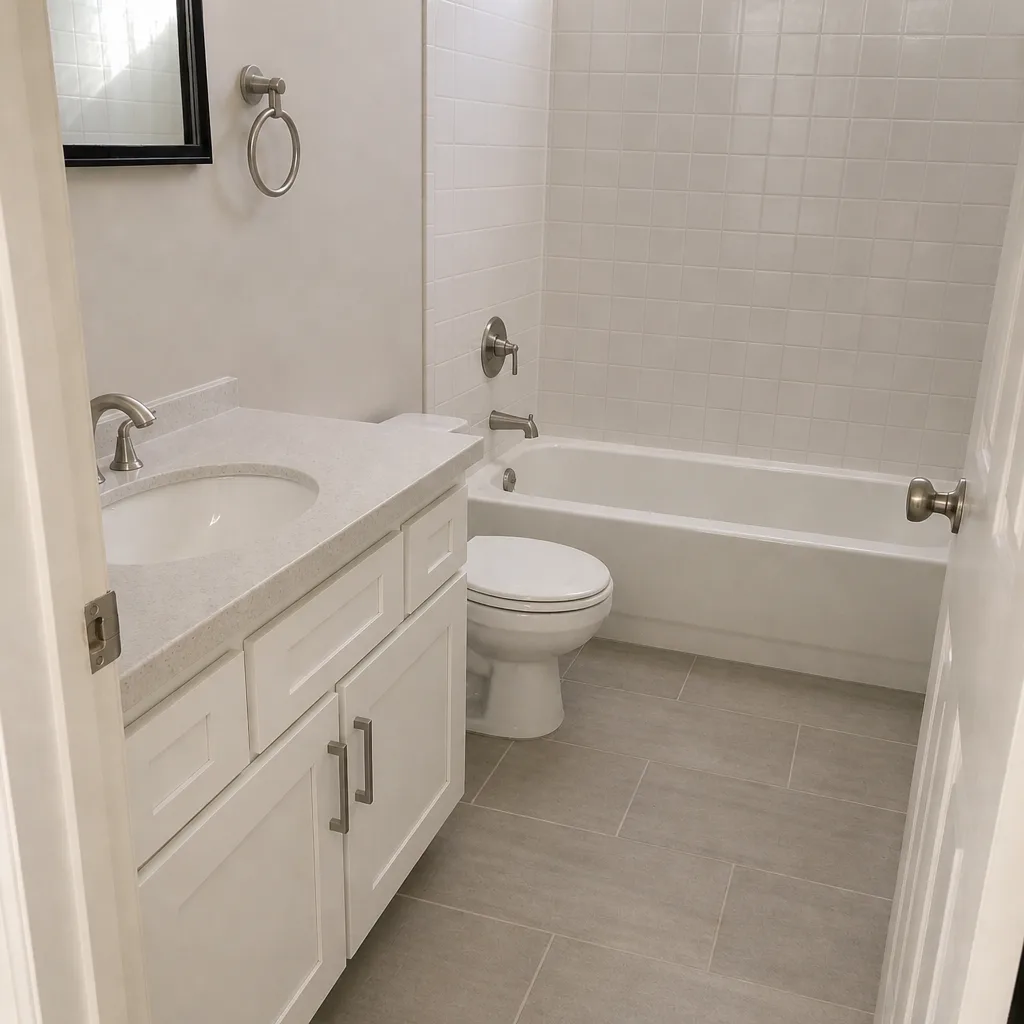
Cabinetry and fixtures: KraftMaid, Wellborn, Kohler, Toto, Moen, and Grohe all publish finish and performance warranties that mean something in a dry, hot climate. For bathroom scopes, the Bathroom Remodeling in Enterprise page shows how we tie fixtures and surfaces to a single warranty-backed spec.
The pattern across all of these: brand-name products with manufacturer backing, installed per the manufacturer’s instructions, so the warranty is worth the paper it’s printed on.
Common Mistakes to Avoid
- Choosing materials by showroom finish alone. That beautiful tile or paint chip may fail in Enterprise’s UV and thermal swing. Spec the product against the climate, then pick the color.
- Skipping expansion joints on exterior tile. Rigid grout over a moving slab is a guaranteed crack. The joint isn’t ugly – the crack is.
- Using plain steel fasteners in alkaline soil. They corrode fast and fail the wood they’re holding. Galvanized or stainless, no exceptions.
- Accepting an unbranded one-coat stucco. Generic bag mixes without a manufacturer warranty are the assemblies that crack and stain first.
- Buying “exterior trim” that’s really an interior composite. It swells and delaminates under the dry-wet cycle. Cement-based or cellular PVC holds.
- Letting the contractor choose the product line without asking which one. The brand on the bucket and the line inside the bucket are different decisions, and the line is what performs.
- Trusting a verbal spec. If it isn’t written down, it’s a suggestion. Ask for the product names and line items in your estimate.
When to Call a Professional
Some material decisions are judgment calls you can make on your own – a paint color, a fixture finish. Others involve assemblies that fail invisibly and expensively if speced wrong: exterior tile over a slab, stucco over a wall assembly, any wood that touches alkaline soil, and window and door packages in high-UV exposure. Those decisions need someone who has installed the product in Enterprise and watched it through a few summers.
If you’re planning a bathroom or whole-home scope and the material spec is still a question mark, that’s the moment to bring in a contractor. Sawyer Remodel Enterprise offers free estimates in Enterprise – call (844) 797-5994. You’ll get a written price and a named product spec before any tool gets picked up. Our technicians have up to 21 years of experience with desert-climate construction, and every project runs under The Relay Visibility Guarantee: a live arrival time, before-and-after photo updates, and a written price that doesn’t change at the door.
Frequently Asked Questions
The best brands are the ones engineered for high UV, alkaline soil, and thermal cycling: 100% acrylic exterior paints with fade warranties, porcelain tile with low thermal expansion, branded one-coat or traditional three-coat stucco systems, and manufacturer-backed products from GAF, James Hardie, Therma-Tru, and comparable brands. Match the product line to the climate, not just the label. Call (844) 797-5994 for an exact quote – estimates are free.
Desert UV breaks down the paint’s resin binder faster than in milder climates, and that’s what causes chalking and peeling. High titanium dioxide content reflects UV, and 100% acrylic resins stay flexible through daily temperature swings. Ask which product line, not just which brand, and confirm the fade warranty in writing.
Yes, but the thermal expansion rating matters more than the brand. Porcelain handles the daily 40-degree swing well; some natural stone moves enough to crack standard grout. The installation detail – expansion joints every 8 to 12 feet and flexible grout – matters as much as the tile itself. A good installer will tell you that before you pick the color.
Not necessarily, but a branded one-coat system with a manufacturer warranty and a proper weather barrier behind it is a different product from a generic bag mix. Ask which manufacturer, how window and door returns are detailed, and whether there’s a drainage plane. Those details separate a system that lasts from one that cracks.
Not with a written, line-item estimate. The price you approve is the price on the invoice, and that’s how every Sawyer Remodel Enterprise project runs. Material upgrades are quoted before they’re installed, never after. Call (844) 797-5994 to schedule your free estimate.
Yes. Permits get pulled and inspections get passed as part of the scope, and the material spec goes on the permit documents. Every project also carries the 365-Day Done Right Promise, backed in writing, so if something isn’t done right, we make it right. Estimates are free – call (844) 797-5994.
The Bottom Line

Choosing construction materials in Enterprise starts with the climate, not the catalog. UV exposure, alkaline soil, and thermal cycling decide which products last and which fail early, and brand choice is only useful when it maps to those conditions. Spec paint by TiO2 content and resin type, tile by thermal expansion and grout flexibility, stucco by system and warranty, and lumber by soil contact and fastener compatibility. Then ask your contractor which product line they spec and why – the answer tells you everything. Start with a written price and a named spec from Sawyer Remodel Enterprise home. Call (844) 797-5994 for a free estimate.
Written by the team at Sawyer Remodel Enterprise.
See the difference
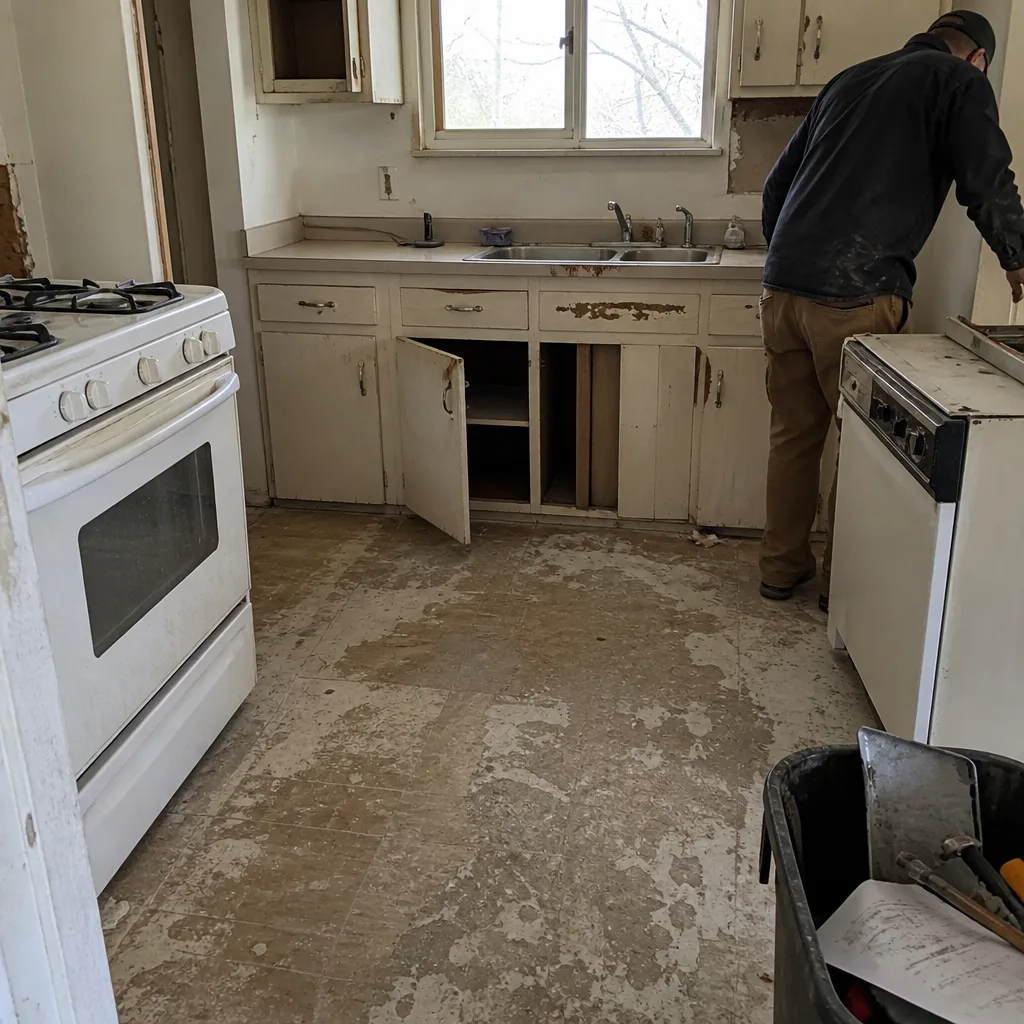 Before
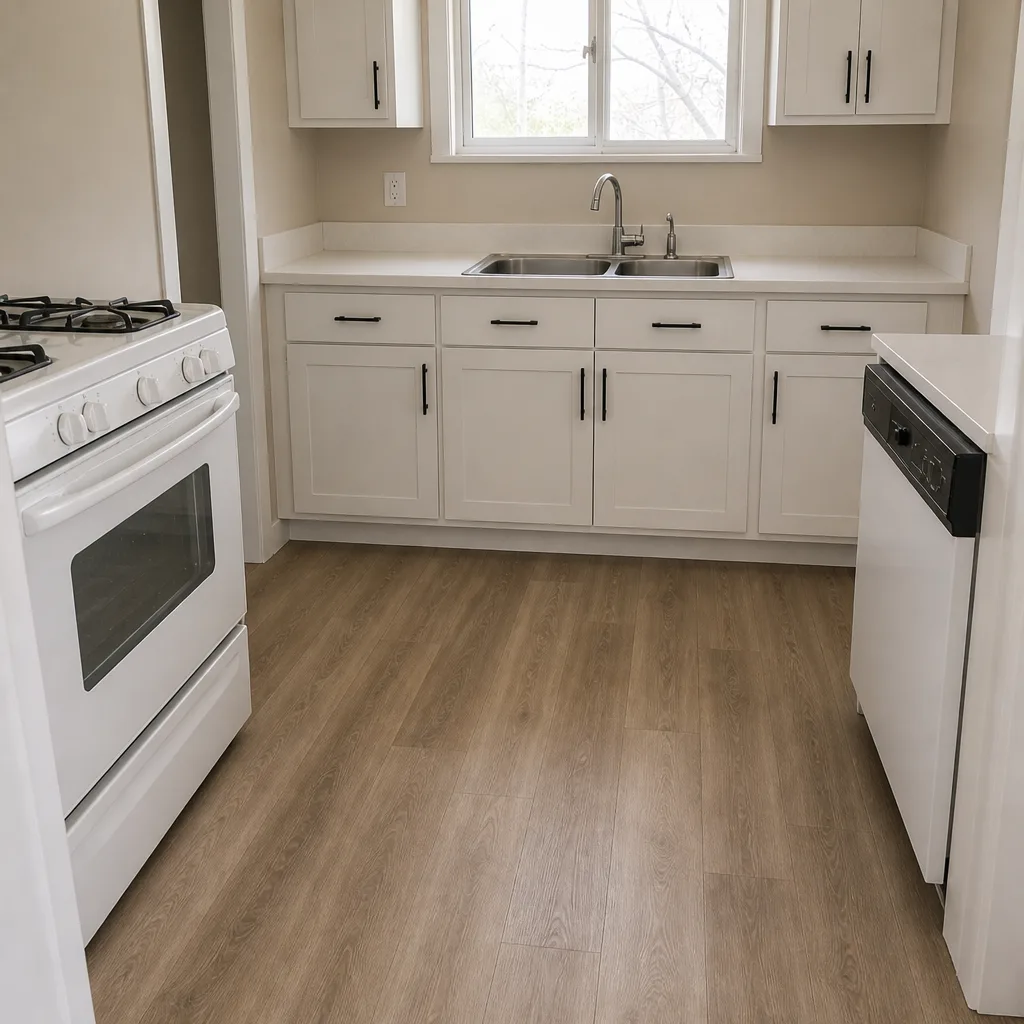 After
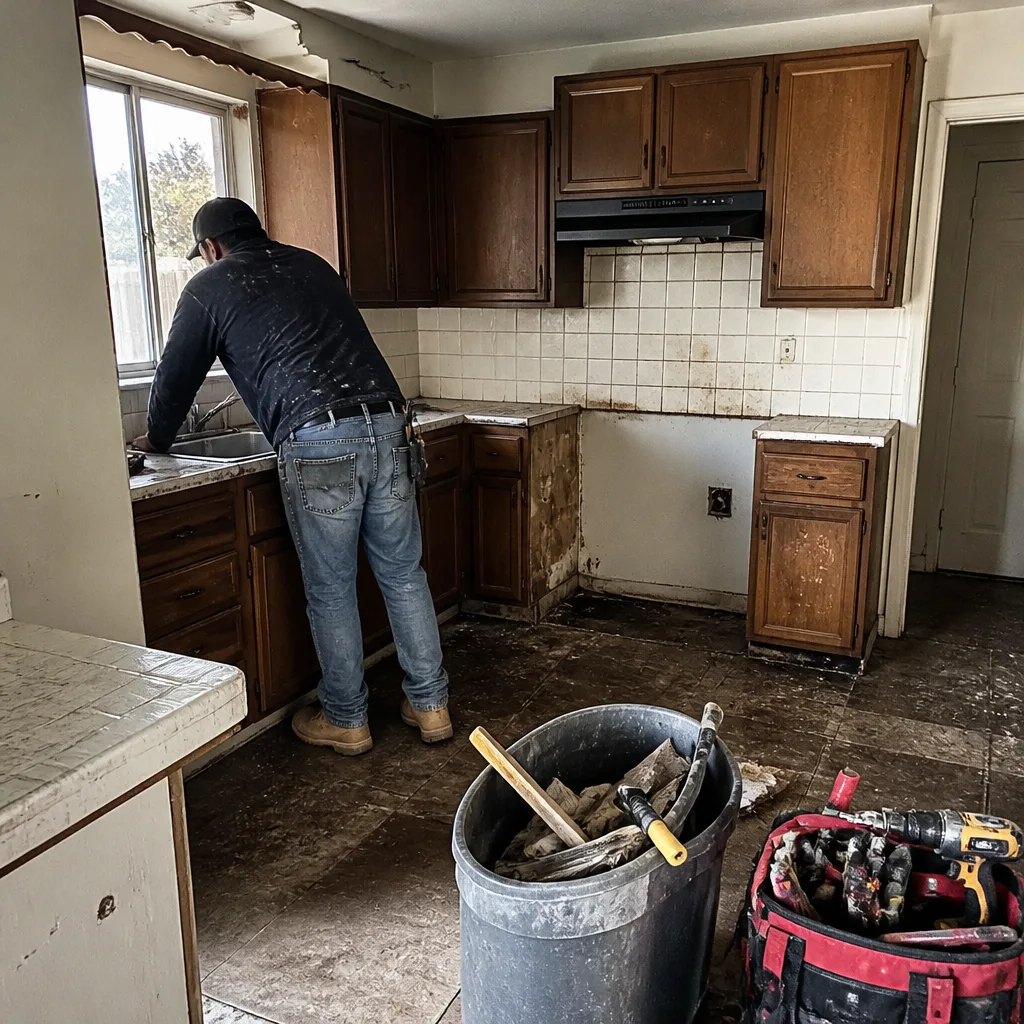 Before
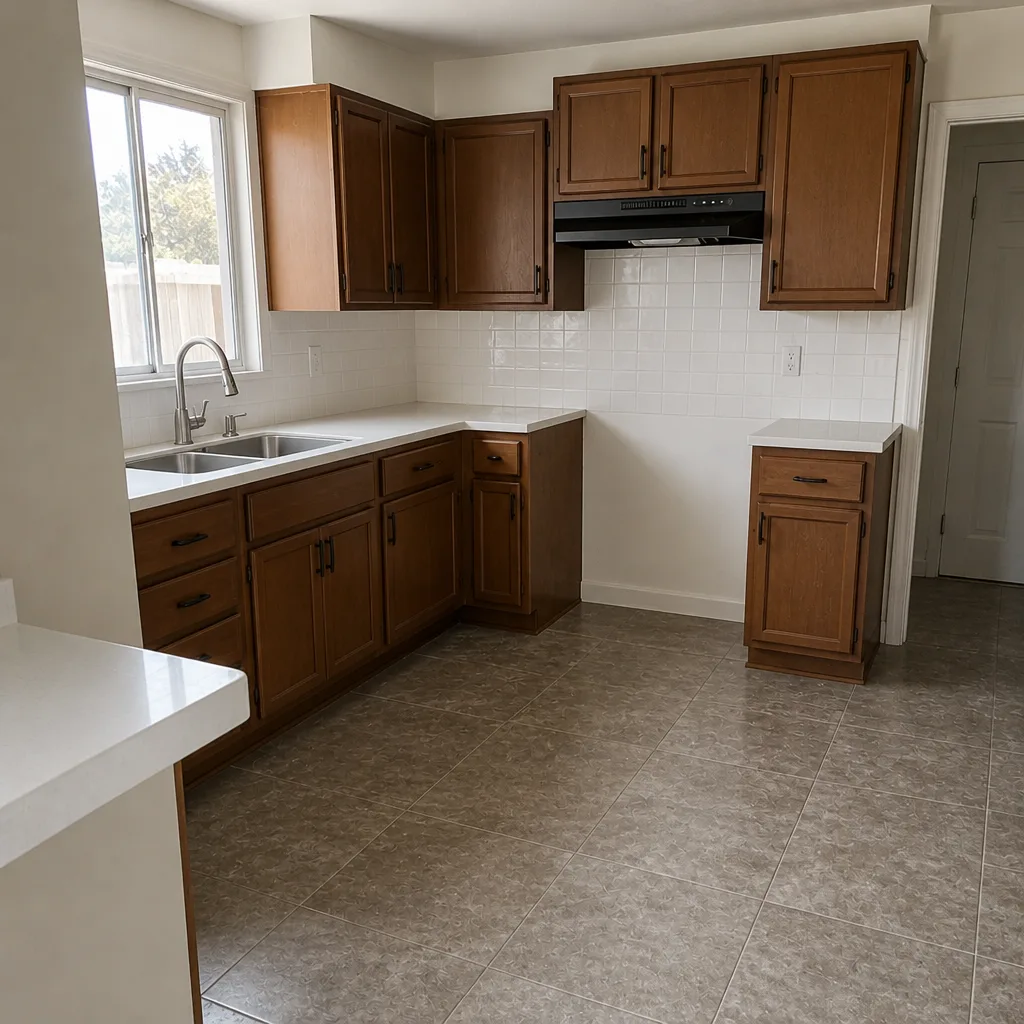 After
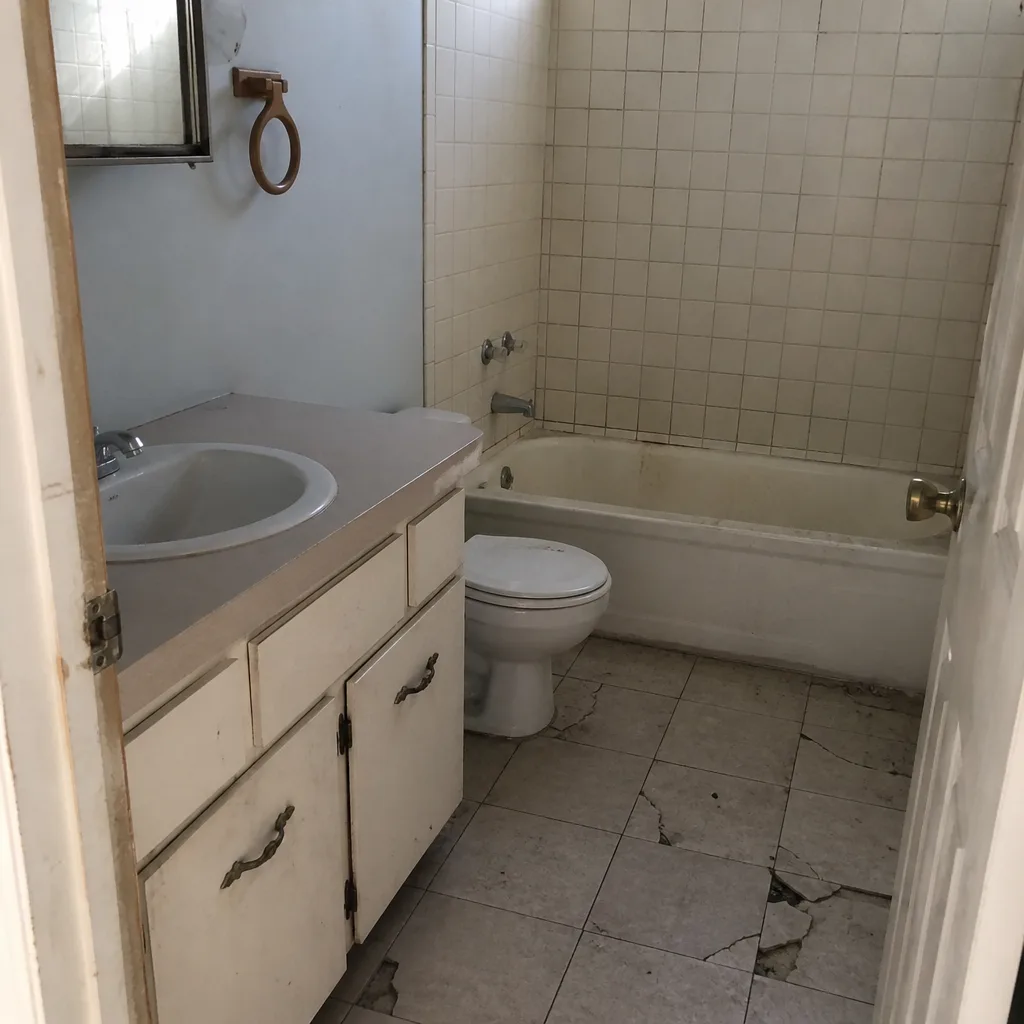 Before
 After