Last updated November 18, 2026








Free written scope consultation - allowances, timeline, and change-order rules on paper before a single trade is scheduled
The Complete General Contractor Guide for Enterprise Homeowners
Enterprise has no incorporated city government. That single fact changes how you hire a contractor here, and almost nobody talks about it. There’s no city building department issuing its own contractor license, which means the only license database that matters for an Enterprise homeowner is the Nevada State Contractors Board. Most people find that out after a bad experience, not before. This guide gives you a zip-code-specific framework: how state licensing actually works, why proximity to Las Vegas shapes which contractors treat your job seriously, what Clark County requires for permits, and what a written scope has to say to hold up. We’ll walk it start to finish.
Quick Answer
To hire a general contractor in Enterprise, NV, verify the contractor’s license directly on the Nevada State Contractors Board website before signing anything, confirm the license class matches your project type, and demand a written scope of work with a fixed price. Because Enterprise isn’t an incorporated city, Clark County issues the building permits, and the licensed contractor is legally responsible for pulling them. Any GC who asks you to pull your own permit is handing you the liability.
Styles & brands we work with
- Kitchen remodeling
- Bathroom remodeling
- Home additions & ADU
- Roofing
- Windows & doors
- Driveway & pavers
- Fence
Table of Contents
- How Nevada State Contractors Board Licensing Works
- How to Verify a GC Before You Sign
- Why Enterprise Jobs Get Treated as Filler Work
- Clark County Permits and Who Pulls Them
- What a Written Scope of Work Must Include
- Communication Standards to Demand
- Enterprise Climate and Construction Realities
- Managing the Job From First Call to Final Walkthrough
How Nevada State Contractors Board Licensing Works
The Nevada State Contractors Board (NSCB) is the agency that licenses and regulates contractors across the entire state. In a city with its own government and building department, you’d have a second layer of local oversight. Enterprise doesn’t have that. The NSCB is your whole safety net, which makes understanding it non-negotiable.
Every licensed contractor in Nevada holds a specific license classification. A Class B license covers general building construction. Specialty trades like electrical, plumbing, and HVAC carry their own separate licenses. This matters because a GC working on your Enterprise remodel may legally subcontract the electrical and plumbing out, but those subs must hold their own valid licenses too. You can check every one of them in the same database.
The NSCB license lookup shows you several things that should influence your decision:
- License status – active, suspended, or revoked. An active license is the only acceptable answer.
- License classification – does it match your project scope?
- Bonding and insurance on file – Nevada requires contractors to carry a surety bond and proof of insurance to hold a license.
- Disciplinary history – complaints and actions are public record.
- Monetary limit – Nevada licenses carry a maximum contract value. If your project exceeds it, the contractor can’t legally take the job.
That last point catches people off guard. A contractor with a low monetary limit can’t legally sign a contract above it. If someone quotes you a whole-home renovation on a license capped far below the contract price, you’re looking at an unlicensed job in the eyes of the state, and you lose your recourse when something goes wrong. Confirm the limit covers your budget before you talk numbers.
How to Verify a GC Before You Sign
Verification isn’t a phone call to a reference. It’s a ten-minute process on the NSCB website, and you should do it yourself rather than trusting a screenshot the contractor sends. Here’s the sequence we recommend to every Enterprise homeowner.
- Pull the license number from the written bid, not from a business card. The number should appear on the contract and the estimate. If it’s missing, ask for it in writing.
- Search the NSCB database directly. Enter the license number and confirm the legal business name matches the name on your contract. Mismatches happen more than you’d think.
- Check the status and expiration date. An expired license on the day you sign is the same as no license.
- Confirm the classification covers your work. General building for a remodel, specialty licenses for the trades underneath.
- Verify the monetary limit exceeds your contract price. Ask the contractor directly what their limit is, then confirm it on the site.
- Read the disciplinary history. One old complaint isn’t a disqualifier. A pattern of unresolved complaints is.
- Ask for a certificate of insurance naming you as certificate holder. Then call the insurer to confirm it’s current. A certificate is easy to fake; a phone call to the carrier isn’t.
If a contractor gets defensive about any of this, that’s your answer. A legitimate general contractor in Enterprise expects you to check and will hand you the numbers to do it. We’d rather you verify us than wonder.
Why Enterprise Jobs Get Treated as Filler Work
Enterprise sits directly south of the Las Vegas Strip corridor, minutes from some of the largest commercial construction in the country. That geography works against homeowners in a way that’s rarely discussed. A contractor who mostly chases Strip-adjacent commercial work can take a residential remodel in Enterprise as filler between bigger jobs, and the job gets whatever attention is left over.
You’ll spot this pattern in specific signals. The crew shows up in bursts and then disappears for a week with no communication. Your project manager is a different person each visit. Change orders appear because nobody measured the site before ordering materials. The schedule slides because your job is low on the priority list.
Screen for it early with direct questions:
- “How many active residential projects do you have running right now?” A specific number with names of neighborhoods is a healthy sign.
- “Who is my single point of contact, and will that person answer on a weekday afternoon?” Vague answers mean you’ll be chasing.
- “What’s your typical residential job schedule, and how many of those are in the Las Vegas valley vs. commercial?” A residential-heavy book means residential is the business, not the filler.
- “Can I speak with two homeowners you finished in the last six months within a short drive?” Recent, local, verifiable references tell you whether residential work is real to them.
Enterprise’s tight-knit residential market is a small contractor pool, and that cuts both ways. Word gets around fast here, so a contractor who treats local jobs well has a reputation worth protecting. Ask around at your HOA meeting or your neighborhood group before you ever call. A GC who has done work on your street is a stronger signal than any brochure.
Clark County Permits and Who Pulls Them
Here’s the structural fact Enterprise homeowners need to internalize: building permits come from Clark County, not any Enterprise municipal office, because Enterprise is an unincorporated town governed by the county. The Clark County Department of Building & Fire Prevention handles permitting for the area.
Common Enterprise projects that need a permit include:
- Bathroom remodels that relocate plumbing, electrical, or add ventilation
- Kitchen remodels involving new circuits, gas line changes, or wall removal
- Any structural alteration, including load-bearing wall removal
- Room additions, garage conversions, and patio enclosures
- Water heater replacement and panel upgrades
- Pool and spa installation or major modification
Cosmetic work like repainting, refacing cabinets, or swapping a faucet usually falls below the threshold, but the line isn’t always obvious. When in doubt, the permit costs far less than the fix.
The licensed contractor pulls the permit. In Nevada, the permit is tied to the licensed contractor, not the homeowner. If a GC asks you to apply for a homeowner permit so they can do the work, walk away. That arrangement shifts the inspection responsibility onto you and can void your recourse if the work fails inspection. You’ll also want the contractor to show you the final inspection sign-off before you make the last payment, and your written scope should say so. A thorough bathroom remodeling in Enterprise project, for instance, involves permits for the plumbing rough-in and electrical that a homeowner should never be pulling themselves.
What a Written Scope of Work Must Include
A handshake estimate is not a contract, and in Nevada it won’t protect you. A written scope of work is the document that makes your agreement enforceable and your price defensible. If it’s vague, the contractor has room to charge you for every interpretation. If it’s specific, you have ground to stand on.
A Nevada-ready scope of work should contain all of the following in writing:
- Full legal names and addresses of both parties, plus the contractor’s NSCB license number.
- A line-item description of the work room by room, with quantities and dimensions. “Remodel bathroom” is not a scope. “Remove and replace 60-inch tub with 60-inch shower pan, Schluter edge trim (the metal strip that waterproofs where your tile meets the floor), 12×24 porcelain on walls” is a scope.
- Named materials and brands with model numbers where they matter. Surfaces from Cambria or Caesarstone, fixtures from Kohler or Moen, cabinetry from KraftMaid or Wellborn. Name-brand means manufacturer backing on the install, and it removes the “we’ll pick something comparable” loophole.
- A fixed price and a payment schedule tied to milestones, not to a large deposit up front. Nevada limits how much a contractor can collect as a down payment on residential work, so verify the terms comply.
- Who pulls the permit and who pays for it, stated explicitly.
- The start date, a completion estimate, and what happens if the schedule slips.
- A warranty and a written change-order process so any added cost requires your signature before the work proceeds.
- A three-day right to cancel as required under Nevada law for certain home solicitation contracts, plus the standard notice language.
If you’re pricing a kitchen, our guide to kitchen remodeling in Enterprise breaks down what line items should cost so you know whether the scope matches the money. Never sign a scope you don’t fully understand. Ask for the plain-English version of any term.
Communication Standards to Demand
Most contractor complaints aren’t about craftsmanship. They’re about silence. The work was fine, but the homeowner spent three weeks chasing a text reply and never knew when anyone was coming. On a project where you’re living in the house, that silence is the real source of stress.
We run every project under The Relay Visibility Guarantee: a written price before work starts, a live arrival time so you know when to expect the crew, and before-and-after photo updates so you can see progress without being home. That model exists because it’s what homeowners should expect, and you can demand the same from any GC you hire in Enterprise. Here’s the standard to hold them to:
- A written price before tools come out. The number on the final invoice should match the number you approved. No surprise line items.
- A live arrival time or a text before the crew leaves for your house. Four-hour arrival windows waste your day.
- Photo updates at each phase, before and after key milestones, so you’re not guessing what’s happening behind the plastic sheeting.
- A live person answering the phone during business hours. A voicemail loop is a red flag on a project with money in it.
- A written guarantee on the finished work, with a clear remedy if something fails.
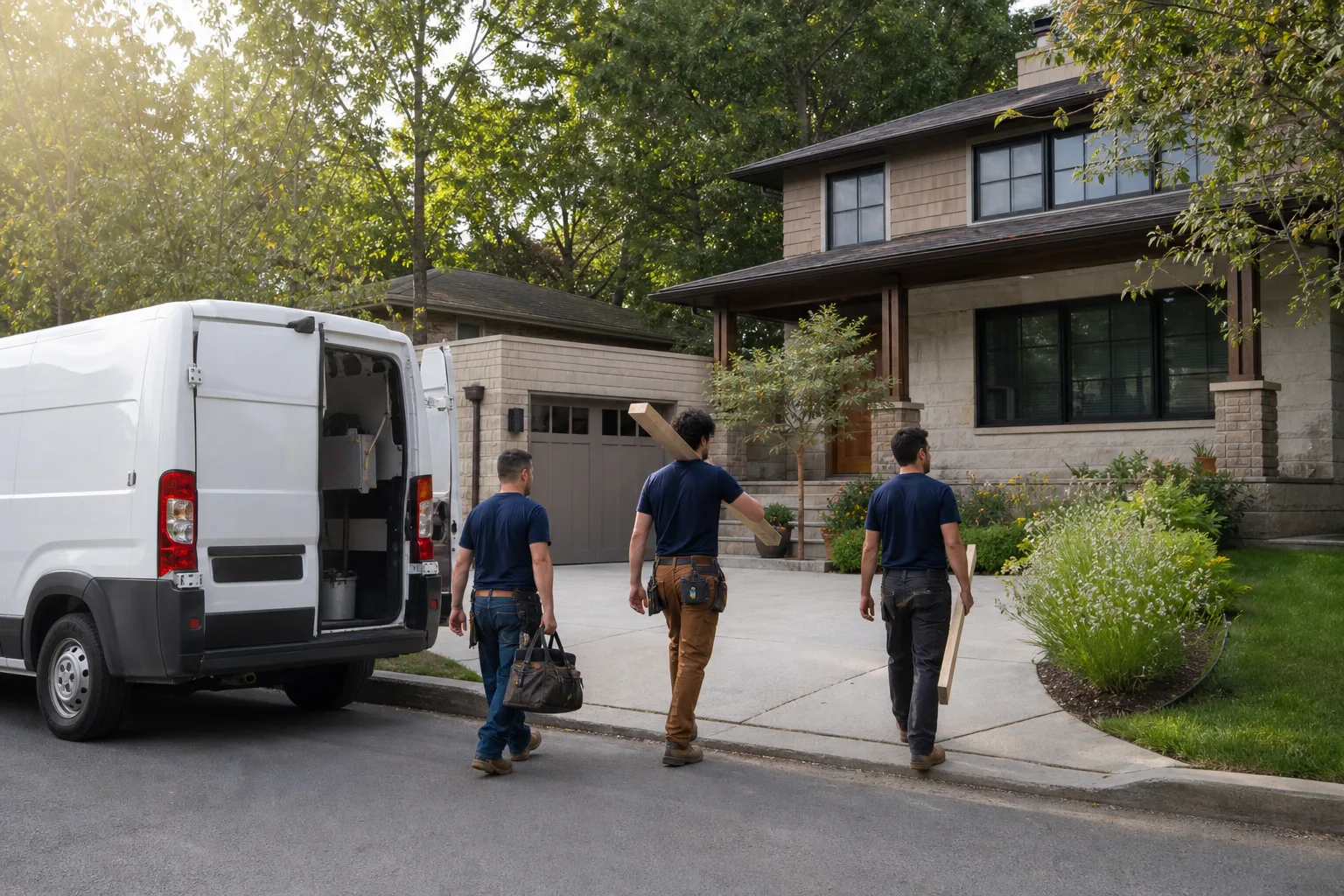
Background-checked technicians who show up in uniform matter too. You know exactly who is walking into your home before they arrive, which is basic respect on a job where a stranger has keys to your house for weeks.
Enterprise Climate and Construction Realities
Enterprise’s climate shapes which remodel choices age well and which ones fail early. Summer heat here routinely pushes past 110 degrees, and the desert swing means cold winter nights and hard sun the rest of the year. That’s not trivia. It changes materials and timing.
Exterior work is best scheduled in spring and fall. Concrete pours and paver installs in July are a gamble on curing, and hardscape sealers set too fast under direct summer sun. When a GC schedules outdoor hardscape work in Enterprise for mid-summer without a plan for early-morning pours and shade, ask how they’ll manage curing. Quality pavers from Cambridge Pavers or Techo-Bloc with a proper base and joint sand hold up across our temperature swings far better than bargain block. Oldcastle and Quikrete base materials are standard for a reason, and any contractor installing pavers should be able to tell you what base depth they use.
Inside the house, sun exposure on south- and west-facing walls drives heat gain that makes a cheap window choice expensive in August. Kitchen and bath ventilation matters more here than in a temperate market because moisture plus heat plus an underpowered exhaust fan is a recipe for mold. Over the years we’ve seen more exhaust fans undersized than oversized. When you spec materials, ask about UV stability on anything exposed, finishes, sealants, and exterior siding from James Hardie or GAF roofing components that are rated for this sun load.
The dry climate also means wood framing and cabinetry settle differently than in humid markets. A GC familiar with Southern Nevada knows to account for that in trim and door installation. In our experience, a door hung in a dry July needs a different margin than one hung in a humidity-controlled shop, and it’s the kind of detail that separates a professional from a weekend handyman. You can see how this plays out across a whole house in a Sawyer Remodel Enterprise home renovation.
Managing the Job From First Call to Final Walkthrough
A remodel runs on a rhythm. Once you’ve hired well, the management phase is about holding the rhythm. Here’s the sequence a well-run Enterprise project follows.
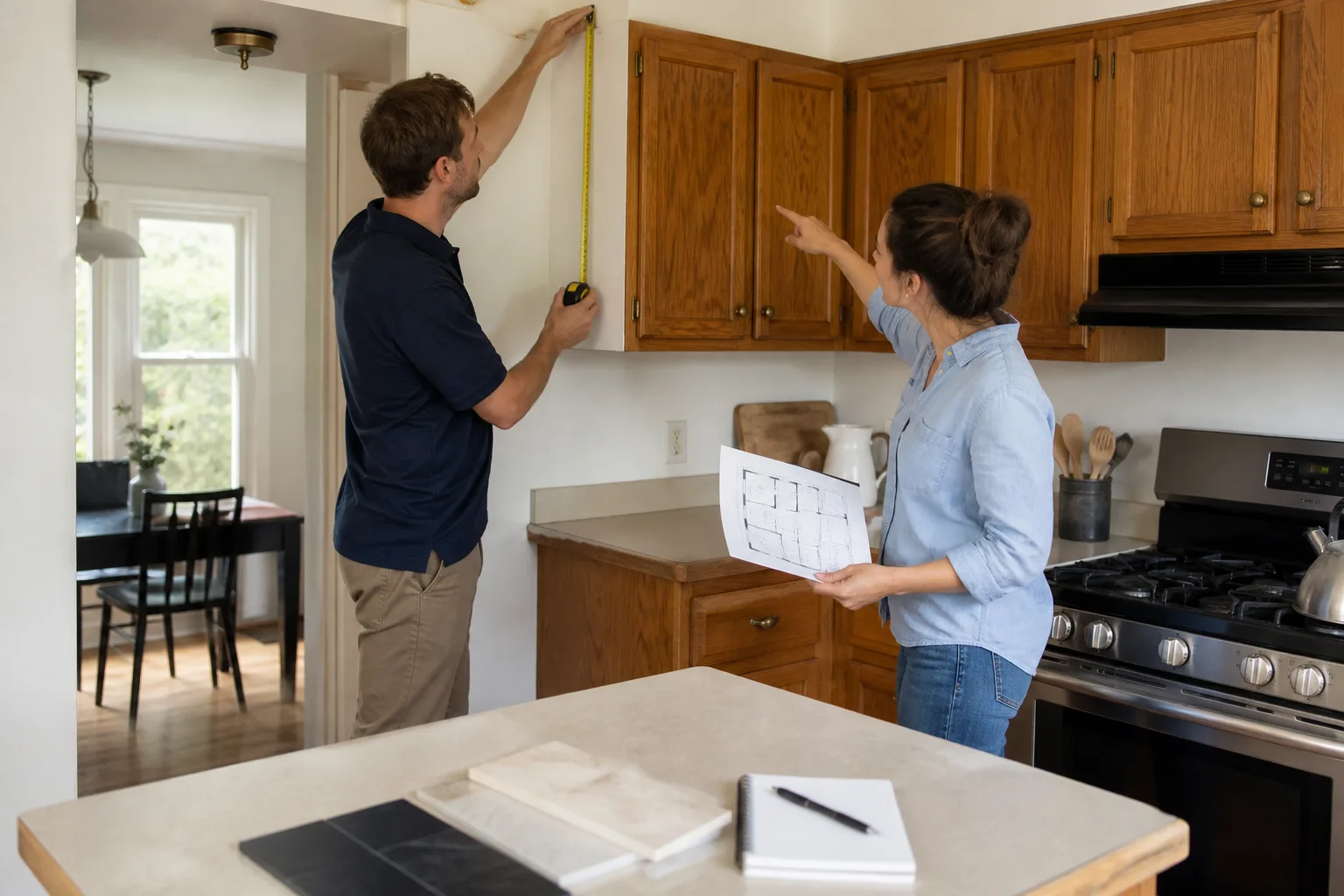
- Pre-construction meeting. Go through the scope line by line with your point of contact. Confirm the schedule, the permit status, and the daily communication method before demolition day.
- Permit pulled and posted. The contractor pulls the Clark County permit and you see the number. No permit, no demolition.
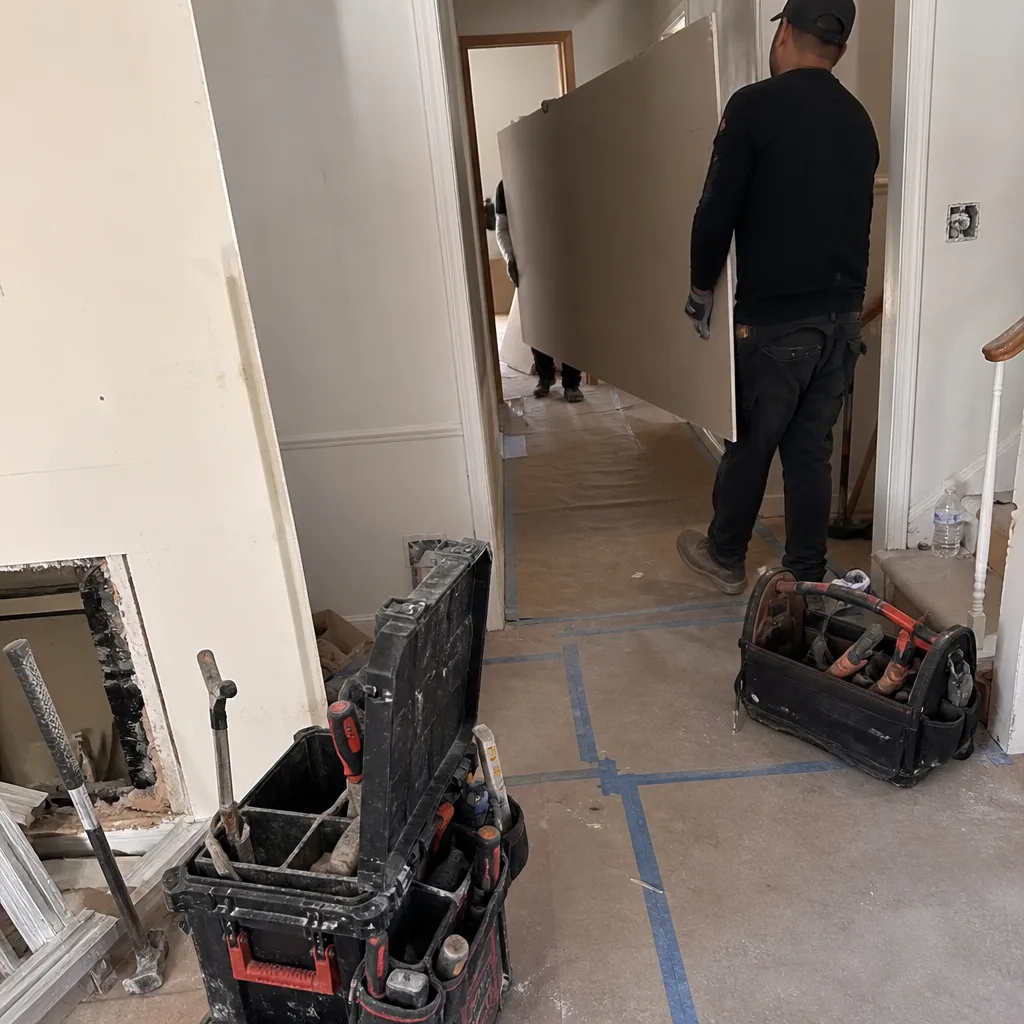
- Rough-in inspections. Framing, electrical, plumbing, and mechanical get inspected before drywall closes the walls. Ask for the inspection sign-off.
- Material delivery walk-through. Confirm the delivered products match the named brands on your scope. Reject substitutes in writing before they’re installed.
- Phase photo updates. You should see the before-and-after at each milestone without asking.
- Punch list and final inspection. Walk the job with a written punch list. The final county inspection sign-off should come before your last payment.
- Close-out and warranty. Get the written guarantee in hand, plus any manufacturer warranties on materials.
Speed is not the goal here. A project that takes an extra two weeks because the permit came first beats a project that skips the permit and fails inspection after the tile is set. Nobody remodels a bathroom in a day, and any GC who promises that is telling you something about how they operate. What you want is predictability: a written price, a live arrival time, and updates you don’t have to chase. The 365-Day Done Right Promise exists so that if the finished work doesn’t hold up, you have a full year of accountability, and that’s the kind of commitment worth asking any contractor about by name.
Common Mistakes to Avoid
- Skipping the NSCB check because someone “came recommended.” A recommendation is a starting point. Verify the license status on the state database before you sign anything, because Enterprise has no city department to catch a problem for you.
- Letting the contractor pull the permit in your name. In Nevada, permit responsibility belongs to the licensed contractor. If they ask you to apply for a homeowner permit so their crew can work under it, you’re carrying the liability and losing your safety net.
- Accepting a handshake estimate. A price that isn’t in writing isn’t a price. On a bathroom or kitchen in Enterprise, the gap between a verbal estimate and a written scope with named brands is often the gap between a fair deal and a change-order surprise.
- Not asking about the monetary limit. A license can be active and still not cover your contract value. A GC quoting a whole-home remodel above their NSCB monetary limit can’t legally take the job, and you’re exposed.
- Ignoring how busy the contractor is elsewhere. When a GC’s book is loaded with Strip-adjacent commercial work, your Enterprise remodel slides. Ask how many active residential jobs they have and who answers the phone on a Tuesday afternoon.
- Scheduling exterior work in mid-summer. Concrete and pavers poured in July heat cure too fast and fail early. A GC who doesn’t flag the timing on an Enterprise hardscape project hasn’t done enough desert work.
- Paying the final installment before the inspection sign-off. Hold the last payment until the punch list is done and the county final inspection passes. Your written scope should say so.
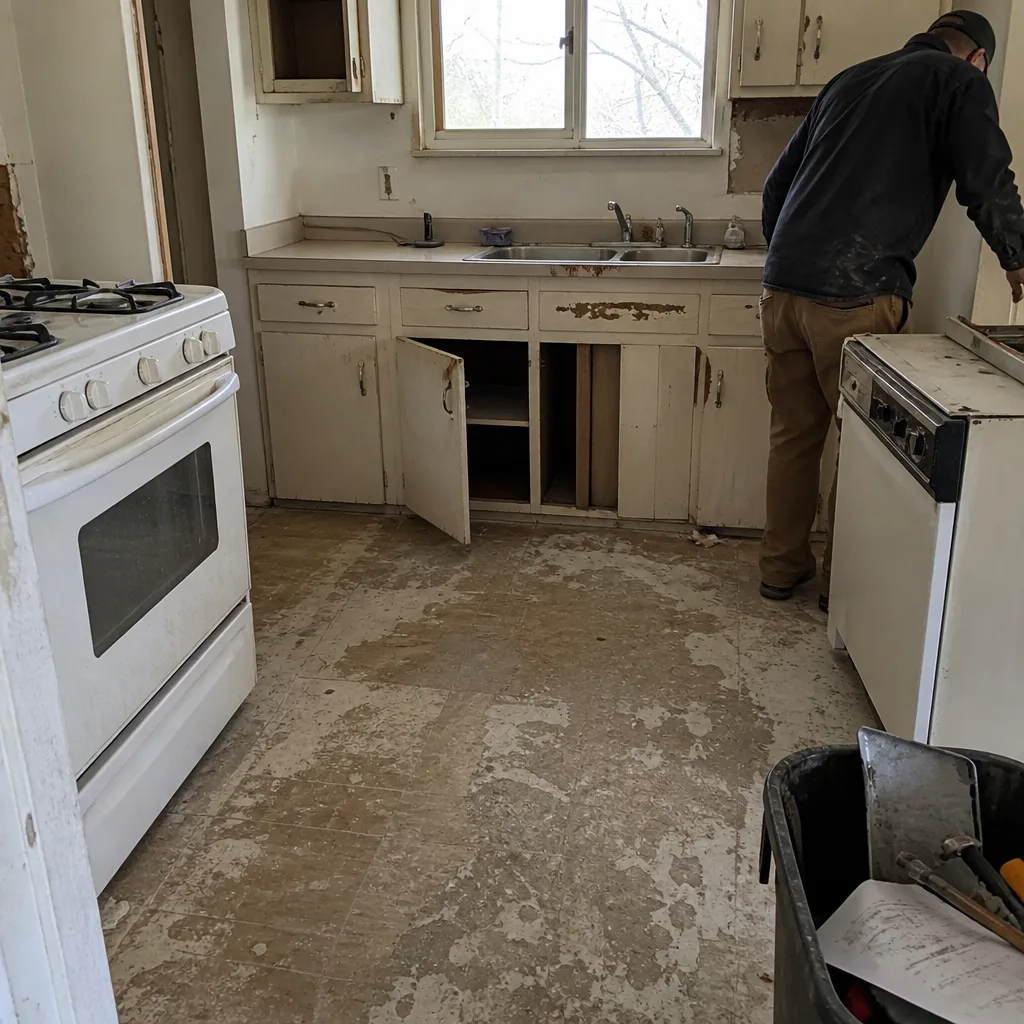
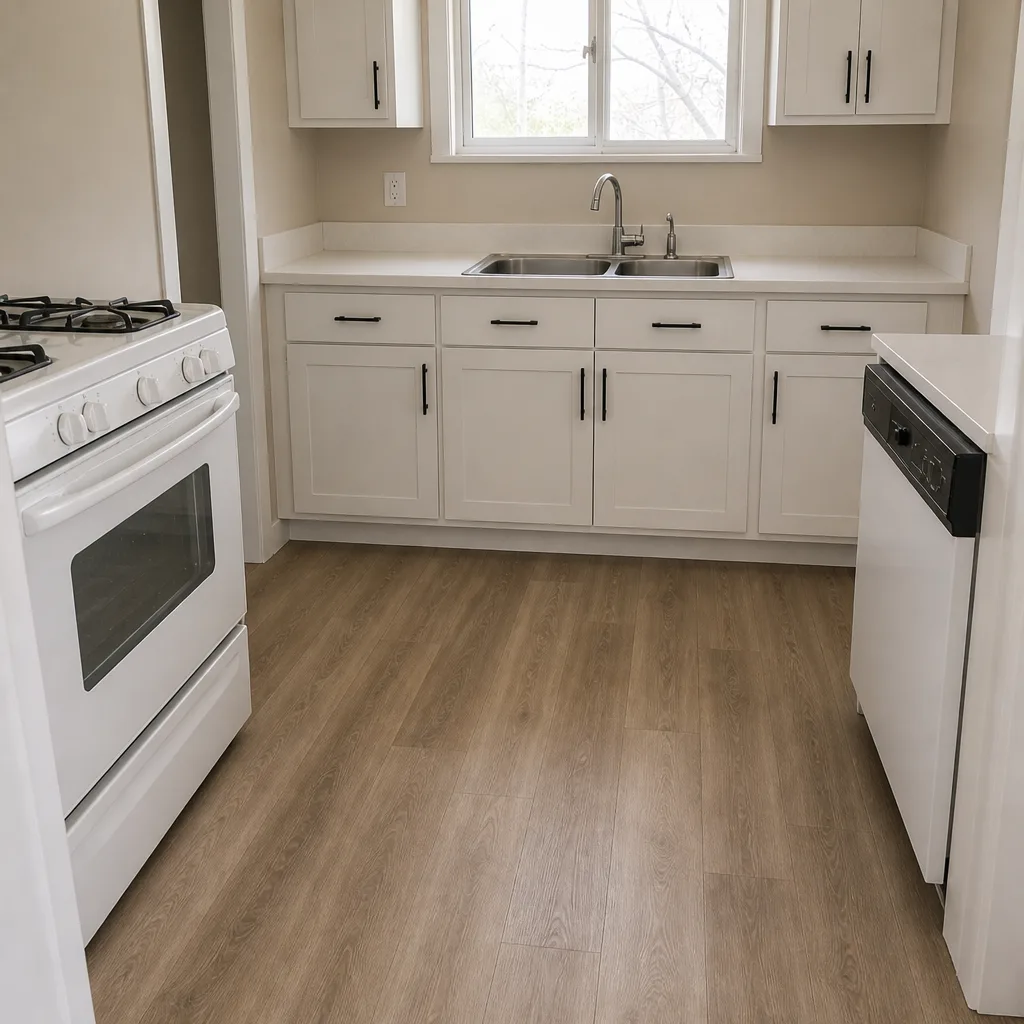
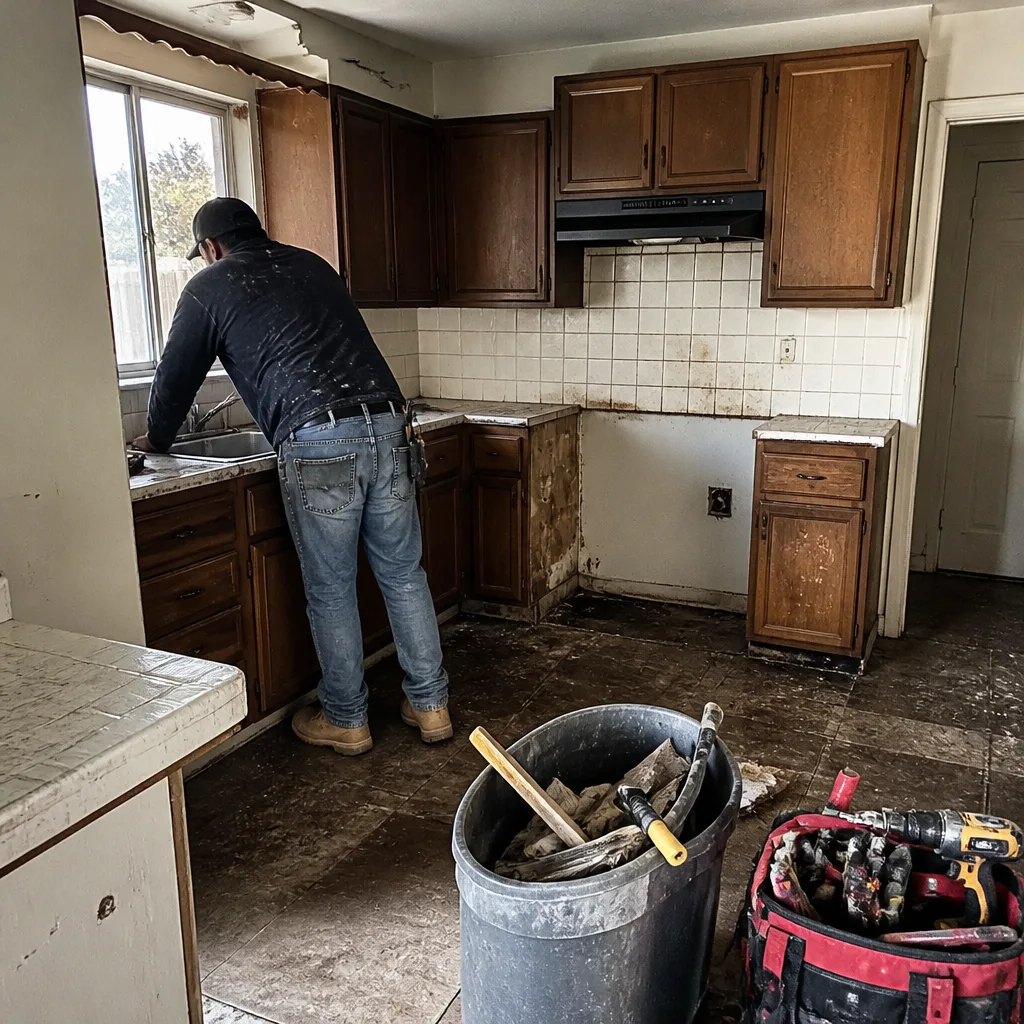
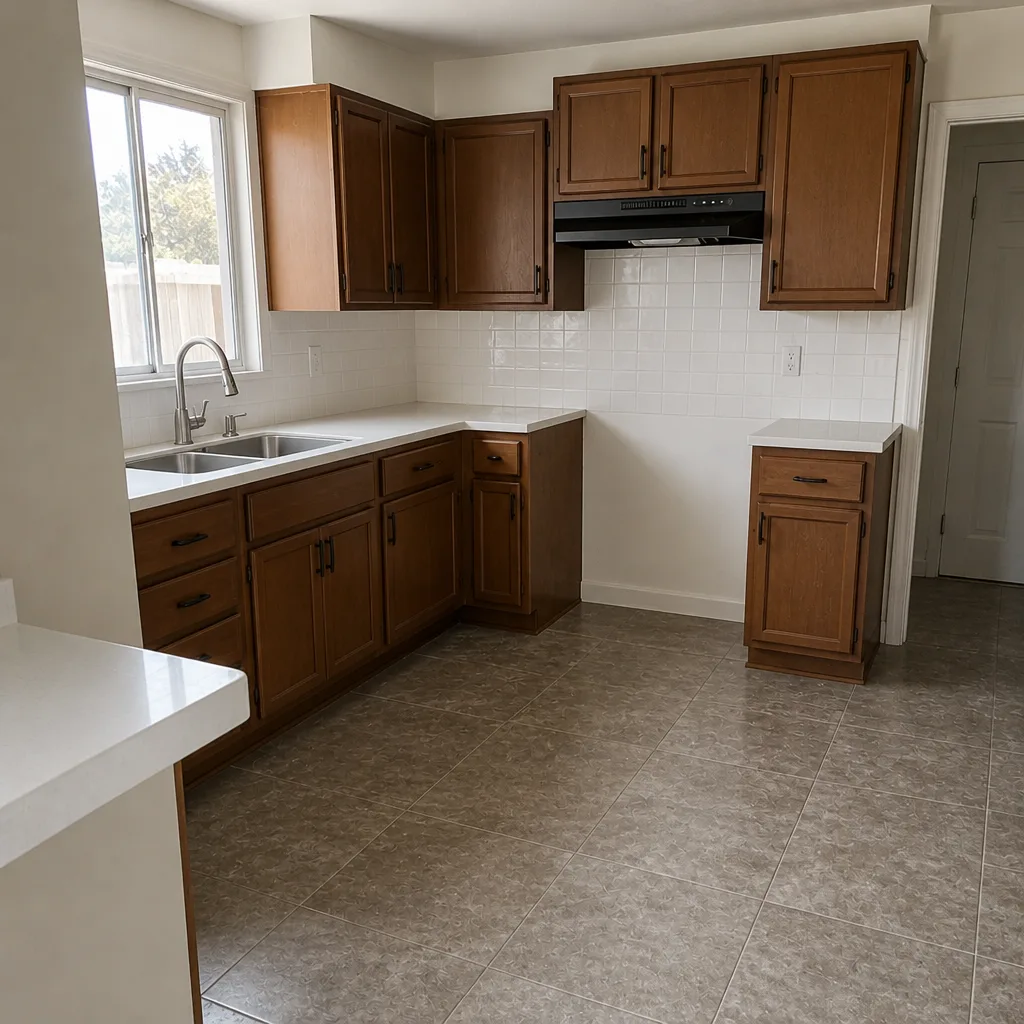
See the difference
 Before
 After
 Before
 After
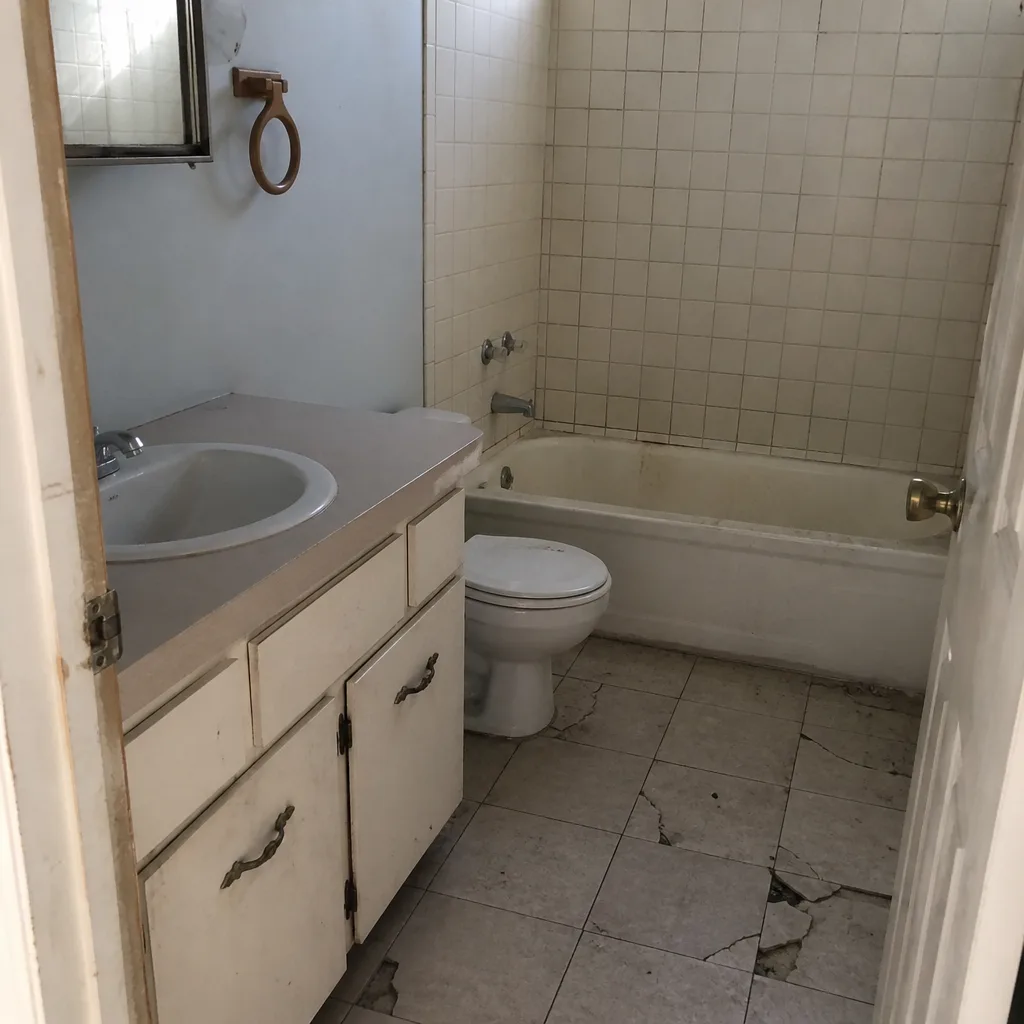 Before
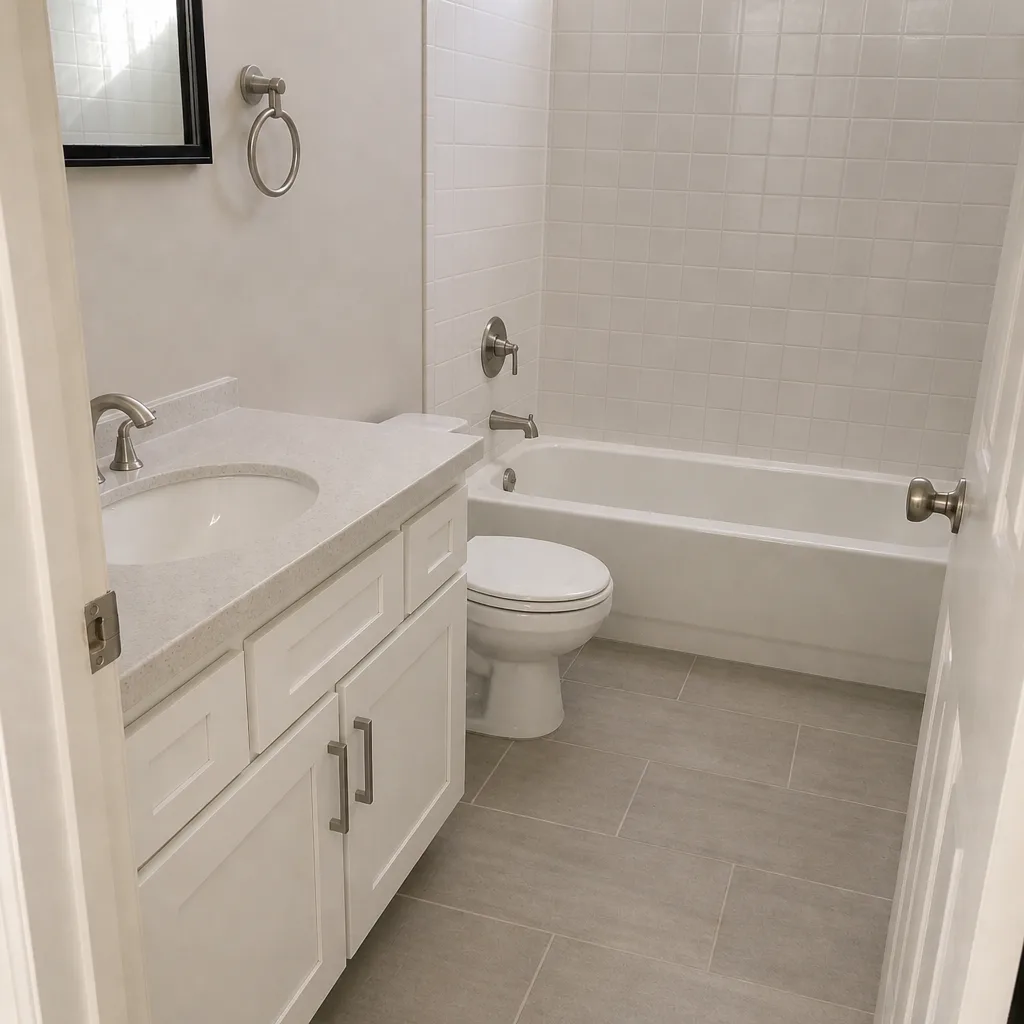 After
When to Call a Professional
Call a licensed GC when the work touches anything structural, electrical, plumbing, gas, or permit-triggering. Removing a wall, moving a drain, adding circuits, converting a garage, or renovating a kitchen or bathroom that requires rough-in changes all cross that line. Don’t let an unlicensed handyman touch the same work, because your insurance may not cover an unpermitted job and the NSCB has no recourse. The same goes for anything where a mistake is expensive and dangerous, like gas line work or a panel upgrade, which simply shouldn’t be a DIY project. If you’re in Enterprise and want a straight answer on whether your project needs a permit or a licensed contractor, call us. Sawyer Remodel Enterprise offers free estimates in Enterprise. Call (844) 797-5994, and we’ll give you a written price before any work starts.
Frequently Asked Questions

Yes. Nevada requires every contractor to hold a valid license from the Nevada State Contractors Board, and because Enterprise is unincorporated, there’s no separate city license to check. Verify the contractor’s license number, classification, status, and monetary limit directly on the NSCB website before signing, and confirm the license covers your contract value. Call (844) 797-5994 for a free estimate and the license information you need to verify.
The licensed contractor pulls the permit through Clark County’s building department, since Enterprise has no city building department of its own. The permit is tied to the contractor’s license, which is why a GC should never ask you to apply for a homeowner permit so their crew can work under it. That arrangement puts inspection responsibility on you and removes your protection. Call (844) 797-5994 to talk through permits for your project.
A typical full bathroom remodel in Enterprise runs roughly $12,000 to $28,000 depending on size, layout changes, and finish level, with tile, fixtures, and plumbing rough-in driving most of the range. A cosmetic refresh with new fixtures and paint stays well below that. The only number that matters is the one in your written scope, so ask for a line-item quote with named brands. Call (844) 797-5994 for an exact quote, and estimates are free.
It shouldn’t. A written scope with a fixed price and a signed change-order process keeps the invoice matching what you approved. Any added cost should require your signature before the work proceeds, and unexpected conditions like hidden water damage get documented in photos with a revision in writing. A GC who won’t put that on paper is a risk. Call (844) 797-5994 to see what a written price looks like before work starts.
Most kitchen remodels here take six to ten weeks, with the permit timeline and cabinet lead times as the two variables that push projects longer. Kitchen and bath work that moves plumbing or electrical needs a Clark County inspection before drywall, so the schedule includes those gaps. A realistic timeline beats a rushed one every time. Call (844) 797-5994 for a realistic schedule on your kitchen.
Ask for a written schedule, a single named contact point, and photo updates at each phase, and check recent local references within a short drive of your Enterprise home. Contractors who answer the phone with a live person and give you a written price before work starts are far less likely to ghost. These are the standards we hold ourselves to on every job. Call (844) 797-5994 to schedule your free estimate.
The Bottom Line
Hiring a general contractor in Enterprise comes down to three things: verify the license on the Nevada State Contractors Board site, because no city department is checking for you; get a written scope with named brands, a fixed price, and a clear statement that the contractor pulls the Clark County permit; and demand the communication you’d expect from any professional, with a live arrival time, photo updates, and a live person on the phone. Enterprise’s proximity to Las Vegas makes it easy for a GC to treat your job as filler, so screen for a contractor whose residential book is real. Do those three things and the rest of the project gets a lot more predictable. We’ll put the price in writing before a single tool comes out, and the number you approve is the number you pay.
Ready to start? Call (844) 797-5994 to schedule your free estimate, and we’ll walk your Enterprise project from first call to final walkthrough. Explore the full Sawyer Remodel Enterprise home page to see how we handle remodels across the valley, or reach out for the general contractor, kitchen, and bathroom services that fit your scope.
Written by the team at Sawyer Remodel Enterprise.