
Last updated November 18, 2026








Free written scope consultation - allowances, timeline, and change-order rules on paper before a single trade is scheduled
General Contractor Troubleshooting: Common Problems and How to Fix Them
A project that stalls for three days without a word from your contractor is the single strongest predictor of a blown timeline. Not material delays. Not weather. Not inspections. Silence. In our experience running remodels across Enterprise, the jobs that go sideways rarely fall apart at the invoice. They fall apart in week two, when the texts stop and you’re left staring at a half-framed wall wondering whether quiet means progress or a contractor who took on a bigger job across town. This guide diagnoses the most common mid-project failures and gives you a step-by-step response plan so small problems stay small.
Quick Answer
Most general contractor problems mid-project trace back to one of five root causes: communication gaps, work that drifts from the written scope, unvetted subcontractors, change order disputes, or missing documentation. The fix is almost always the same: document everything in writing, compare the work to the signed scope line by line, and escalate to the state licensing board only when a contract term is actually breached. A contractor who answers questions and produces a written price before work starts is far less likely to become a problem in the first place.
Styles & brands we work with
- Kitchen remodeling
- Bathroom remodeling
- Home additions & ADU
- Roofing
- Windows & doors
- Driveway & pavers
- Fence
Table of Contents
- What Does Silence From Your Contractor Actually Mean?
- What Do You Do When the Work Doesn’t Match the Written Scope?
- How Should You Handle an Unvetted Subcontractor Showing Up?
- How Do You Tell a Real Material Delay From a Double-Booked Job?
- Change Order Dispute vs. Contract Breach: What’s the Difference?
- Why Photo Documentation Protects the Homeowner, Not Just the Contractor
- Common Mistakes to Avoid
- When to Call a Professional
What Does Silence From Your Contractor Actually Mean?
Silence can mean two very different things, and telling them apart early saves you weeks. On a legitimate job, a quiet stretch usually follows a busy phase – drywall drying, cabinets on order, an inspection scheduled. On a problem job, the quiet starts right when a decision or a payment is expected and stretches past the point where progress should be visible.
Here’s how to read the difference in Enterprise, where the desert heat and summer monsoon season both shape schedules. Drywall compound and concrete cure faster in 105-degree July weather than in the mild spring, so a “waiting for cure” explanation in June holds up. A three-day gap with no explanation in the middle of framing does not.
Run this short checklist the moment communication goes quiet:
- Check the last written update. When did you last receive a text, email, or photo? Note the date.
- Look at the physical job site. Has anything changed since the last photo? Materials delivered? New work visible?
- Send one clear, calm message. Ask for a status update with a date you expect a reply. Avoid accusations in the first message – you want information, not a fight.
- Set a 48-hour window. If no reply comes, escalate to a phone call and a written summary of what you’ve asked for and when.
- Document the gap. Save the messages. Screenshots, dated emails, and a simple log protect you if this becomes a formal dispute.
Communication is the first thing to break and the cheapest to fix. A contractor who answers the phone is a contractor you can work with.
What Do You Do When the Work Doesn’t Match the Written Scope?
Work that drifts from the written scope is one of the most common complaints homeowners bring to us. Tile lands in a pattern you didn’t approve. The vanity is a different brand than the one specified. A wall that was supposed to come down stays up. Before you say a word to the contractor, build your documentation.
This is exactly why a written scope and price should exist before anyone touches a tool. When the document is in hand, the comparison is mechanical, not emotional.
Follow these steps before any confrontation:
- Pull the signed scope and the written price. Find the specific line describing what was supposed to be built.
- Photograph the installed work from multiple angles with a tape measure in frame for scale.
- Photograph the sample, spec sheet, or product label if one was agreed on – Kohler or Moen fixture model numbers, tile dye lot, cabinet door style from KraftMaid or Wellborn.
- Write a short, factual summary of the discrepancy: what the scope says, what was installed, and the specific line where they diverge.
- Send it in writing and ask the contractor to confirm or correct the record in writing within a set timeframe.
- Do not stop payment or remove work until you’ve given the contractor a fair chance to respond in writing.
Most scope problems are honest mistakes – a supplier substitution, a misread drawing. Documentation turns a shouting match into a simple correction.
How Should You Handle an Unvetted Subcontractor Showing Up?
A stranger at your door with a toolbox and no introduction is a legitimate red flag, especially when you hired a general contractor expecting oversight. Subcontracting is normal in construction – almost every remodel uses specialists for tile, electrical, or plumbing. What matters is whether the GC is managing those specialists and whether you know who’s in your home before they arrive.
In Enterprise, the summer heat makes unvetted arrivals even more of a concern: crews working in 110-degree afternoons get rushed, and the last thing you want is a trade working without proper licensing on a bathroom plumbing rough-in.
Here’s the standard we hold ourselves to and the standard you should ask any contractor for:
- You know the name before they arrive. A scheduled trade should be identified to you in advance – who, what trade, which day.
- Properly licensed and insured. In Nevada, electrical, plumbing, and specialty trades require licensing. Ask for the contractor’s oversight confirmation in writing.
- Background-checked. Any trade entering your home should be vetted, not just the lead contractor.
- Uniformed and introduced. A professional crew introduces itself and knows the scope of the day’s work.
- Photo updates before and after. If a sub does a phase, you should see photos of what they did.
If an unknown crew arrives unannounced, politely hold the door. Call the GC and ask who they are, which license covers their work, and whether your written approval was required. A professional contractor answers those questions without friction.
How Do You Tell a Real Material Delay From a Double-Booked Job?
Material delays happen and they’re often real, especially with cabinetry and countertops that ship from out of state. Cambria and Caesarstone quartz slabs, custom KraftMaid kitchen cabinets, GAF roofing shingles – each has a lead time a contractor can quote you in advance. A double-booked job looks different when you know what to ask.
This is where an Enterprise contractor’s material relationships matter. A GC with real supplier partnerships can produce a written lead time and a delivery confirmation. One working with mystery suppliers tells you “it’ll be here soon” and hopes.
Use this test to separate the two:
- Ask for the order confirmation. A real delay has a purchase order number, a supplier name, and a ship date. “The warehouse is backed up” isn’t a confirmation.
- Ask what the lead time was when the order was placed. If the answer is now three weeks longer than what you approved, ask why the order slipped.
- Ask for the material supplier’s name. Owens Corning, IKO, Atlas, and Tamko each publish rough lead times. So do the countertop and cabinet brands. A supplier name puts a specific answer in reach.
- Check whether the crew is on-site anyway. If a delay is real, the crew should be working elsewhere on your job or rescheduled for a clear return date. If the site is empty for a week with no visible work anywhere, the delay may be a scheduling gap, not a shipment.
- Watch the pattern. One delay is normal. Three back-to-back delays with three different excuses is a scheduling problem wearing a material delay costume.
The right response to a suspected double-booking is a written status request: what work is scheduled next, on which dates, and with what crew. Get it in writing and hold the dates.
Change Order Dispute vs. Contract Breach: What’s the Difference?
Homeowners often confuse a change order dispute with a contract breach, and the distinction matters because they’re resolved in very different ways. A change order dispute is about the price or scope of work that was added or altered after the original agreement. A contract breach is when a party fails to honor the terms of the agreement that already exists. One is a negotiation. The other is a legal matter.
Here’s how to tell which you’re in:
- Change order dispute: The contractor wants to charge extra for work you thought was included. Or you requested an upgrade and disagree on the cost. Resolution: written change order, signed by both sides, with a clear price and scope.
- Contract breach: The contractor walked off the job, didn’t complete work that was paid for, or installed something fundamentally different than the signed scope without any agreed change. Resolution: formal written notice, followed by the state licensing board if it isn’t resolved.
Nevada’s State Contractors Board is the body that handles complaints about licensed contractors. Before you contact them, gather: the signed contract, the written scope, proof of payments, dated photos, and a log of your written communications. Most boards won’t act until you’ve given the contractor written notice and a fair chance to respond.
One local note: Nevada requires written contracts for residential work above a certain dollar amount, and change orders should be written too. If you’re facing a change order dispute on a project in Enterprise and there’s no signed document, that’s a strong signal the contract wasn’t written properly from day one – and that’s worth flagging to the board regardless of who’s right on the cost.
If you want the underlying build work reviewed before a dispute escalates, our general contracting team in Enterprise can walk the job with you and put findings in writing.
Why Photo Documentation Protects the Homeowner, Not Just the Contractor
Photo documentation is often framed as a contractor’s tool for proof of work. Good photo documentation is really the homeowner’s insurance policy against a very bad week. When a dispute begins, the party with dated photos wins.
The standard we operate under is simple: photos before, during, and after each phase, shared with the homeowner as the work progresses. Here’s what to capture and why:
- Before: Existing conditions. Cracks, water stains, uneven floors, damaged cabinets – all documented so no one can claim you caused them mid-project.
- During, at rough-in: Open walls showing plumbing and electrical runs. If a future issue arises, you know what’s behind the drywall without cutting it open.
- During, at waterproofing: The Schluter membrane or cement board before tile goes over it. Tile failures almost always come back to waterproofing you’ll never see again once it’s done.
- During, at cabinetry and countertop install: Installation of KraftMaid cabinets, Cambria slabs, and plumbing hookups. Any future warranty claim needs this record.
- After, at each phase: Finished surfaces, clean edges, working fixtures. Proof the phase was done before the contractor moved on.
Homeowners who demand before-and-after photos at every phase have a complete record if anything fails within a year. That record is what makes a 365-day guarantee actually enforceable.
Common Mistakes to Avoid
- Verbal change orders. Nevada’s summer heat makes everyone move faster, which makes it easy to agree to extra work with a handshake at the door. Get every change in writing, even the small ones. A five-word text is enough if it states the work and the price.
- Paying ahead of documented progress. In an Enterprise remodel, payments should follow visible phases with photos – demo, rough-in, drywall, finish. Never pay for the next phase before the previous one has photo proof.
- Assuming silence means progress. Contractors get busy. Silence after the demo phase in a bathroom remodel is the exact point where problems tend to start. Ask once, ask in writing, and expect a dated reply.
- Not asking for a written price before work starts. Any contractor who won’t produce a written price before the first tool comes out is telling you who they are. Believe them early.
- Skipping the contract because the relationship “feels good.” Even a small bathroom remodel should have a written contract with a clear scope, price, and timeline. Good relationships and written contracts aren’t mutually exclusive.
- Replacing a legitimate waterproofing call with a budget shortcut. Shortcuts over Schluter membrane or cement board fail within a year. In Enterprise, the dry climate hides early mortar failures until the grout cracks in the winter.
- Waiting too long to escalate. A three-week silence that should have been a three-day conversation costs more timeline than a firm written notice ever will. Escalate carefully, but escalate.
When to Call a Professional
Some situations are worth working through yourself with a good contractor. Others aren’t. Call a professional contractor or the state board when the contractor stops answering for more than a week, when installed work is materially different from a signed scope, when an unlicensed trade arrives on-site, when work related to electrical, plumbing, or gas is done without permits, or when the site has been idle for two weeks with no written explanation. The first written request to your contractor should always come before a formal complaint, but you don’t need to wait three months to have someone else look at the job.
Sawyer Remodel Enterprise offers free written estimates in Enterprise. Call (844) 797-5994 and we’ll walk the job with you, compare the work to the scope, and put findings in writing.
We operate under The Relay Visibility Guarantee on every job: a written price before work starts, a live arrival time, and before-and-after photos at every phase. Every project carries the 365-Day Done Right Promise – if it’s not done right, we make it right. Calls are answered by a live person around the clock, and our technicians have up to 21 years of experience. As part of the Relay Home Co. family, each local business is independently owned and operated.
If your kitchen or bathroom remodel is in the middle of a stall, our bathroom remodeling team in Enterprise and kitchen remodeling team in Enterprise can step in to review the scope and put a plan in writing. If you’re starting fresh, our Sawyer Remodel Enterprise home page lays out how we run every project.
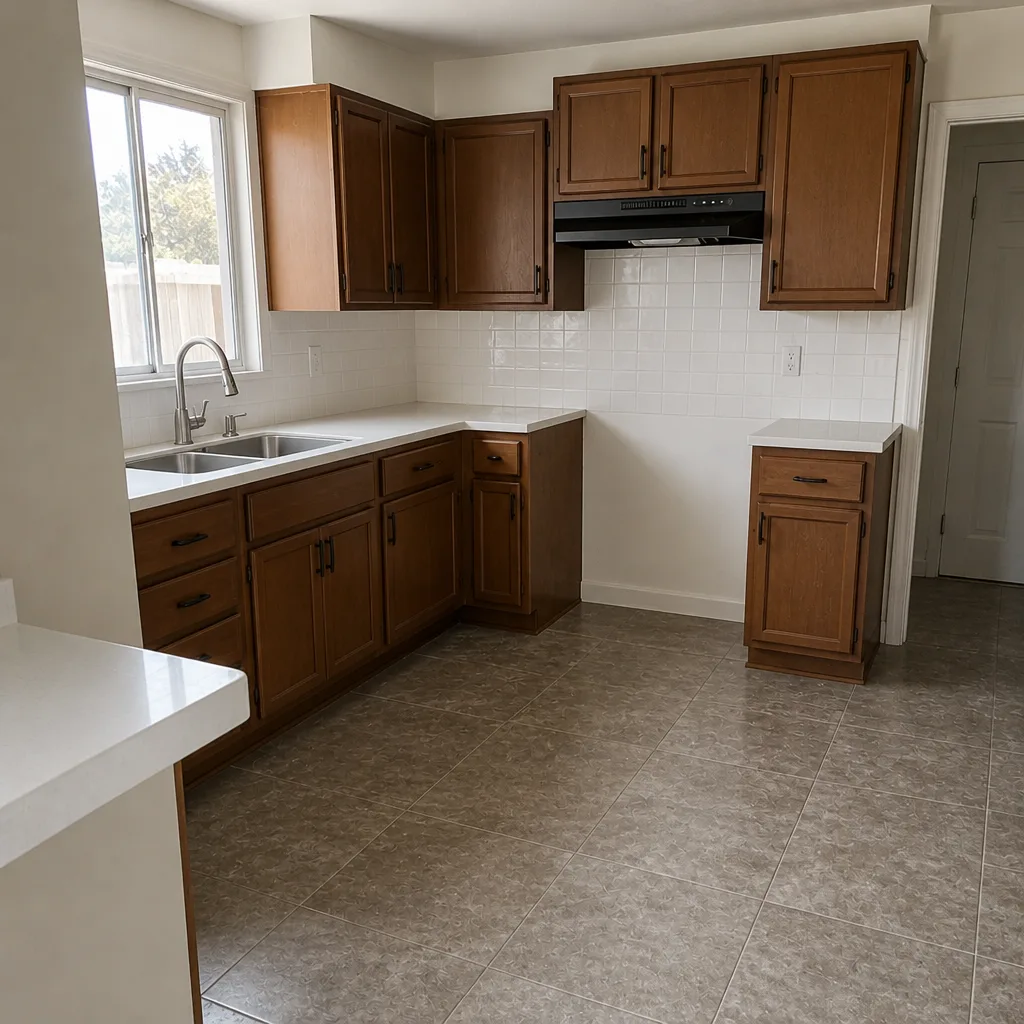
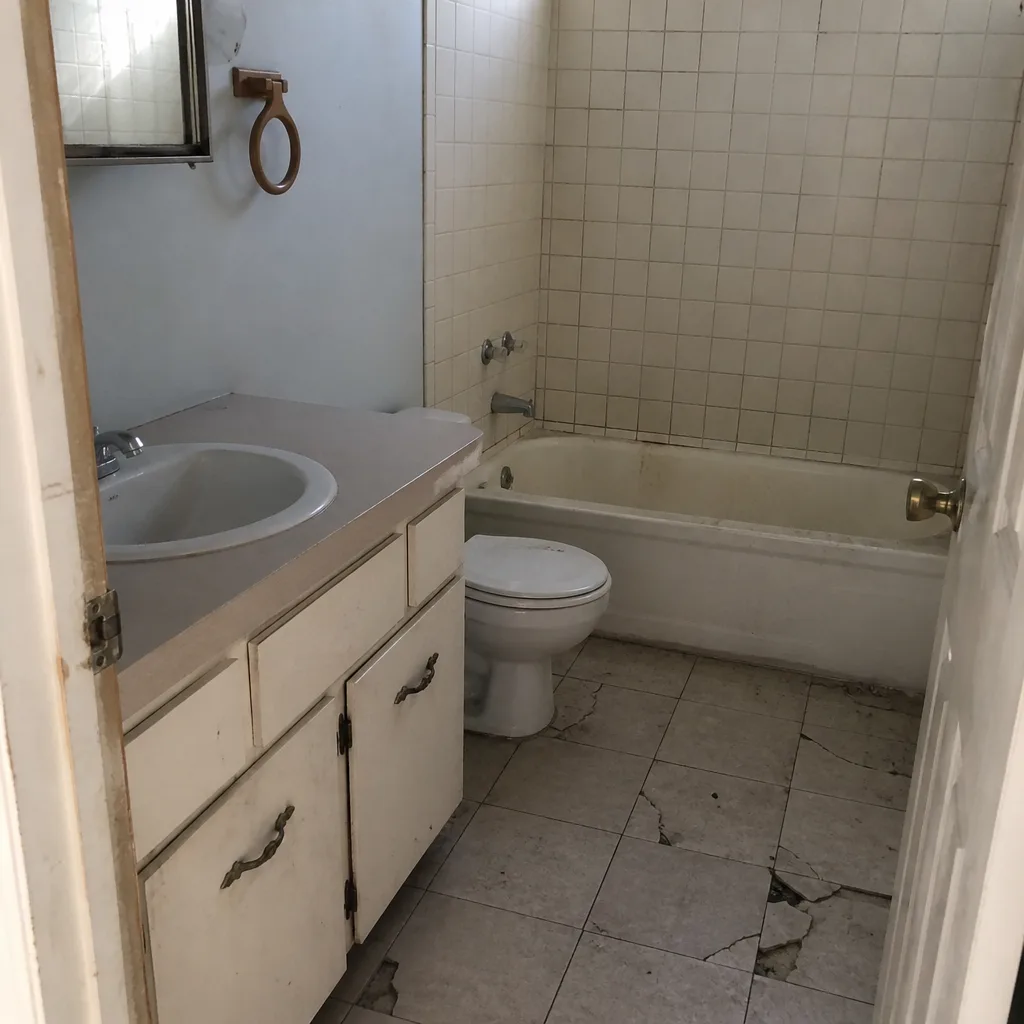
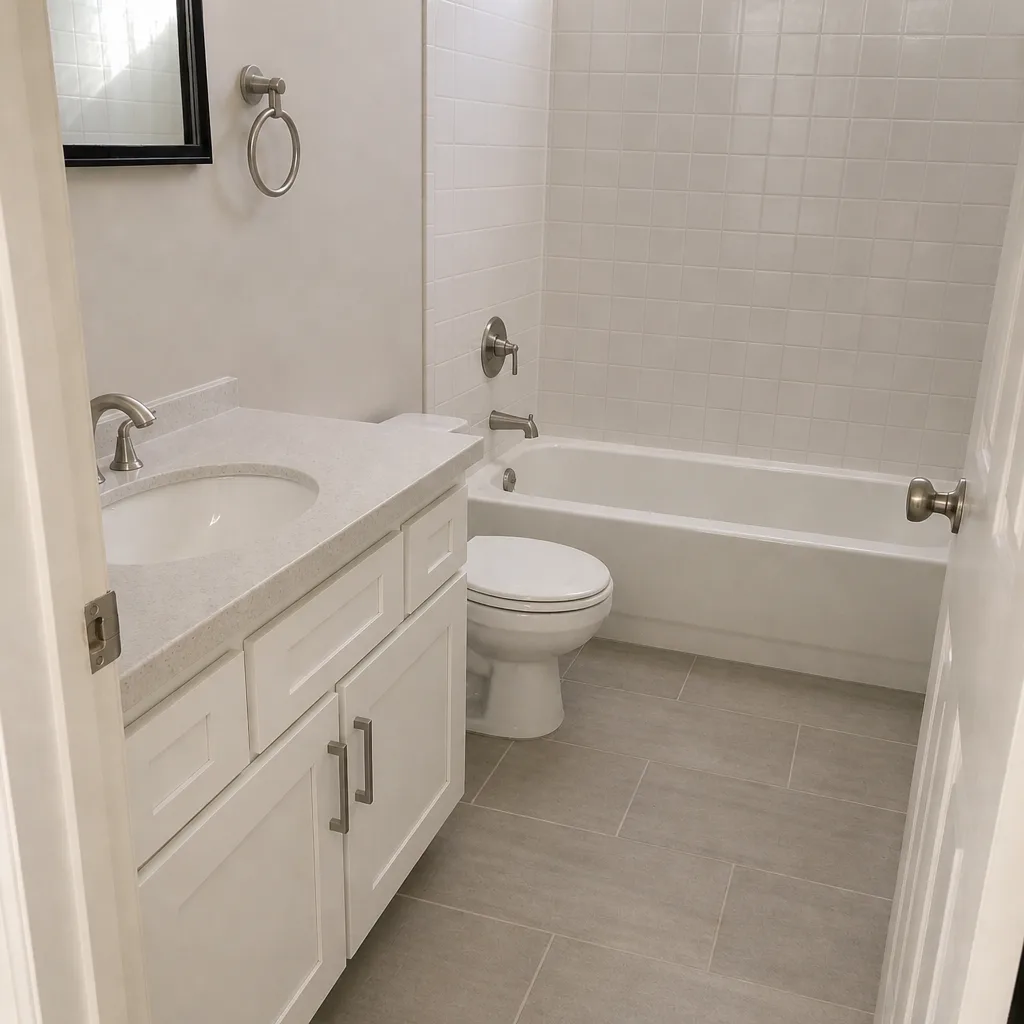
See the difference
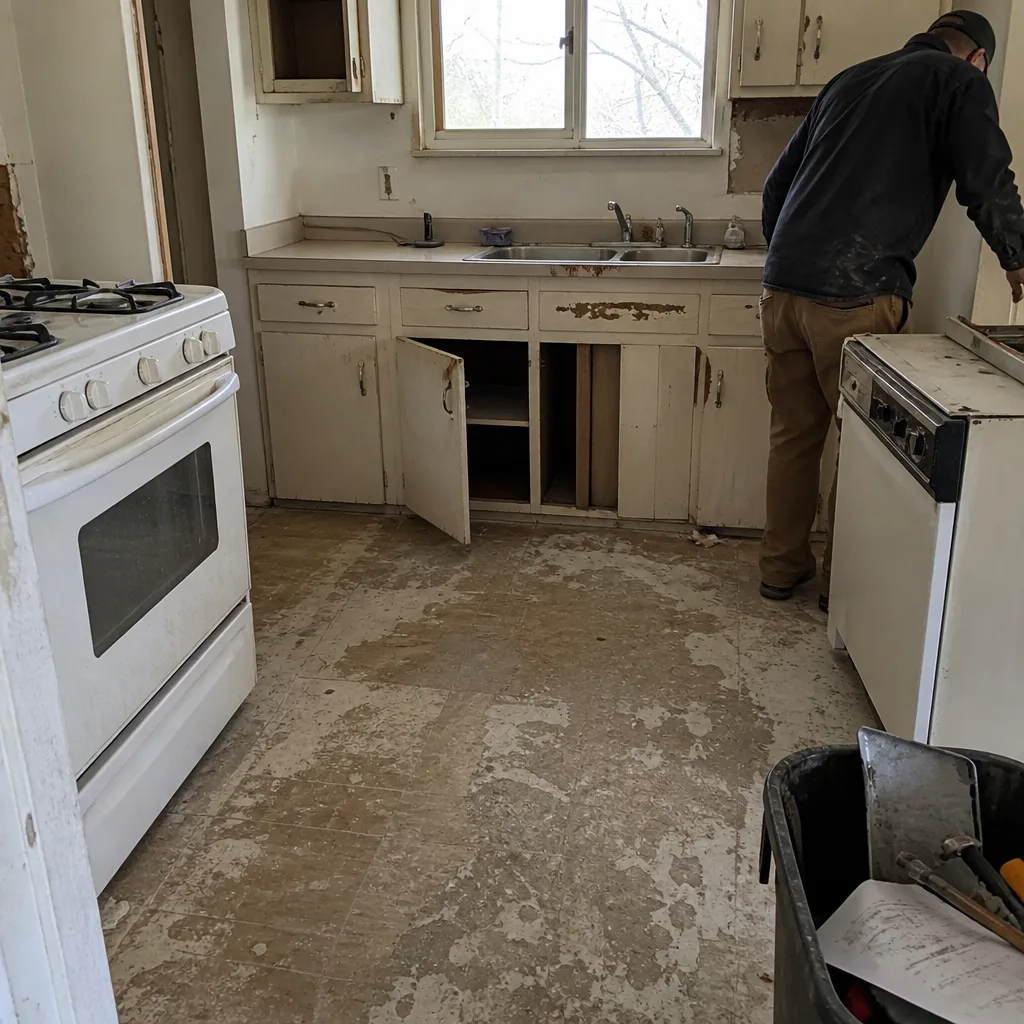 Before
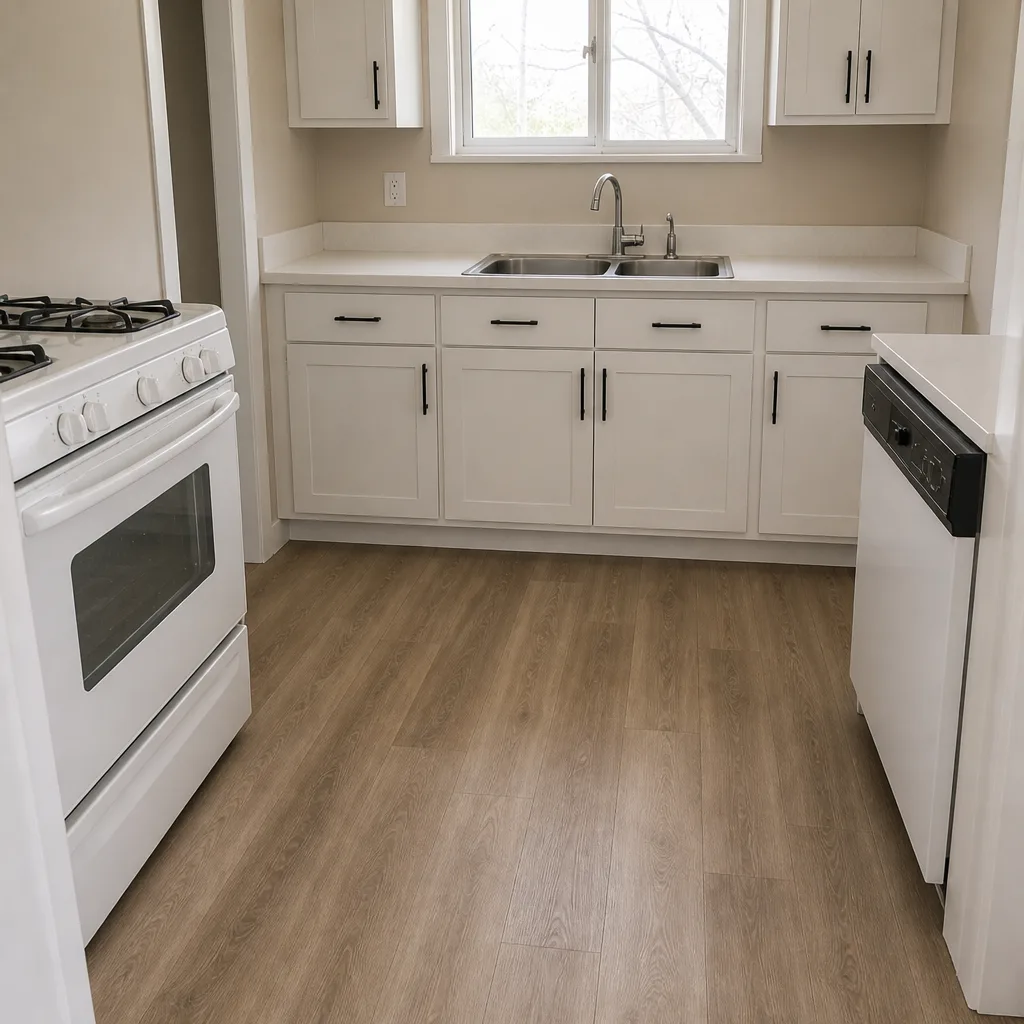 After
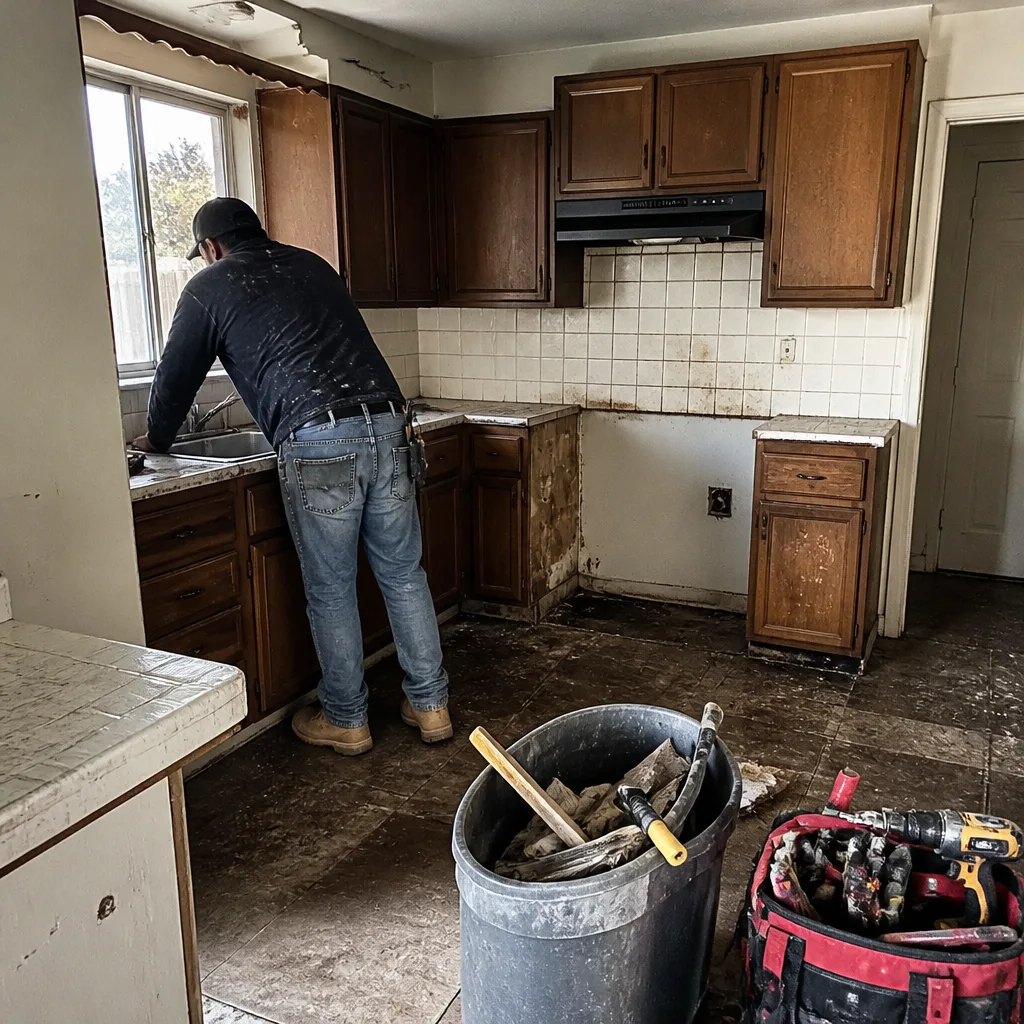 Before
 After
 Before
 After
Frequently Asked Questions

Send one written status request asking for a specific update by a specific date, then escalate to a phone call if there’s no reply in 48 hours. Keep a dated log of every message. If the silence lasts more than a week with no written explanation, send a formal written notice and consider contacting Nevada’s State Contractors Board. Call (844) 797-5994 if you want a second contractor’s read on the job – the estimate is free.
A change order dispute is a disagreement about the price or scope of added work; a contract breach is a failure to honor terms that were already agreed. Change orders resolve through written negotiation and a signed document. A breach may require formal written notice and, if unresolved, a complaint to the state board. Call (844) 797-5994 if you’re not sure which one you’re in – a free walkthrough often sorts it out in an hour.
Yes, but only after documenting the reason in writing and following the termination clause in your contract. Nevada contracts for residential work typically spell out termination terms; read them before you act. Photograph the site, inventory materials, and pay only for documented completed work. The cost of a mid-project change is real, but staying with a bad contractor often costs more. Call (844) 797-5994 for a free estimate on completing the work.
No, but you should expect the GC to manage them. Ask up front who will be on-site, which trade, and which day. Ask for confirmation that every trade is licensed and insured. A contractor operating under a written process – like our background-checked, uniformed technicians – answers these questions without friction. Call (844) 797-5994 to talk through how we handle trades on a remodel project.
At minimum, before and after every phase: demo, rough-in, waterproofing, drywall, finish, and final. For a bathroom remodel in Enterprise, that’s usually five to seven update points. For a kitchen remodel, expect more because there are more trades. Ask for this in writing before work starts. Under The Relay Visibility Guarantee, photo updates are standard, not an upgrade.
Communication gaps top the list, followed by schedule slips from material lead times, subcontractor vetting, and scope drift on finishes. Enterprise’s summer heat adds a scheduling layer – concrete, drywall compound, and exterior work all move differently in June versus October. Call (844) 797-5994 for a free written estimate on your Enterprise project.
The Bottom Line
Most general contractor problems mid-project follow the same pattern: communication breaks, the written scope stops matching the installed work, and nobody has the documentation to settle the difference. The fix is unglamorous but reliable. Insist on a written price and written scope before work starts. Document every phase with photos. Get every change in writing. Escalate in writing, not verbally. Call the state board only when a contract term is actually breached, not when the relationship feels strained. The contractors who answer the phone, produce paper, and show up when they say they will are the ones who finish the job.
If you’re staring at a stalled job or starting a remodel from scratch, call Sawyer Remodel Enterprise at (844) 797-5994 for a free written estimate anywhere in Enterprise.
Written by the team at Sawyer Remodel Enterprise.