Last updated November 18, 2026








Free written scope consultation - allowances, timeline, and change-order rules on paper before a single trade is scheduled
Kitchen Remodeling Warning Signs Every Homeowner Should Know
A contractor who can’t name the permit they’ll pull for your kitchen remodel is a contractor who may build your project illegally – and you’re the one who owns that liability. That’s not a scare tactic. It’s the single most common thread we’ve found after years of walking into kitchens across Enterprise that someone else abandoned, half-finished, or finished badly. The red flags rarely show up on demo day. They show up in the first phone call, in the wording of the quote, and in how a contractor talks about permits, timelines, and pricing. This guide teaches you to filter contractors before you sign anything, so you can spot trouble while it’s still cheap to walk away. We’ll cover the quote, the permits, the communication habits, and the exact contract language that protects you – or leaves you holding the bag in Enterprise.
Quick Answer
The biggest kitchen remodeling red flags are vague or missing line items in the quote, an unwillingness to pull permits, slow or evasive communication before the contract is signed, and contract language that shifts risk onto you. If a contractor discourages permits, won’t put the price in writing, or can’t explain their update process, treat that as a preview of how the whole job will run in Enterprise. The warning signs start in the first conversation, long before a tool is picked up.
Styles & brands we work with
- Kitchen remodeling
- Bathroom remodeling
- Home additions & ADU
- Roofing
- Windows & doors
- Driveway & pavers
- Fence
Table of Contents
- Warning Signs Buried in the Quote Itself
- Permit Red Flags in Enterprise and Clark County
- Communication Patterns That Predict a Ghost Contractor
- On-Site Warning Signs During Demo
- Contract Language That Protects You vs. the Contractor
- Why a Materials Spec Sheet Matters
- The Contractor Filter Checklist
- When to Call a Professional
Warning Signs Buried in the Quote Itself
The quote is where a contractor tells you the truth about how they run a business – whether they mean to or not. A vague quote isn’t an oversight. It’s a strategy. When the line items are thin and the language is fuzzy, the contractor has left room to charge you more later without technically lying. We’ve reviewed enough of these in Enterprise to spot the pattern in seconds.
Here’s what a weak quote looks like:
- “Demo and install – lump sum.” No breakdown of cabinets, counters, tile, or labor. You can’t compare it to anything, and you can’t challenge a number that was never itemized.
- “Allowance” line items with no cap. An allowance is a placeholder, not a price. A cabinet allowance of a few thousand dollars sounds reasonable until you pick a mid-grade KraftMaid line and the real number doubles it. Guess who eats that difference? You do.
- No materials spec sheet. If the quote doesn’t name the cabinet brand, the countertop material and thickness, the fixture models, and the flooring, you don’t actually know what you’re buying. “Quartz counters” could mean a builder-grade slab or a Cambria surface, and the price difference is enormous.
- No written schedule. A real quote tells you the sequence: demo week, rough-in, inspection, cabinet delivery, counter template, install. A quote with no timeline is a promise with no edges.
Insist on a written, line-item price before any work starts – that’s a standing commitment with us, not an upgrade. When the number on the invoice matches the number you approved, there’s nothing to argue about at the end. If a kitchen quote in Enterprise comes back as a single number scribbled on the back of a card, ask for the breakdown or walk. You should never have to call just to find out if a project is even in your ballpark.
Permit Red Flags in Enterprise and Clark County
This is the warning sign that matters most and gets overlooked the most. In Clark County, a kitchen remodel that moves or adds plumbing, relocates electrical, changes a gas line, or alters structural elements requires permits and inspections. Cosmetic work – paint, refacing, swapping a faucet – often doesn’t. The line isn’t always obvious, which is exactly why a good contractor can tell you plainly which permits apply to your job.
Red flags around permits:
- They discourage pulling permits. If a contractor says “you don’t need a permit for that, it’ll just slow us down,” they’re telling you they’d rather skip the inspection than pass it. That’s a corner cut on a load-bearing wall or a gas line.
- They can’t name the permit. Ask directly: “Which permits will you pull for this kitchen, and who schedules the inspections?” A pro answers without flinching.
- They ask you to pull the permit as the homeowner. That can shift liability to you if something goes wrong, and it’s a sign they may not be licensed to pull it themselves.
- No inspection scheduled before drywall. Rough-in electrical and plumbing must be inspected before the walls close. If they’re hanging drywall with no inspection on the calendar, that’s a do-over waiting to happen.
Here’s the uncomfortable part: if your contractor builds without required permits, the liability lands on you as the property owner. A future sale can stall, an insurance claim can be denied, and the county can require you to open walls you just paid to close. In Enterprise, where a lot of housing went up fast during the valley’s building boom, unpermitted work is common enough that we check for it routinely. A contractor who pulls permits and passes inspections isn’t adding paperwork. They’re protecting the value of your home.
Communication Patterns That Predict a Ghost Contractor
The way a contractor handles communication before you’ve signed anything is the best predictor of how they’ll behave once they have your deposit. Before the contract, they’re trying to win you. If they’re already slow, evasive, or disorganized at that stage, the job itself won’t be better. We’ve taken over enough abandoned Enterprise remodels to know the pattern cold.
Watch for these habits:
- Slow response now, slower later. If a text takes two days to answer before the contract, expect a week during the busy phase when you’re waiting on a countertop template.
- No documented update cadence. Ask: “How often will you update me, and how?” A pro gives you a specific answer in writing – daily check-ins, photo updates, a live arrival window. “I’ll keep you posted” is not an answer.
- Only reachable by one channel. A contractor who answers texts but never calls, or whose number goes to voicemail with no callback, is showing you the ghosting behavior early.
- Defensive when you ask questions. Good contractors expect questions and answer them. A contractor who gets prickly about “why do you need that in writing?” is telling you exactly how they’ll handle disputes.
This is where process separates the pros. Every project we run under The Relay Visibility Guarantee comes with a live arrival time, photo updates before and after, and a written price before a single tool is picked up. That’s not a favor – it’s the standard the job should be held to. When a contractor puts their update process in writing, they’ve just told you they plan to be reachable when it counts.
On-Site Warning Signs During Demo
Once work starts, you can see the corners being cut with your own eyes. Demo day is where sloppy contractors reveal themselves, and the signs are concrete. Walk through your kitchen during the first week and look for these.
- Unmarked utility lines. Before demo, gas, electrical, and water lines near the work zone should be located and marked. If a crew is swinging a sledgehammer near a wall with a live gas line and nothing is flagged, stop them.
- No dust containment. A real crew builds zip-wall barriers and uses negative air pressure to keep dust out of the rest of your house. If your living room is dusted within hours of demo starting, they skipped the setup.
- No daily cleanup standard. A jobsite should be swept and organized at the end of each day. Debris piles and open food waste invite pests – and in Enterprise’s heat, that’s not a small concern.
- No protection on finished surfaces. Floors, doorways, and remaining cabinets should be covered. A crew that drags debris across your tile hasn’t planned the job.
- Nobody on site and no explanation. A gap of days with no crew and no update is a ghosting preview. Call and see how fast they get back.
On-site safety isn’t optional, and the utility lines are the place to draw a hard line. Gas and electrical work in a kitchen is genuinely dangerous – a trained, licensed professional handles it, not a helper improvising. If you ever smell gas or see a suspect connection, stop work and call the utility. This is also where local knowledge helps: kitchens in the older pockets of Enterprise and the surrounding valley have a range of wiring vintages, and a crew that checks before they cut is a crew that plans head of time.
Contract Language That Protects You vs. the Contractor
A contract is a legal document, and it either protects you or protects the contractor. Read it before you sign, and look for these differences. The same job can be written to your benefit or to theirs, and the words tell you which.
Language that protects you:
- A fixed price with a written description of what’s included and excluded, so the number in the contract is the number you pay.
- A materials spec sheet attached and referenced – named cabinet and countertop brands, not “builder-grade.”
- A schedule with inspection milestones and who schedules them.
- A written warranty. Ours is the 365-Day Done Right Promise: if it’s not done right, we make it right, spelled out on the contract, plus a free second visit if a repair fails.
- A change-order process in writing: no work added without a signed, priced change order.
- A payment schedule tied to milestones, not a big deposit up front.
Language that protects only the contractor:
- “Price subject to change” with no cap.
- “Allowances to be adjusted at cost” plus materials the contractor chooses.
- Open-ended completion dates (“substantially complete” with no date).
- Arbitration-only clauses that make it expensive for you to dispute anything.
- A deposit large enough that they’re spending your money before they’ve bought your materials.
- No warranty, or “warranty at contractor’s discretion.”
If a clause makes you uncomfortable, ask them to explain it. A contractor with nothing to hide will.
Why a Materials Spec Sheet Matters
The materials spec sheet is the quiet hero of a fair contract. It’s the document that says precisely what’s going into your kitchen: cabinet brand and door style, countertop material and edge profile, fixture models, flooring, backsplash tile, even the grout. Without it, “we’ll use quality materials” is a promise with no content. With it, you can compare two quotes honestly and know exactly what the price buys.
This is where brand matters – real brands with manufacturer backing behind the install. Cabinet lines like KraftMaid and Wellborn, countertops from Cambria and Caesarstone, fixtures from Kohler and Toto: each comes with a manufacturer’s warranty and published specs, which means if something fails, there’s a paper trail and a company behind it. A quote that names brands is a quote you can trust to be compared. A quote that says “quartz counters” tells you nothing.
Ask for the spec sheet before you sign, and check that the models match what you picked. That single document is the difference between a kitchen built to a standard and a kitchen built to a guess. It also protects you from the “allowance creep” that quietly inflates so many Enterprise remodels – when the spec is fixed, the price is fixed.
The Contractor Filter Checklist
Before you sign with any contractor, run them through this list. A pro clears it easily. A red-flag contractor stumbles on the first few questions.
- Can you name the permits you’ll pull and who schedules the inspections? If the answer is vague or “you don’t need permits,” walk.
- Is the price line-itemized, or one lump sum? Ask for the materials spec sheet.
- How many allowances are in this quote, and what’s the cap on each? If the answer is “it depends,” that’s your money at risk.
- How often will you update me, and what’s the process in writing? A live arrival time and photo updates should be standard, not a favor.
- What’s your warranty, and what does it cover, in writing? “We stand behind our work” isn’t a warranty.
- What’s the payment schedule? Large up-front deposits are a red flag; milestone-based payments are not.
- Can I see the exact contract before I sign? Yes or no. No means there’s something to hide.
See the difference
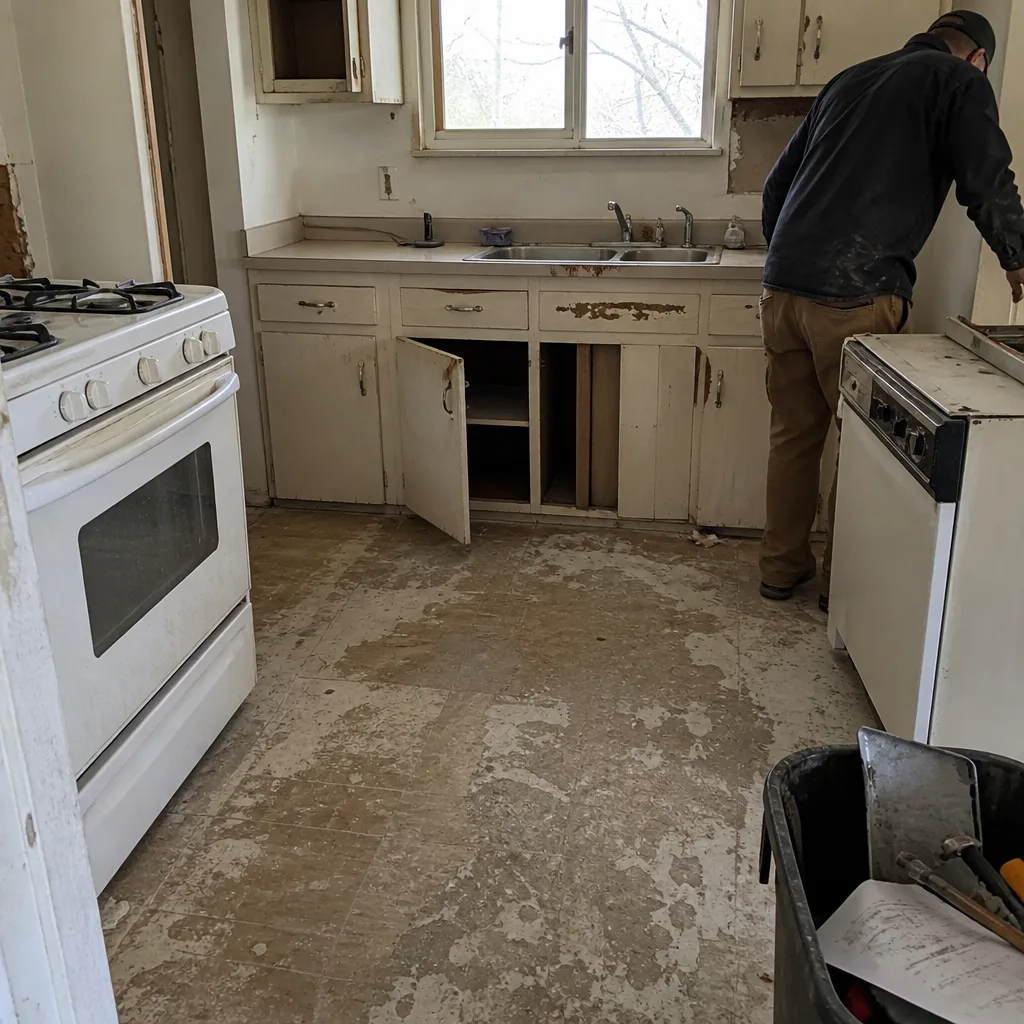 Before
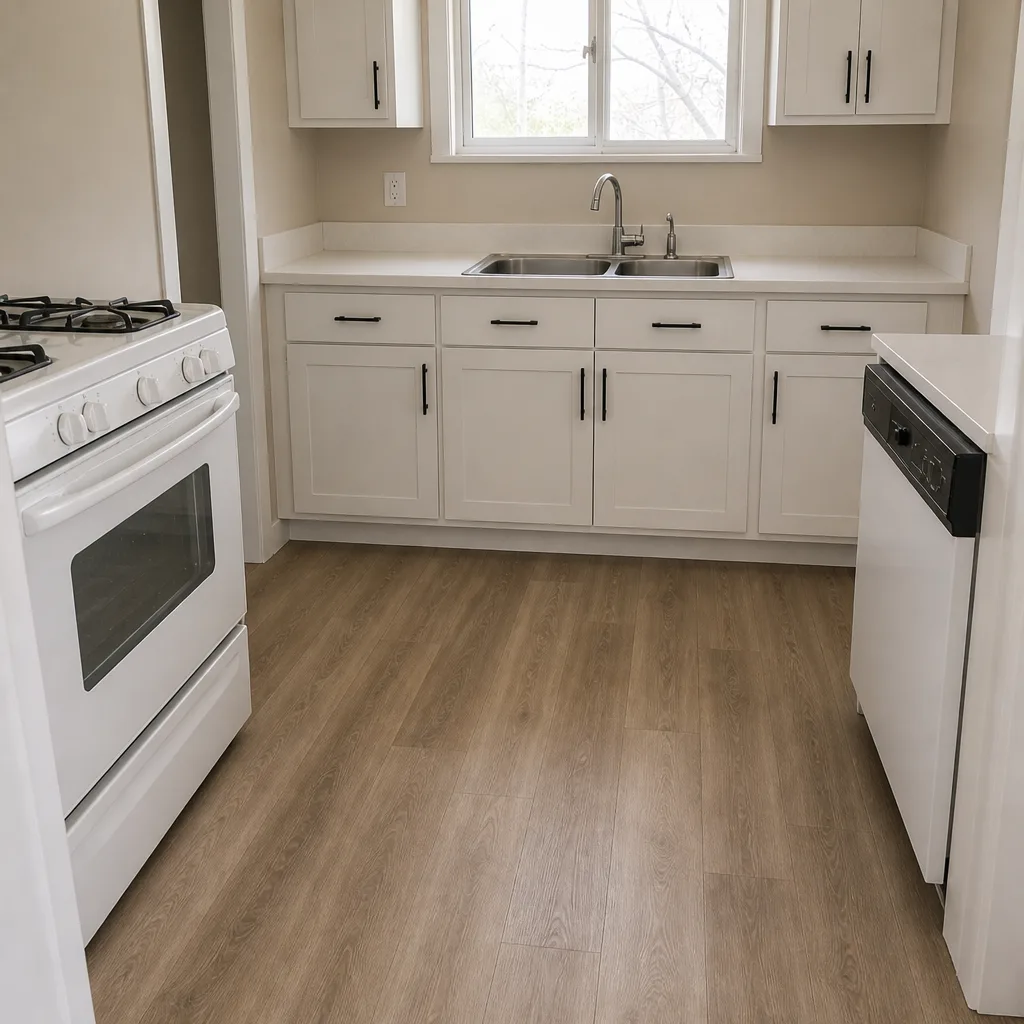 After
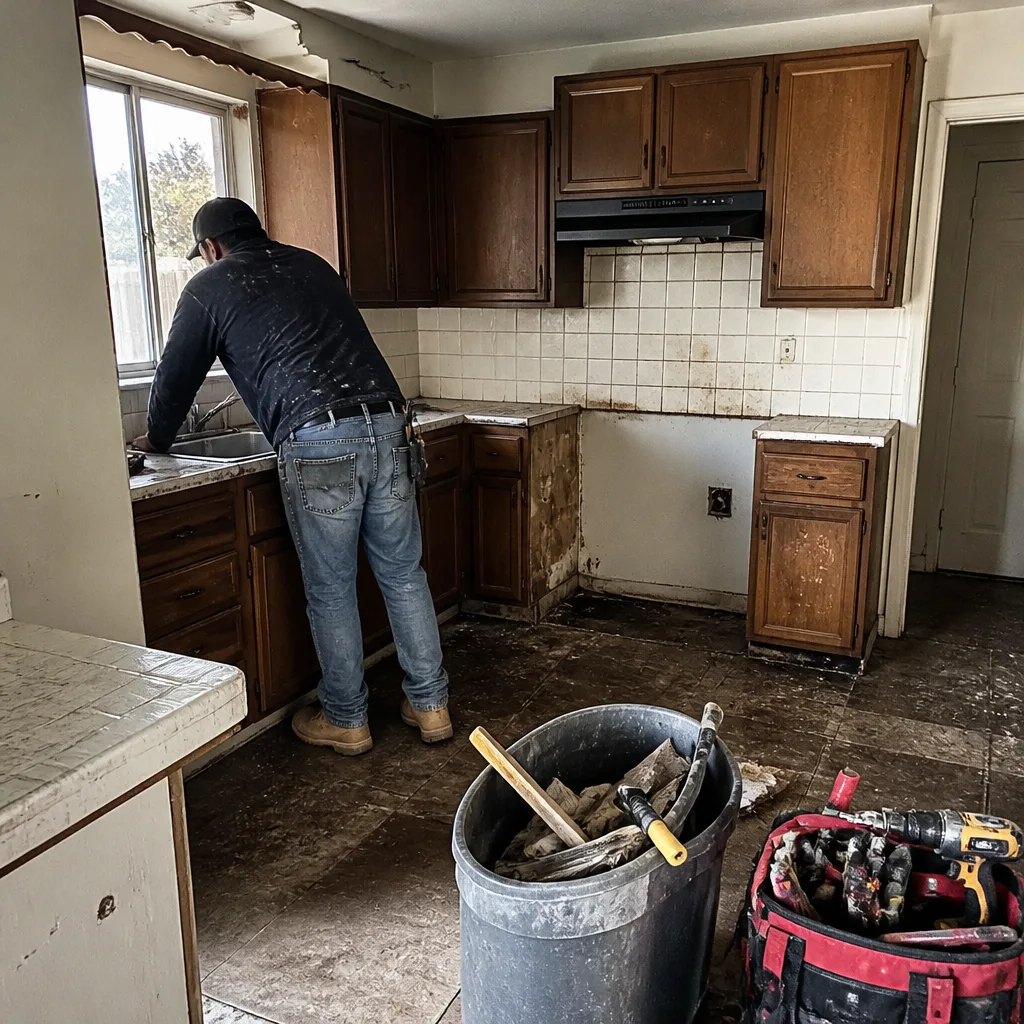 Before
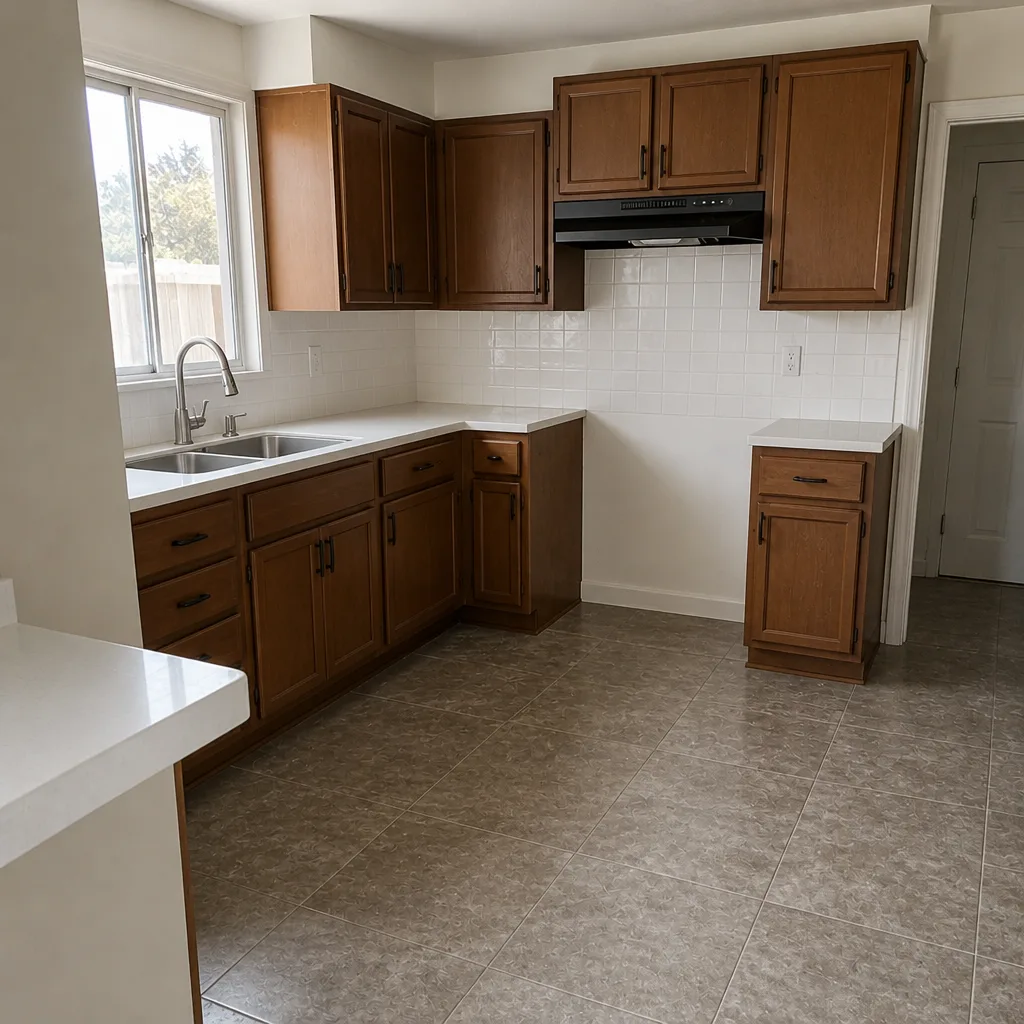 After
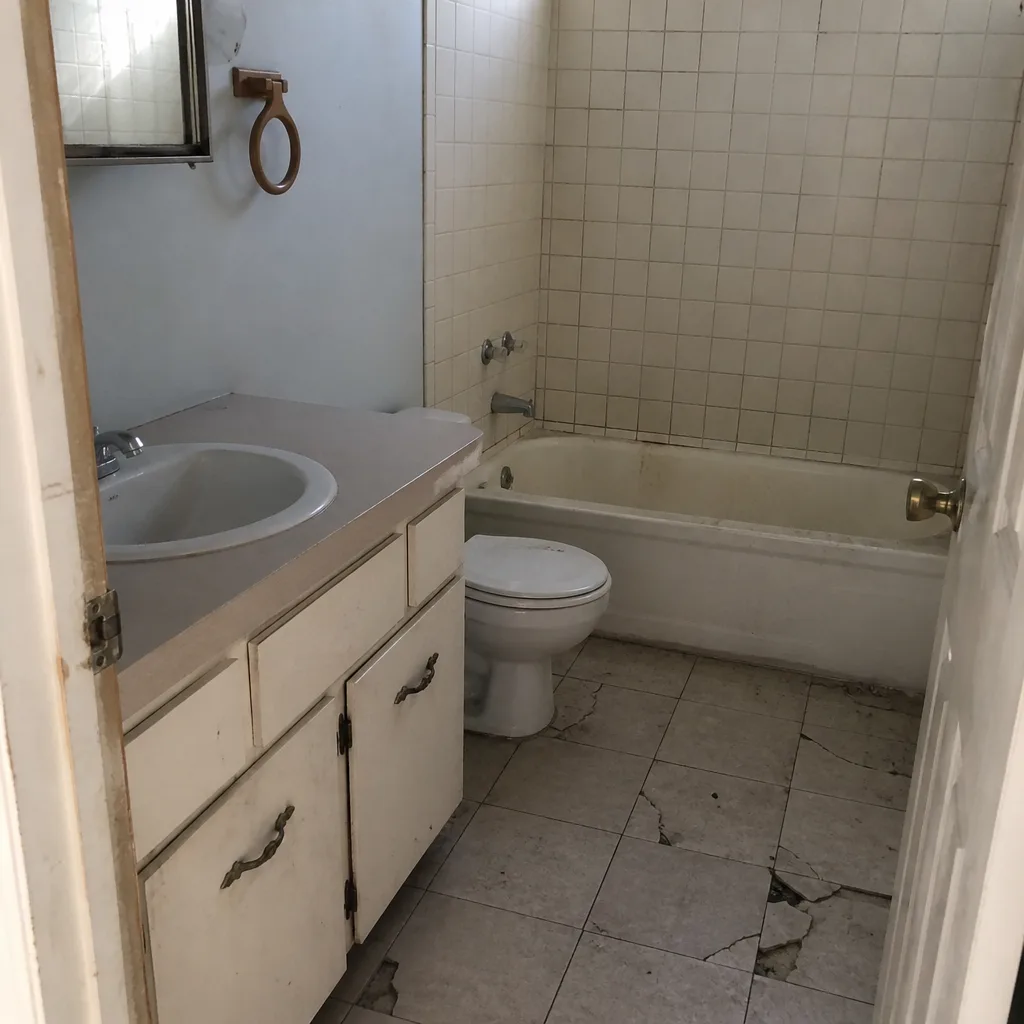 Before
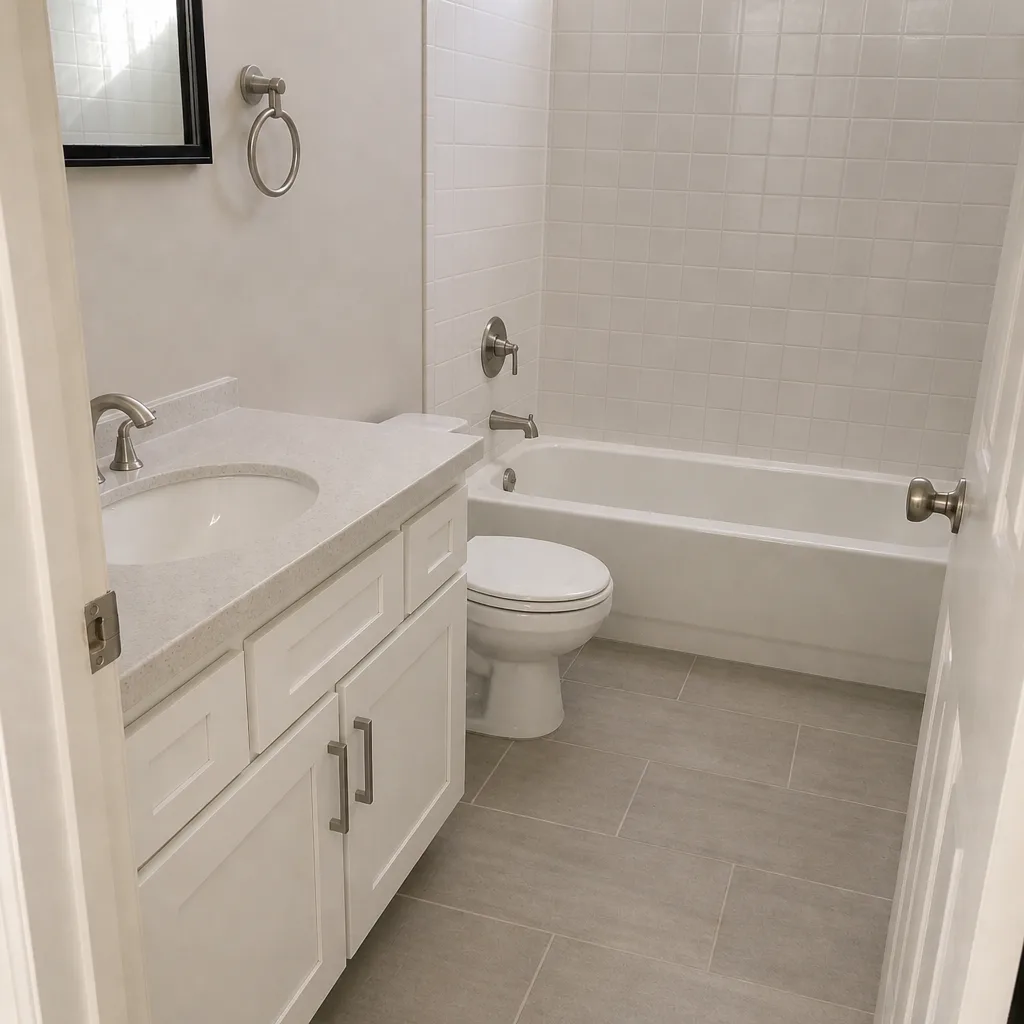 After
Common Mistakes to Avoid
- Signing a lump-sum quote. Without itemization, you can’t compare bids, and you can’t challenge an inflated number later. Insist on a written price before any work starts.
- Letting the contractor talk you out of permits. Unpermitted work in Enterprise can stall a future sale and void insurance claims. The liability is yours, not the contractor’s.
- Ignoring allowance caps. A generous-sounding allowance with no ceiling means the real cost shows up on the invoice, not the quote. Ask for the cap in writing.
- Choosing the cheapest bid. The low bid often wins by cutting what isn’t itemized – materials, permits, or cleanup. Compare spec sheets, not just totals.
- Skipping the update cadence in the contract. “I’ll keep you posted” isn’t a process. Get the update schedule written into the agreement.
- Paying a large deposit before materials are ordered. Milestone-based payments keep the risk balanced. If they need most of the money up front, ask why.
- Not reading the warranty. A warranty that’s “at the contractor’s discretion” protects them, not you. Get the coverage spelled out.
When to Call a Professional
Some kitchen problems are beyond a DIY fix and deserve a pro. Call us if you’re planning a remodel that moves plumbing, electrical, or gas, because those need permits and licensed work in Clark County. Call if a previous contractor abandoned a project halfway and you’re left with open walls or unsafe utility connections. Call if you smell gas, see damaged wiring, or suspect a load-bearing wall was altered without inspection. And call if you’re ready to get a real number in writing before you commit to anything. Sawyer Remodel Enterprise offers free estimates in Enterprise – call (844) 797-5994 to schedule yours, and you’ll get a line-item price and a clear schedule before any work starts. Learn more about our Kitchen Remodeling in Enterprise service, or ask about our Bathroom Remodeling in Enterprise work while we’re at it.
Frequently Asked Questions
The biggest red flag is a contractor who discourages pulling permits or can’t name which permits apply to your job. That single unwillingness signals they’ll cut corners on structural, electrical, or gas work, and the legal liability falls on you as the homeowner. Call (844) 797-5994 for a free estimate from a contractor who pulls permits and passes inspections by default.
Yes, if the work moves or adds plumbing, relocates electrical, changes a gas line, or alters structural elements. Cosmetic work like paint and refacing often doesn’t require a permit, but a good contractor will tell you plainly which permits apply to your specific kitchen. When in doubt, ask the contractor to name the permits before you sign anything. Call us for a free estimate and we’ll walk you through it.
You can usually predict it from how they communicate before the contract is signed. Slow responses, evasiveness, and no written update process are the early signs, and they don’t improve after you pay. Ask for the update cadence in writing – live arrival times and photo updates should be standard. If they can’t describe their process, call us at (844) 797-5994 for a free estimate instead.
An allowance is a placeholder price for an item you haven’t picked yet, like cabinets or countertops, and it’s usually a risk shift to you if it has no cap. A realistic allowance protects both sides; a lowball allowance with no ceiling means the difference lands on your invoice later. Call (844) 797-5994 for a free estimate with a fixed written price and no surprise adjustments.
Not if the contract has a fixed price and a written change-order process. The number on the invoice should match the number you approved, and any work added should require a signed, priced change order before it happens. If a contractor won’t commit to a written price before work starts, treat it as a red flag. Call (844) 797-5994 to get your line-item price in writing.
First, stop any work and get the utility connections checked by a licensed pro, especially gas and electrical. Then get a written assessment of what’s safe to keep and what needs to be redone before anyone hangs drywall. We handle plenty of abandoned remodels in Enterprise and can tell you exactly where things stand. Call (844) 797-5994 for a free estimate on finishing or fixing the job.
The Bottom Line
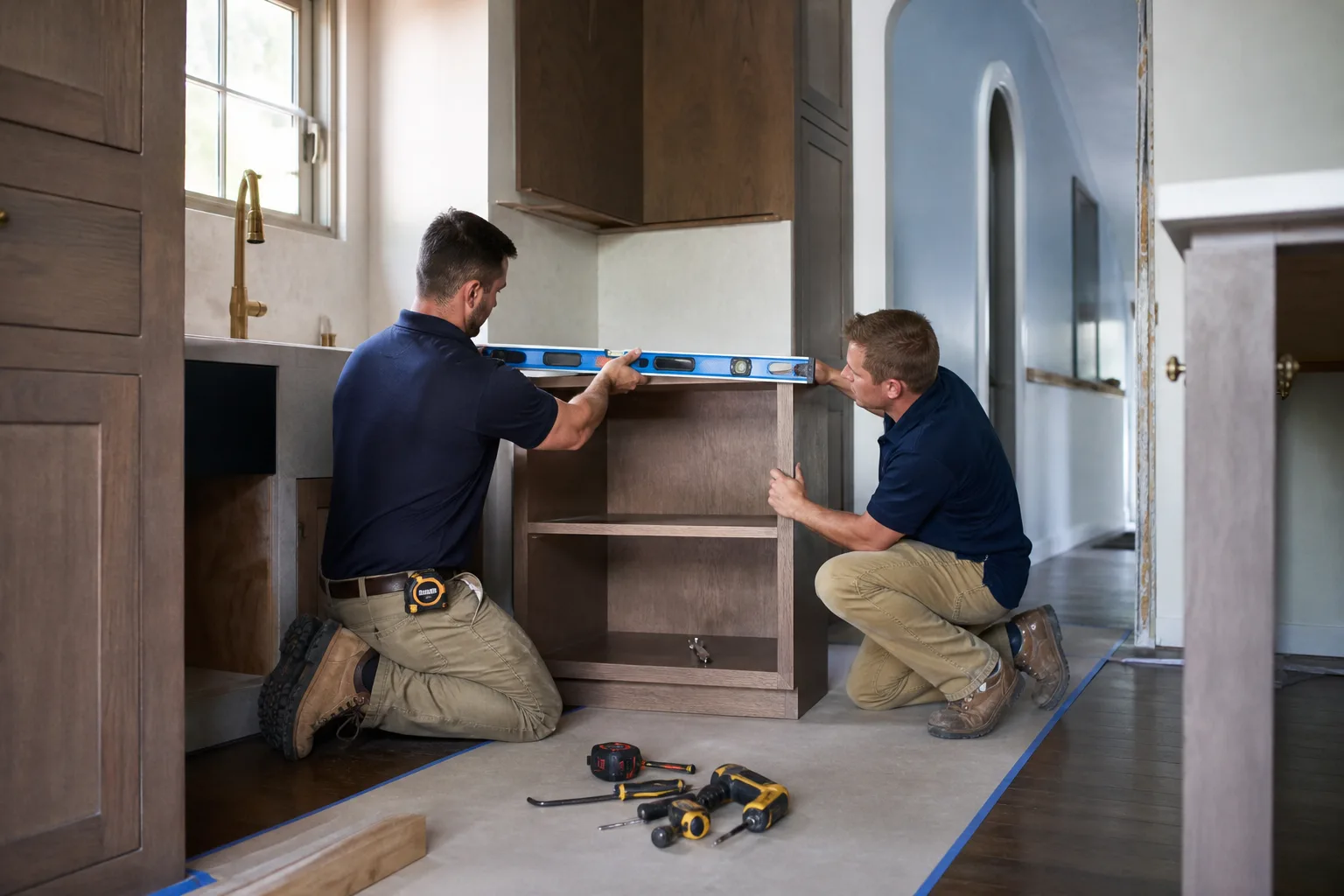
Most kitchen remodel failures don’t start on demo day – they start in the first conversation, in a vague quote, and in contract language that protects the contractor instead of you. The fixes are simple: demand a line-item written price, insist on permits and inspections, get the update process in writing, and read the warranty before you sign. We’ve built our work around those standards, backed by a 365-Day Done Right Promise and a written price before work starts. To see how it looks in practice, visit the Sawyer Remodel Enterprise home or learn more about our General Contractor in Enterprise services. Call (844) 797-5994 for your free estimate.
Written by the team at Sawyer Remodel Enterprise.