

Last updated November 18, 2026








Free written scope consultation - allowances, timeline, and change-order rules on paper before a single trade is scheduled
DIY vs Professional General Contractor: What’s Safe to Do Yourself
Unpermitted DIY electrical work is the single most common reason Nevada home sales stall at inspection, and most homeowners who did it had no idea a permit was required. They watched a weekend video, swapped a few wires, saved a few hundred dollars, and eight years later a buyer’s inspector flagged it and the deal got complicated. This guide draws a hard line between the remodel tasks that reward a confident do-it-yourselfer and the ones that create liability, void insurance, or fail inspection. We’ve watched both paths play out across Enterprise and the rest of the valley, so this is the version we wish every homeowner had before picking up a pry bar.
Quick Answer
Cosmetic work like painting, caulking, swapping cabinet hardware, and installing floating shelves is generally safe to do yourself. Anything that requires a permit, touches a load-bearing wall, moves plumbing, electrical, or gas, or will show up on a future home inspection report belongs to a licensed contractor. If you can’t answer whether a permit is required, that’s your signal to stop and ask.
Styles & brands we work with
- Kitchen remodeling
- Bathroom remodeling
- Home additions & ADU
- Roofing
- Windows & doors
- Driveway & pavers
- Fence
Table of Contents
- The four categories of remodel work
- Cosmetic work: what’s safe to DIY
- Structural work: why you always hire out
- Mechanical work and the permit question
- Clark County permits and unpermitted work at resale
- The insurance gap most homeowners miss
- Being your own GC vs. hiring a coordinator
- The honest cost comparison
The Four Categories of Remodel Work
Every task in a remodel falls into one of four buckets, and the bucket tells you who should do it. Not the difficulty. The category.
- Cosmetic: Paint, wallpaper, hardware, trim on existing surfaces, furniture-grade caulking, light fixture swaps on existing wiring (with the breaker off, if you’re comfortable). Safe to DIY.
- Structural: Removing walls, changing headers, reframing, cutting joists, shifting a door opening. Always hire out. The failure mode is catastrophic and invisible until it isn’t.
- Mechanical: Electrical, plumbing, and gas. Permit-dependent, and in Clark County most of this requires a licensed trade and an inspection.
- Finishing: Tile, drywall texture, cabinet installation, flooring layout. Skill-dependent. Some homeowners do it well. Most pay to have it re-done.
If a task belongs to one category and a homeowner is treating it as another, that’s where the trouble starts. A confident homeowner who tiles their own shower is doing finishing work. The same homeowner who cuts a hole through a structural member to route a shower valve just crossed into structural and mechanical work at the same time.
Cosmetic Work: What’s Safe to DIY
Cosmetic work moves the surface and leaves the systems alone. This is where DIY genuinely pays off, and it pays off the most in resale appearance per dollar spent.
- Painting walls, ceilings, and trim. Prep, tape, prime, two coats. No permit, no load bearing, no plumbing. Get the sheen right for the room (flat for ceilings, satin for trim) and you’ve saved real money.
- Swapping cabinet hardware and plumbing fixture finishes. Replacing a faucet with an identical-configuration unit is usually a straightforward swap. Changing the rough-in, adding a line, or moving a drain is not.
- Updating light fixtures. A fixture-for-fixture swap on existing wiring is generally within reach if you’re careful. Adding a new circuit, a new outlet, or a new switch location is electrical work and needs a permit.
- Removing and installing floating shelves, curtain rods, and TV brackets. Anchor into studs. Use a magnetic stud finder or a slow, careful pilot hole on plaster.
- Caulking and re-grouting. Silicone at wet joints, epoxy grout in high-traffic wet areas. Prep is 80% of the job.
Enterprise homes sit in a high-desert climate where indoor humidity swings hard between air-conditioned summer and heated winter. Caulk and grout shrink and crack. Cosmetic upkeep is genuinely DIY territory here, and homeowners who stay ahead of it delay bigger repairs by years.
Structural Work: Why You Always Hire Out
If there’s one line in this guide to underline, it’s this one. Structural work has no safe DIY lane. Not because homeowners aren’t smart, but because structural failure is invisible until it’s severe, and the liability is the kind that follows you into a home sale.
When a wall comes out of a floor plan, something has to carry the load that wall was carrying. Sometimes that’s a header and two king studs. Sometimes it’s a beam spanning a longer opening with engineered connections. Sometimes the answer is “no, that wall stays.” None of those calls gets made by watching a video. They get made by reading the plans, checking the span tables, and knowing how this specific house was framed.
- Removing or modifying any wall: You cannot tell load-bearing from non-load-bearing reliably by tapping. Plans or an engineer’s call do that.
- Cutting any joist, rafter, or header: Framing members are sized for the loads they carry. Notching them for pipe or duct is a structural change.
- Changing a window or door opening: Resizing the rough opening changes the header, the jack studs, and how load transfers.
- Any foundation crack that isn’t a hairline shrinkage crack: This needs eyes on it and probably a soil or structural report.
For the bigger picture of how structural work fits into a full remodel, our General Contractor in Enterprise page walks through the sequence. Structural decisions come early, before finishes are ordered.
Mechanical Work and the Permit Question
Mechanical work is electrical, plumbing, and gas. In Clark County, most of it requires a permit regardless of who performs the work, and licensed-trade requirements apply to the trades that do it. That’s not a bureaucratic preference. It’s the mechanism that keeps the finish work next to it from catching fire or flooding.
Here’s the practical test. If a task involves opening the panel cover, cutting into drywall to reach wire, moving a drain line, replacing a water heater, or touching gas pipe, it goes to a licensed professional with a permit. If a task involves unscrewing a fixture from existing wiring or swapping a faucet of identical configuration, that’s usually in the homeowner’s lane.
Cabinet and finish work sits next to mechanical work constantly. When you swap a bathroom vanity you’re not just cutting a countertop, you’re moving a supply line and a P-trap. Our Bathroom Remodeling in Enterprise page walks through how those trade overlaps get sequenced and inspected. The same dynamic plays out in kitchens, where moving a gas range or a dishwasher line crosses into permits quickly, which you can see in the Kitchen Remodeling in Enterprise breakdown.
One safety note, and it’s important. Electrical panel work and gas line work can kill you before you’ve made a mistake you can see. Opening a live panel or disconnecting gas are tasks where a trained professional isn’t a suggestion, it’s the whole point. We recommend you leave those alone.
Clark County Permits and Unpermitted Work at Resale
Clark County’s building department requires a permit for most work that changes structure, mechanical systems, or the footprint of a home. That includes work a homeowner does themselves. “I did it myself” is not a permit exemption.
Here’s exactly where that lands homeowners in Enterprise and across the valley. When you sell, the buyer’s inspector documents what they see. Unpermitted work shows up in three ways: a visible defect, a missing permit in the county records when the buyer’s agent pulls them, or a disclosure obligation. Any of those can put a deal in renegotiation, and the typical resolution is to pay for a retrofit permit and the corrections the county requires to close it out.
Some of the projects that require a permit regardless of who does the work:
- Removing or altering a wall, or changing a doorway or window size
- Any new or extended electrical circuit, panel change, or added outlet or switch location
- Plumbing alterations, water heater replacement, gas line work
- Roof replacement or major roof repair
- Adding or removing a bathroom or laundry
- Any addition, patio cover, or structure with a roof
- New or altered HVAC equipment and ducting
Permits are pulled and inspections passed, and that paper trail is the difference between “renovated” and “unpermitted alterations” in a listing. Homeowners often call us after a failed inspection asking what it will take to make it right. The answer is almost always “pull the permit now, before the buyer does.” Our Sawyer Remodel Enterprise home page is the starting point if you’re trying to figure out what’s already been done to your home.
The Insurance Gap Most Homeowners Miss
Homeowner policies generally cover sudden accidental damage. They generally do not cover damage caused by faulty workmanship, and most have an explicit exclusion for damage that results from a homeowner’s own work that wasn’t permitted or inspected. That gap matters because of how a wrongly done task spreads.
Picture a DIY shower valve that leaks behind a wall. The wall’s drywall has to come out. The framing behind it has to dry. The base of the shower pan may be compromised. The adjacent bedroom’s flooring and baseboard get wet. The policy wants to see that the failure wasn’t the homeowner’s work. If it was, the exclusion can apply, and the adjacent systems the water reached are the expensive part.
That’s the version of the story homeowners don’t hear before they start. It’s also why contractors carry insurance during the work itself. If a licensed contractor’s install fails and causes damage, that contractor’s policy is on the hook. When you do the same install yourself and it fails, the homeowner’s policy is the only policy, and it has the exclusion. Some of the most expensive calls we get in Enterprise are from homeowners who assumed they were covered.
Being Your Own GC vs. Hiring a Coordinator
You can act as your own general contractor on a simple project, and for a confident homeowner it can save real money. The distinction is how many trades the project moves through and how tightly their work has to interlock.
DIY-as-GC works when the project is one trade, one phase, one inspection. A paint-and-flooring refresh. A single-room cabinet replacement with the plumber already scheduled to reconnect. A garage shelving install. Your job is scheduling the trade, verifying the permit if one applies, and making sure materials arrive on time.
It gets expensive to self-GC when a project involves three or more trades and the sequence matters. Bath and kitchen remodels are the classic case. Tile goes in after rough plumbing, after electrical rough-in, before trim, before paint, in a specific order. If the tile setter arrives and the plumbing rough-in isn’t inspected, one trade’s delay cascades through four others. You end up managing trades, inspections, change orders, and material deliveries on a schedule you don’t control.
- Count your trades. One or two, self-GC is reasonable. Three or more, price a coordinator.
- Count your inspections. More than one inspection phase means sequencing that can fail.
- Count your change orders. If you can’t foresee surprises, you’re paying for them twice, once in delay and once in the fix.
- Count your weeks. A four-trade bath remodel typically spans several weeks. Every trade delayed by your scheduling is a day of a vendor’s holding cost, and some of that comes back to you.
Sawyer Remodel Enterprise operates under The Relay Visibility Guarantee on every project: written price before any work starts, live arrival tracking, and before-and-after photo updates. That’s the part of acting as your own GC that most homeowners underestimate. Getting three trades to arrive when they said they would, and knowing when they’re actually coming, is the job. For a full comparison of what a coordinated remodel looks like, our general contractor page is the place to start.
The Honest Cost Comparison
The DIY-versus-hire math usually starts with a labor rate and ends with the number on the invoice. That’s not the whole math. Here are the cost lines that don’t show up in the “DIY saves 60%” video.
- Tool rental. A wet saw, a tile snapper, a framing nailer, a hammer drill, a laser level, and a shop vac is several hundred dollars for a project. Sometimes more if you rent a jackhammer or a drywall lift.
- Material waste. A first-time tile setter wastes tile on bad cuts and re-cuts, and you can’t buy one extra box. Pro tile setters buy 10% over and install with the waste in mind. Homeowners often buy 25% over, then run out at the end and face a discontinued dye lot.
- Redo labor. The most expensive number in the list. If the DIY install doesn’t hold up, you pay for it once as a first attempt, again as a tear-out, and again as a pro install. For tile, that number alone can exceed the original pro quote.
- Permit and inspection cost when caught later. A retrofit permit, plus the required corrections, plus the delay at sale, often totals more than the permitted job would have from the start.
- Free weekend time. Not free. Four weekends spent on tile, three on paint, two on drywall, ads up. That’s real time you could have spent elsewhere.
Where DIY genuinely wins: paint, cosmetic caulking and grout, hardware swaps, simple shelf installs, and anything that’s small, low-risk, and reversible. Where a pro is cheaper once every line is counted: tile, drywall texture matching, cabinet install, and anything that could trigger a redo. If you’re going to hire some of it, price the whole thing out against what you’re taking on. The most expensive mistakes we see in Enterprise are the ones where a homeowner built a plan around saving labor and the redo ate the savings.
Common Mistakes to Avoid
- Assuming you can tell load-bearing from non-load-bearing by tapping. You can’t. A hollow sound means drywall, not “safe to remove.” Structural calls get made from plans or an engineer’s report, not a knocking test.
- Doing mechanical work “because it’s just one outlet.” In Clark County, adding an outlet location is permit work, and an unpermitted circuit is one of the first things a home inspector flags.
- Starting a tile job without waterproofing. Enterprise showers fail on waterproofing details more than on tile selection. Schluter edge trim and a proper membrane are what keep the shower from growing mold behind the wall.
- Buying finish tile or flooring without ordering extra. Dye lots discontinue. Running out mid-project with a half-finished floor is a schedule problem that turns into a redo problem.
- Skipping the permit to save a call. A future buyer’s agent pulls the record. Unpermitted work surfaces at sale, and the correction cost lands on the seller.
- Self-GC’ing a multi-trade bath remodel. Four trades, one inspection schedule, one homeowner who doesn’t control the arrival times. Sequencing failures are the most common reason a self-GC’d bath remodel runs long.
- Assuming the homeowner’s policy covers DIY damage to adjacent systems. Faulty-workmanship exclusions are common. Check with your carrier before deciding, not after the flood.
See the difference
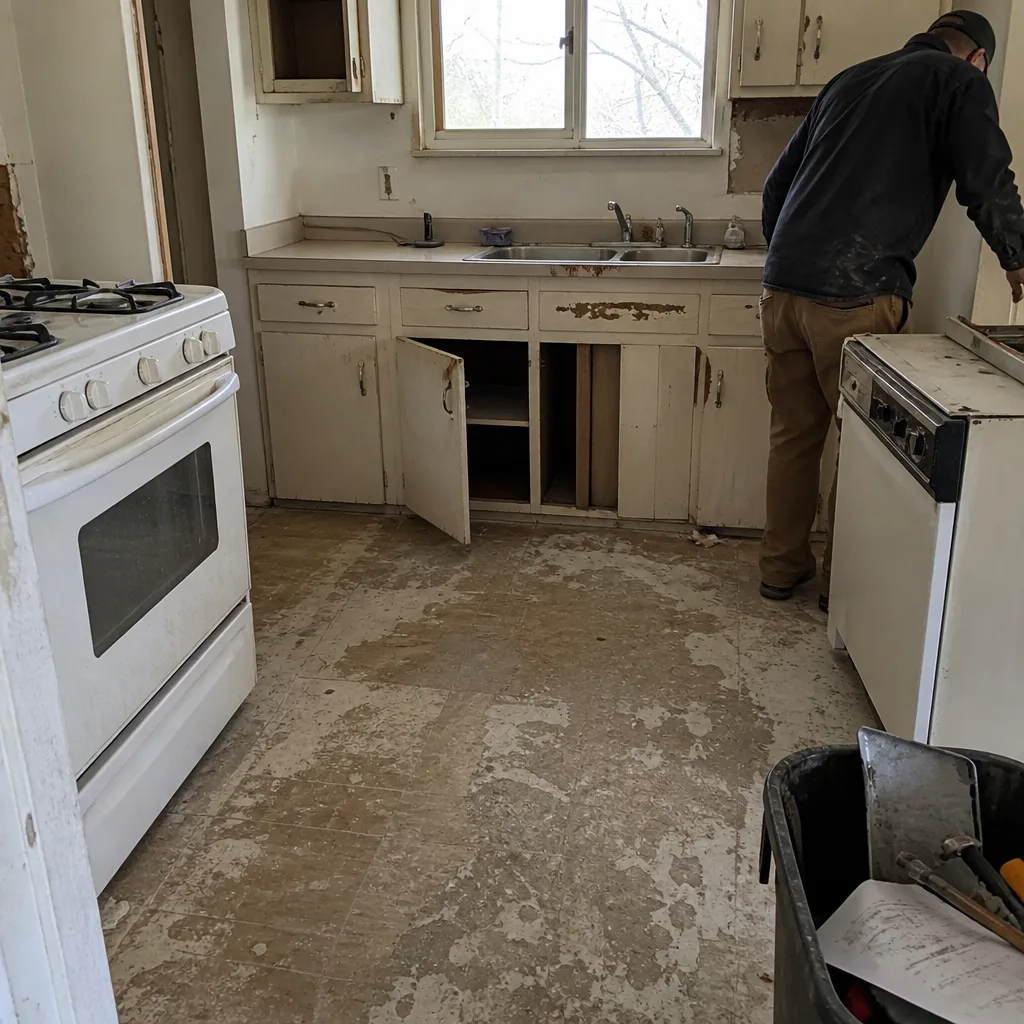 Before
 After
 Before
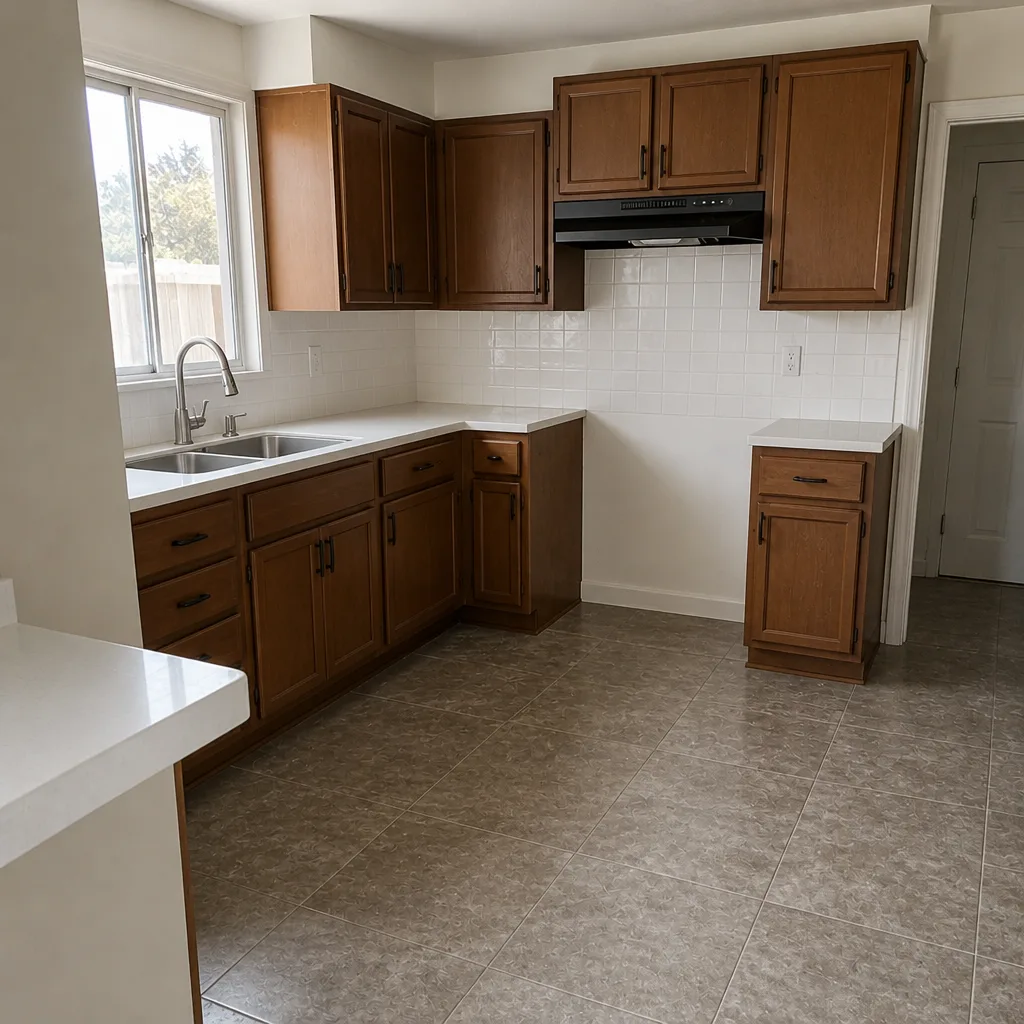 After
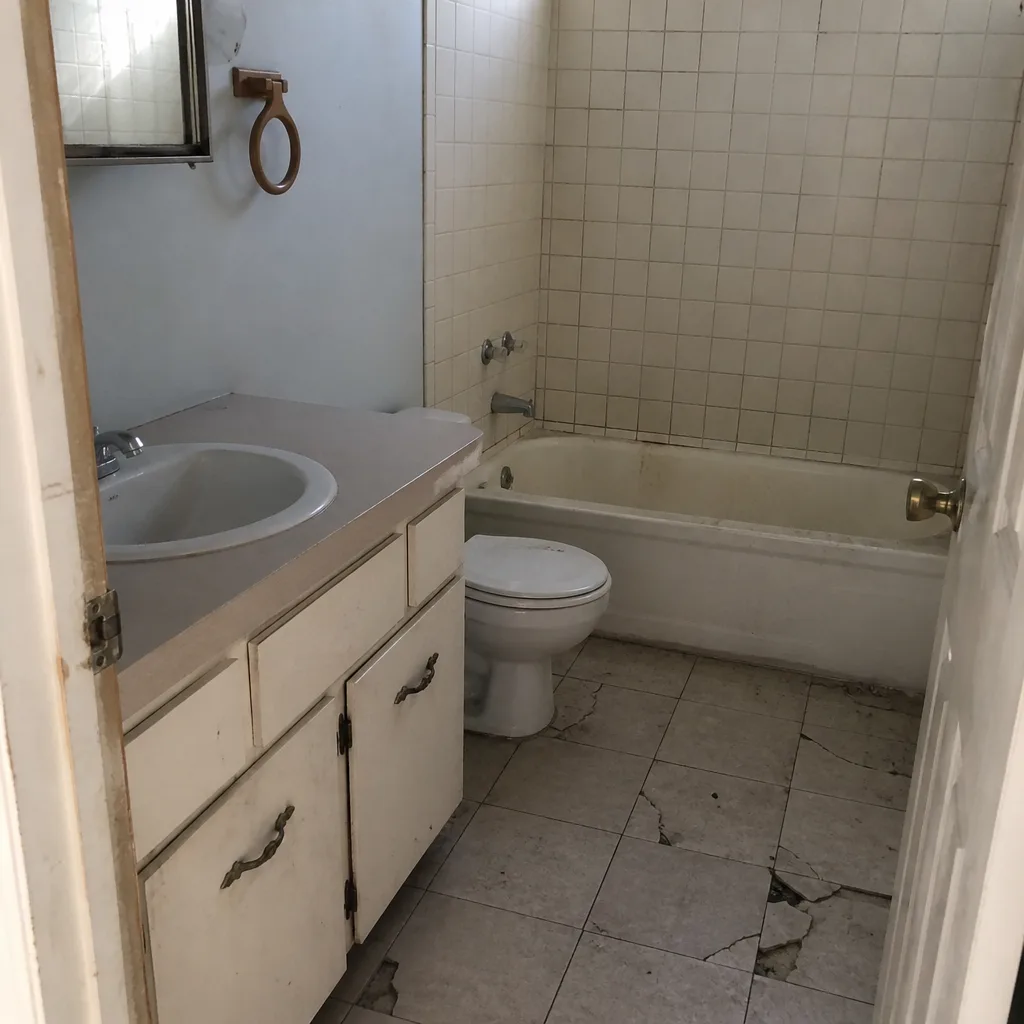 Before
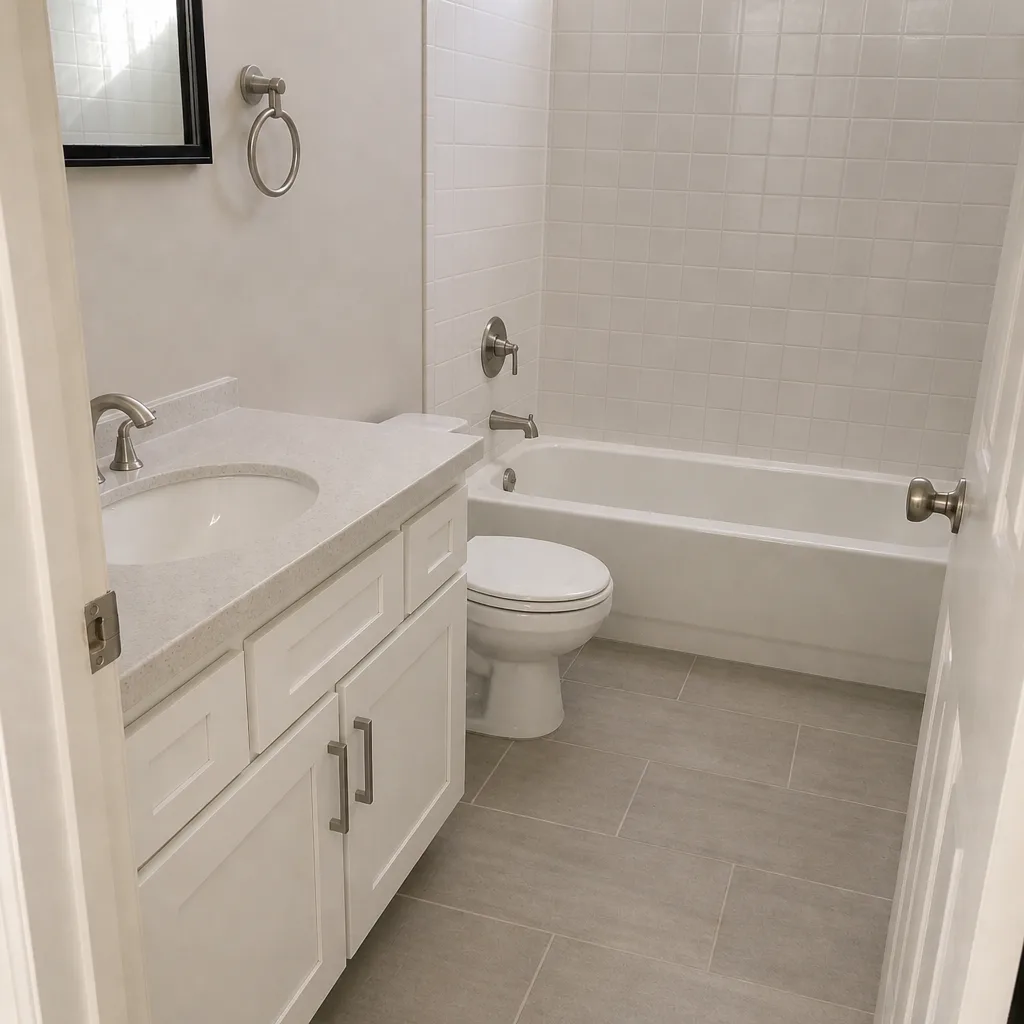 After
When to Call a Professional
Call a professional when the work requires a permit, touches structure or a mechanical system, involves gas or a live electrical panel, or if a future home inspection is going to read what you did and form an opinion about your house. That’s most of the remodel. The safest call is to price the project with a licensed general contractor who will tell you what’s in the permit scope and what isn’t, so you can make a genuine like-for-like decision. Sawyer Remodel Enterprise offers free estimates in Enterprise, and the numbers come back in writing, with the permit scope spelled out. Call (844) 797-5994 and we’ll walk through what’s safe to keep and what we’d want to see licensed and inspected.
Frequently Asked Questions

You can do the cosmetic portions yourself, but most of a bathroom remodel requires permits and licensed trades in Clark County. The rough plumbing, electrical, and any wall changes fall outside DIY scope, while paint, hardware, and caulk are genuinely yours to handle. Call (844) 797-5994 if you want the permit scope clarified before you start, and estimates are free.
Yes. The permit requirement generally applies to the work, not the identity of the person doing it. Structural changes, mechanical work, roof replacement, added bathrooms, and new structures all require a permit whether a licensed contractor or a homeowner does the work. Call (844) 797-5994 for a free walk-through of what your project requires.
It typically costs the seller a retrofit permit, the corrections the county requires to close it out, and the delay at sale. A failed inspection can also put the purchase agreement into renegotiation, which sometimes means the buyer walks. The correction number varies by what was done, so call (844) 797-5994 and we’ll help you understand the scope before a buyer does.
Often not. Policies generally exclude damage caused by faulty workmanship, and damage from unpermitted homeowner work that wasn’t inspected is frequently excluded. The adjacent systems the damage spreads to are the expensive part. Call (844) 797-5994 if you’re trying to sort out a claim from work that was already done.
Paint, cabinet hardware, backsplash planning, and shelf installs are safe DIY. Moving a gas range, changing an electrical circuit, running a new dishwasher line, or shifting the sink plumbing is a licensed-trade, permit-required task. Call (844) 797-5994 and we’ll tell you exactly where the line is on your kitchen layout.
You can for a single-trade project with one inspection phase, but a multi-trade bath or kitchen remodel is where self-GC goes wrong most often. Sequencing failures, missed inspections, and trade arrival times add up to weeks of delay. Call (844) 797-5994 and we’ll price the coordination side so you can compare it honestly to doing it yourself.
The Bottom Line
The DIY-versus-pro question isn’t about capability. It’s about permits, structure, mechanical systems, and what shows up in a future inspection report. Cosmetic work rewards a confident homeowner, and it’s the safest place to start. Structural and mechanical work should go to a licensed professional with a permit, every time. The insurance gap is real, the resale cost of unpermitted work is real, and the honest cost comparison usually favors the pro once you count tool rental, material waste, and redo labor. If you’re in Enterprise and want the permit scope spelled out on your project, that’s the conversation we start with.
Ready to make the call? Call Sawyer Remodel Enterprise at (844) 797-5994 for a free estimate. You’ll get a written price before any work starts, a live arrival time when the day comes, and photo updates before and after. That’s The Relay Visibility Guarantee, and it applies to every project.
Written by the team at Sawyer Remodel Enterprise.