Last updated November 18, 2026







Free written scope consultation - allowances, timeline, and change-order rules on paper before a single trade is scheduled
DIY vs Professional Home Renovation: What’s Safe to Do Yourself
Nevada requires a licensed contractor for any single project over $1,000 in combined labor and materials. That number is smaller than most people think. A “quick weekend project” that involves a new vanity, a tiled shower niche, and a set of fixtures blows past it before lunch. And once you’re over the line, the consequences of doing it yourself are legal and financial, not just cosmetic. This guide draws the DIY line using Nevada licensing rules, insurance exposure, and resale reality instead of how confident a YouTube tutorial made you feel. We’re writing it from Enterprise, where we’ve watched this exact scenario play out on real properties.
Quick Answer
In Nevada, safe DIY covers cosmetic, non-structural work that stays under the $1,000 licensing threshold per project: painting, trim, caulking, swapping a light fixture, installing a shelf. Anything that touches plumbing rough-in, electrical circuits, gas lines, structural framing, or a permitted system (like a bathroom remodel or roof) should go to a licensed professional – not because you can’t learn it, but because unpermitted, unlicensed work can fail inspections, void your homeowner’s insurance, and surface years later during a buyer’s inspection. The line isn’t skill. It’s risk.
Styles & brands we work with
- Kitchen remodeling
- Bathroom remodeling
- Home additions & ADU
- Roofing
- Windows & doors
- Driveway & pavers
- Fence
Table of Contents
- What Nevada’s contractor licensing law actually requires
- Where DIY voids your homeowner’s insurance
- The resale inspection problem with unpermitted work
- Where DIY genuinely saves money (and where it doesn’t)
- How to tell if a previous owner’s DIY is a problem you inherited
- A step-by-step way to decide, project by project
- Common mistakes to avoid
- Frequently asked questions
What Nevada’s Contractor Licensing Law Actually Requires
Nevada law is unusually clear about when a homeowner can work on their own property and when a licensed contractor is required. The short version: a single project over $1,000 in combined labor and materials needs a license from the Nevada State Contractors Board. That threshold is per project, not per year, which is where people get caught. A kitchen backsplash plus a new faucet plus a fresh disposal plus the tile adhesive and grout can clear $1,000 with a single Saturday.
The $1,000 figure is the practical rule. The structural rule is separate: anything that requires a building permit needs a licensed contractor (or an owner-builder exemption well beyond what most DIYers know how to file). Permits apply to electrical panels and new circuits, plumbing relocation, gas line work, structural changes, roofing, and most bathroom and kitchen remodels that touch the “wet wall” behind the sink or shower.
What a homeowner can legally do themselves in Nevada
- Paint walls, ceilings, trim, doors, and cabinets
- Install or replace flooring over an existing subfloor (laminate, some LVP)
- Hang shelves, artwork, curtain hardware, and TV mounts
- Replace a light fixture or outlet on an existing circuit (not add circuits)
- Swap switch plates, cabinet hardware, and appliances that plug in
- Seal, caulk, and weatherstrip
What requires a licensed contractor in Nevada
- Any plumbing rough-in or drain relocation
- Electrical panel work or new circuits
- Gas line installation or modification
- Structural framing, load-bearing wall changes, or beam replacement
- Roofing, siding, window replacement, and stucco
- Tile in showers and wet areas (the waterproofing layer is the permit-triggering part)
If you’re replacing a bathroom vanity or a kitchen layout anywhere in Enterprise, the smart move is to know the threshold before you buy materials. Our Sawyer Remodel Enterprise home page covers the projects we take on if you’d rather confirm the line with someone who works it every day.
Where DIY Voids Your Homeowner’s Insurance
Here’s the part most DIY articles skip. Your homeowner’s policy protects you against sudden, accidental loss. It does not cover damage caused by work you performed on your own home without proper licensing or permitting. When a claim adjuster discovers a $6,000 water loss traced to a DIY shower pan that was never waterproofed correctly, the standard outcome is a denied claim – and in Nevada, some carriers will also flag the policy for non-renewal. That exposure is what turns a $400 DIY save into a $12,000 loss.
The categories where this hits hardest are the ones involving water and electricity. In our experience, these are the four that generate the most post-DIY insurance headaches:
- Shower and tub surrounds. A failed waterproofing membrane leaks silently for months. By the time you see the stain on the ceiling below, the subfloor is compromised.
- Supply and drain plumbing. A shark-bite fitting on a pressurized line behind drywall isn’t a matter of if, it’s when.
- Electrical additions. An unpermitted circuit running to an outdoor kitchen in Enterprise’s desert heat loads up fast. A fire traced to a homeowner-installed circuit is a coverage problem, not just an inconvenience.
- Roofing repairs. A patched vent boot in the wrong material won’t survive a single summer. When monsoon season hits and the ceiling leaks, the claim questions hit before the water does.
Every project we run under The Relay Visibility Guarantee includes background-checked, uniformed technicians and a written price before work starts, which means the insurance paperwork – and the paper trail – is clean from day one. That’s a quieter benefit than you might expect, but it matters the day you file a claim.
The Resale Inspection Problem With Unpermitted Work
Unpermitted work doesn’t disappear. It waits. And then it surfaces during the buyer’s home inspection, usually on the weekend that the sale is finally moving, and usually with a dollar figure attached. This is where the DIY math gets expensive: a permitted bathroom remodel that would have cost you one number on the front end becomes a negotiated price reduction – or a failed sale – on the back end.
In our experience across Enterprise, three things consistently trip up sellers:
- The county permit history pull. Buyers in Enterprise routinely request the county’s permit record for the property. A bathroom that looks new but has no permit trail is a documented red flag, and the buyer’s agent will ask for the difference in writing.
- An unpermitted addition or bumped-out wall. This one is the deal killer. Lenders won’t fund a mortgage on square footage they can’t verify as legal, and appraisers won’t appraise what they can’t count.
- Electrical and gas discrepancies. A home inspector who finds a $350 electrical panel that doesn’t match the permit record will recommend evaluation by a licensed electrician. That recommendation turns into a negotiating chip.
If you’re planning a project in Enterprise and want it done with the permit trail intact, our guide on Bathroom Remodeling in Enterprise walks through what a permitted job actually looks like from the inside. And if you’re considering a smaller, more contained project, Kitchen Remodeling in Enterprise covers which elements of a kitchen remodel are permit-triggering and which aren’t.
Where DIY Genuinely Saves Money (and Where It Doesn’t)
We’re not here to talk you out of every project. Some DIY work is genuinely worth doing yourself, and the savings are real. The trick is knowing which categories are worth your Saturday and which ones are a $200 saving that becomes a $4,000 repair.
Where DIY saves real money
- Painting. Professional-grade paint plus a good roller covers this. We’ve never seen a paint job fail an inspection. Save the labor and put it into materials.
- Cabinet hardware and trim. A $180 order of drawer pulls and a weekend of patience can transform a kitchen. No permit, no risk.
- Caulking and weatherstripping. Small, repetitive, high-impact. In Enterprise’s dry heat, seams open up fast and re-caulking twice a year is real maintenance.
- Fence line repair after wind. Replacing a couple of panels from Barrette or Master Halco stock is a legitimate DIY job. No permit for like-for-like fence repair in most cases.
- Landscape edging and mulch. Low-risk, high-return exterior work that doesn’t touch a permit.
Where DIY creates a more expensive mess
- Shower waterproofing. The Schluter edge trim and membrane system that keeps water out of your subfloor is not forgiving. A re-do means tearing out tile, backer board, and often the subfloor.
- Plumbing relocation. A sink that moves two feet is a drain slope problem, a venting problem, and a permit problem all at once.
- Roofing. A single improper flashing on an Enterprise roof in June heat is a leak waiting for the first monsoon.
- Tile in wet areas. Tile itself is forgiving. The waterproofing layer beneath it is where a first-timer’s job lives or dies.
- Electrical panel work. Panel changes and new breakers require a permit and a licensed electrician in Nevada. There is no homeowner version of this that passes.
The honest summary: DIY pays off in cosmetic and surface work. It costs you in anything that involves water, electricity, gas, or structure. If you’re weighing a bigger project and want a written price to compare against your DIY plan, our General Contractor in Enterprise page is the place to start.
How to Tell If a Previous Owner’s DIY Is a Problem You Inherited
If you bought a home in Enterprise built before 2005 – or one flipped in the last few years – the odds are decent that some of what you inherited was DIY. The question isn’t whether the work exists. It’s whether it’s a problem. Here’s a practical inspection sequence we’d run on any property with questions:
- Pull the county permit history for the address. Compare that record against what’s actually on the property. A bathroom that looks new but has no permit is a starting flag.
- Look under every sink for code-level plumbing. Proper P-traps, secure supply lines, no shark-bite joints behind drywall. A $12 trap is a $12 fix if it’s wrong while you can see it.
- Open the electrical panel cover and photograph it. Look for double-tapped breakers, unlabeled circuits, and romex stapled loosely. A licensed electrician’s inspection is cheap compared to a fire claim.
- Check the shower drains and adjacent walls. A soft spot at the shower curb or a hairline crack at the grout line is a waterproofing question, not a cosmetic one.
- Look at the fence line and any exterior additions. Inspect gate posts and panel anchoring – failed gate hardware on an Ameristar or similar line is often a sign of a quick aftermarket install.
- Walk the attic after a windy day. Loose insulation, gaps at penetrations, and a vent boot that’s clearly newer than the surrounding roof tell you what happened up there.
If any of that surfaces a serious question, get a licensed contractor on-site before you call a realtor. The cost of a second opinion is small compared to the cost of a surprise at sale.
A Step-by-Step Way to Decide, Project by Project
Here’s the decision framework we walk Enterprise homeowners through when they ask “could I just do this myself?” It takes about five minutes and it tends to settle the question with a clear answer.
- Add up labor plus materials. If the total is over $1,000, that project needs a licensed contractor in Nevada. No exceptions, no workarounds.
- Ask whether the project requires a permit. Plumbing, electrical, gas, structural, roofing, and wet-area waterproofing all trigger permits. If it needs a permit, it needs a licensed pro.
- Ask what happens if it fails. If the failure mode is cosmetic (a paint line, a slightly crooked shelf), DIY is fair game. If the failure mode is water damage, fire, or structural compromise, hire the pro.
- Ask whether your insurance covers the failure. For non-permitted or self-performed work, assume the answer is no. That $400 saving looks very different when the failure costs $8,000 out of pocket.
- Ask whether you’ll sell in the next 7 years. If yes, assume the buyer’s inspector will see the work. Unpermitted work that shows up on a home inspection is a negotiating chip that’s more expensive than doing it right upfront.
- If you’re still on the fence, get a written professional estimate. A blown-out line-item quote lets you compare the real cost of hiring against a realistic DIY cost that includes your time and materials.
One thing Enterprise homes in particular tend to need: a moisture-and-heat reality check that other climates don’t require. Desert heat and dry air push wood to shrink and grout to crack faster than most DIY tutorials assume, and monsoon season brings sudden, intense rain that finds every unsealed seam. Any DIY job that involves exterior caulk, exterior seal, or gutter work should be re-checked every spring – and any project that touches a roofline or a wall water seal should go to a professional who knows how those assemblies hold up here.
Common Mistakes to Avoid
- Skipping the $1,000 math. Homeowners often misjudge the threshold because they only count materials. Combined labor plus materials is the number Nevada cares about, and the labor figure on a weekend job is higher than people estimate.
- Trusting a “small job” to a friend with a truck. If the project crosses $1,000 or requires a permit, an unlicensed friend creates an insurance problem and a resale problem. It’s not a favor, it’s a liability.
- Laying tile over an old shower pan. In Enterprise’s dry climate, a hideously humid bathroom makes this look fine for a few months. The failure is happening behind the tile, and it will show up as a ceiling stain in a year or two.
- Painting over a moisture problem. A coat of paint on a bathroom wall hides nothing. Trapped moisture in drywall turns into a $2,000 drywall replacement that a licensed plumber would have caught for a few hundred dollars.
- Doing electrical yourself “because the circuit was already there.” Adding a receptacle to an existing circuit is still a permit-triggering change in Nevada, and it’s the #1 source of post-DIY insurance denials we’ve seen.
- Forgetting the resale angle. A beautiful, unpermitted bathroom remodel in a nice Enterprise neighborhood becomes a buyer’s negotiating chip at sale. The price reduction is usually larger than the cost of doing it correctly the first time.
- Not documenting a project you did hire out. Save the permit number, the final inspection card, and the written price. When you sell, that paper trail is worth real money.
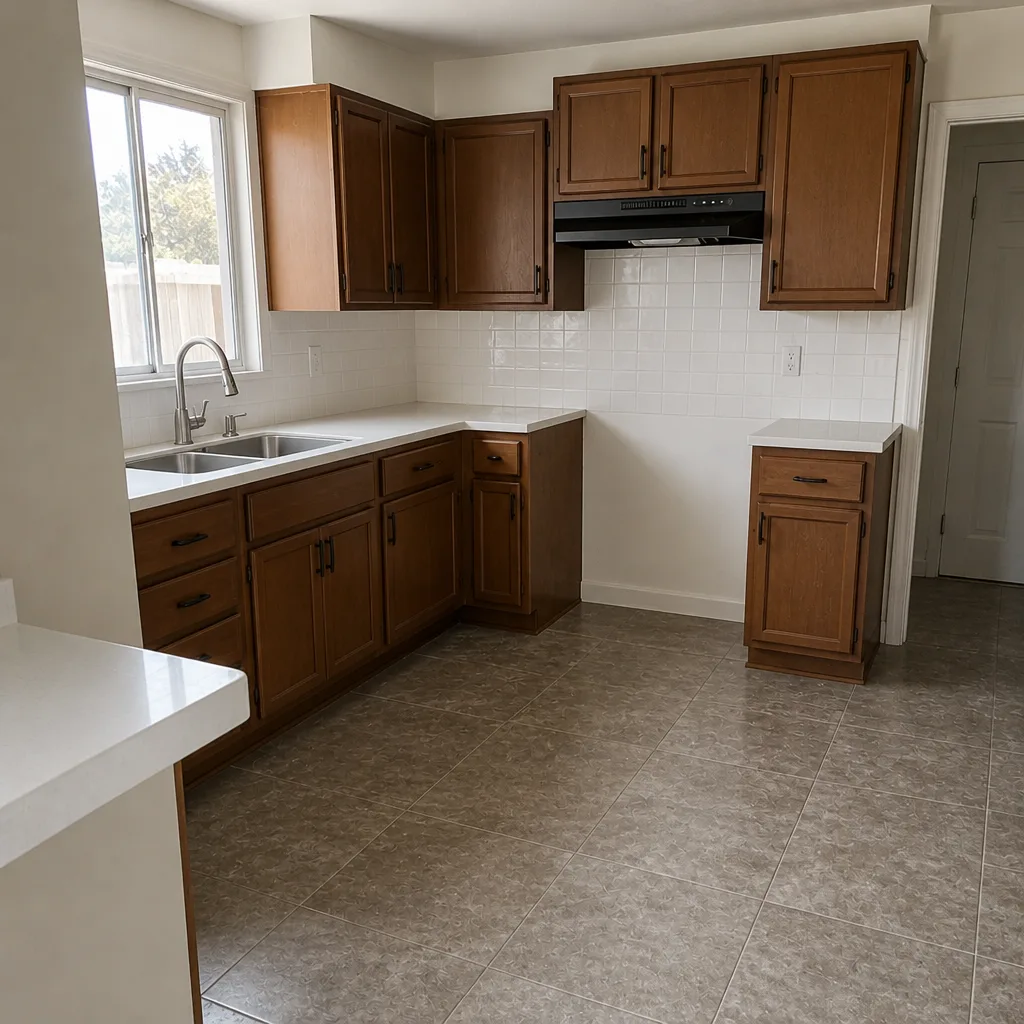
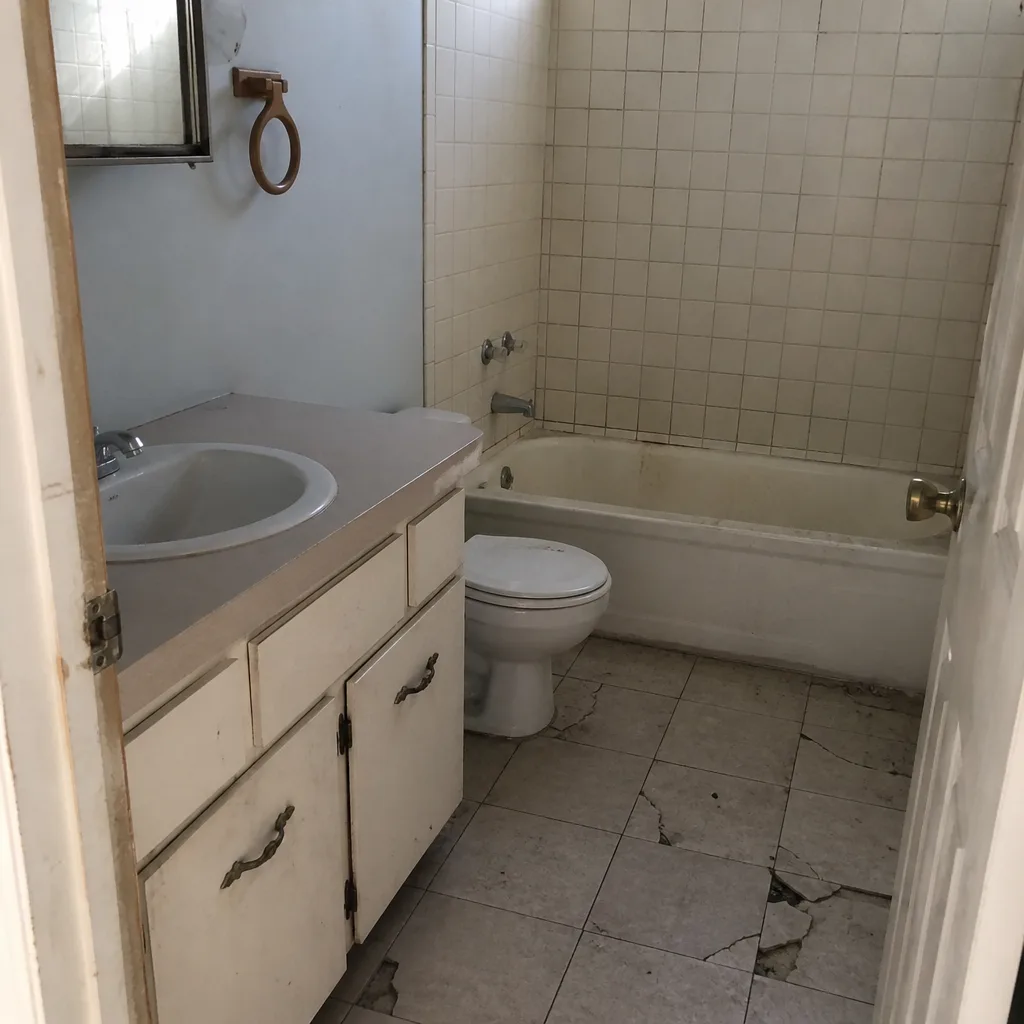
See the difference
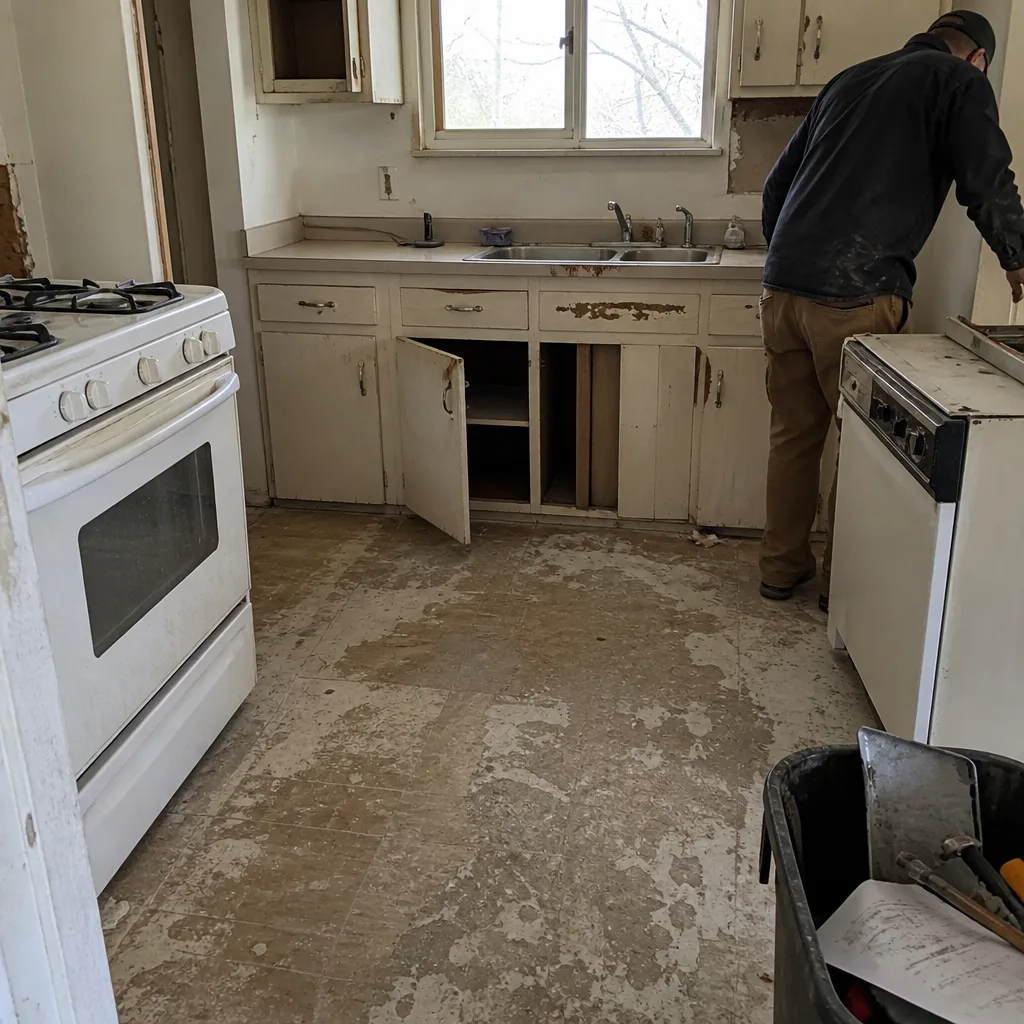 Before
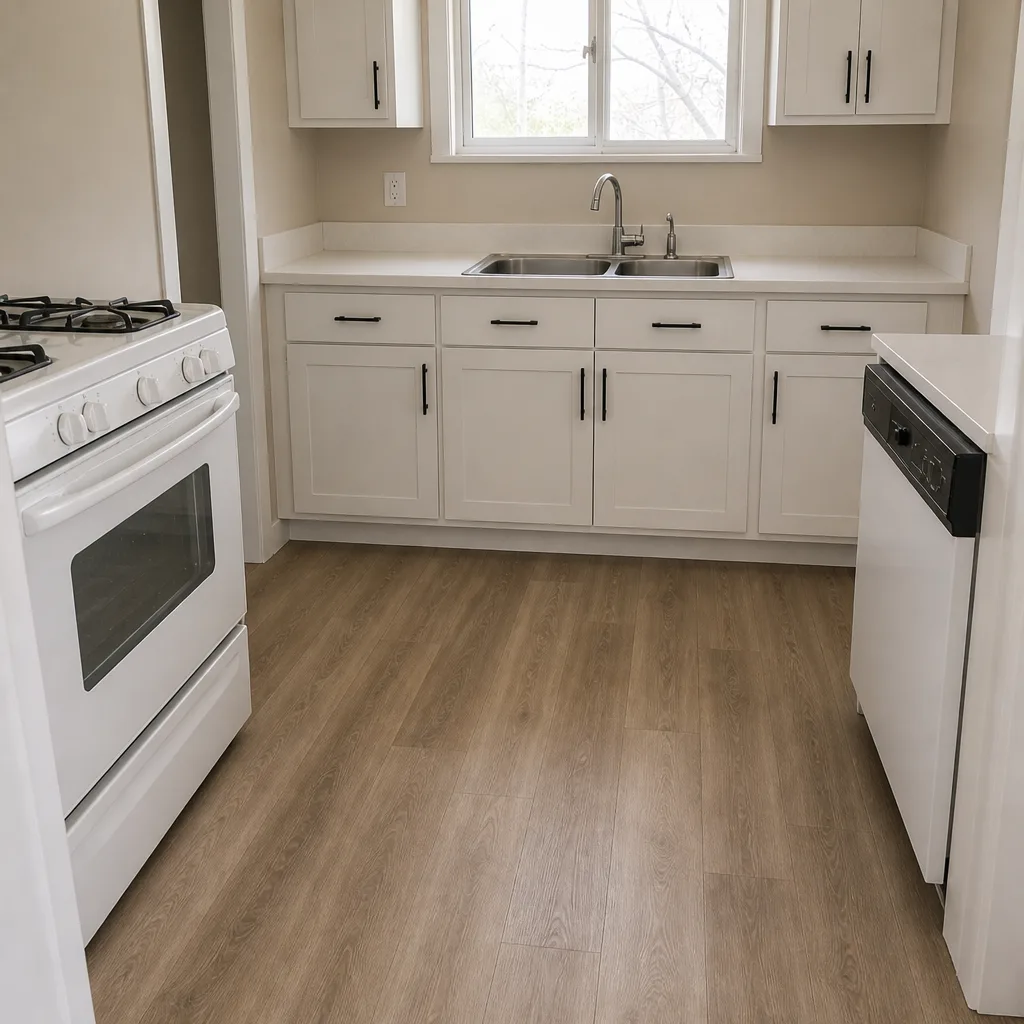 After
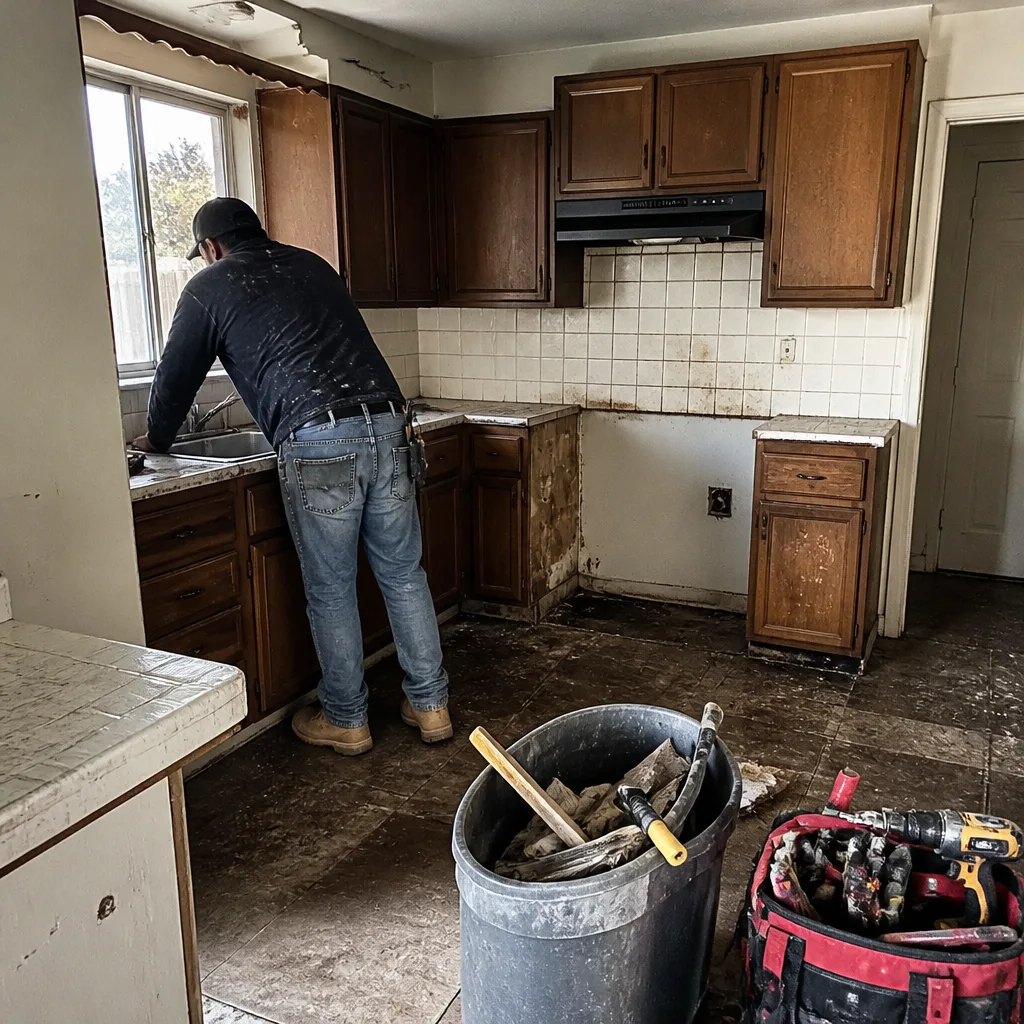 Before
 After
 Before
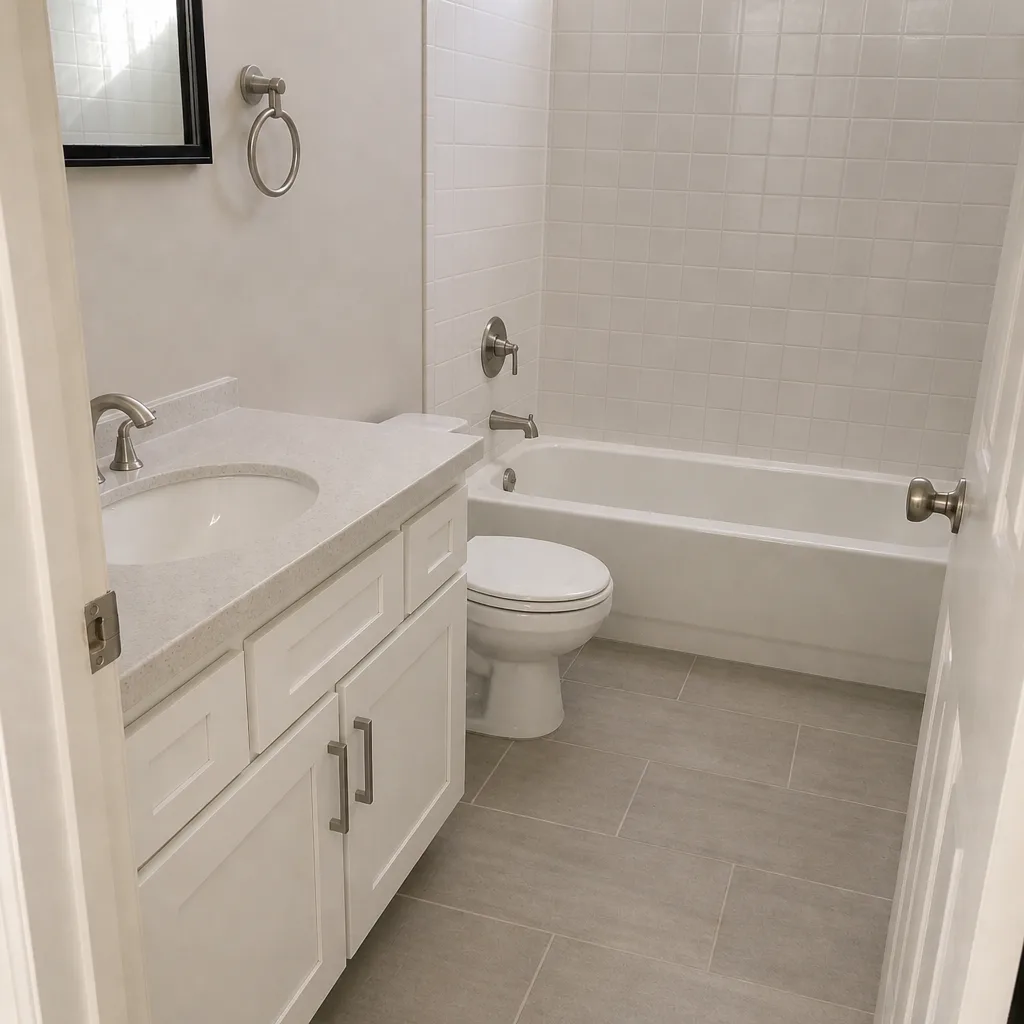 After
When to Call a Professional
If your project requires a permit, touches water or electricity or gas, or crosses the $1,000 threshold in combined labor and materials, it belongs in the hands of a licensed contractor. Same if you inherited a house with suspicious work, or if you’re getting ready to sell in the next few years and want the permit trail clean. The cost of a professional job is a known number that lands in your hands in writing before anyone picks up a tool. The cost of a DIY failure is a surprise that arrives months later, on a claim form or an inspection report. Sawyer Remodel Enterprise offers free estimates in Enterprise – call (844) 797-5994 and we’ll give you the real number for your project before you decide.
Frequently Asked Questions

Yes, for any bathroom remodel over $1,000 in combined labor and materials, and for any work that requires a building permit – which covers the plumbing rough-in, electrical changes, and shower waterproofing in a standard bathroom remodel. Cosmetic swaps like a faucet or a mirror don’t require a license on their own, but they count toward the threshold. Call (844) 797-5994 for a written estimate that lays out exactly what your project requires.
Three things can happen, in order of likelihood. The county can flag the work during a future inspection or during resale. Your homeowner’s insurance can deny a claim for damage caused by the unpermitted work. And a buyer’s inspector can discover the work during a home inspection and negotiate a price reduction larger than the job’s original cost. All three are common in Enterprise – call us at (844) 797-5994 and we’ll help you figure out where your project stands.
Not automatically, but coverage for damage caused by non-permitted, self-performed work is usually denied. The most common claims we see denied are water damage from a DIY shower stall and fire damage from a homeowner-added electrical circuit. If you’re unsure whether a past project on your Enterprise home is a coverage risk, our team can review it during a free walkthrough – call (844) 797-5994.
Pull the county permit history for the address and compare it against the property’s visible work: a bathroom that looks new but has no permit trail is the biggest giveaway. Then check under sinks for plumbing shortcuts, photograph the electrical panel, and look for moisture staining at shower curbs. Anything that surfaces a question should get a licensed contractor’s inspection before you take it further – (844) 797-5994 gets you a free estimate.
If it’s a like-for-like panel replacement after wind damage, DIY is often a fine call – fence repair doesn’t typically require a permit, and the materials from a supplier like Master Halco or Barrette are straightforward to work with. If the repair involves a gate post that’s failed anchor hardware or a full line replacement, that’s a job for a pro. Call (844) 797-5994 if you want a second opinion before you start.
Yes – every job we run includes a written price before any work begins, delivered under The Relay Visibility Guarantee. That’s the same guarantee that gives you a live arrival time, before-and-after photo updates, and a background-checked, uniformed technician on every visit. The number you approve is the number on your invoice. Call (844) 797-5994 to schedule your free estimate.
The Bottom Line
The DIY decision in Nevada isn’t about whether you’re handy. It’s about what happens when something goes wrong. The $1,000 licensing threshold, insurance coverage exclusions for self-performed work, and the resale penalty for unpermitted projects together form a clear line: cosmetic and surface work is yours, and anything that involves water, electricity, gas, structure, or a permit belongs to a licensed professional. If you’re standing on that line and you’re not sure which side of it your project falls on, the honest answer is a free estimate – not a YouTube tutorial, and not a guess.
Sawyer Remodel Enterprise works with homeowners across Enterprise on bathroom remodels and whole-home renovation, and every project is backed by The 365-Day Done Right Promise, no-hassle upfront pricing, and a written price before the first tool is picked up. Call (844) 797-5994 for a free estimate – the price comes in writing, so you’ll know exactly what your project costs before you decide.
Written by the team at Sawyer Remodel Enterprise.