Last updated November 18, 2026







Free written scope consultation - allowances, timeline, and change-order rules on paper before a single trade is scheduled
DIY vs Professional Construction: The Enterprise Homeowner’s Decision Guide
You can tile a backsplash yourself and it’s fine. You cannot demo a load-bearing wall, skip the permit, and sell your house in Clark County without someone finding out. Here’s the counterintuitive part: the DIY-versus-pro decision in Enterprise rarely turns on whether you’re handy. It turns on permit exposure, material availability in a desert market, and whether the mistake you’re about to make is reversible or catastrophically expensive. This guide breaks down the Nevada permit trigger list, what unpermitted work does to your insurance and resale disclosure, the desert-specific traps that wreck standard big-box materials in Enterprise’s UV and heat, where DIY genuinely pays off, and the break-even math most homeowners never run. By the end you’ll know exactly which projects belong on your weekend list and which ones belong to a licensed contractor.
Quick Answer
In Enterprise, cosmetic work like interior paint, finish carpentry, and replacing a vanity top are reasonable DIY projects. Anything involving structural changes, electrical, plumbing, gas, or a permit must be done by a licensed contractor under Nevada law, and unpermitted work can void your homeowner’s insurance and must be disclosed at resale in Clark County. The decision is a legal and financial risk question, not a skill question.
Styles & brands we work with
- Kitchen remodeling
- Bathroom remodeling
- Home additions & ADU
- Roofing
- Windows & doors
- Driveway & pavers
- Fence
Table of Contents
- The Nevada Permit Trigger List
- What Unpermitted DIY Does to Insurance and Resale
- Desert Traps: Why Big-Box Materials Fail in Enterprise
- Where DIY Genuinely Makes Sense in Enterprise
- The Break-Even Math: Pro vs DIY
- Who’s Coming Into Your Home
- Common Mistakes to Avoid
- When to Call a Professional
The Nevada Permit Trigger List: What You Legally Can’t DIY
Nevada doesn’t care how capable you are with a nail gun. State and Clark County rules require a licensed contractor for a specific set of work, and homeowner DIY is simply off the table no matter how many YouTube videos you’ve studied. Knowing this list before you buy materials is the single most useful thing in this guide.
Work that requires a licensed contractor and a pulled permit in Enterprise includes:
- Structural changes – removing or modifying load-bearing walls, adding beams, cutting new openings in exterior walls.
- Electrical beyond swapping a fixture – new circuits, panel work, adding outlets, rewiring, anything past replacing like-for-like devices.
- Plumbing rough-in and relocation – moving drains, relocating a water heater, adding a bathroom or laundry connection.
- Gas line work – any connection, extension, or appliance swap that touches the gas line requires a licensed gas contractor.
- New construction and major additions – room additions, garage conversions, and any structural envelope change.
- Roof replacement and major roof repair – re-roofing and structural roof work fall under licensed roofing contractor requirements.
Finish work is a different story. Painting, hanging drywall on an existing wall, trim carpentry, swapping a faucet, replacing a toilet with the same footprint, and laying tile over an existing sound substrate don’t trigger a permit. That distinction is where your DIY energy belongs. If you’re weighing a larger remodel, our guide to general contractor services in Enterprise covers how a licensed pro sequences the permitted work so inspections pass the first time.
One habit that saves Enterprise homeowners real money: call the Clark County building department before you buy anything, describe exactly what you plan to do, and ask whether it needs a permit. The answer is free and it’s the most important call of the whole project.
What Unpermitted DIY Does to Your Insurance and Resale
Here’s the part that surprises people. Unpermitted work doesn’t just get flagged at inspection – it can quietly damage two things most homeowners protect above all else: their insurance coverage and their ability to sell.
On the insurance side, most homeowner policies require that improvements be done to code by qualified people. If your DIY electrical job causes a fire, the adjuster will investigate whether the work was permitted and inspected. If it wasn’t, the carrier can deny the claim, or pay it and then cancel your policy. That’s a real risk in a market where a single house fire wipes out a decade of equity.
On the resale side, Nevada is a disclosure state. Clark County sellers must disclose known material conditions, and unpermitted work counts. When a buyer’s inspector finds a bathroom addition with no permit history, you get three unpleasant options:
- Retro-permit it. That means opening walls to prove the work is code-compliant, which is often more expensive than doing it right the first time, and it can fail.
- Disclose and discount. Buyers price unpermitted work as a liability, so you absorb a discount plus the negotiating headache.
- Lose the buyer. Lenders can refuse to finance a home with unpermitted structural work, and that kills deals outright.
In Enterprise specifically, the housing stock is relatively recent, which means buyers and inspectors are used to seeing clean permit records and ask sharp questions when they don’t. A pulled permit and a passed inspection aren’t bureaucracy. They’re the paperwork that lets you sell for what the house is worth. Any pro who tells you the permit isn’t needed for permitted work is telling you how they run every other job too.
Desert Traps: Why Big-Box Materials Fail in Enterprise
This is the section no generic DIY guide will give you. Materials sold at the big-box store are engineered for an average national climate. Enterprise is not an average climate. Summer highs push past 110°F, UV index runs extreme, and the air is bone dry for most of the year. That combination destroys standard materials in ways that don’t show up for a season or two – just long enough for you to think the job went fine.
The pattern we see again and again:
- Standard thin-set and adhesive. General-purpose tile adhesives sold as “works for everything” are formulated for moderate humidity. In a sun-baked Enterprise bathroom or exterior patio, they’re more prone to shrinking and cracking as the slab moves in the heat swing. A polymer-modified thin-set rated for high-temperature exposure holds far better. This is exactly the kind of product detail the trade has a name for: Schluter edge trim (the metal strip that waterproofs where your tile meets the floor) and the right membrane matter more in the desert than in a mild climate.
- Exterior paint. Economy exterior paint fails fast under Enterprise’s UV. Standard acrylics chalk and fade within two summers on south- and west-facing walls. Elastomeric or 100% acrylic paints rated for high UV hold their color and flexibility much longer, and the prep matters as much as the paint.
- Caulk and sealants. Cheap painter’s caulk shrinks and cracks within a year when the gap between materials swings 40 degrees or more between day and night. Exterior-rated silicone or polyurethane sealant survives that swing. Where the caulk fails, water intrusion begins, and water intrusion in a desert home is an expensive surprise because it’s usually hidden from the roof or a window flashing.
None of this means you can’t DIY. It means “buy the cheap one” is a false economy in Enterprise. The right desert-rated material narrows the gap between DIY and pro. If you’re choosing finishes anyway, it helps to know what a pro would specify – our kitchen remodeling in Enterprise and bathroom remodeling in Enterprise pages show the material tiers we recommend, including countertops from Cambria, Silestone, and Caesarstone that don’t care about heat or UV. If you’re planning surfaces and want the same material guidance a pro applies, that’s worth a look before you swipe your card.
Where DIY Genuinely Makes Sense in Enterprise
We’re not here to tell you every project needs a contractor – that’s not how the trade actually works, and it’s not honest. There’s a real band of work where a homeowner with a weekend and some patience comes out ahead. Here’s where it makes sense in Enterprise, with realistic time estimates rather than optimistic ones.
- Interior painting. A 12×14 room, prep included, runs most homeowners a full weekend: two coats, cutting in, drying time between. It’s forgiving, and mistakes cost you paint, not a wall. Budget roughly 6 to 10 hours per average room for a careful job.
- Finish carpentry. New baseboards, crown, or window casings are a good DIY step up. Expect 2 to 4 hours per room plus the learning curve on your first mitered corner. This is where a homeowner can genuinely match a pro’s result with care.
- Cosmetic updates. Swapping cabinet hardware, replacing a vanity top with the same footprint, refacing doors on existing boxes, updating light fixtures that connect like-for-like, and painting cabinets (taken slowly) are all sensible.
- Tile on a sound substrate. A backsplash or a small floor area over an existing good substrate is a fair DIY project. Budget 1.5 times your estimate for your first tile job. It’s slow, not dangerous.
The dividing line is simple. Cosmetic and finish work: yours. Structural, electrical, plumbing, gas, and anything that needs a permit: a licensed pro’s. Stick to that line and you’ll get real value out of your weekends without taking on risk you can’t price.
The Break-Even Math: When a Pro Is Actually Cheaper
Here’s the math that changes minds. DIY looks cheaper because you only count materials. Once you count everything, the gap narrows fast – and for certain projects, it flips.
Run the numbers on a typical Enterprise bathroom tile job or a deck rebuild and you start adding up:
- Tool rental. A tile saw, a wet saw, a nail gun and compressor, a demo hammer – big-box rental runs $40 to $120 a day each, and you need them for more days than a pro does because you’re learning as you go.
- Material waste. A pro buys 10% overage and works efficiently. A first-timer often wastes 20 to 30% on cuts, breaks, and re-dos. On countertop and tile, that waste can be a couple hundred dollars alone.
- Permit self-filing time. If you’re allowed to file as an owner-builder on an eligible project, you’ll spend hours on paperwork, plan review, and inspection scheduling – usually during business hours, which means time off work.
- The redo cost. The real breaker is doing it twice. A failed waterproofing job means paying for materials a second time and possibly a pro to fix the first attempt.
Do the arithmetic honestly and the pattern is clear. For small cosmetic work, DIY wins on cost. For anything with real tool needs, permit time, or a high chance of a redo, the pro is often cheaper once you count the total. That’s before you count the value of a written warranty. In Enterprise, the desert heat makes a poorly installed exterior product fail faster, which amplifies every one of these numbers. Call us at (844) 797-5994 and we’ll give you a written price range for the project so you can compare it against your DIY total with real figures.
Who’s Coming Into Your Home
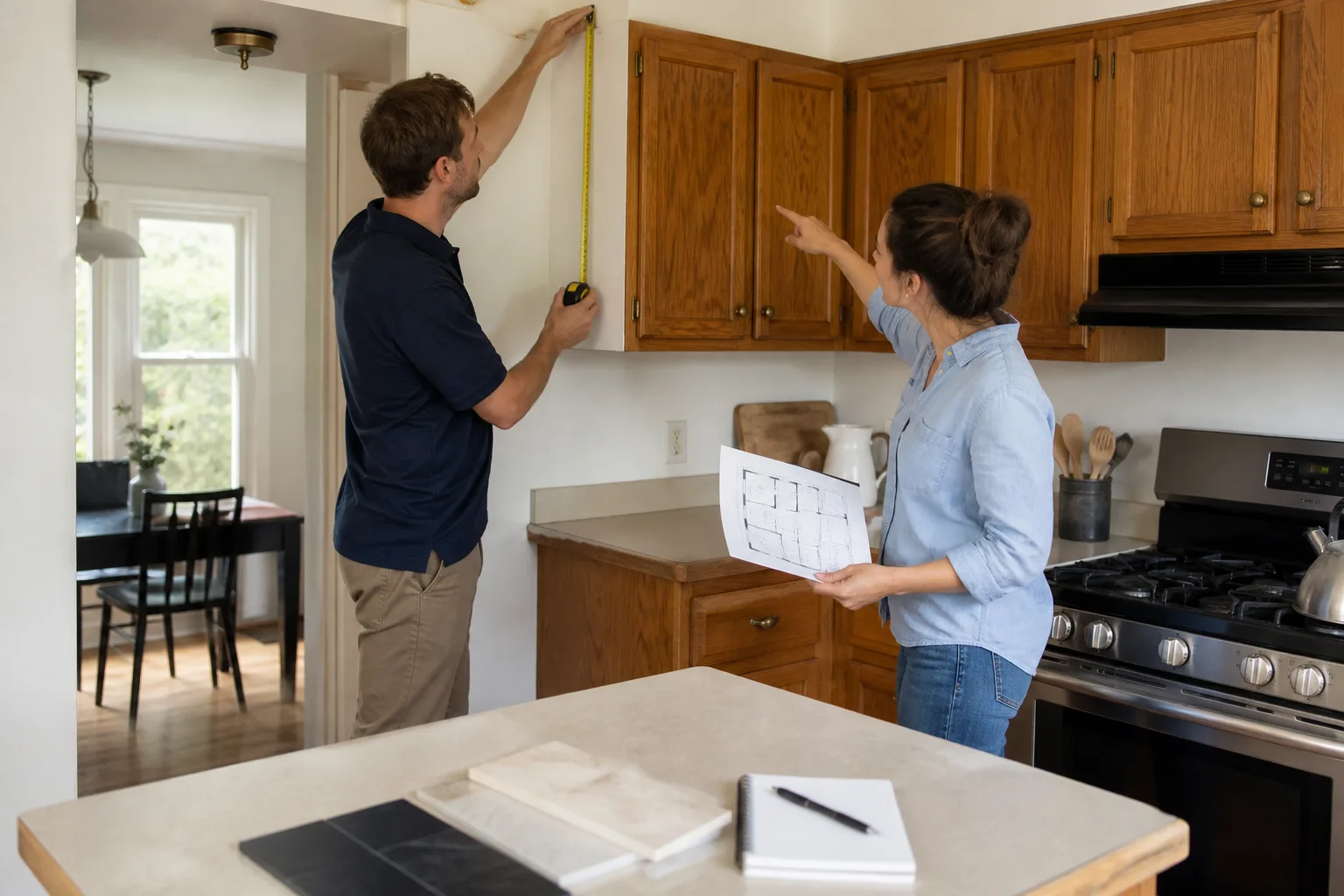
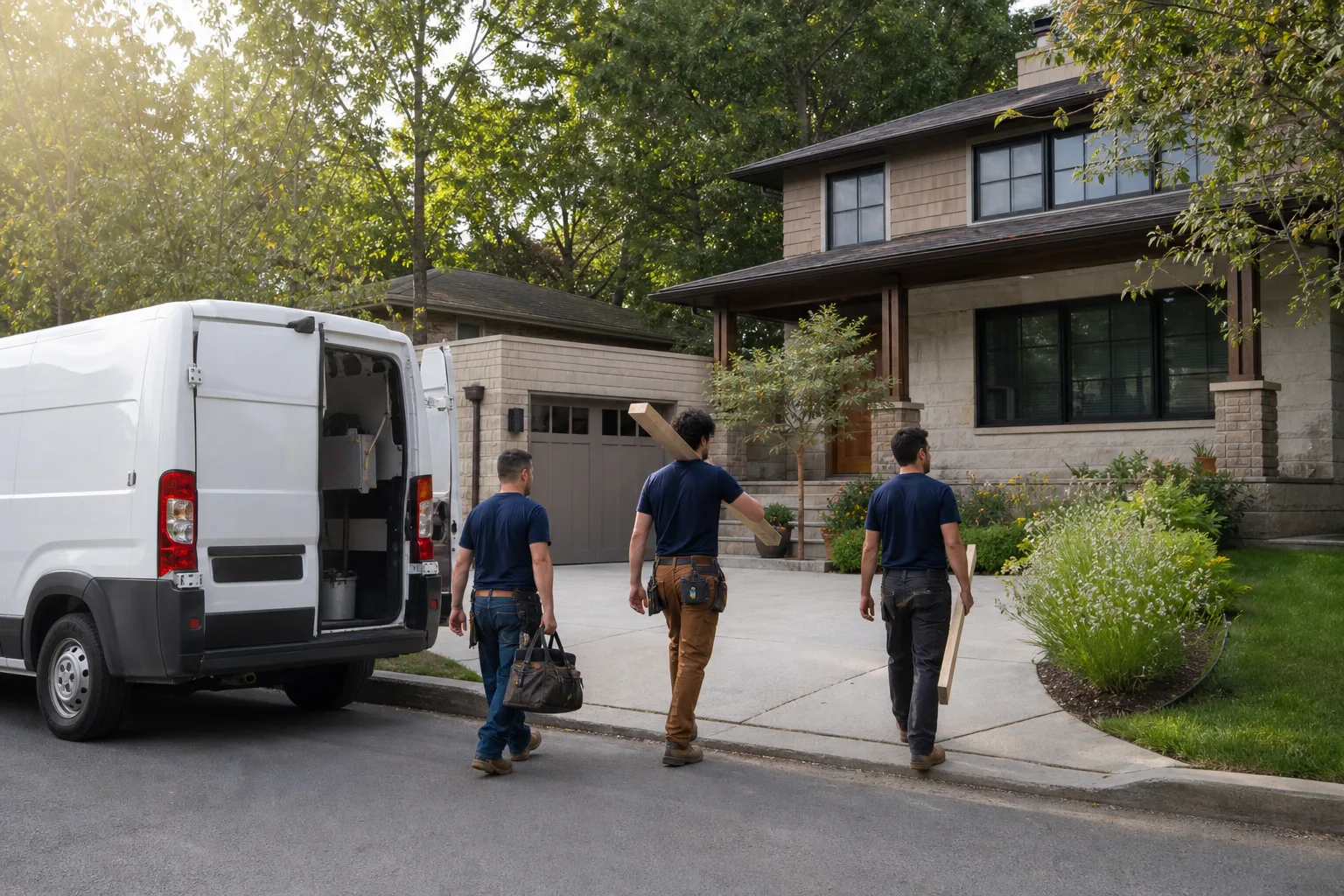
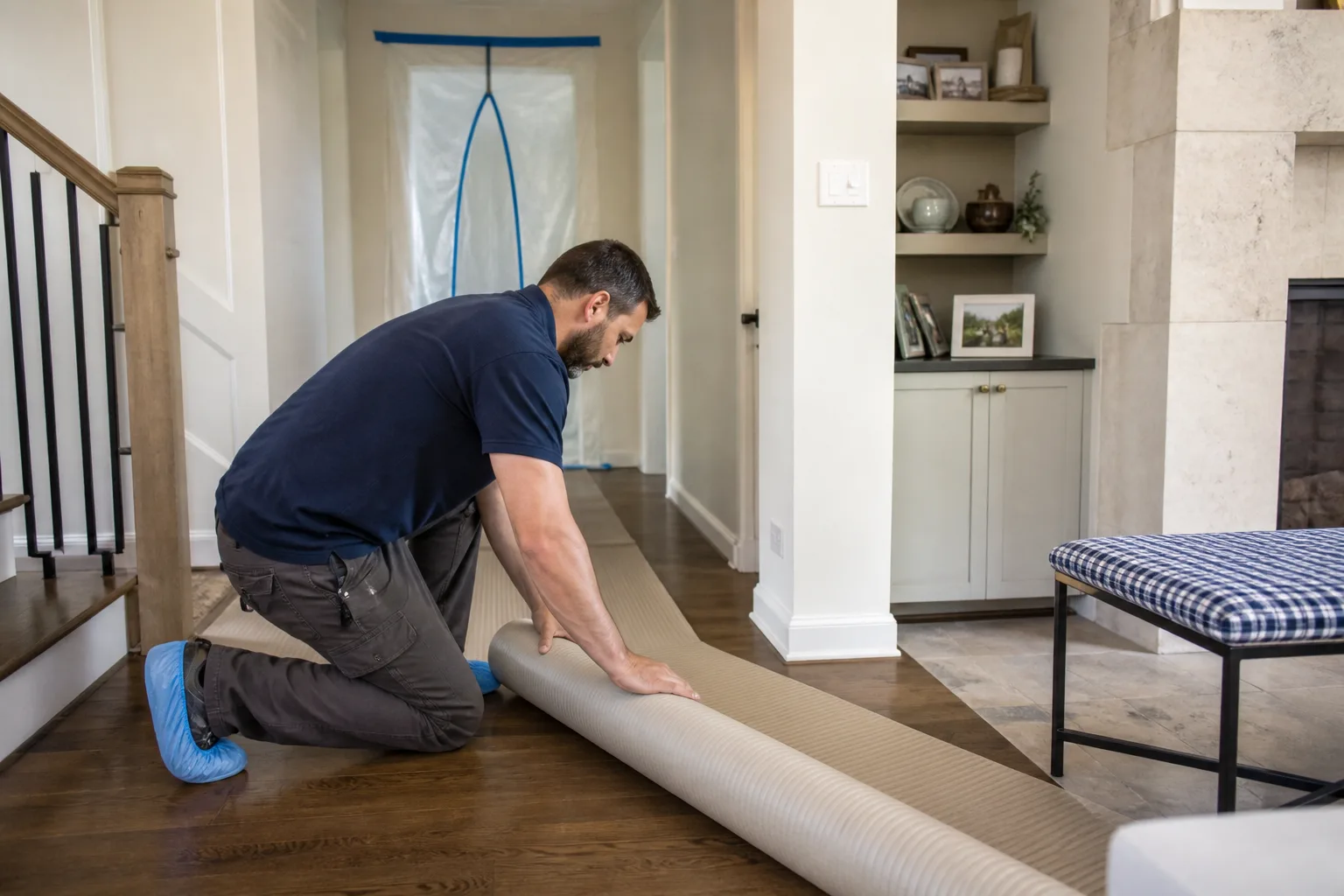
One more variable most DIY-versus-pro comparisons skip: when you hire, you’re also deciding who walks through your door, when they arrive, and whether you’ll be chasing them. A cheap quote that comes with an unvetted crew and a four-hour arrival window is not actually cheap. That’s the gap The Relay Visibility Guarantee was built to close, and it’s why every Sawyer Remodel Enterprise project operates under it: a live arrival time, before-and-after photo updates, and a written price before any work starts. The technicians are background-checked and uniformed, so you know who’s coming before they ring the doorbell. Calls are answered by a live person, so you’re not leaving voicemails. And every job carries the 365-Day Done Right Promise – if it’s not done right, we make it right, in writing. For a homeowner weighing a five-figure remodel against DIY, that certainty belongs on the pro side of the ledger.
Common Mistakes to Avoid
- Assuming a permit isn’t needed because the wall “looks” non-structural. In Enterprise, plenty of interior walls carry load, and a contractor’s assessment before demo is cheap compared to the repair. Never open a wall to find out.
- Buying big-box tile adhesive for a desert bathroom. Standard thin-set underperforms under Enterprise’s heat swing. Pay for polymer-modified and a proper waterproofing membrane, or don’t tile it.
- Skipping the pre-project permit call. Five minutes on the phone with Clark County saves a five-figure retrofit. It’s the single best habit in this guide.
- DIYing gas or panel work because “it’s basically the same as the old one.” Gas lines and electrical panels are the two places where the downside isn’t money – it’s safety. There’s no DIY trade-off worth it.
- Not budgeting for waste. First-timers routinely underestimate how much tile, lumber, and paint they’ll scrap. Add 20 to 30% to your material list for your first try at a job.
- Forgetting the resale paperwork. A slick DIY finish with no permit history is a disclosure liability in Nevada. Clean records protect the value of the home.
- Comparing only the invoice. The real comparison includes tool rental, waste, permit time, redo risk, and warranty. Add them up before you decide.
See the difference
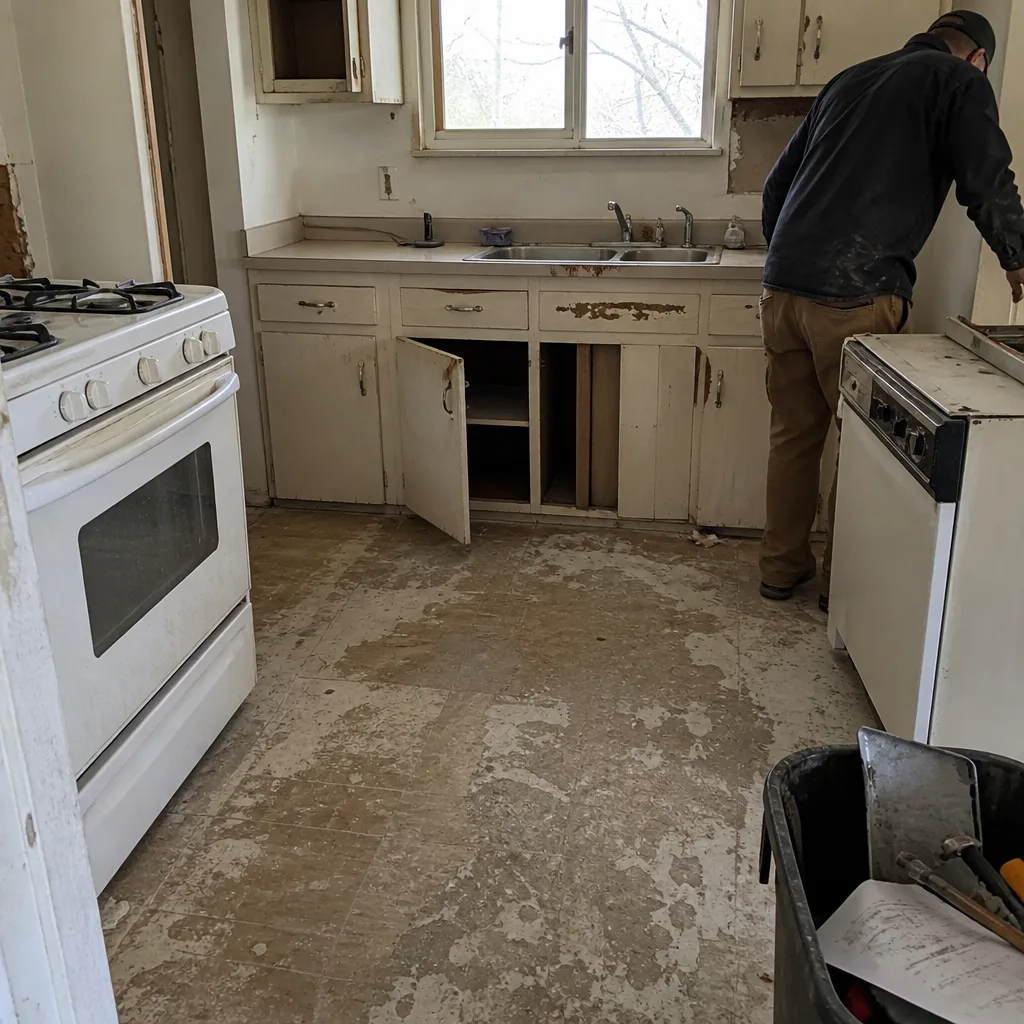 Before
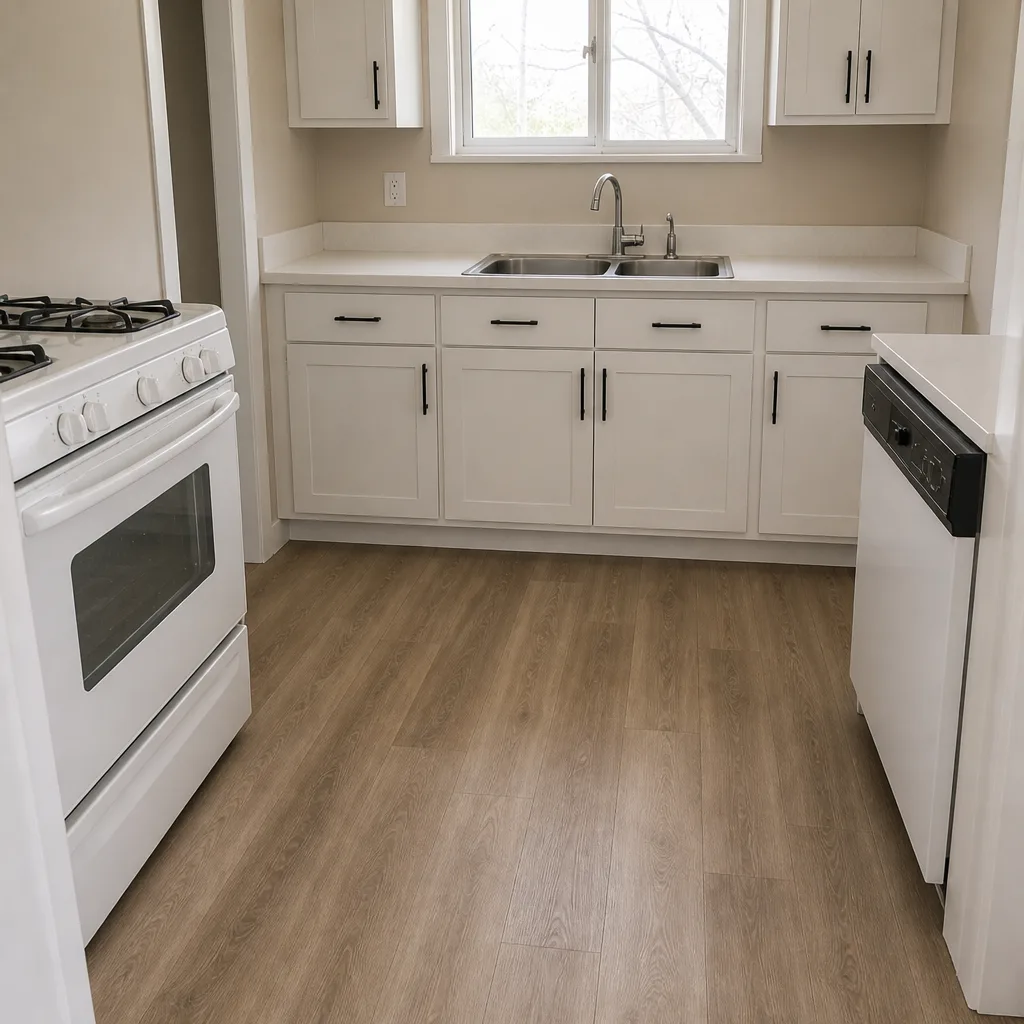 After
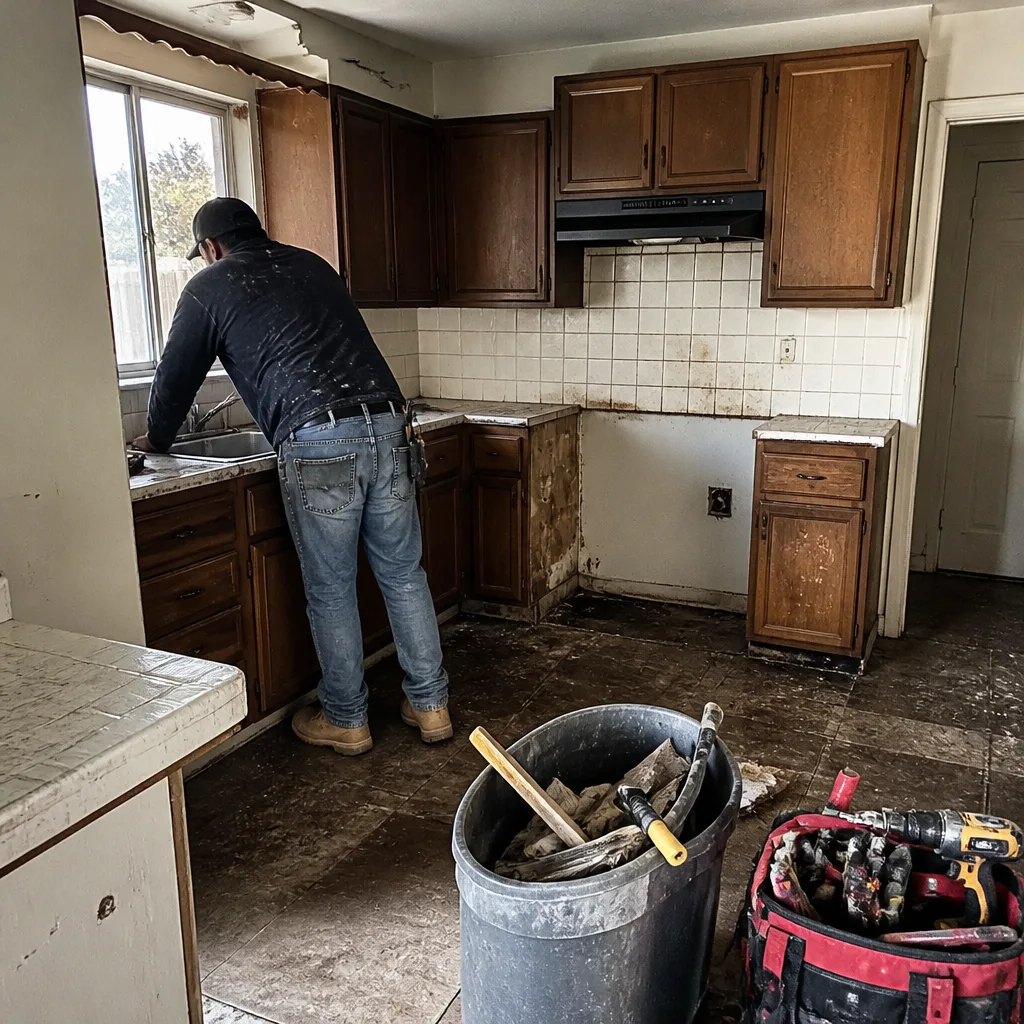 Before
 After
 Before
 After
When to Call a Professional
Call a licensed contractor when the work touches structure, electrical, plumbing, gas, the roof, or anything that needs a permit. Call when the job needs tools you’d have to rent and learn. Call when a failed attempt means opening a wall or a floor a second time. And call when the work sits inside a room your family uses daily, because a stalled DIY bathroom is a month of inconvenience. For Enterprise homeowners, the practical move is to get a written price before committing either way – that’s the only way to compare honestly. Sawyer Remodel Enterprise offers free estimates in Enterprise, with a written line-item price before any work starts – call (844) 797-5994 to schedule yours. Start at the Sawyer Remodel Enterprise home page if you’d like to see how projects run under The Relay Standard.
Frequently Asked Questions
You can legally replace like-for-like fixtures, but new circuits, panel work, relocating plumbing, and any gas line work require a licensed contractor and a permit in Nevada. Swapping a light fixture or a faucet is fine; extending a circuit or moving a drain is not. If you’re unsure which side of the line a job falls on, call (844) 797-5994 and we’ll tell you straight – estimates are free.
Yes. Most insurers require improvements to be done to code by qualified people, and if a claim is caused by unpermitted work, the carrier can deny it or cancel your policy afterward. The safest path is to permit and inspect any work that requires it, and keep the records.
Nevada is a disclosure state, so known material conditions – including unpermitted work – must be disclosed, and lenders can refuse to finance a home with unpermitted structural work. Missing permit records can force a retro-permit, a discount, or a lost sale. Clean paperwork protects your price.
Standard adhesives, exterior paints, and caulks sold at big-box stores are formulated for a moderate national climate, and Enterprise’s 110°F-plus summers, extreme UV, and temperature swings break them down within a season or two. Polymer-modified thin-set and 100% acrylic or elastomeric exterior paint rated for high UV last markedly longer. Material choice matters more in the desert than anywhere else.
For a full bathroom remodel, the pro is usually cheaper once you count it honestly – tile saw and demo tool rental, 20 to 30% material waste, permit self-filing hours, and the risk of a redo on waterproofing. Cosmetic elements like painting and hardware are where DIY saves real money. Call (844) 797-5994 for a written price range so you can compare with real numbers.
Every Sawyer Remodel Enterprise project is backed by The Relay Visibility Guarantee – a written price before work starts, live arrival time tracking, and before-and-after photo updates – plus the 365-Day Done Right Promise and a written guarantee on every repair. That’s a full year of accountability after the project closes, which no DIY job can match.
The Bottom Line

The DIY-versus-pro question in Enterprise isn’t about how handy you are. It’s about three things: permit exposure under Nevada law, material performance in a brutal desert climate, and whether a mistake is reversible or catastrophic. Cosmetic work – interior paint, finish carpentry, hardware, like-for-like swaps – is genuinely worth doing yourself. Permit-required work – structure, electrical, plumbing, gas, roofing – belongs to a licensed contractor, because the downside isn’t a bad weekend, it’s an uninsurable home and a stalled sale. And once you run the full break-even math, most mid-size jobs tip toward the pro. Get a written price in Enterprise before you decide. Call (844) 797-5994 for a free estimate.
Written by the team at Sawyer Remodel Enterprise.