

Last updated November 18, 2026








Free written scope consultation - allowances, timeline, and change-order rules on paper before a single trade is scheduled
Seasonal Construction Care for Enterprise: Year-Round Homeowner’s Guide
Enterprise doesn’t have a winter-prep problem. It has a July – August monsoon intrusion problem, a May – June stucco crack season driven by thermal expansion, and a narrow November window when exterior concrete and painting finally cure the way they’re supposed to. Most seasonal maintenance guides are written for places with snow. Here in Enterprise, the forces working on your home are UV radiation, blowing desert dust, and overnight temperature swings that can hit 50 degrees between an afternoon high and a 4 a.m. low. Wood, stucco, sealant, and roofing membrane all expand and contract against that cycle every single day. This guide walks through the Enterprise calendar season by season, so you know what to check, when to check it, and when to call someone.
Quick Answer
In Enterprise, seasonal construction care means working with a desert calendar, not a snow calendar: seal roof penetrations and stucco joints in May – June before monsoon moisture arrives, inspect fascia and soffit within 48 hours of any heavy July – August storm, schedule exterior concrete, stucco repair, and painting in the October – November efficiency window, protect exposed plumbing before the rare freeze, and catch UV damage to decks and exterior surfaces in March – April before peak heat accelerates it.
Styles & brands we work with
- Kitchen remodeling
- Bathroom remodeling
- Home additions & ADU
- Roofing
- Windows & doors
- Driveway & pavers
- Fence
Table of Contents
- Pre-Monsoon Checklist: May – June in Enterprise
- Monsoon Response: What to Inspect Within 48 Hours
- The Fall Efficiency Window: October – November
- Winter in Enterprise: What Actually Fails
- Spring UV Assault: The March – April Inspection
- Your Year-Round Enterprise Maintenance Calendar
- Materials That Hold Up Under Enterprise Sun
- Common Mistakes to Avoid
Pre-Monsoon Checklist: May – June in Enterprise
The two months before the monsoon are the most valuable maintenance weeks on the Enterprise calendar. Once the July storms start, water finds every gap you didn’t seal, and finding the leak after the fact costs far more than sealing it beforehand. Think of May and June as the window where you get ahead of the season instead of reacting to it.
Here’s what we tell Enterprise homeowners to work through before the first storm:
- Check every roof penetration. That means the boots around plumbing vents, the flashing at the chimney or skylight, and the sealant around any HVAC curb. These are the first places monsoon water gets in because they’re the smallest targets and the easiest to overlook.
- Clear window weep holes. Desert dust and blown grit clog the small drainage slots at the bottom of window frames. If they’re blocked, water backs up behind the frame and finds its way into the wall instead of draining outside. If your home has PGT or CGI windows, the manufacturer publishes a weep-hole cleaning routine worth following.
- Seal stucco joints and control joints. Stucco moves with temperature. The joints are designed to flex, but only if the sealant inside them is intact. A hairline gap in June becomes a moisture path in July.
- Look at the fascia and soffit. Sun-baked fascia boards on the south and west sides of an Enterprise house dry out and split. Split wood wicks water and starts to rot from the inside.
- Confirm your grading and drainage. Water should move away from the foundation, not pool against it. In a heavy monsoon burst, a flat grade turns your slab edge into a wading pool.
If you’re planning an exterior project alongside this maintenance, the pre-monsoon weeks are also a good moment to talk through timing with a general contractor in Enterprise so the work lines up with the weather rather than fighting it.
Monsoon Response: What to Inspect Within 48 Hours
A single heavy monsoon cell can drop more rain in an hour than Enterprise sees in some entire months. The 48 hours after that storm are your best chance to catch damage before it spreads, because water stains and swollen wood are still fresh and the source is easier to trace. Waiting a week means the evidence dries and the problem hides.
Walk the exterior with a notepad and look specifically at:
- Fascia and soffit: sagging, staining, or paint that’s bubbling from moisture behind it.
- Entry-point caulk: the caulk lines around doors, windows, hose bibs, and where two exterior materials meet. Any gap that let water in will still be soft or discolored.
- Interior ceiling and wall corners: faint brown rings on the ceiling, or paint that feels soft, point to a roof or flashing leak that only shows under heavy rain.
- Window frames and sills: pooled water or grit in the track, especially if your windows are CWS or ES Windows units, which have specific drainage designs worth understanding.
- Stucco cracks: new cracks, or existing ones that widened and now show a damp line.
- Ground and grading: anywhere water stands longer than an hour after the rain stops.
One thing to be clear about: this is an inspection list, not a repair list. If you find an active leak, a sagging soffit, or moisture inside a wall cavity, that’s a job for a trained professional. Water behind stucco or inside a wall does damage you can’t see, and poking at it yourself usually pushes the problem deeper. Photograph what you find, then get an assessment.
The Fall Efficiency Window: October – November
By mid-October, Enterprise daytime highs finally drop out of the 90s and the overnight lows settle. For exterior construction, that’s the window the whole year is waiting for. Concrete cures properly instead of flashing off in 110-degree heat. Paint and stucco patch reach their published cure times. Sealants set without blistering. If you’ve been putting off exterior concrete, stucco repair, or painting, October and November are when you want it scheduled.
Why does the temperature matter so much? Concrete poured in peak summer heat loses moisture too fast and the surface can crack or dust; painting in extreme heat causes lap marks and poor adhesion; stucco patch that dries too quickly shrinks and cracks. The fall window lets these materials do what the manufacturer actually specifies.
Use the window for:
- Exterior concrete – driveways, patios, walkways. The moderate temperatures let it cure evenly.
- Stucco repair and repainting – the deep stucco cracks from the June expansion season can be addressed before they open again next spring.
- Deck refinishing – stain and sealer need temperatures within the manufacturer’s range to bond correctly.
- Roof and exterior prep – scheduling this season’s exterior assessment so you’re not scrambling in May.
This is also the natural season to plan a bigger exterior-inclusive project. A Sawyer Remodel Enterprise home renovation planned in the fall can line up framing, stucco, and finish work across the efficient weather months instead of squeezing them into the monsoon.
Winter in Enterprise: What Actually Fails
Enterprise doesn’t get a real winter, but it does get a handful of hard freezes overnight every year, and that’s enough to cause the two failures that catch homeowners off guard: HVAC problems and plumbing insulation. The rest of the “winter prep” list most guides push on you is mostly unnecessary here. No snow-load concerns, no ice dams, no gutter-heater season.
Focus on what actually breaks in an Enterprise freeze:
- Exposed plumbing. Hose bibs, exterior pipe runs, and pipes in uninsulated garages or crawl spaces are the most common freeze failures. A single overnight low in the 20s is enough to split an unprotected exterior pipe. Insulate before the first hard freeze forecast, not after.
- HVAC stress. Cold snaps in Enterprise push the heat side of your system for the first time in months, and that’s when a failing igniter, capacitor, or heat exchanger shows up. A pre-season check is cheap compared to a mid-January failure.
- Expansion-joint sealant. Cold snaps shrink sealant and open the small gaps it spent all summer keeping closed. Check the exterior sealant line on the shady side of the house.
- Irrigation systems. If you have a drip or sprinkler system, drain or insulate the exposed backflow and valve assembly before the first freeze.
What you can stop worrying about: snow load, ice damming, frozen gutters, and salt damage. None of those apply. Save the effort for the plumbing and HVAC items that genuinely do.
Spring UV Assault: The March – April Inspection
By March, Enterprise is back in the 80s and climbing. That’s when UV exposure starts to accelerate any damage already on your exterior surfaces. Wood that dried and checked over the winter will crack faster under strong spring sun. Caulk that has thinned gets brittle. Paint that’s lost adhesion lifts and peels. If you catch this in March or April, you’re repairing small things. Wait until the June heat and the same small things turn into large ones.
Walk the exterior and check these surfaces specifically:
- Decks and wood trim. Look for gray, splintering grain and any board that’s gone soft. South- and west-facing boards age fastest in Enterprise sun.
- Paint film on stucco. Check for chalking, cracking, or peeling on the hottest walls. In our experience, the sun-facing sides of an Enterprise house typically need attention years before the shaded sides.
- Sealant on windows and doors. Press a fingernail into the caulk. If it’s hard or pulling away from the frame, it’s ready to fail.
- Roof and flashing. From the ground with binoculars, look for lifted shingles, exposed nail heads, or flashing that has separated. Do not walk the roof yourself; this is one of the jobs that belongs to a professional.
- Exterior HVAC and utility penetrations. The sealant where the AC lines and electrical conduit enter the wall gets baked year after year and quietly opens up.
Your Year-Round Enterprise Maintenance Calendar
Here’s the whole year condensed. Print this list and stick it inside a cabinet door. It’s the same sequence we recommend when we’re mapping out a kitchen remodel in Enterprise or a bigger exterior project, because the weather drives the schedule either way.
- March – April (Spring UV inspection): Inspect decks, paint, caulk, roof from the ground, and exterior penetrations. Repair small damage before heat accelerates it.
- May – June (Pre-monsoon sealing): Seal roof penetrations and flashing, clear window weep holes, seal stucco joints, check fascia, confirm grading drains away from the foundation.
- July – August (Monsoon response): Inspect fascia, soffit, entry-point caulk, interior ceiling corners, and grading within 48 hours of any heavy storm. Photograph and call a pro for active leaks.
- September (Post-monsoon review): Confirm there’s no hidden moisture damage from the summer and get repairs scoped before the fall scheduling window fills up.
- October – November (Fall efficiency window): Schedule exterior concrete, stucco repair, painting, and deck refinishing. Get exterior assessments done for next year.
- November – December (Pre-freeze protection): Insulate exposed plumbing, drain irrigation, service the HVAC before the first hard freeze.
- January – February (Interior season): This is the ideal stretch for interior remodeling. Less rain, cooler, and the outside work has finished for the year. Kitchen and bath projects fit here cleanly, which is why we frequently plan a bathroom remodel in Enterprise around January and February.
Materials That Hold Up Under Enterprise Sun
The material choices on an Enterprise home matter more than they would in a milder climate, because UV exposure here is intense and constant. We’ve watched good materials outlast cheap ones by a wide margin on the same sun-facing wall. A few practical anchors:
- Roofing: GAF and CertainTeed both publish UV-rated products with defined warranties. When you’re comparing quotes, check the actual product line rated for high UV, not just the brand name on the bid.
- Siding and trim: James Hardie fiber cement is engineered for exactly the sun-and-expansion stress Enterprise throws at exterior walls. It resists the rot and checking that plain wood fights every year.
- Windows: PGT, CGI, CWS, and ES Windows all make product lines designed for desert conditions. The key specs are the UV coating and the drainage design, so ask what those are before you sign.
- Fixtures: Kohler, Moen, and Grohe make fittings with finishes tested against sun-bleaching and mineral-rich water, both of which Enterprise deals with.
- Countertops and cabinetry: Cambria, Silestone, and Caesarstone surfaces resist sun-fade, and KraftMaid and Wellborn cabinetry have finishes rated for low-humidity interior conditions. For a full interior renovation these come up constantly, and the manufacturer backing matters as much as the surface does.
Common Mistakes to Avoid
- Waiting until winter to do “maintenance” on this house. Winter is fine, but the work that matters in Enterprise happens in May – June (pre-monsoon) and October – November (exterior window). Running a maintenance checklist in February skips the seasons that actually stress the home.
- Ignoring window weep holes. Blocked weep holes on PGT, CGI, CWS, or ES Windows frames send water into the wall instead of outside. It’s a five-minute cleanup that prevents a multi-thousand-dollar repair.
- Painting in June heat. Paint applied above the manufacturer’s temperature range doesn’t bond properly and can lap or blister. October is when the finish will hold.
- Inspecting after the storm has dried out. Moisture evidence fades within days. The 48-hour inspection window after a monsoon storm is real, not a marketing line.
- Walking the roof yourself. Roof and flashing checks can be done from the ground with binoculars. Actual roof repairs belong to a trained professional, and pitch plus heat makes this genuinely dangerous.
- Skipping the freezes. Those rare hard freezes are the single most overlooked failure point in Enterprise. Insulate the exposed plumbing before the forecast drops, not after the pipe splits.
- Letting stucco cracks sit through the monsoon. A hairline in May is a moisture path in July. Seal stucco joints before the water gets there.
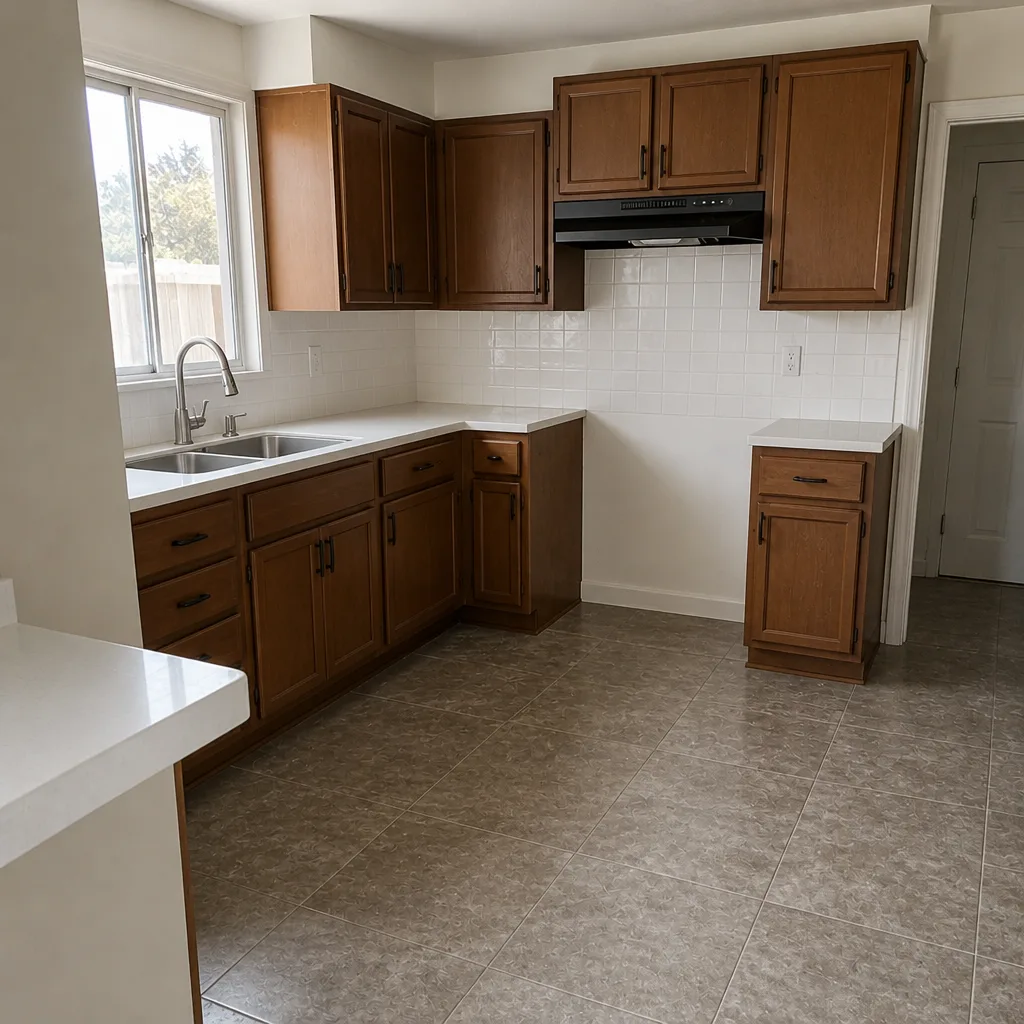
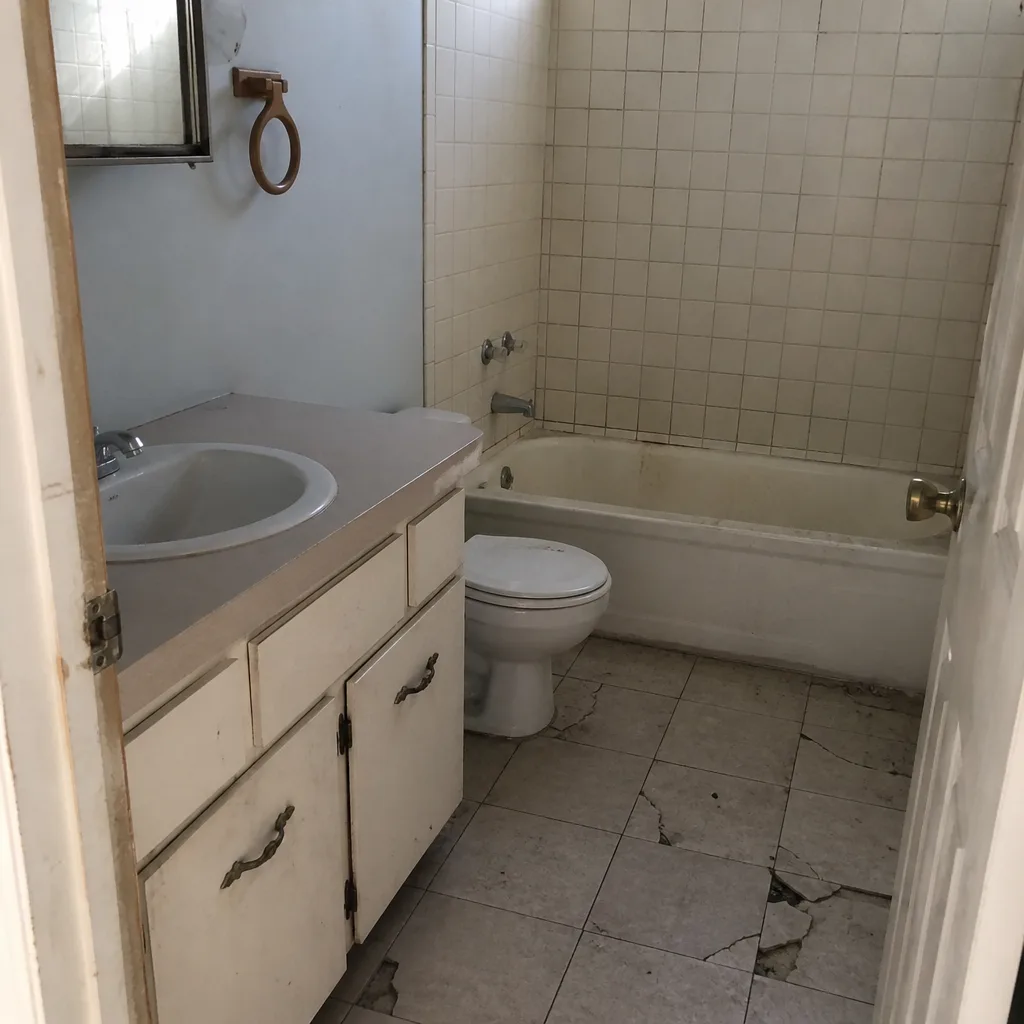
See the difference
 Before
 After
 Before
 After
 Before
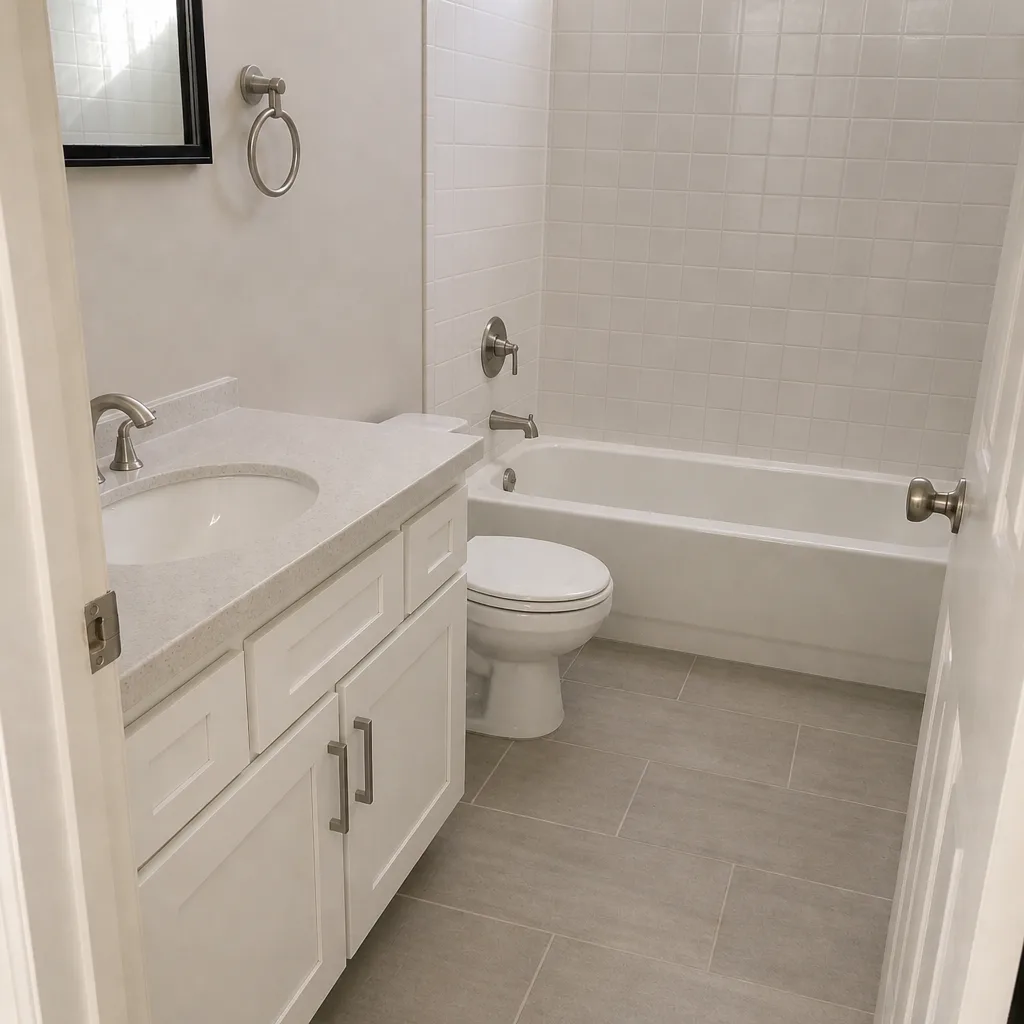 After
When to Call a Professional
Some of this list is genuinely homeowner work: clearing weep holes, checking caulk with a fingernail, photographing a stain. Others aren’t. Call a professional if you find an active leak, water staining inside a wall or ceiling, a sagging soffit or fascia, split or soft deck boards, or caulk failure across more than one window. Roof repairs, stucco patching, exterior concrete, and any work involving height or ladders belong to a trained professional for reasons that have nothing to do with how handy you are and everything to do with how dangerous a fall or a hidden moisture problem can be. And if you’re scheduling exterior concrete, painting, or stucco repair, get on it in October, because that window is short. Sawyer Remodel Enterprise offers free estimates in Enterprise – call (844) 797-5994 to get one on the books in the right season.
Frequently Asked Questions

The single highest-value item is the pre-monsoon seal in May – June: roof penetrations, window weep holes, and stucco joints before the July storms arrive. Sealing small gaps before moisture reaches them costs a fraction of chasing a leak afterward. Call (844) 797-5994 for a free estimate if you want the sealing scoped before the season.
Within 48 hours, while the moisture evidence is still fresh. Check fascia, soffit, entry-point caulk, interior ceiling corners, and grading. Photograph anything suspicious and get an active leak assessed by a professional. Call (844) 797-5994 if you’d rather have someone walk it with you.
October and November. That window gives concrete and paint the moderate temperatures and cure times they’re rated for, avoiding the heat-related failures that happen in a June pour or paint job. If you want exterior work done in that window, book it early – the fall slots go first.
Partially. Snow and ice-dam prep don’t apply here, but the rare hard freeze does. Insulate exposed plumbing, drain irrigation lines, and get the HVAC checked before the first freeze forecast. That’s it. Everything else on the typical “winter prep” list can be skipped.
Not with us. Every project gets a written price before work begins, so the number on the invoice is the number you approved. If a repair turns up something genuinely unforeseen, you hear about it first and approve it before anyone touches it. Call (844) 797-5994 for a free written estimate in Enterprise.
Wherever the work requires a permit, yes. We handle the permitting and the inspections that follow, so you’re not managing that part. The scope of what’s permitted versus not gets explained up front in the estimate. Call (844) 797-5994 to talk through what your project needs.
The Bottom Line
Enterprise’s construction seasons run on UV, monsoon moisture, and thermal swing, not snow and mud. The work that protects a home here is concentrated in two windows: May – June, when you seal everything before the monsoon, and October – November, when exterior concrete, stucco, painting, and deck work finally cure the way they’re supposed to. In between, inspect within 48 hours of a storm, insulate exposed plumbing before the freeze, and catch UV damage in March and April before the June heat multiplies it. Do that, and your home stays ahead of the cycle instead of chasing repairs every year.
Get Your Seasonal Work Scheduled

The most useful thing you can do for an Enterprise home is get the right work on the calendar in the right window. A free estimate tells you exactly what your home needs, what it costs, and when to schedule it for the weather to work for you instead of against you. Call Sawyer Remodel Enterprise at (844) 797-5994 for a free estimate – with a written price before anything starts, and The Relay Visibility Guarantee behind every job.
Written by the team at Sawyer Remodel Enterprise.