Last updated November 18, 2026








Free written scope consultation - allowances, timeline, and change-order rules on paper before a single trade is scheduled
Construction Permits, Codes & Inspections in NV: What You Need to Know
If you Googled “Las Vegas building permit” for your Enterprise address, you filed with the wrong jurisdiction. Enterprise is unincorporated Clark County, which means permits run through Clark County Development Services – not the City of Las Vegas Building Department. That single distinction decides which office you call, which forms you file, and which inspection sequence your project follows before walls close. Get it wrong and you can lose weeks. This guide covers the full permit path for an Enterprise remodel: which permits you need, when plan review kicks in, the inspection order, and what unpermitted work means at resale.
Quick Answer
Construction permits in Nevada are issued by the local jurisdiction where the property sits. For an Enterprise address, that’s Clark County Development Services, because Enterprise is unincorporated Clark County rather than inside Las Vegas city limits. Most residential remodels need separate building, electrical, mechanical, and plumbing permits, a rough-in and framing inspection before drywall, and a final inspection before the job is closed out. Skipped permits surface at resale and can hold up a sale.
Styles & brands we work with
- Kitchen remodeling
- Bathroom remodeling
- Home additions & ADU
- Roofing
- Windows & doors
- Driveway & pavers
- Fence
Table of Contents
- Clark County Development Services vs. City of Las Vegas Building Department
- Which Permits a Residential Remodel Actually Needs
- Plan Review vs. Over-the-Counter Approval
- The Inspection Sequence for a Typical Enterprise Remodel
- What Unpermitted Work Means for Nevada Resale
- Local Code and Climate Factors in Enterprise
- How Long Permits Take in Enterprise
- Common Mistakes to Avoid
Clark County Development Services vs. City of Las Vegas Building Department
The permit office you call depends entirely on whether your address sits inside a city limit. Enterprise is a census-designated place in unincorporated Clark County, so the county is your permitting authority – even though “Las Vegas” is the mailing address on half the mail that arrives in Enterprise. This is the single most common source of confusion we run into, and it’s entirely avoidable.
Here’s the practical breakdown:
- Enterprise addresses: Clark County Development Services handles building, electrical, mechanical, and plumbing permits.
- Properties inside City of Las Vegas limits: City of Las Vegas Building Department issues those permits instead.
- Nevada state-issued trades: Electrical and plumbing contractors are state-licensed in Nevada, but the permit that governs the work still comes from the county for an Enterprise property.
- The check: Before any application is filed, confirm the parcel sits in unincorporated county jurisdiction. A quick look at the Clark County Assessor’s parcel record settles it.
Filing with the wrong office doesn’t just bounce the application – it restarts the clock. For an Enterprise kitchen or bath, that’s the difference between breaking ground on schedule and sitting on a hold for weeks. When we take on a bathroom remodel in Enterprise, confirming jurisdiction is one of the first things we do, before a single line is drawn.
Which Permits a Residential Remodel Actually Needs
A single remodel can require four separate permits, each with its own fee and its own inspection. Nevada doesn’t issue one blanket “remodel permit” – it issues trade-specific permits that track the work being performed. Knowing which one triggers when keeps you from overpaying or, worse, from pulling the wrong scope.
- Building permit: Required when you move walls, change structural framing, alter a doorway or window opening in a bearing wall, add square footage, or reconfigure a bathroom’s plumbing layout in a load-bearing sense. Cosmetic work like paint, tile over existing substrate, and cabinet faces generally doesn’t trigger it.
- Electrical permit: Required when you add or relocate circuits, install new outlets or lighting, add a dedicated circuit for a range or dryer, or upgrade a panel. Swapping a light fixture on an existing circuit usually doesn’t.
- Mechanical permit: Required when you install or replace HVAC equipment, run new ductwork, add a bathroom exhaust fan, or relocate a vent.
- Plumbing permit: Required when you move or add supply or drain lines – for example, relocating a toilet, adding a second sink, or rerouting a shower drain.
Each permit carries its own fee schedule under Clark County, so a project that touches all four trades will show four separate charges. That’s normal, not an upsell. When we build a written price for a remodel, the permit line is itemized so you see exactly what’s being pulled and why. That transparency is part of The Relay Visibility Guarantee – the number on the invoice matches the number you approved.
Plan Review vs. Over-the-Counter Approval
Some Enterprise permits issue over the counter in a single visit. Others go through full plan review, where a county plan examiner reviews drawings before anything is approved. The dividing line is scope, structural impact, and project value. Here’s how the split typically plays out:
- Over-the-counter: Straightforward trade swaps – like-for-like water heater replacement, minor electrical additions, a single-fixture swap. These are reviewed quickly at the counter because the scope is narrow and well-understood.
- Limited plan review: Interior remodels that move non-structural partitions, reconfigure plumbing within a single bathroom, or change multiple trades at once.
- Full plan review: Projects touching structural framing, adding square footage, altering exterior walls, or crossing higher project-value thresholds. These require stamped drawings and a scheduled review with examiner comments you’ll need to address before resubmittal.
The threshold project values are set by Clark County and do shift, so confirm the current number with Development Services at intake rather than relying on an old figure. In our experience, plan review is where schedules go sideways – not because the county is slow, but because the drawings weren’t complete on the first submission. A missing detail, a missing engineer’s stamp, or an unclear structural note turns a two-week review into a month. We submit complete drawing sets and stay on the examiner’s comments, which is why general contractor work in Enterprise runs smoother when the permit package is built right the first time.
The Inspection Sequence for a Typical Enterprise Remodel
Inspections happen in a fixed order, and each one requires the work to be visible. This is the hardest part of permit management for homeowners to grasp: if you drywall over the rough framing before the framing inspection, you tear the drywall out. The sequence for a typical Enterprise remodel looks like this:
- Rough-in inspections: Plumbing, electrical, and mechanical rough-in happen before insulation and drywall. The inspector needs to see pipe routing, wire runs, box locations, and ductwork.
- Framing inspection: Structural framing is inspected next, showing headers, blocking, and load paths. This often happens alongside rough-in inspections.
- Insulation inspection: Wall and ceiling insulation is checked for gaps and correct installation before drywall goes up.
- Drywall and finish: Surfaces go up, finish trades (tile, trim, paint) follow.
- Final inspection: The finished work is checked against the approved plans, and the permit closes out. Final inspection is the milestone that converts an open permit into a clean record.
For Enterprise bathrooms, the sequence often includes a separate waterproofing check before tile if the shower was rebuilt. Getting the order right protects you from rework. When we run a Sawyer Remodel Enterprise home project, we build the inspection calendar into the schedule up front so trades don’t have to be called back to reveal work twice.
What Unpermitted Work Means for Nevada Resale
Unpermitted work is very common in Clark County homes, especially from previous owners who self-performed. At resale, it becomes a real problem. Nevada requires sellers to disclose known unpermitted work, and lenders and appraisers can flag it. A buyer’s inspector who spots a bathroom addition with no permit on record triggers questions, and the deal can stall or require the seller to credit the buyer for permit closeout.
Retroactive permitting is possible. Here’s the typical path:
- Identify the scope: Determine what was actually done – added circuits, moved plumbing, new square footage, or a combination.
- Check the records: Pull the property’s permit history through Clark County to see what was ever filed.
- File for a permit for the existing work: The county may classify this as a remodel or an “as-built” permit, depending on what’s found.
- Open walls if required: Inspectors may need to see framing, wiring, and plumbing to verify compliance. This sometimes means partial demolition.
- Correct any failed code items, then close out the permit.
This is the part buyers underestimate: retroactive permitting can cost far more than permitting the work originally would have. If a seller writes a credit, a buyer needs the permit actually closed, not just a promise. We see this most often in Enterprise homes that changed hands a few times – each owner adding something small, until a wall of unpermitted work accumulated.
Local Code and Climate Factors in Enterprise
Clark County code adopts the standard national model codes (the International Building Code and International Residential Code cycle), but Enterprise’s desert climate changes what the code cares about most. Summer highs routinely climb into the triple digits, and that shapes real requirements:
- Energy code: Nevada’s energy code – aligned with the IECC – requires specific insulation values, window efficiency ratings, and HVAC sizing for additions and substantial remodels. We size mechanical equipment for desert conditions, not a national average.
- Water efficiency: Nevada has some of the country’s toughest water-conservation rules. Bathroom and kitchen renovations typically require low-flow fixtures, and new landscape and irrigation work falls under specific water rules.
- Outdoor living structures: Covered patios, pergolas, and driveways in Enterprise often trigger a permit or a paving inspection. When a driveway or patio is added, hardscape work follows standard paving materials – Cambridge Pavers and similar pavers, or concrete base mixes like Quikrete and Sakrete – because they hold up under the sun and dry heat.
- Pool and spa barriers: New pools and spas need barrier and safety compliance, which is a separate inspection path from the house remodel.
These aren’t small details – they’re the reason an Enterprise permit package looks different from one filed in another climate. The kitchen remodeling in Enterprise we run always carries the current energy and water requirements into the drawings.
How Long Permits Take in Enterprise
Timelines vary, but the pattern is predictable. Over-the-counter permits can issue the same visit. Limited plan review typically runs a couple of weeks once the drawing set is complete. Full plan review, with structural scope, runs longer – often several weeks – and the clock restarts with each round of examiner comments. The highest single lever on your timeline is drawing completeness, not county speed.
Here’s what actually moves the needle:
- Submitting a complete set: Missing stamps, missing calculations, and ambiguous scope are the top causes of resubmittal. We build the set to close on the first pass.
- Filing for all four trades at once: Filing building, electrical, mechanical, and plumbing together keeps the reviews running in parallel rather than serial.
- Scheduling inspections as work completes: Waiting to call for inspection until several are ready can push the whole sequence back. We book each inspection at the right moment so drywall follows framing without a gap.
The Sawyer Remodel Enterprise home process keeps homeowners informed while permits are in review – live arrival times, photo updates, and a written schedule – so nobody is guessing whether the county has moved.
Common Mistakes to Avoid
- Filing with the City of Las Vegas for an Enterprise address. A permit filed with the wrong jurisdiction gets rejected and you restart the clock. Confirm the parcel is in unincorporated Clark County before filing.
- Starting without plan review. Painting yourself into a corner by starting interior work before the permit issues can mean tearing it back out. Wait for the approval milestone before demo begins.
- Closing walls before rough-in inspection. The inspector needs to see plumbing, wiring, and ductwork before it’s covered. Drywall over uninspected rough-in means demolition to reveal it.
- Treating the four trade permits as one fee. Each trade carries its own fee and inspection. Expect a higher permit number than you might assume, and make sure your contractor explains it upfront.
- Ignoring a previous owner’s unpermitted work. A bathroom added without permits years ago can surface at your sale. Address it when you remodel rather than when you list.
- Skipping the energy code on an addition. Nevada’s energy standards apply to additions and substantial remodels. A drawing set that ignores them will fail review.
- Assuming everything is “over the counter.” Structural edits and higher-value projects go through full plan review. Budget the time.
See the difference
 Before
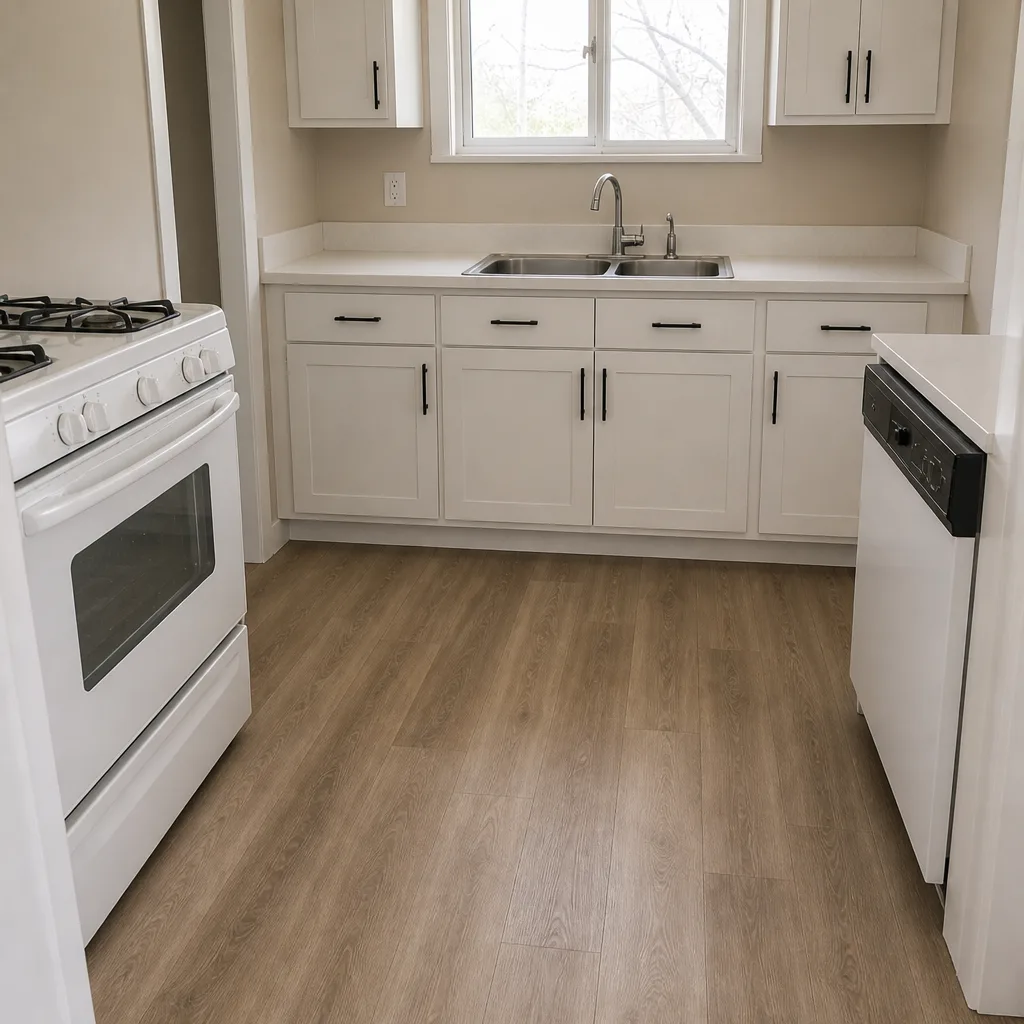 After
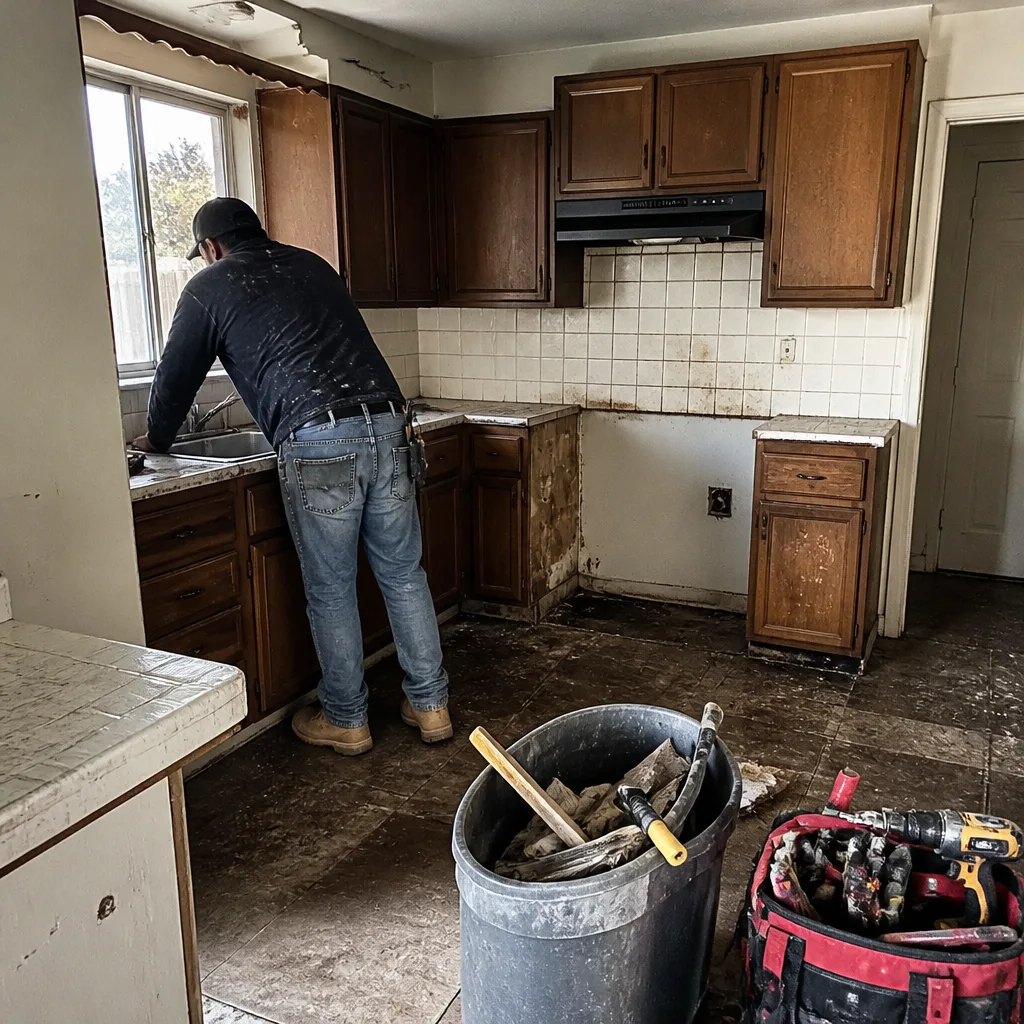 Before
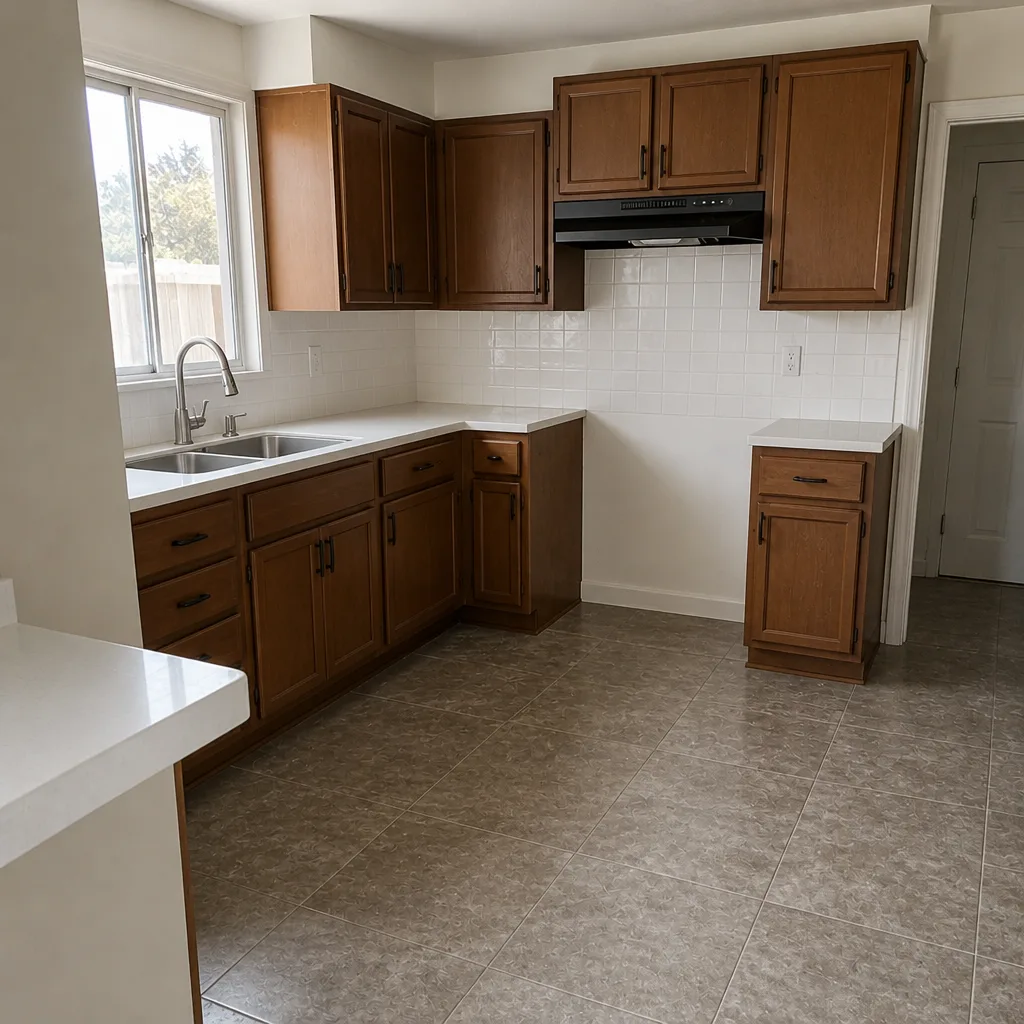 After
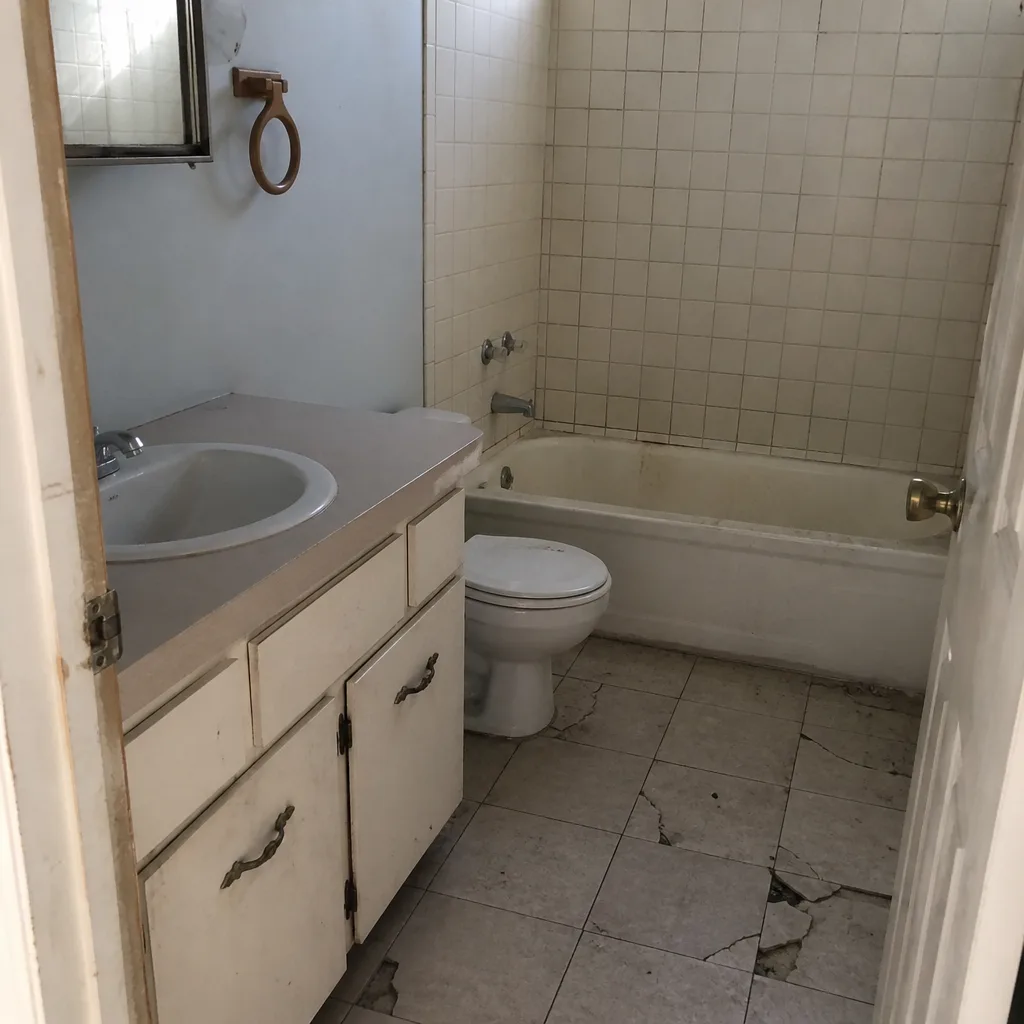 Before
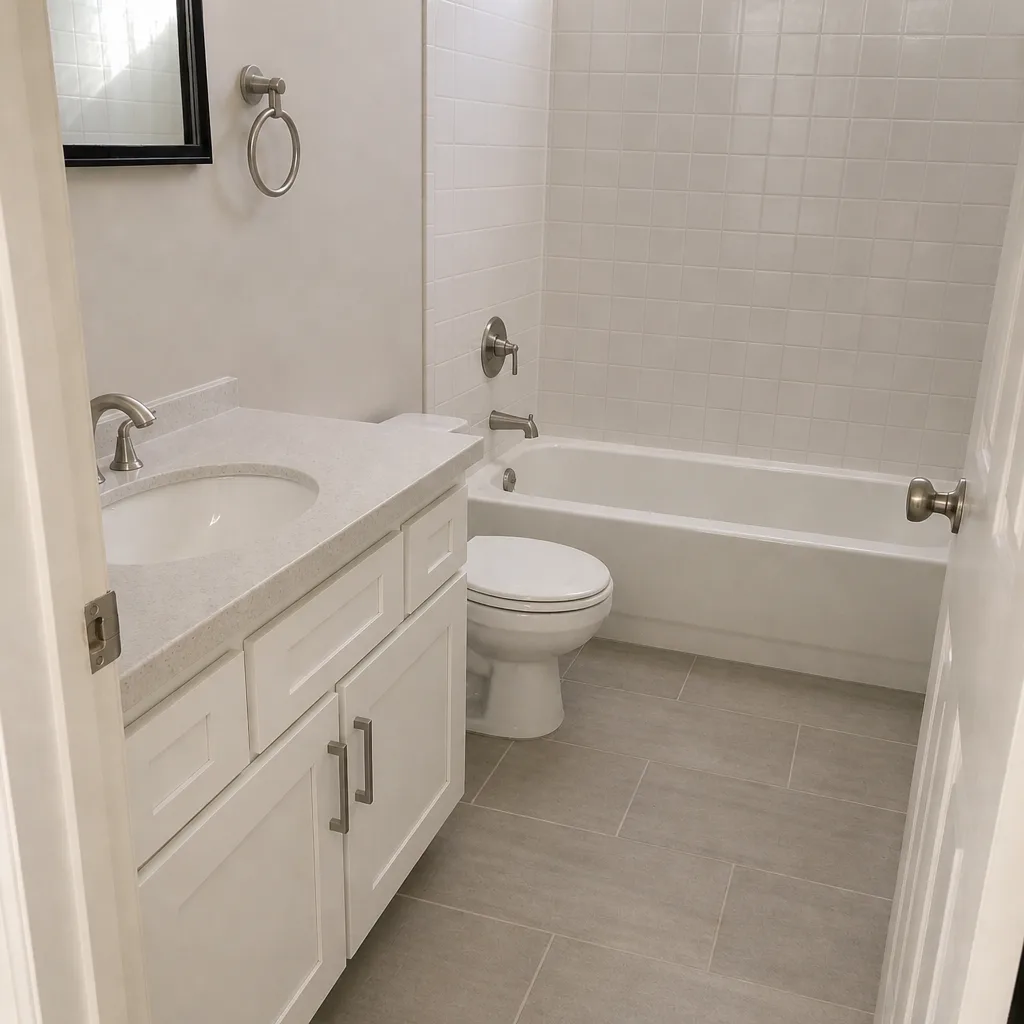 After
When to Call a Professional
Some work genuinely needs a licensed general contractor managing the permits – not just a handyman. Call a professional if your project moves walls, alters structural framing, reconfigures plumbing, adds circuits, or involves any portion of the four permitted trades. Call if a previous owner left you with unpermitted work you need to validate, or if the plan set is complex enough that full plan review is likely. And call if you’re on a schedule you can’t afford to blow on a resubmittal cycle. Sawyer Remodel Enterprise offers free estimates in Enterprise – call (844) 797-5994 to schedule yours, and we’ll review the scope, the permits required, and the inspection sequence before you commit.
Frequently Asked Questions

Usually yes. Moving a toilet or shower drain, adding an outlet, or relocating a vent triggers building, plumbing, and electrical permits under Clark County. Cosmetic updates – paint, tile over an undamaged substrate, new cabinet faces – typically don’t. The scope determines it, so confirm before work begins. Call (844) 797-5994 for a free estimate and a written scope that flags every permit needed.
Clark County Development Services, because Enterprise is unincorporated Clark County. It is not the City of Las Vegas Building Department, even though many Enterprise addresses use “Las Vegas” as the mailing city. Filing with the wrong office delays the project. Call (844) 797-5994 if you want us to confirm jurisdiction before you file.
Rough-in inspections (plumbing, electrical, mechanical), then framing, then insulation, then finish, then final. Each inspection requires the relevant work to be visible, which is why walls close only after rough-in and framing are signed off. Our written project plan lists the inspection order so you always know what’s next. Call (844) 797-5994 for a free estimate.
A Nevada homeowner can, in some cases, file for permits to work on their own primary residence. Structural work, additions, and projects requiring stamped drawings make this difficult to do accurately. Most homeowners use a licensed contractor to manage the filing, plan review, and inspection scheduling. Call (844) 797-5994 to walk through your scope.
You must disclose known unpermitted work, and lenders and appraisers can flag it, which can stall or kill a sale. Retroactive permitting requires filing for the existing work, sometimes opening walls so inspectors can verify compliance, then correcting any failed items and closing the permit. Handle it during your remodel, not at listing time. Call (844) 797-5994 for a free estimate on getting it permitted.
Over-the-counter permits can issue on the first visit; limited plan review often runs a couple of weeks on a complete set; full plan review with structural scope takes longer and restarts with each round of examiner comments. The biggest lever is drawing completeness. Call (844) 797-5994 and we’ll build a set that closes on the first pass.
The Bottom Line
Enterprise permits run through Clark County Development Services, not the City of Las Vegas – and getting that right is the foundation every other step rests on. Residential remodels need building, electrical, mechanical, and plumbing permits filed together, plan review when the scope is structural, and a fixed inspection sequence (rough-in, framing, insulation, final) before walls close. Unpermitted work surfaces at resale and costs more to fix than to prevent. If your project touches structural, plumbing, or electrical scope, bring in a licensed contractor who runs the permit package, the plan review, and the inspection calendar from day one – and who puts the scope in writing before taking a job. That’s the standard we hold on every Enterprise project, and it’s included on every job.
Ready to get your Enterprise renovation permitted, priced, and scheduled? Sawyer Remodel Enterprise offers free estimates in Enterprise with a written price before any work starts – call (844) 797-5994 today to schedule yours.
Written by the team at Sawyer Remodel Enterprise.