Last updated November 18, 2026






Free written scope consultation - allowances, timeline, and change-order rules on paper before a single trade is scheduled
How to Hire a Construction Contractor in Enterprise: A Step-by-Step Guide
Getting three bids is table stakes. The Enterprise homeowners who end up in disputes didn’t skip the bids – they skipped asking for a written scope before signing, verifying the Nevada State Contractors Board license number, and confirming who pulls the permit. Most of the pain we see on remodeling jobs in Enterprise traces back to a step nobody told people to take. This guide walks you through those steps in order: how to check a license in under two minutes, what a real written scope looks like, how to read a payment schedule, and the exact questions that separate a contractor with a written price from one who surprises you at the invoice.
Quick Answer
To hire a construction contractor in Enterprise, verify the contractor’s license on the Nevada State Contractors Board website, get a written scope of work that names materials by brand and grade, confirm in writing that the contractor pulls the permit, and never pay more than 30% upfront. A legitimate Enterprise contractor will hand you a written price before any work starts and put the guarantees in writing, not just in conversation.
Styles & brands we work with
- Kitchen remodeling
- Bathroom remodeling
- Home additions & ADU
- Roofing
- Windows & doors
- Driveway & pavers
- Fence
Table of Contents
- Step 1: Verify the Nevada Contractor License
- Step 2: Get a Written Scope of Work
- Step 3: Settle Who Pulls the Permit
- Step 4: Read the Payment Schedule Carefully
- Step 5: Establish a Communication Standard in Writing
- How to Compare Bids Without Getting Fooled
- What’s Different About Hiring in Enterprise
- Common Mistakes to Avoid
- When to Call a Professional
Step 1: Verify the Nevada Contractor License
Every licensed contractor in Nevada carries a license number issued by the Nevada State Contractors Board, and that number is public record. Pulling it takes about ninety seconds and it’s the single most important thing you can do before you talk about money.
- Go to the Nevada State Contractors Board website and open the license lookup tool.
- Type in the contractor’s license number or business name.
- Confirm the license status reads “active” – not “inactive,” “suspended,” or “expired.”
- Check that the license classification matches the work you’re hiring for. A residential remodeling license isn’t the same as a general engineering license.
- Look at the listed qualifier – the person legally responsible for the work – and confirm it matches who you’re actually dealing with.
- Scan for any disciplinary actions or complaints on file.
“Active” means the contractor is currently authorized to contract for work in Nevada. “Inactive” usually means the license lapsed on insurance or renewal and the contractor is not legally allowed to take your job right now. If you see “inactive” and the contractor tells you it’s a paperwork glitch, that’s a reason to walk, not a reason to wait. An unlicensed contractor in Enterprise can’t legally pull permits, and if something goes wrong you have almost no recourse through the state board.
Step 2: Get a Written Scope of Work
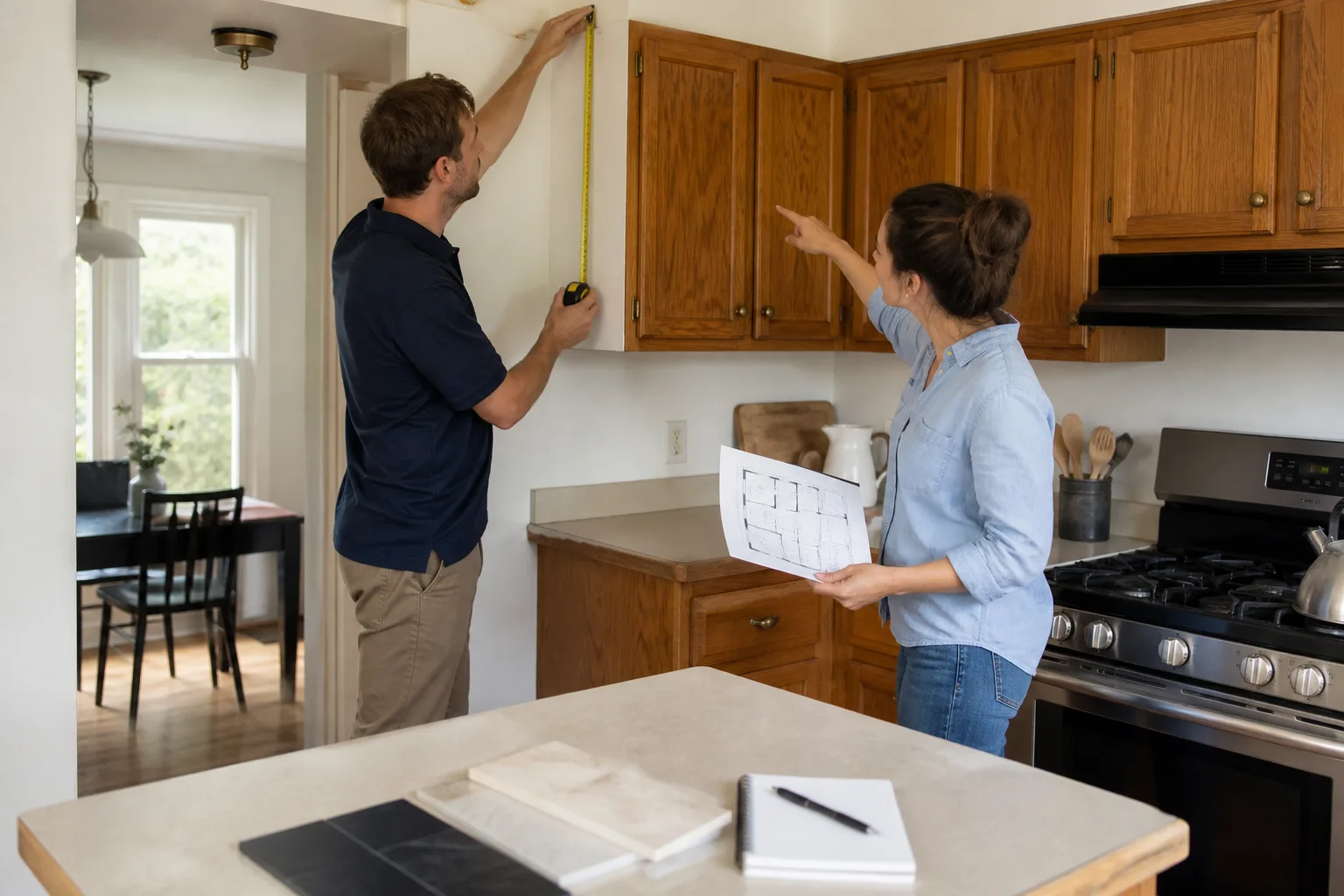
A bid that says “tile shower” isn’t a scope. It’s a placeholder. The written scope is the document that decides whether the job goes smoothly or ends in an argument about what you actually paid for, and it has to be specific enough that two people reading it would picture the same finished room.
Here’s what a real written scope includes:
- Materials named by brand and grade. Not “tile” but “Daltile 12×24 porcelain, model specified.” Not “countertop” but “Cambria quartz, color specified.” Not “roof” but “GAF Timberline HDZ shingles.” When you see a brand name in the scope, you know the contractor isn’t swapping in a mystery product halfway through.
- Quantities and dimensions. Square footage of tile, linear feet of countertop, number of cabinet boxes.
- Demolition and disposal. Who hauls away the old materials and whether dumpster cost is included.
- Prep and waterproofing. For a shower, that means a specified waterproofing system. If the scope doesn’t say “Schluter” or name a comparable membrane, ask.
- Fixtures and finish hardware. Brand and model for every faucet, valve, and drain.
- What’s excluded. This is the section that saves you arguments later. If the contractor isn’t moving the plumbing, it should say so in writing.
- Timeline in phases. Demo dates, rough-in dates, inspection dates, finish dates.
For getting an Enterprise bathroom or kitchen project right, the scope should read like a spec sheet, not a wish list. A kitchen remodel or bathroom remodel is only as good as the document behind it.
Step 3: Settle Who Pulls the Permit
The permit is the contractor’s job. Full stop. If a contractor asks you to pull the permit as the homeowner, that’s a red flag, and it’s usually a flag over something that will cost you later.
Why? Because when a homeowner pulls the permit, the homeowner becomes the “owner-builder” in the eyes of the jurisdiction, and the contractor is off the hook for inspection compliance. If the framing fails inspection or the plumbing isn’t up to code, the liability shifts toward you. Some jurisdictions also limit owner-builder permits to a primary residence and require the homeowner to occupy the property for a period afterward – which becomes a problem if you ever try to sell.
The right question, asked in writing: “Will you pull the permit, and will the permit number be included on the estimate?” A licensed Enterprise contractor should answer yes without hesitation. Also ask:
- Will the contractor schedule and attend all inspections?
- Are permit fees included in the written price, or billed separately?
- What happens if the inspector flags something?
In Enterprise and the surrounding Clark County area, permits for structural, electrical, plumbing, and mechanical work are required and inspections are enforced. A contractor who wants to skip the permit is telling you they don’t want the work inspected. That’s not a shortcut for you – it’s a risk you inherit.
Step 4: Read the Payment Schedule Carefully
Payment schedules are where a lot of remodeling disagreements start. The general rule in Nevada: a down payment above 30% of the contract total, before any work happens, is a warning sign. And large draws tied to nothing more than “progress” without defined milestones are worse.
A healthy schedule looks like this:
- Deposit: 10-30% at signing, tied to material ordering and scheduling.
- Rough-in milestone: A draw after demolition, framing, and rough-in are complete and inspected – not before.
- Finish milestone: A draw after drywall, tile, cabinets, or the equivalent is installed and inspected.
- Final payment: A meaningful final holdback, 10-15%, paid after the final walkthrough and after you have the closeout documents in hand.
Notice the pattern: every draw is tied to a milestone that has been completed and inspected, not to a date on the calendar. If the schedule says “30% at signing, 30% at start, 30% at midpoint, 10% at completion” with no definition of what “start” or “midpoint” actually means, ask for milestones in writing. A contractor with real cash flow doesn’t need to front-load your project.
Step 5: Establish a Communication Standard in Writing
Verbal promises about communication don’t survive contact with a busy job site. Two weeks in, the updates stop, the calls go to voicemail, and you’re left guessing whether the crew is coming tomorrow or Thursday. Put the standard in writing before work starts.
What to ask for in the contract or an attached addendum:
- A live arrival window. Not “morning” or “around noon.” A window you can plan around, with a text or call when the window updates.
- Photo updates before and after. Photos of demo, of what’s behind the wall, and of finished phases give you a real record and protect both sides if there’s a dispute.
- A single point of contact. One name, one number, one channel. No bouncing between the salesperson, the project manager, and the crew lead.
- A written change-order process. No surprise line items. If a change is needed, it gets a written price and your sign-off before anyone touches a tool.
- Invoice delivery. A digital invoice you can pay from a link, matched to the written estimate line by line.
This is the operating standard we call The Relay Visibility Guarantee, and every project we run goes through it: written price before work starts, live arrival time, photo updates before and after, and a digital invoice at the close. It’s in writing because that’s the only version of a promise that holds when a job gets complicated.
How to Compare Bids Without Getting Fooled
The lowest bid wins because it’s the most honest number – or loses because it’s the most incomplete one. When you line up three estimates, don’t compare the totals. Compare the scopes.
- Put the scopes side by side, line by line. Every bid should break the project into the same categories: demo, rough-in, materials, labor, inspection, finish. If one bid has seven lines for the same job another has three lines for, you’re comparing different projects.
- Check that materials are specified. A bid that lists “shingles” without a brand likely means the cheapest shingle the supplier has when the truck arrives. A bid that names Owens Corning or IKO is giving you a number you can actually compare.
- Confirm what’s excluded. A lower bid often leaves out something the higher bid includes – permit fees, dumpster rental, or electrical rough-in. The bid with the most exclusions is usually the one that grows at the end.
- Match the schedule to the scope. A six-week estimate on a three-week scope means the crew is double-booked. That’s how projects drag.
- Ask for the change-order policy in writing. If the answer is verbal, it’s not the answer.
If you want a sense of what scope-based pricing looks like for Enterprise projects, our Sawyer Remodel Enterprise home walks through how we build estimates, and our General Contractor in Enterprise page covers the broader project categories we handle.
What’s Different About Hiring in Enterprise
Enterprise sits in the southern Nevada desert, and the conditions here shape what a good contractor plans for. That matters when you’re reading bids.
First, the heat. Summer temps in Enterprise routinely push past 110°F, and exterior work – painting, roofing, siding – has to be scheduled around it. A contractor who promises a July roof install without discussing heat schedule is telling you something about how they plan. Shingle work, in particular, gets brittle and can be damaged when walked on in extreme heat, and most crews work early morning to catch the coolest window.
Second, the climate pushes water damage questions. Enterprise gets very little annual rainfall, but when rain hits, dry ground doesn’t absorb it. Pooling around foundations after a storm is common. If your project includes grading, drainage, or an exterior wall, ask how the contractor handles water movement. A bid that ignores drainage in a desert climate is an incomplete bid.
Third, the housing stock here skews newer – much of it built between the 1990s and today – which means some contractors assume the framing and framing layouts will match across homes. They don’t. Tile and cabinet sizes vary by builder, and a contractor who quotes a bathroom remodel without walking the space is quoting a drawing, not a room.
Fourth, the permit volume in the greater Clark County area is high, and inspections can back up during busy seasons. Build that timeline into your schedule when you read the contractor’s dates.
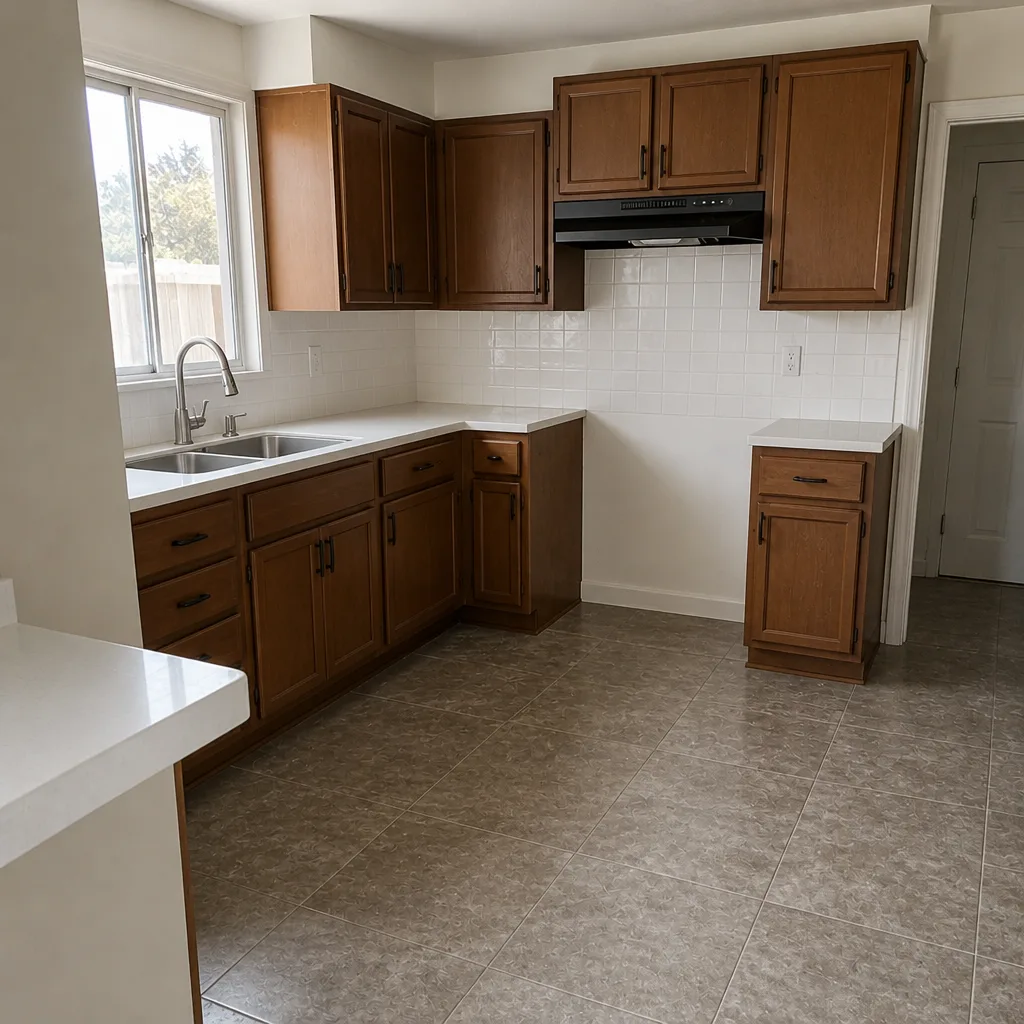
Understanding the local market also means understanding what a realistic project looks like. A Kitchen Remodeling in Enterprise project runs on a different timeline than a bathroom, and a Bathroom Remodeling in Enterprise project on a tighter one still.
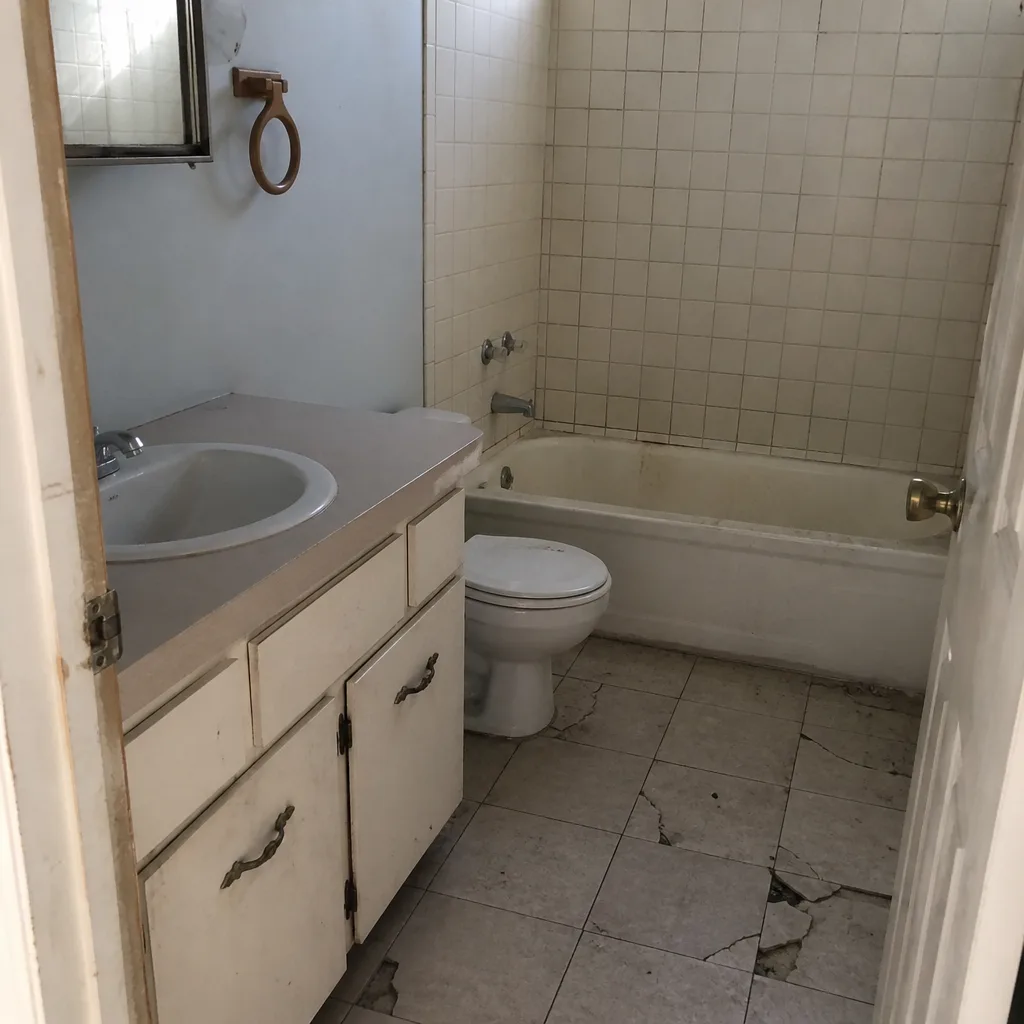
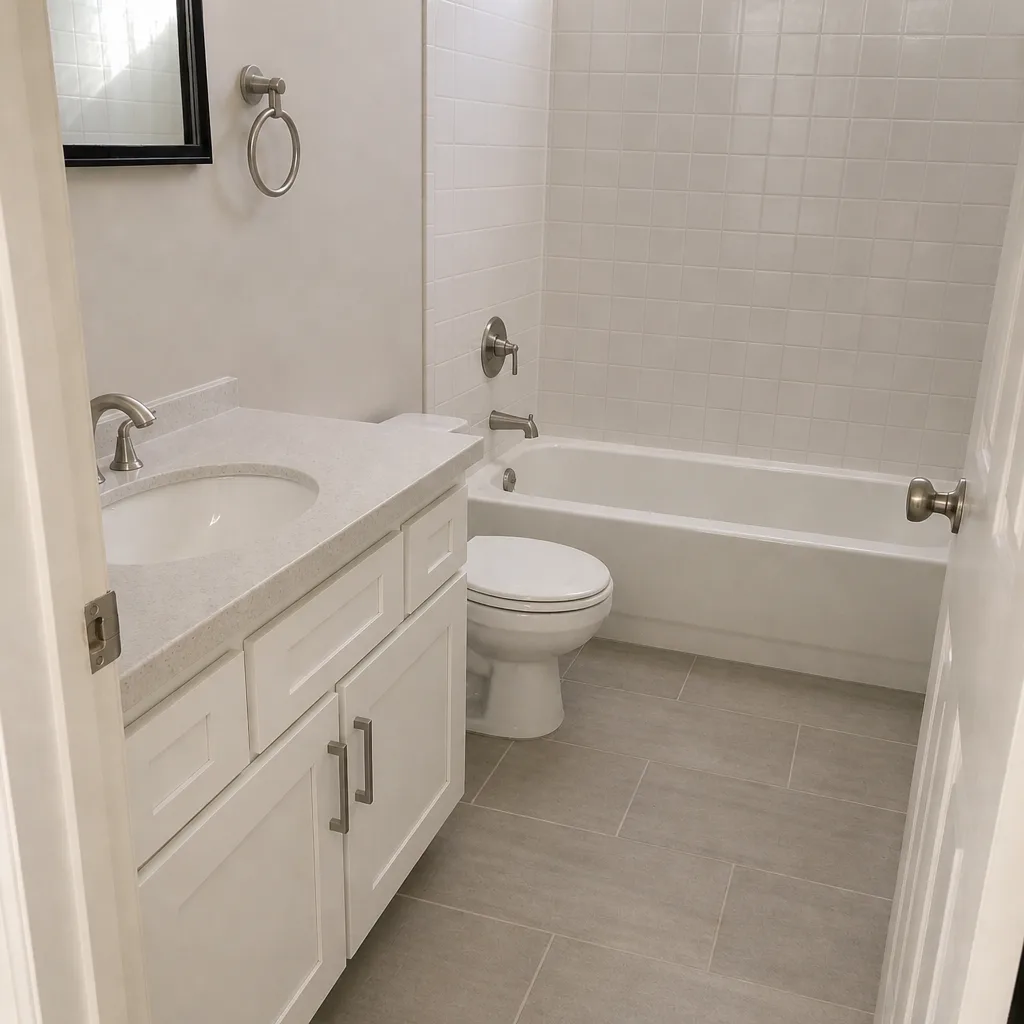
See the difference
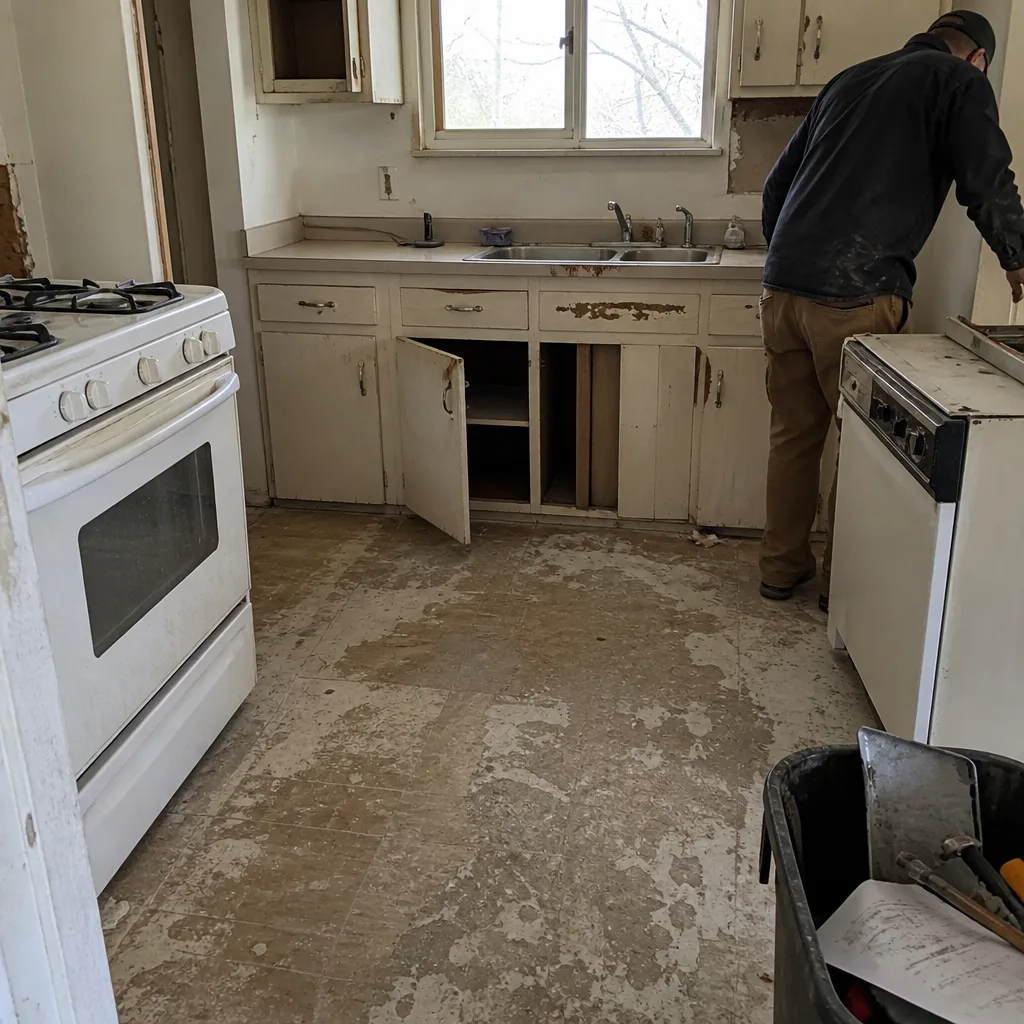 Before
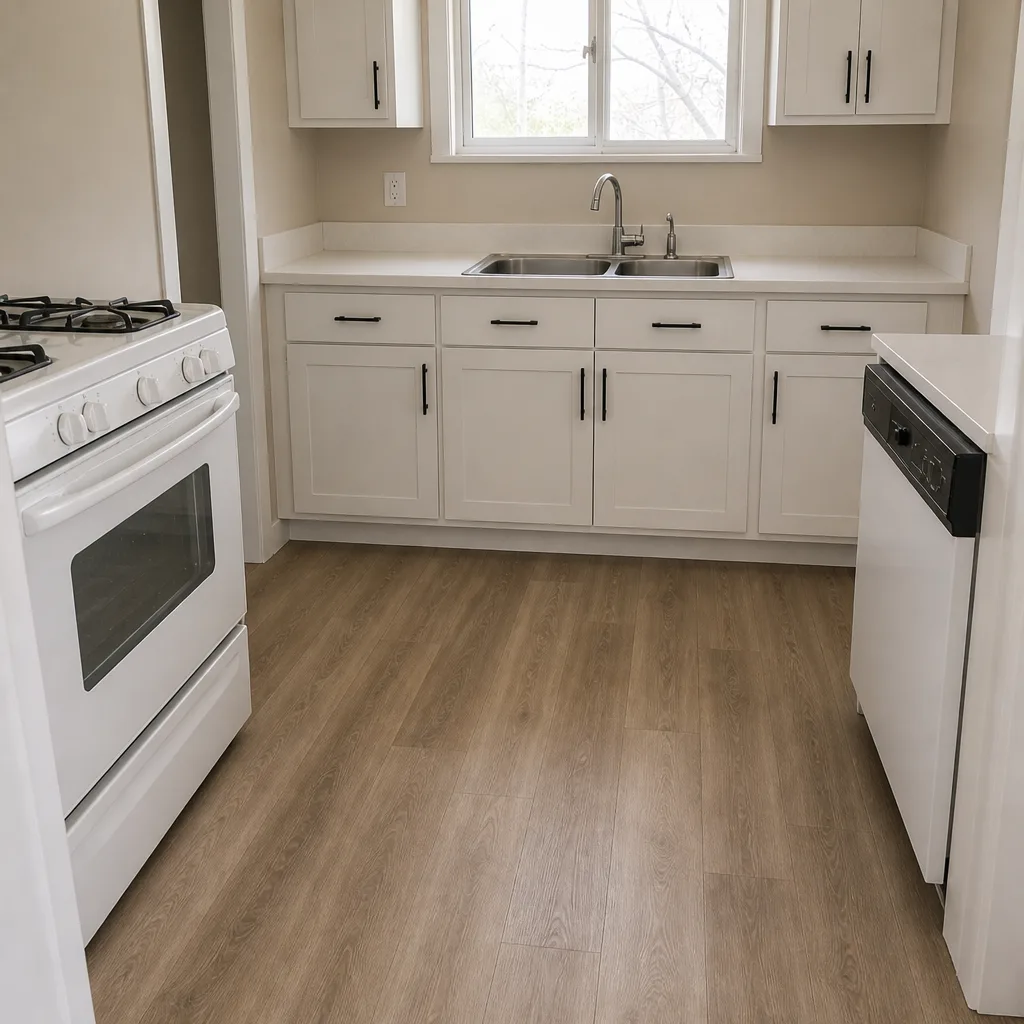 After
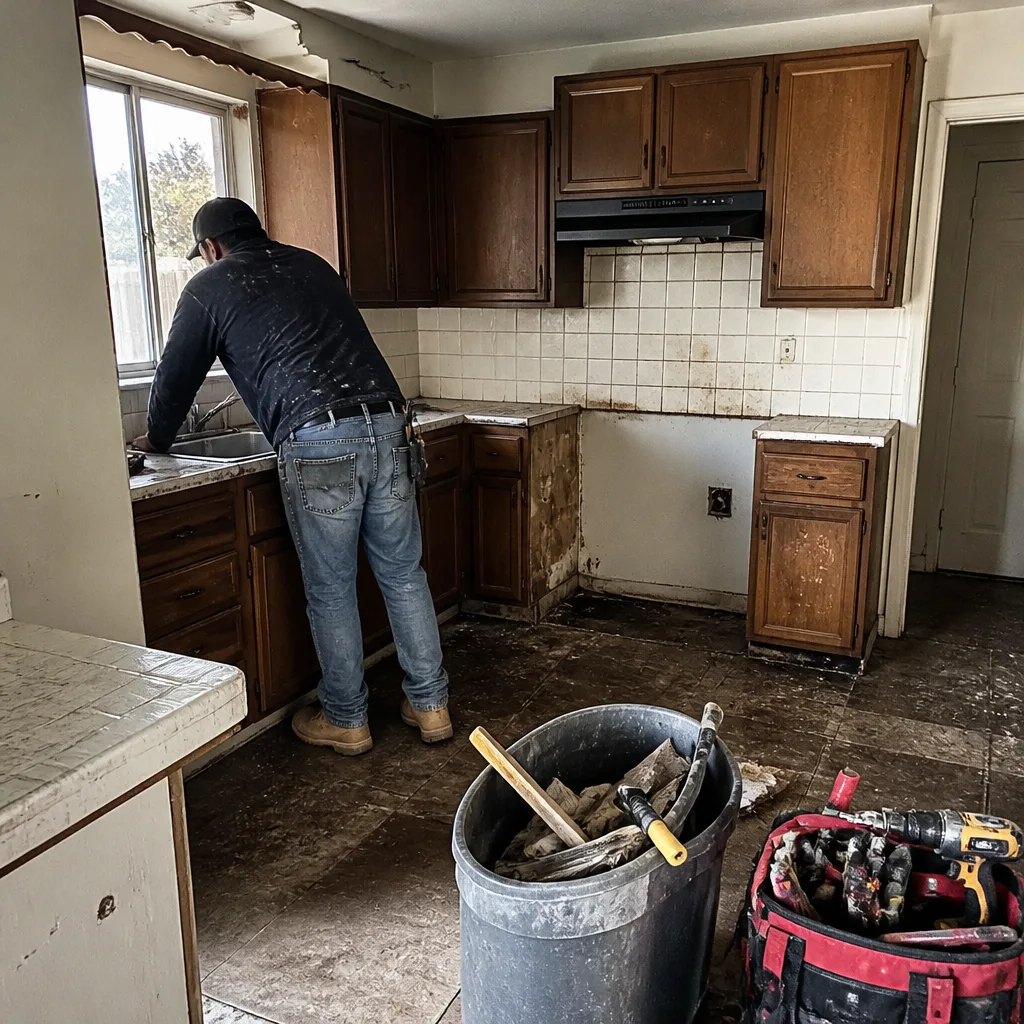 Before
 After
 Before
 After
Common Mistakes to Avoid

- Signing before the scope is written. If a contractor says “we’ll figure out the details as we go,” you’ll be figuring out the details when you’re also paying for them.
- Accepting “inactive” as a paperwork problem. An inactive license means the contractor isn’t authorized to contract right now. Wait for active status or hire someone else.
- Letting the contractor talk you into pulling your own permit. Owner-builder permits shift liability toward the homeowner and can complicate a future sale. The contractor pulls the permit, always.
- Paying more than 30% up front. Front-loaded payments are the most common sign that a contractor is funding one job with the deposit from another.
- Comparing bids by total, not by scope. A $12,000 bid with three exclusions and a $15,000 bid with none are not the same project. Compare line by line.
- Relying on verbal communication promises. “I’ll text you every day” doesn’t survive a busy week. Put the update cadence and photo standard in the contract.
- Ignoring the climate. In Enterprise, exterior work scheduled in July without a heat plan is likely to be done poorly or pushed to August. Ask about the schedule up front.
When to Call a Professional
Some jobs are worth a phone call rather than a weekend project. If a wall is being moved, a permit is required, or anything touches plumbing, electrical, or gas, get a licensed contractor involved. Water damage from a monsoon storm, a failed shower waterproofing job, or a roof that’s leaked into a ceiling cavity all warrant professional eyes before you decide the fix – the damage is often bigger than the room you see. Structural work, electrical panel changes, and gas line work are not homeowner jobs, and we don’t recommend attempting them.
Sawyer Remodel Enterprise offers free estimates in Enterprise – call (844) 797-5994 to schedule one. We’ll bring a written scope, a written price, and the questions you should be asking any contractor, including us.
Frequently Asked Questions
Use the Nevada State Contractors Board website’s license lookup tool. Enter the contractor’s license number or business name, confirm the status is “active,” check that the license classification matches your project type, and scan for any disciplinary history. The whole check takes under two minutes and is free.
The contractor pulls the permit. If a contractor asks you to pull it as the homeowner, that’s a red flag – it shifts inspection liability and owner-builder obligations onto you. A licensed contractor should include the permit number on your written estimate and handle all inspections. Call (844) 797-5994 if you want to talk through what permits your project needs.
A written scope should specify materials by brand and grade (not “tile,” but the brand and model), quantities and dimensions, demolition and disposal, waterproofing systems where relevant, fixtures by brand and model, what’s excluded, and a phased timeline. If the scope reads like a wish list rather than a spec sheet, ask for a rewrite before you sign.
A deposit of 10-30% at signing is standard in Nevada. Anything above 30% before work begins is a warning sign. Draws should be tied to completed and inspected milestones, with a 10-15% final holdback paid after your final walkthrough and closeout documents. Request milestones defined in writing.
Because a front-loaded schedule means your money leaves your account before work exists. If the contractor walks or runs out of cash, you’re funding legal recovery instead of a remodel. Nevada’s contractor licensing board can help with complaints, but it’s slow, and the money is usually gone. Every draw tied to a completed, inspected milestone protects both sides.
Ask for the update standard in writing before work starts: a live arrival window, photo updates before and after each phase, a single point of contact, a written change-order process, and a digital invoice you can pay from a link. Verbal promises don’t hold when a job gets busy. Our process runs on The Relay Visibility Guarantee for every project, with the written price confirmed before a single tool is picked up.
The Bottom Line

Hiring a contractor in Enterprise isn’t about getting the lowest number – it’s about getting a number that doesn’t change. Verify the license on the NSCB site. Get a written scope that names materials by brand. Confirm the contractor pulls the permit. Keep your deposit at 30% or under, with draws tied to inspected milestones. Put the communication standard in writing. The contractors who hand you all five in the first meeting are the ones who finish without surprises. The ones who resist are telling you something. Our Sawyer Remodel Enterprise home page covers how we’ve built our process around those five steps, and our General Contractor in Enterprise page goes deeper on project types.
Call (844) 797-5994 for a free estimate on your Enterprise project. You’ll get a written scope, a written price before any work starts, and a 365-Day Done Right Promise in writing – because a good contractor puts it in writing, not in a conversation.
Written by the team at Sawyer Remodel Enterprise.