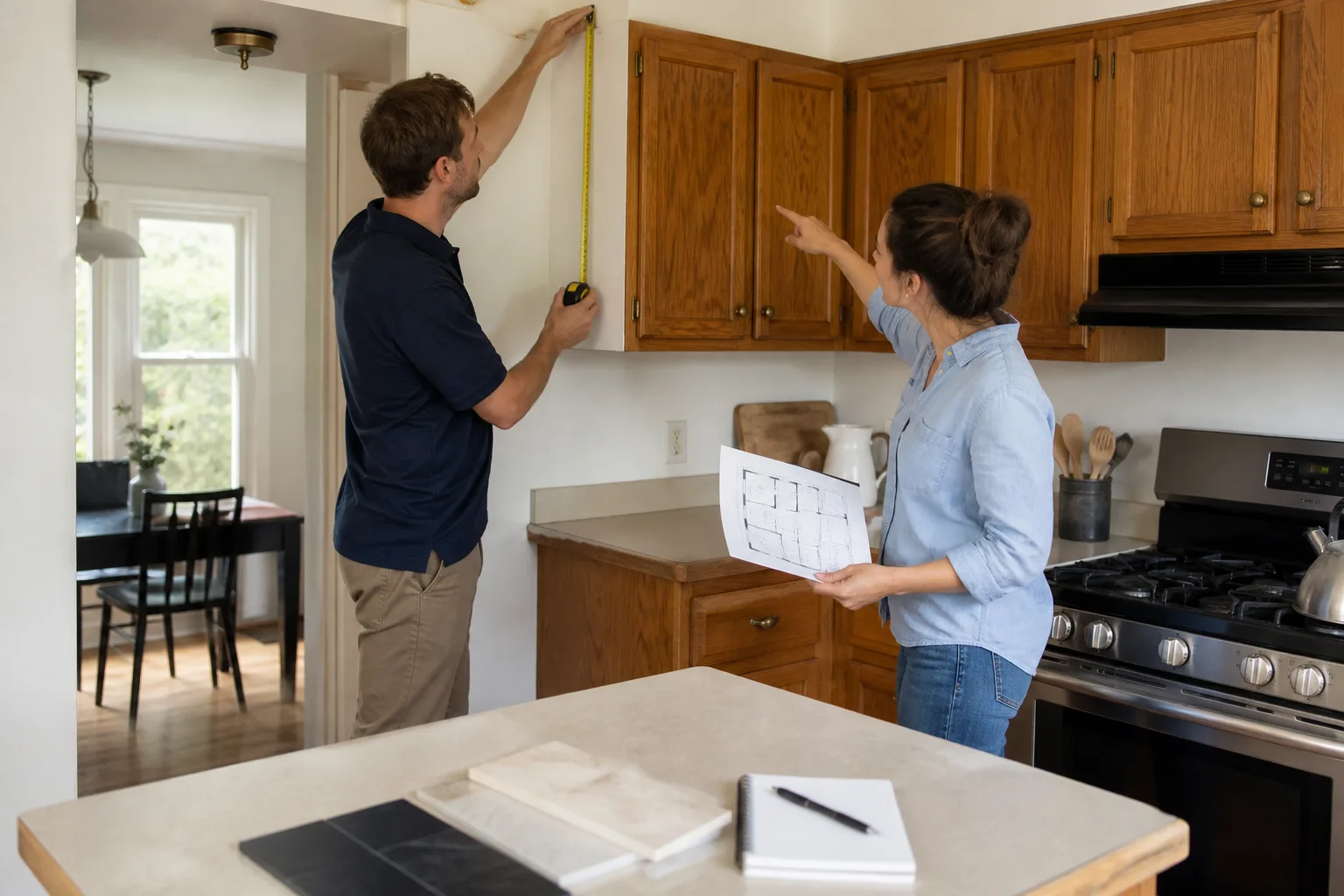
Free written scope consultation - allowances, timeline, and change-order rules on paper before a single trade is scheduled
Styles & brands we work with
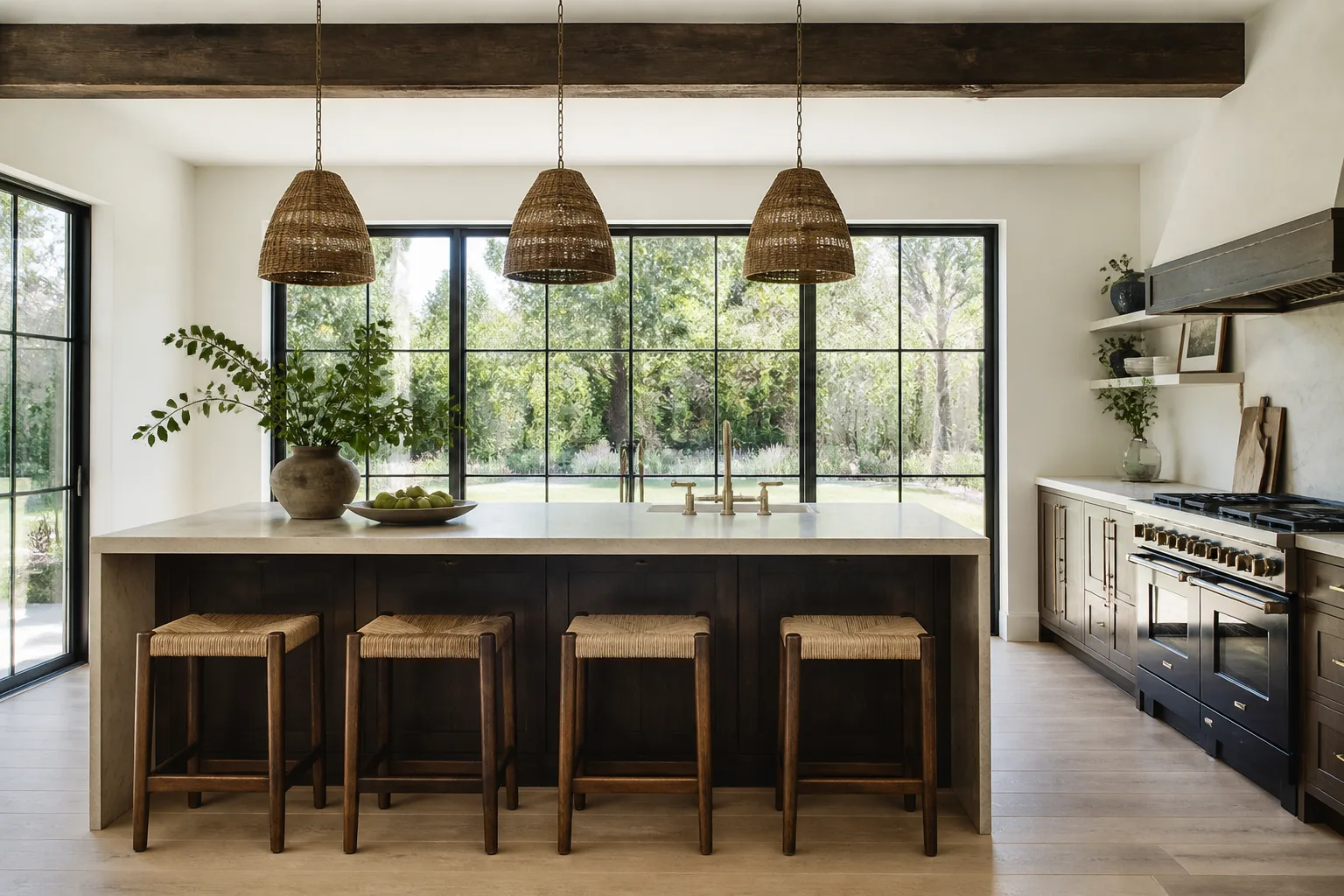
- Kitchen remodeling
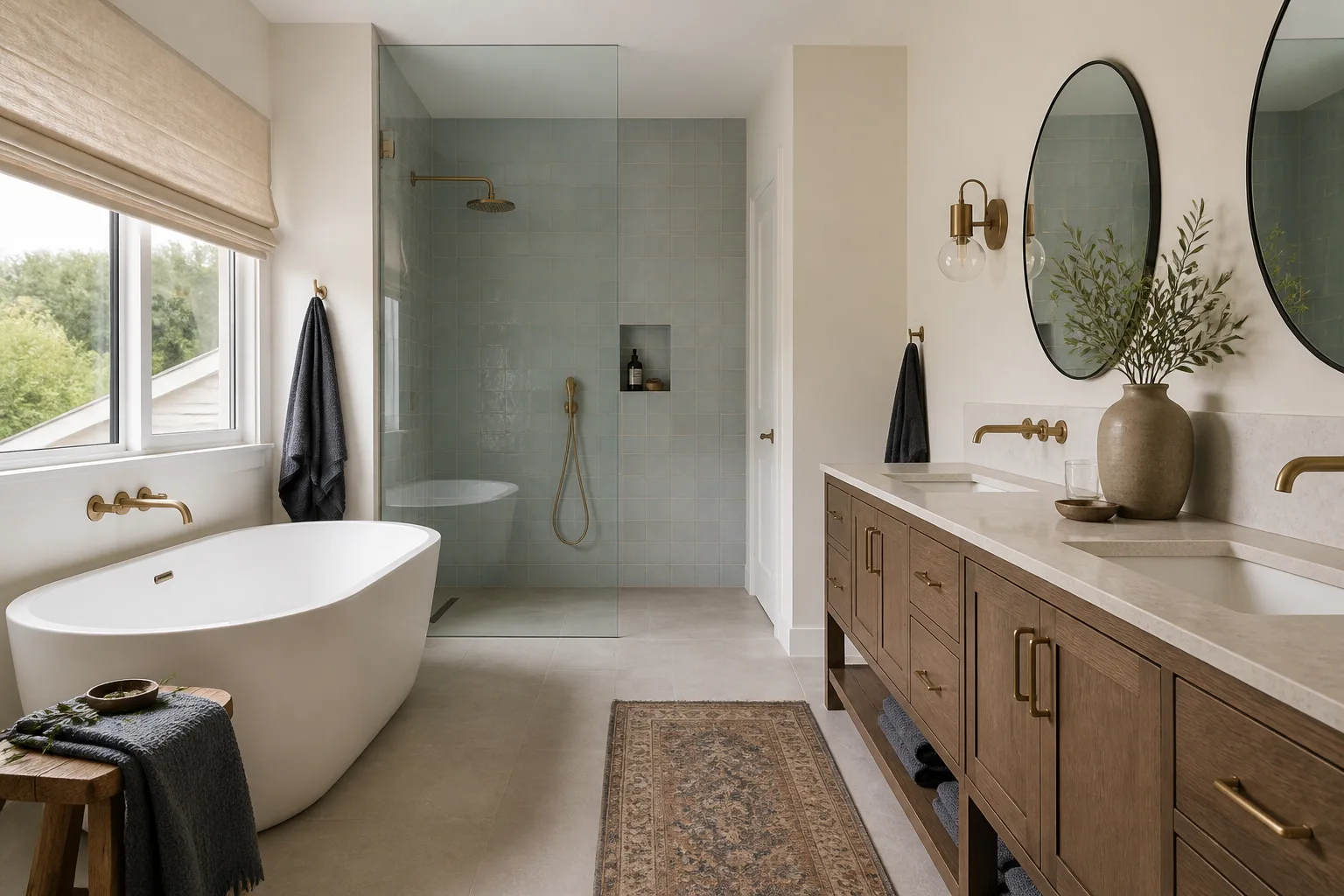
- Bathroom remodeling
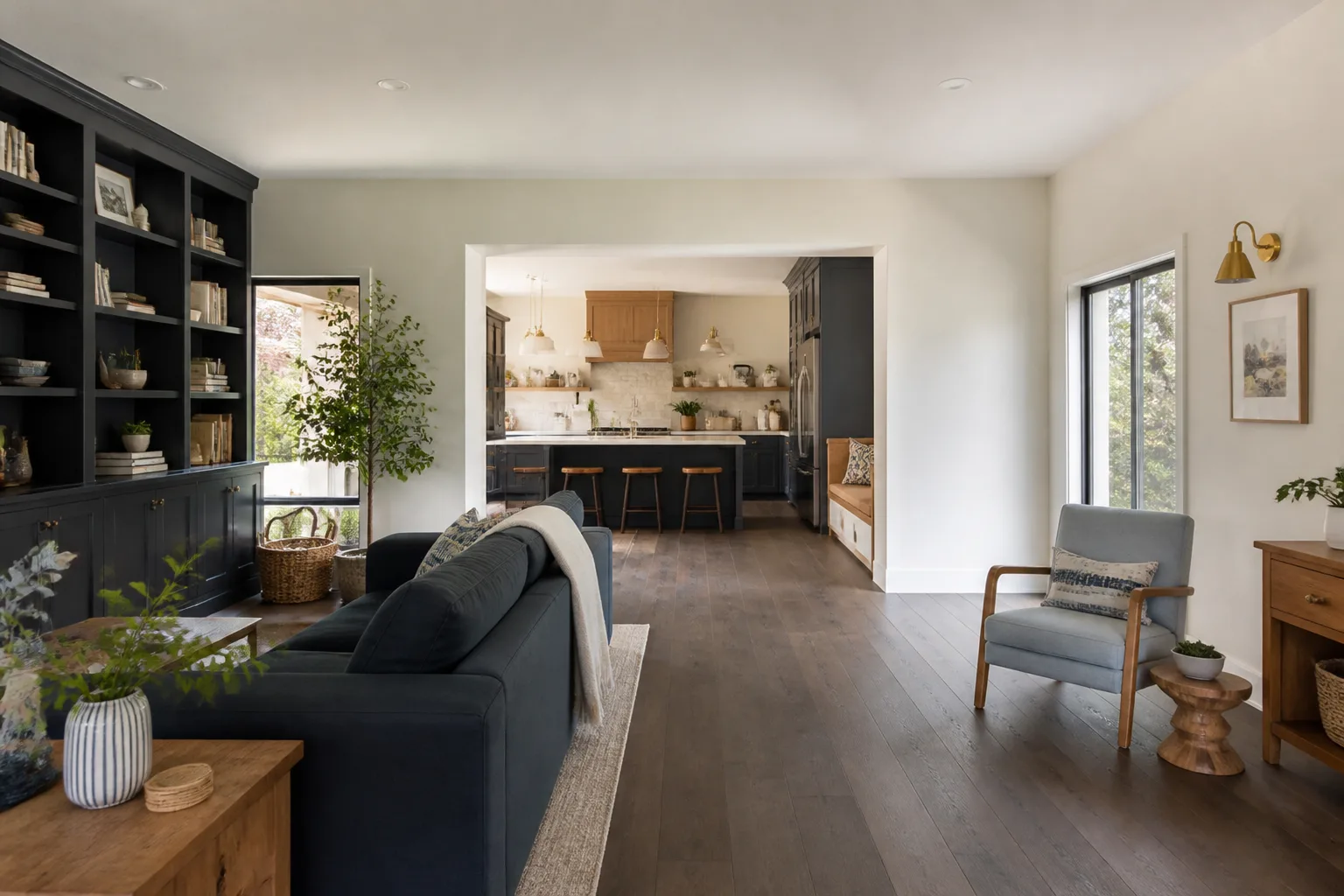
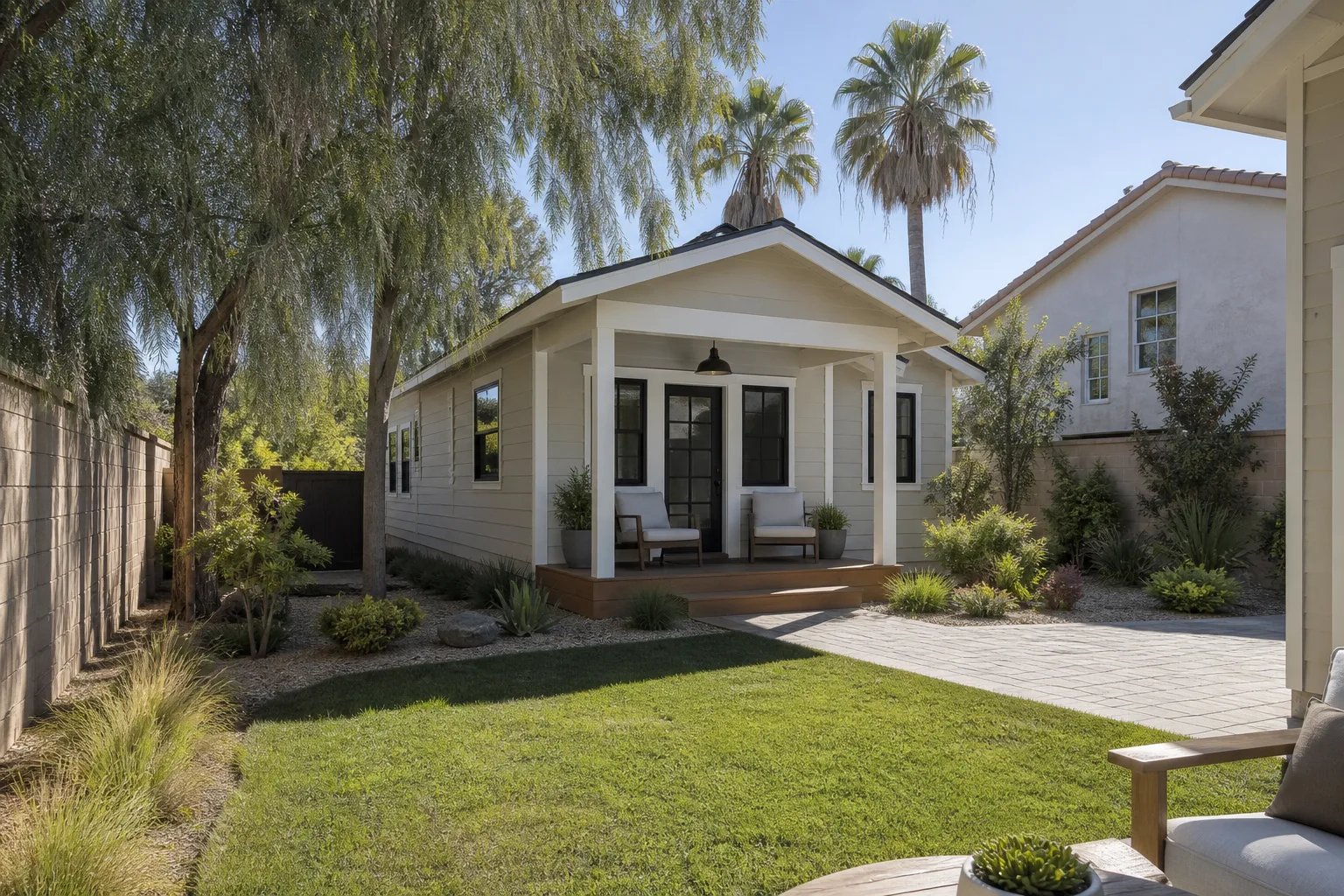
- Home additions & ADU
- Roofing
- Windows & doors
- Driveway & pavers
- Fence
See the difference
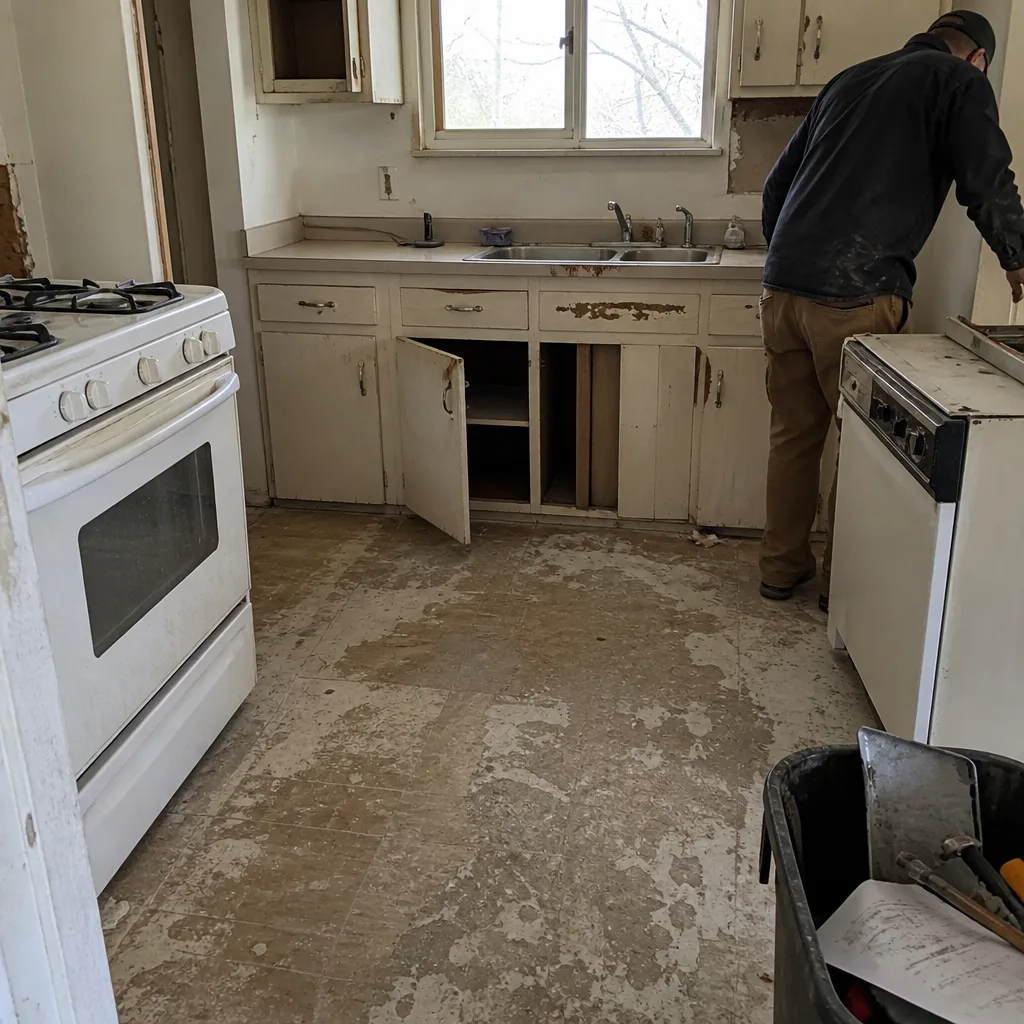 Before
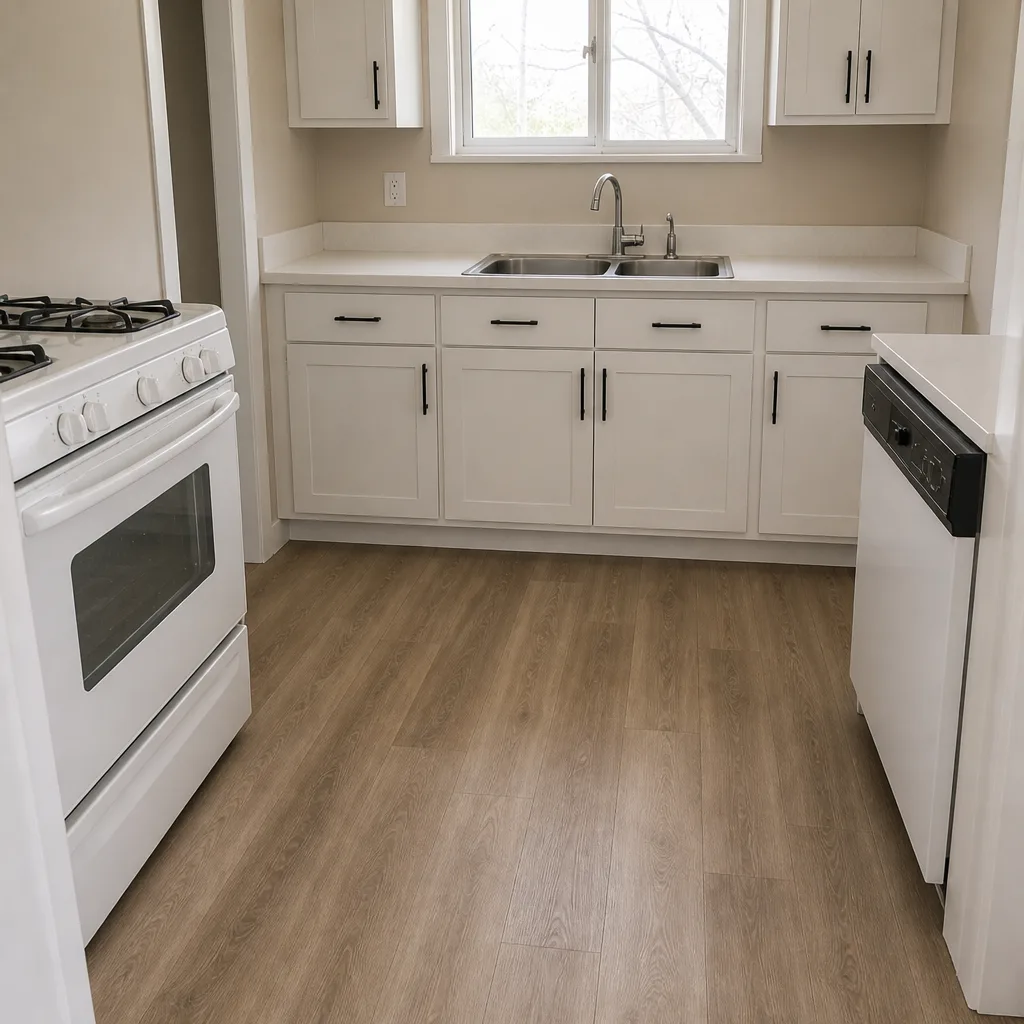 After
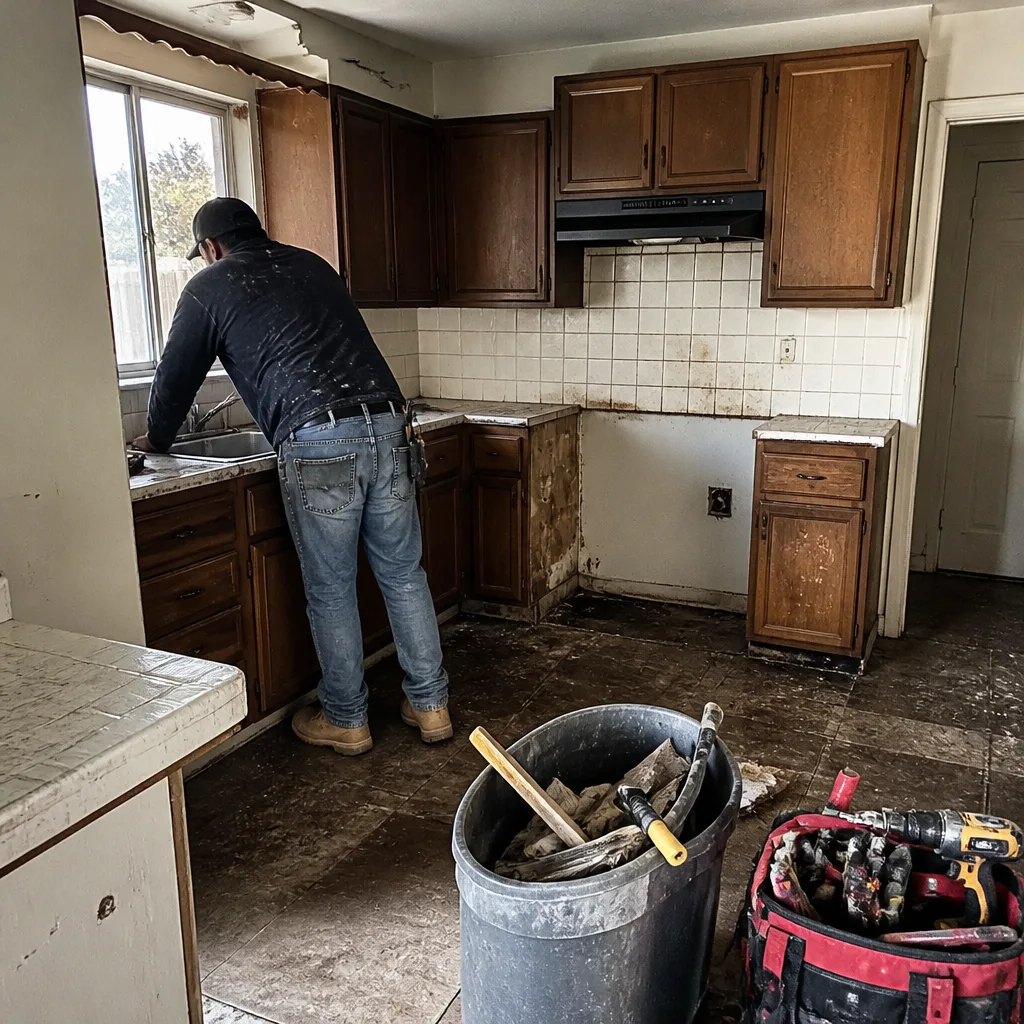 Before
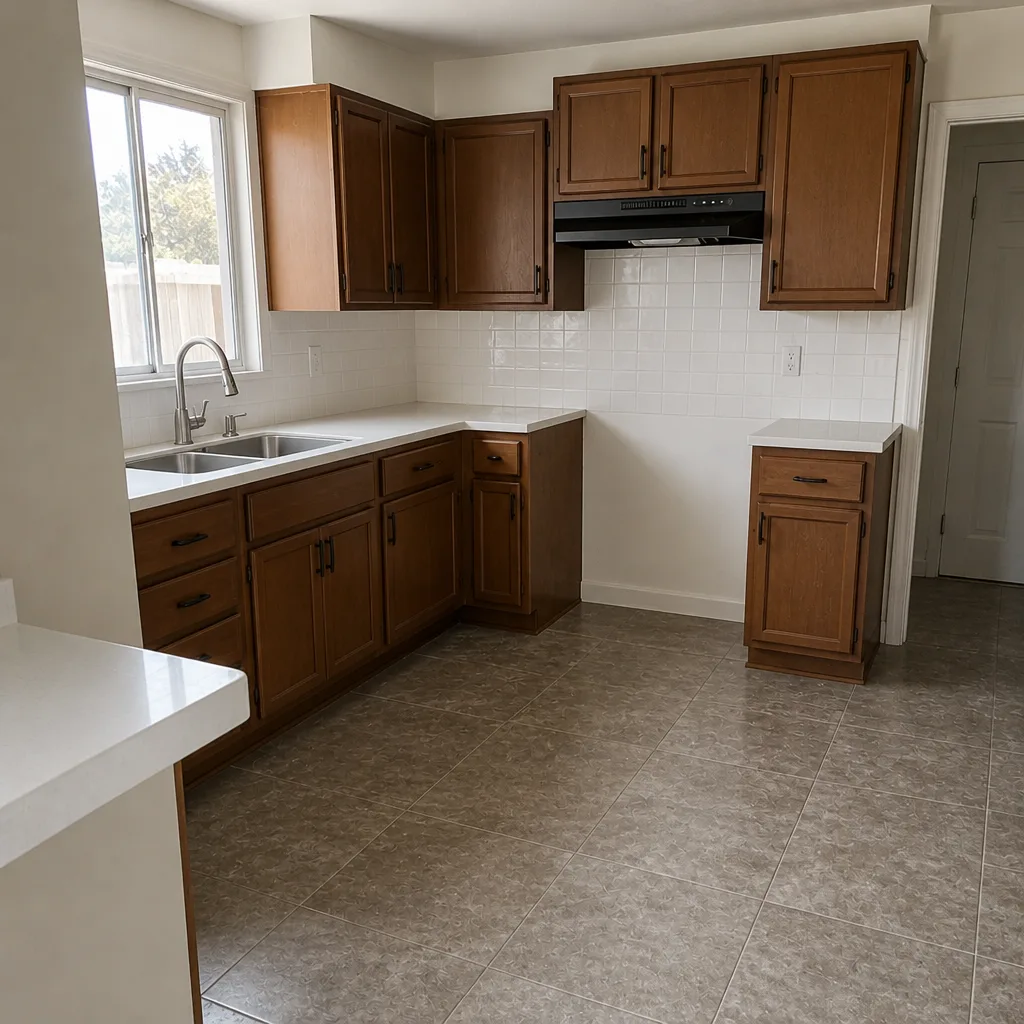 After
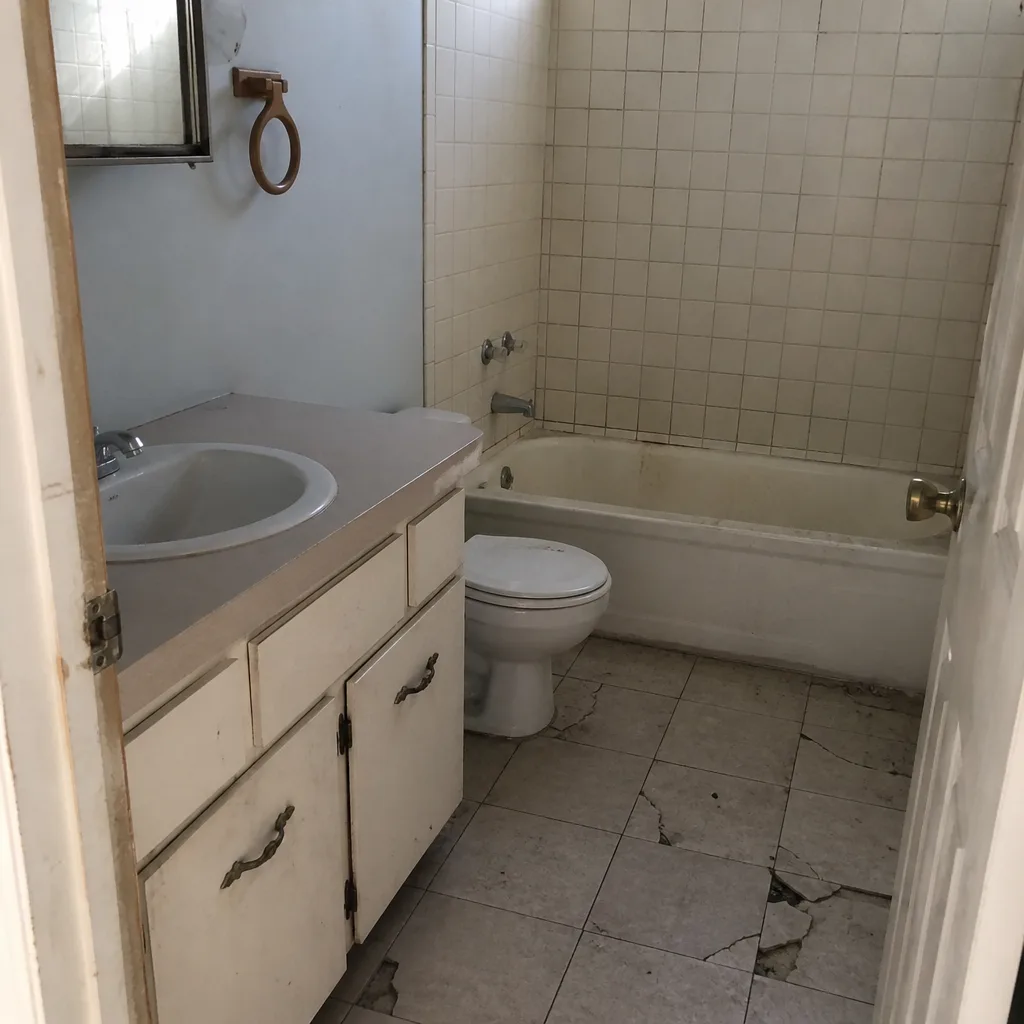 Before
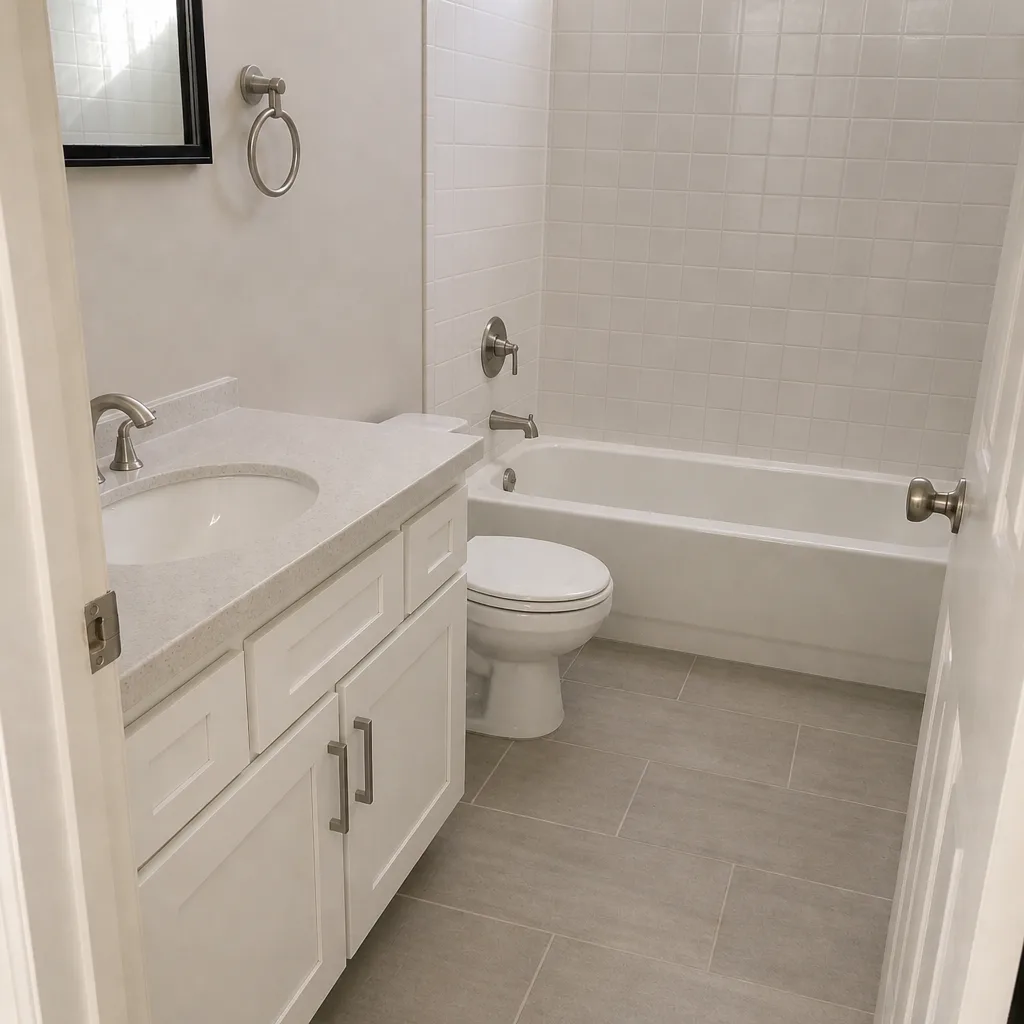 After
Tile vs Vinyl Plank Kitchen Flooring in Enterprise, NV: Choose Porcelain Tile Unless You’re Selling or Renting
For most owner-occupants in Enterprise, NV, large-format porcelain tile set over a decoupling membrane is the better kitchen floor, and glue-down luxury vinyl plank is the better pick only if you’re renting the home out, flipping it, or working with a floor budget under about $8 per square foot. The reason isn’t style. It’s thermal. Enterprise kitchens sit inside stucco tract homes on slab-on-grade foundations that move with 110°F+ Mojave summers, and the two materials handle that movement very differently. We’ve replaced both under those conditions, and the pattern is consistent. Call (844) 797-5994 for a written price before you commit to either.
Key Takeaways
- Porcelain tile on a decoupling membrane outlasts glue-down LVP by an estimated 10+ years in Enterprise’s heat and low humidity.
- Out-of-flat slabs in late-1990s through 2010s Mountain’s Edge and Southern Highlands homes often force self-leveling compound, which can add $2-$6 per square foot to an LVP install.
- Premium tile spec sheets belong in writing before work starts; we source from named suppliers the same way we source Cambria and Caesarstone counters.
- Kitchen remodels in Enterprise typically run $14,000-$45,000, and flooring is a line item inside that number, not a separate surprise.
Why Enterprise Heat Changes the Tile vs Vinyl Plank Decision
A kitchen in an Enterprise stucco tract home can hit 85°F at the subfloor on a July afternoon before the oven is even on. That’s the part the generic comparison articles skip. Glue-down LVP has a coefficient of thermal expansion that’s roughly 5 to 6 times higher than porcelain, and when the interior temperature spikes in an uninsulated slab-on-grade house, that expansion pushes against walls, cabinet toe kicks, and door jambs. Over a few summers, you get gapping at the seams or cupping where the plank lifts. Tile on a decoupling membrane doesn’t share that failure mode because the membrane absorbs the slab’s movement instead of transferring it to the tile.
The climate cuts both ways. Enterprise sits at the southwest valley floor near the McCullough Range, and the dry air pulls moisture out of everything. Grout lines age faster here than in humid climates, so a cementitious grout without a sealer will start to chalk and crack in a high-UV kitchen. LVP adhesive films out and lets go on the same schedule. Neither material is maintenance-free in the desert. The question is which one fails gracefully.
The Subfloor Reality in Mountain’s Edge and Southern Highlands
Here’s what actually drives the cost conversation in Enterprise. Tract homes built from the late 1990s through the 2010s across Mountain’s Edge and Southern Highlands often sit on slabs that are out of flat by a quarter inch over 10 feet or more, from desert soil settlement under the foundation. A flooring installer who skips that step and glues LVP directly to a wavy slab gets a floor that telegraphs every high spot within a year. Correct prep means self-leveling compound, and that’s not cheap.
This is where the “budget” appeal of LVP quietly evaporates. The plank itself may cost less per square foot, but the prep to make a wavy Enterprise slab ready for glue-down install often costs more than the prep for a tile float, because tile mud beds accommodate minor irregularities that LVP cannot. We price that prep in writing before a single bag of Quikrete or Sakrete self-leveler gets opened, so the number you approve is the number on the invoice. That’s part of The Relay Visibility Guarantee on every job.
Side-by-Side: How Tile and LVP Actually Compare in Enterprise Kitchens
| Factor | Large-Format Porcelain Tile | Glue-Down LVP |
|---|---|---|
| Thermal behavior at 85°F+ subfloor | Stable; decoupling membrane absorbs slab movement | 5-6x higher expansion; risk of gapping or cupping |
| Typical installed cost, Enterprise | $9-$16 per sq ft including membrane and prep | $4-$9 per sq ft, before slab leveling |
| Slab prep on out-of-flat tract homes | Thin-set float handles minor waves | Requires self-leveling compound; adds $2-$6 per sq ft |
| Grout maintenance in low humidity | Needs sealing every 2-3 years; UV-stable grout options reduce it | Seams, not grout; adhesive film-out is the failure point |
| Expected service life in this climate | 20+ years | 10-15 years for glue-down in high-heat interiors |
| Best fit | Owner-occupants running AC hard on slab-on-grade | Rentals, flips, sub-$8/sq ft budgets |
The $3-$5 per square foot price delta between the two is real. So is the extra decade of lifespan. For a 200-square-foot Enterprise kitchen, that delta works out to $600-$1,000 more upfront for tile, against an LVP replacement cycle that starts over in 10 years. The math favors tile for anyone planning to stay.
What the Spec Sheet Should Say Before Work Starts
Here’s a first-hand detail from our jobs that generic comparison articles never mention: the flooring spec sheet should name the tile manufacturer, the grout brand, the membrane, the leveling compound, and the exact square footage being covered, in writing, before the first box is opened. That’s the same standard we apply to the rest of a remodel. We source counters from Cambria and Caesarstone, cabinets from KraftMaid and Wellborn, and tile from named premium suppliers. When you see the quote, you know the product.
If you’re thinking about a broader kitchen refresh while the floor is torn up, our team handles the full scope through Kitchen Remodeling and offers a dedicated Kitchen Remodeling in Enterprise page with local pricing broken down by cabinet, counter, and island line item. It’s a lot easier to decide on the floor when you can see the whole kitchen budget on one page.
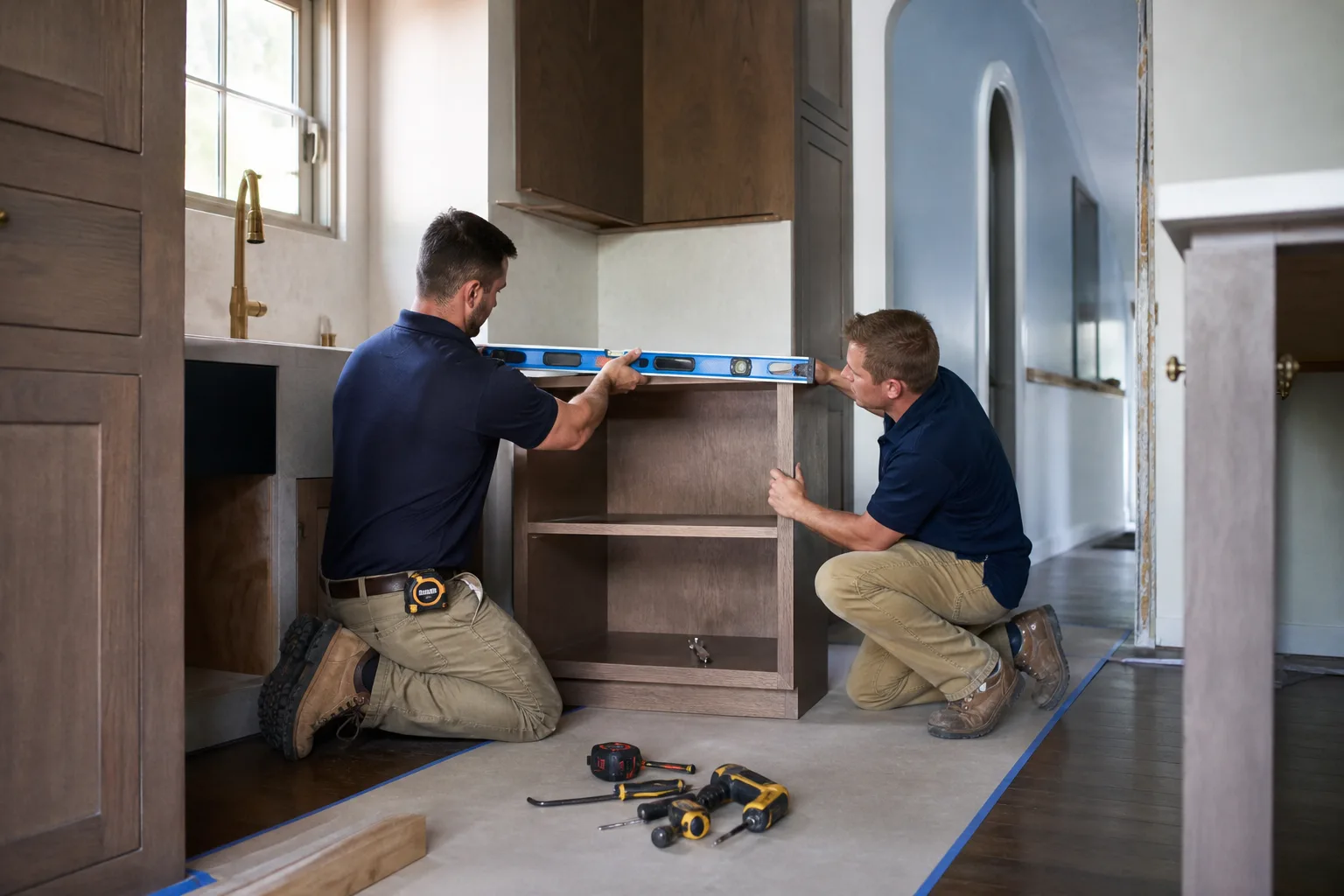
We also want to flag the sequence. In an Enterprise kitchen, tile install usually happens after cabinet installation but before the countertop template. Skipping that sequence means a floor tile cut around cabinet toe kicks, and you see every gap. We schedule tile, cabinets, and counters in the right order, and you get a live arrival time and photo updates on the day each crew is scheduled. Live phone answering 24/7 means you can text a question at 9 p.m. the night before a pour and get a real answer.
When They Arrive and What They Do
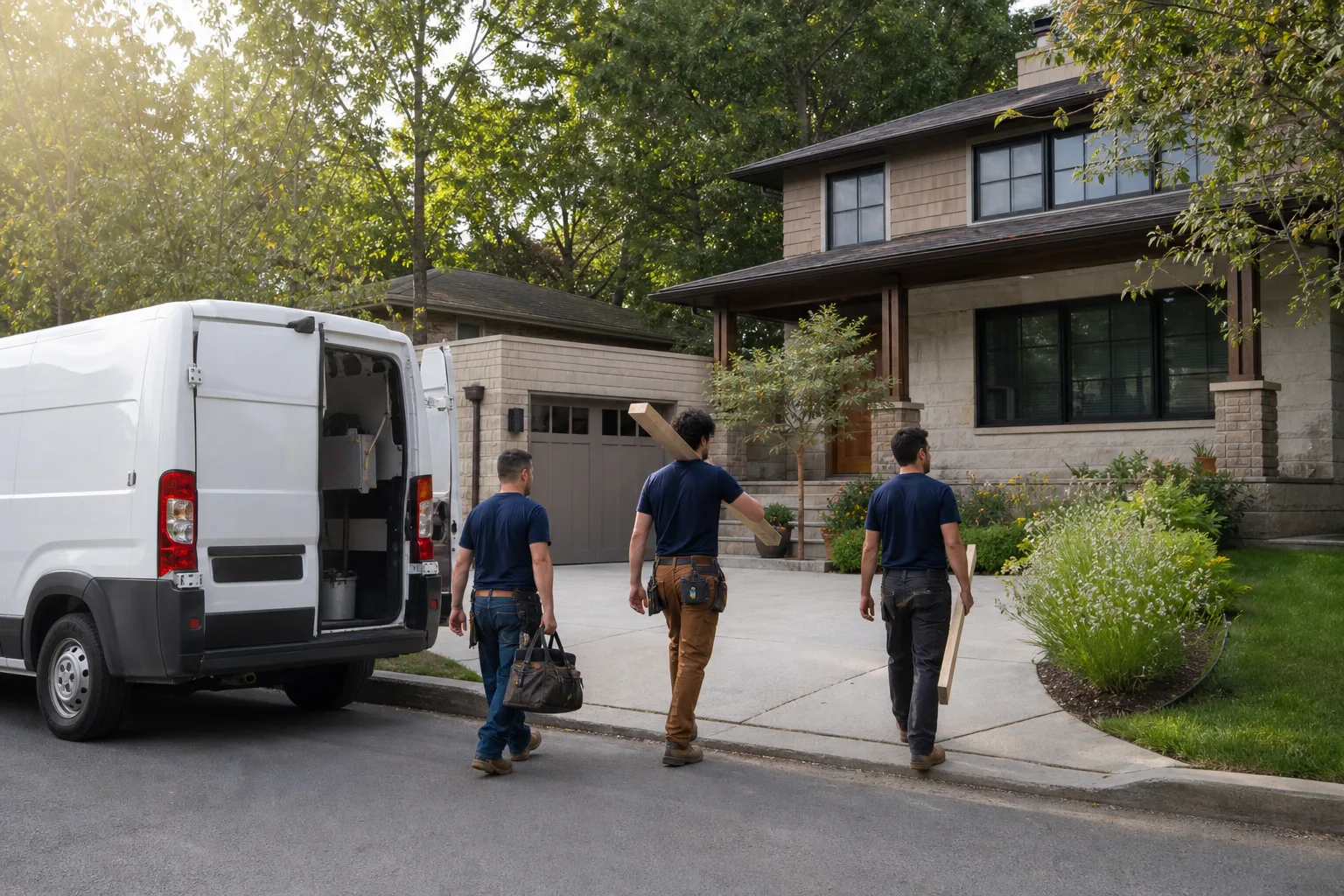
Every technician who walks into an Enterprise home is background-checked and uniformed, and you’ll know the name and arrival window before they pull up. Our team has technicians with up to 21 years of experience across tile, vinyl, and full kitchen work. The flooring job itself typically runs three to five days for a 200-square-foot kitchen: one for demo and slab prep, two for tile set and cure, one for grout, one for finish trim. LVP install is faster, often a single day plus prep, which is another reason it stays popular with rental property owners in Mountain’s Edge.
FAQs
Installed tile in an Enterprise kitchen typically runs $9-$16 per square foot including membrane, thin-set, and prep, while glue-down LVP runs $4-$9 per square foot before slab leveling, which often adds $2-$6 per square foot on tract-home slabs in Mountain’s Edge and Southern Highlands. A full kitchen remodel including flooring lands between $14,000 and $45,000 depending on cabinet and counter scope. Call (844) 797-5994 for an exact quote, and get it in writing before any work starts.
Yes. Glue-down LVP in an uninsulated slab-on-grade Enterprise kitchen with interior temps spiking past 90°F in summer can gap at seams or cup at the edges within two to three seasons, because its coefficient of thermal expansion is roughly 5 to 6 times that of porcelain. If the AC runs continuously, LVP holds better, but it still ages faster than tile in this climate. Call (844) 797-5994 to talk through whether your specific subfloor and cooling setup will be kind to LVP.
Replacement is almost always the answer once LVP has gapped at more than a few seams, because patching a glue-down floor over an out-of-flat Enterprise slab just delays the next failure. A full replacement with tile on a decoupling membrane typically costs more upfront but resets the clock for 20+ years rather than 8. Call (844) 797-5994 for a written comparison of repair versus replacement for your kitchen.
Same-day assessments are often possible in Enterprise depending on route and schedule, and our phone line is answered by a live person 24/7 so you’ll get a real answer rather than a callback queue. Our technicians bring a straightedge and level to the first visit so the slab condition is documented before any price is quoted. Call (844) 797-5994 and we’ll confirm a window for today or tomorrow.
Getting a Written Price in Enterprise
If you’d rather have it looked at, Sawyer Remodel Enterprise offers a no-pressure assessment in Enterprise: a technician walks the kitchen, levels the slab, and hands you a written price covering tile, LVP, and every prep line in between. Then you decide. Call (844) 797-5994 for a free estimate, and check the home page for how The Relay Standard applies to every job.
Written by the team at Sawyer Remodel Enterprise, serving Enterprise, NV.