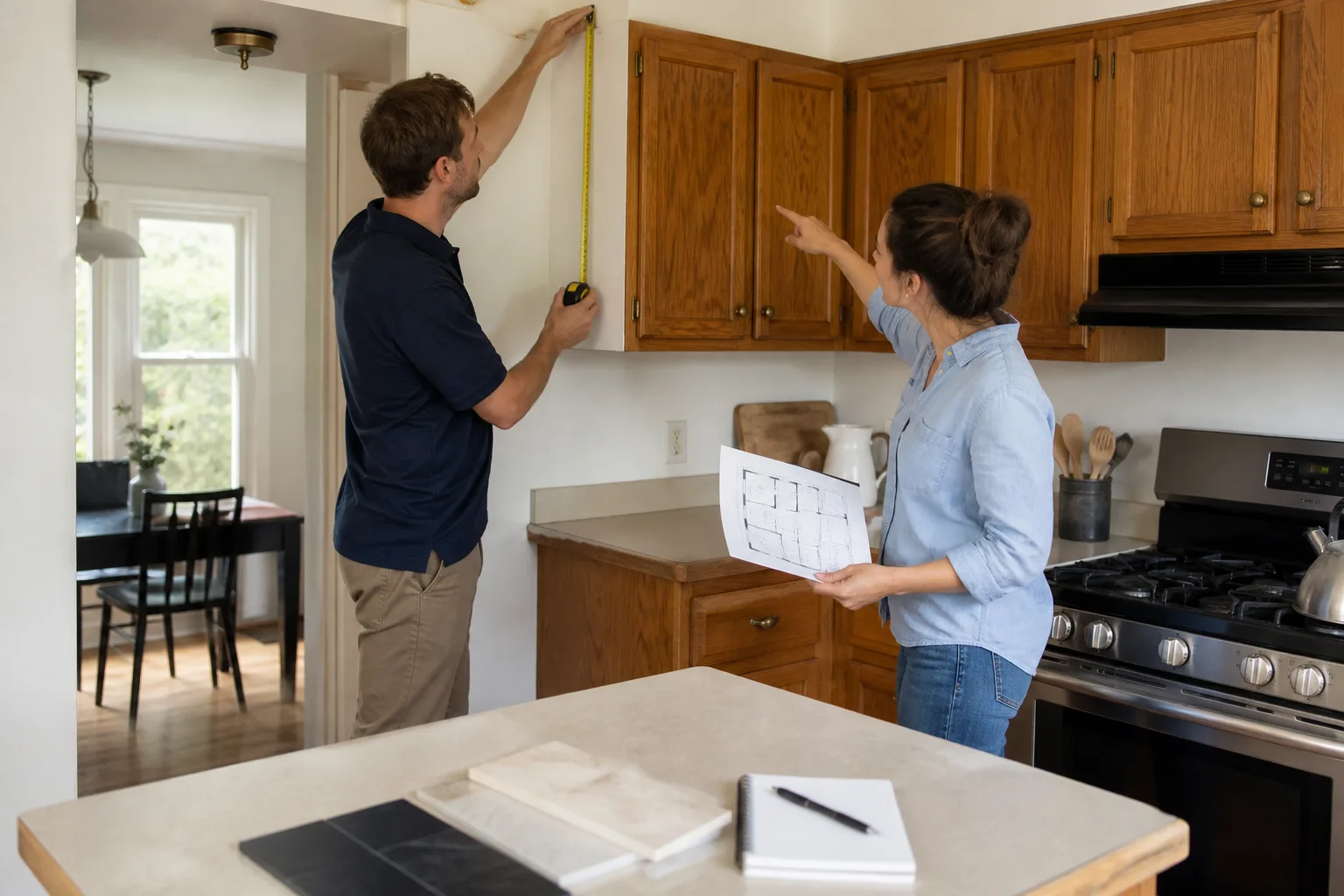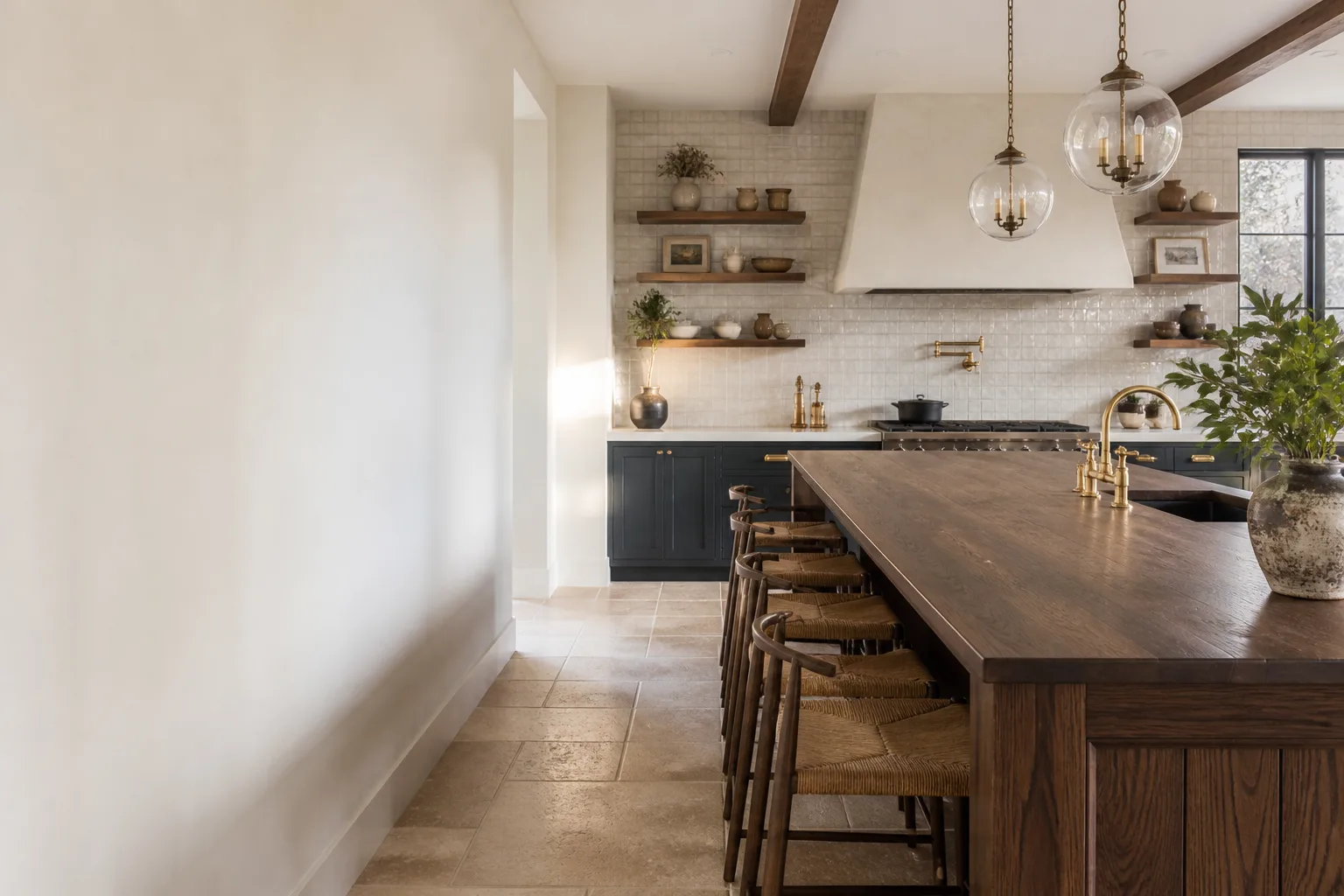


Free written scope consultation - allowances, timeline, and change-order rules on paper before a single trade is scheduled
Styles & brands we work with
- Kitchen remodeling
- Bathroom remodeling
- Home additions & ADU
- Roofing
- Windows & doors
- Driveway & pavers
- Fence
See the difference
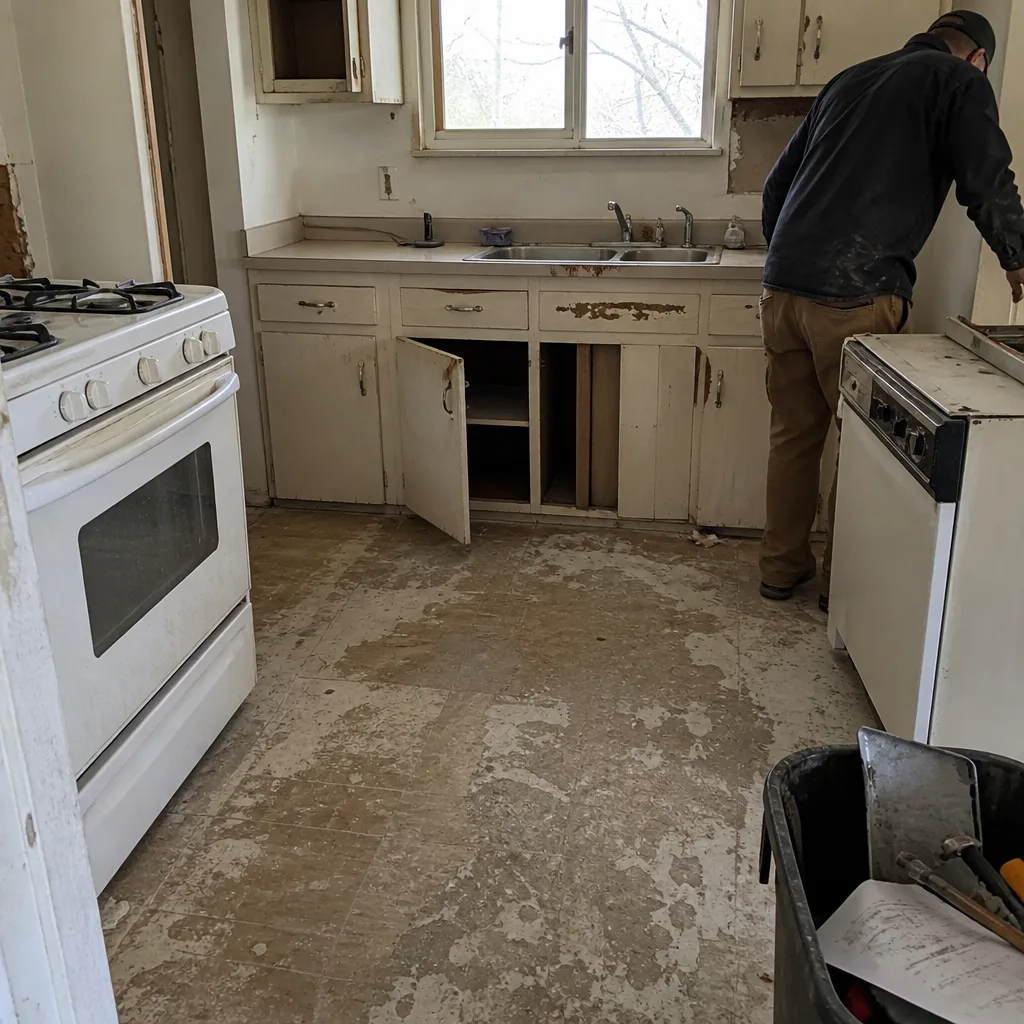 Before
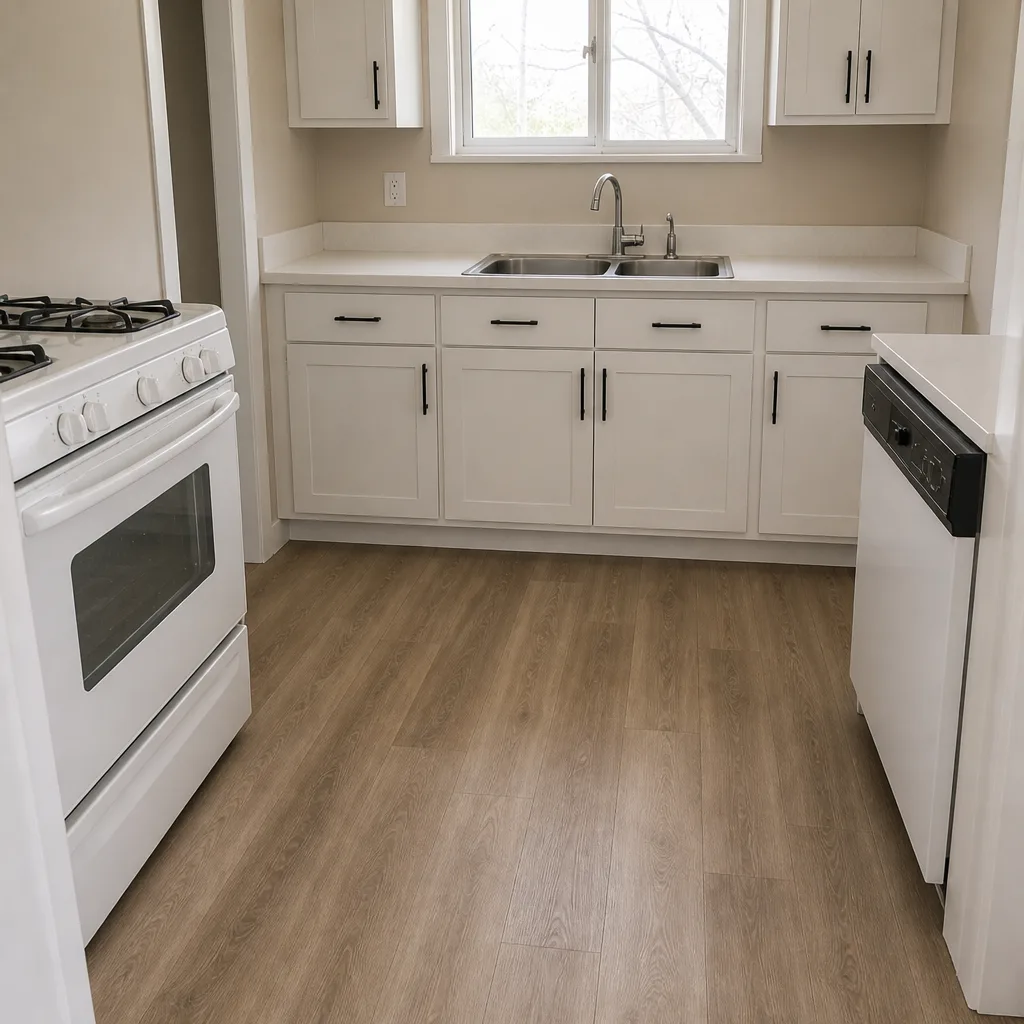 After
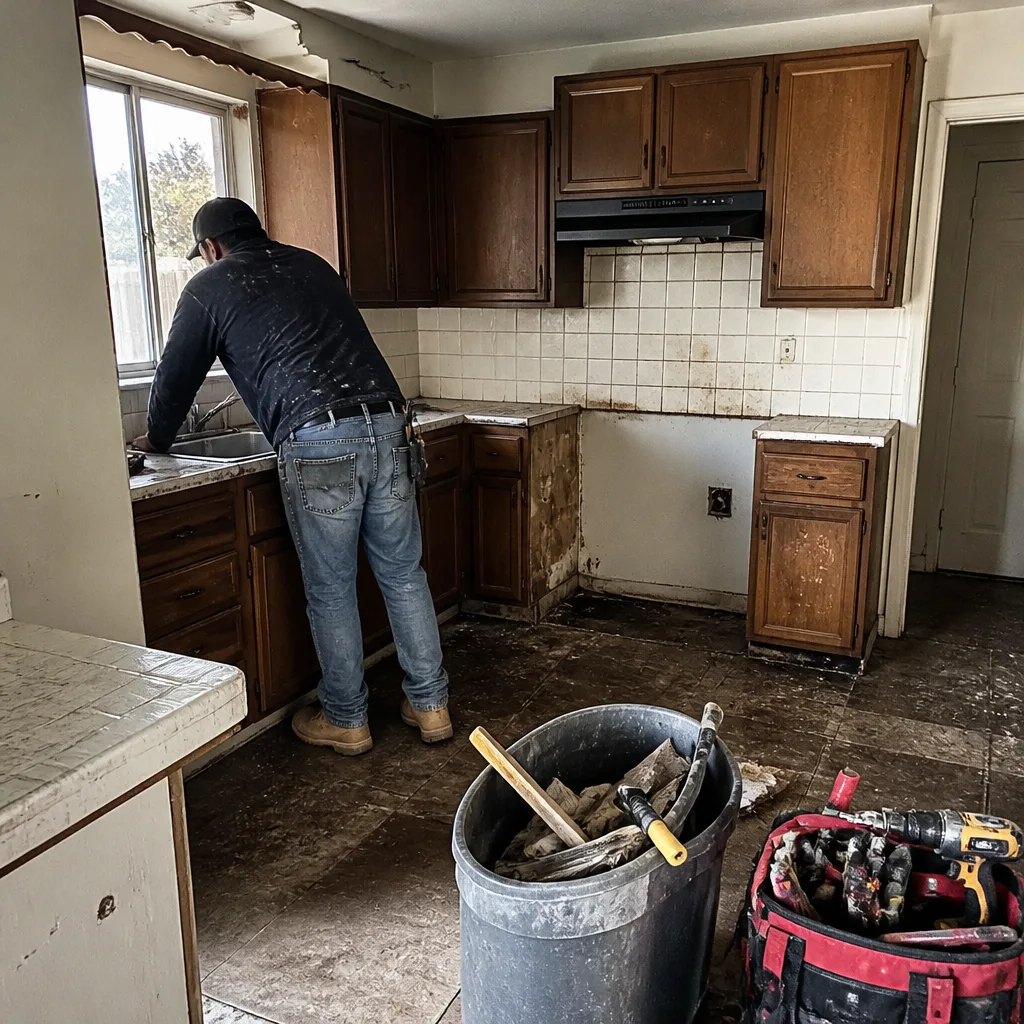 Before
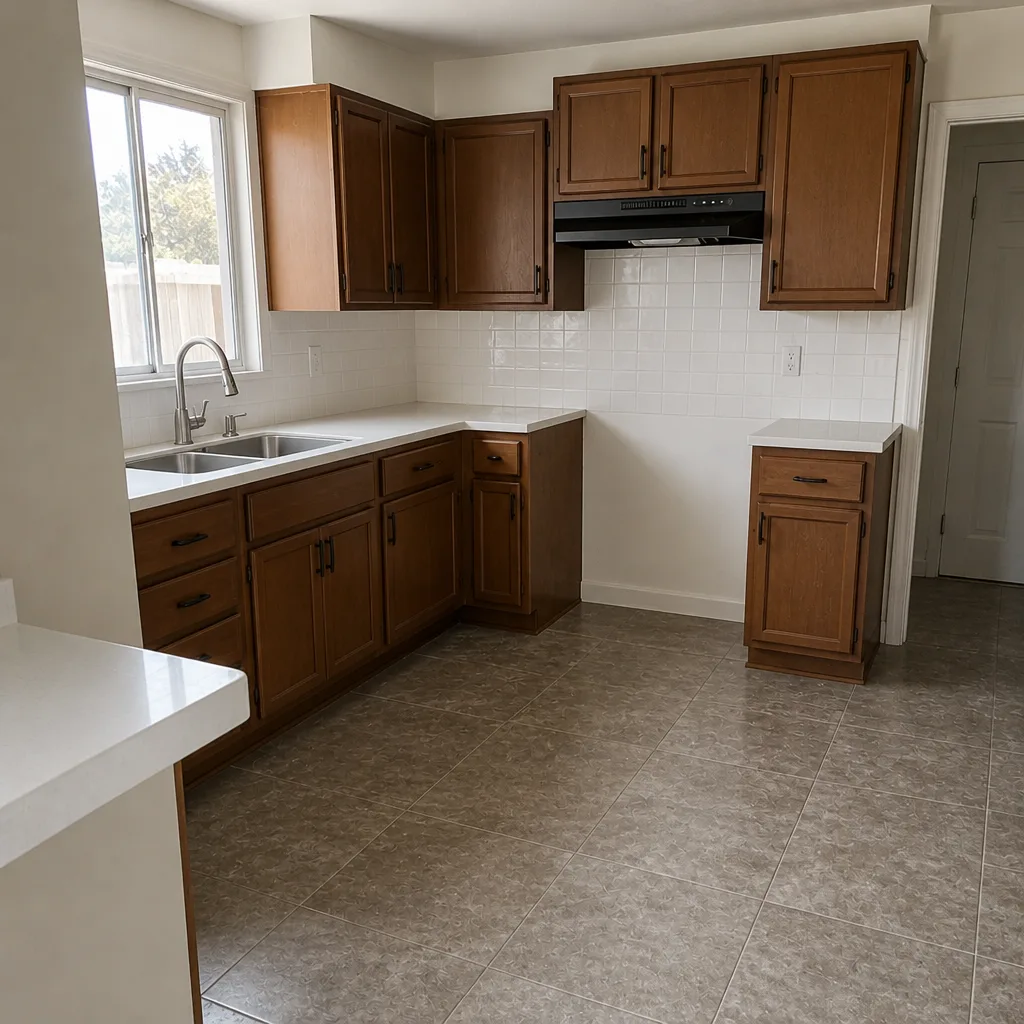 After
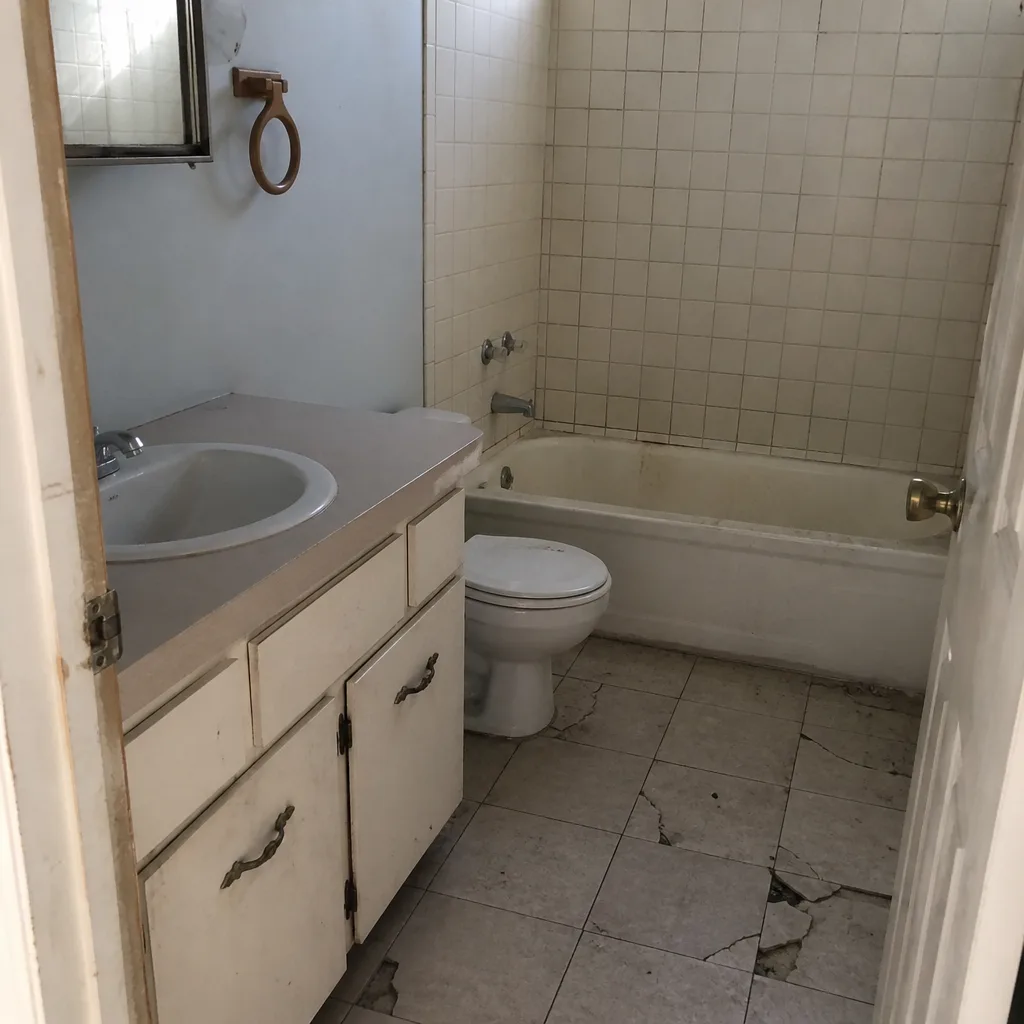 Before
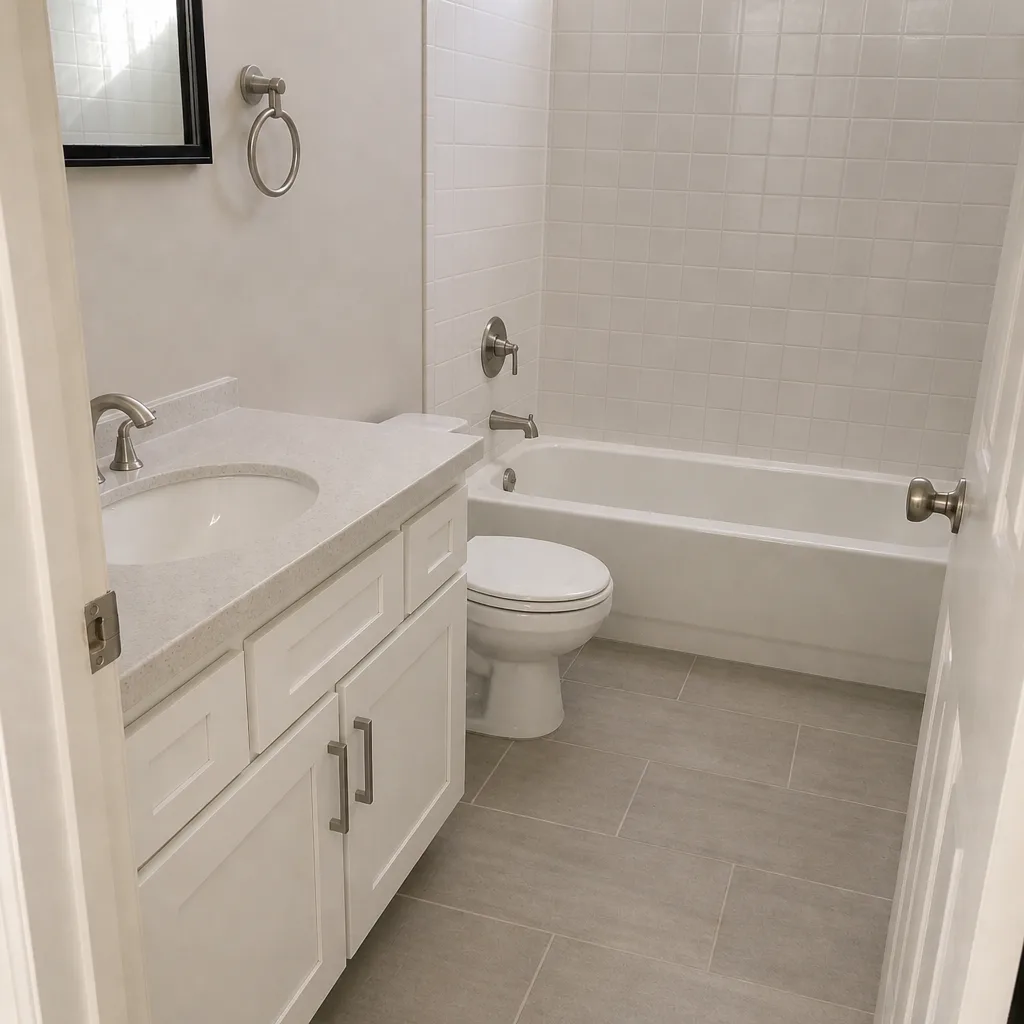 After
Cabinet Refacing vs Replacement in Enterprise, NV: Which One Your Boxes Can Actually Support
Choose refacing if your cabinet boxes are square, solid, and free of delamination – and choose full replacement if the boxes have failed or your layout needs to change. Cabinet refacing in Enterprise runs 40-60% less than replacement, typically landing a full kitchen in the $14,000-$45,000 range depending on scope, materials, and whether new boxes are needed. The catch most pricing articles skip: in Enterprise’s tract-home market, the box underneath is the deciding factor, not the budget. Call (844) 797-5994 and we’ll walk you through what your cabinets can realistically support.
Here’s the problem in plain terms. Refacing means new doors, new drawer fronts, and a new veneer or laminate skin over the existing cabinet frame. That math only works if the frame is worth saving. In a 2004 Mountain’s Edge tract home, there’s a real chance two decades of desert heat cycling has already separated the MDF box faces from their frames. Cover that with veneer and you’ve spent good money hiding a structural problem that will keep moving. The faces will pop, the new hinges won’t hold, and you’ll be back to square one in three years. Before you spend a dollar, you need to know which side of that line your kitchen is on.
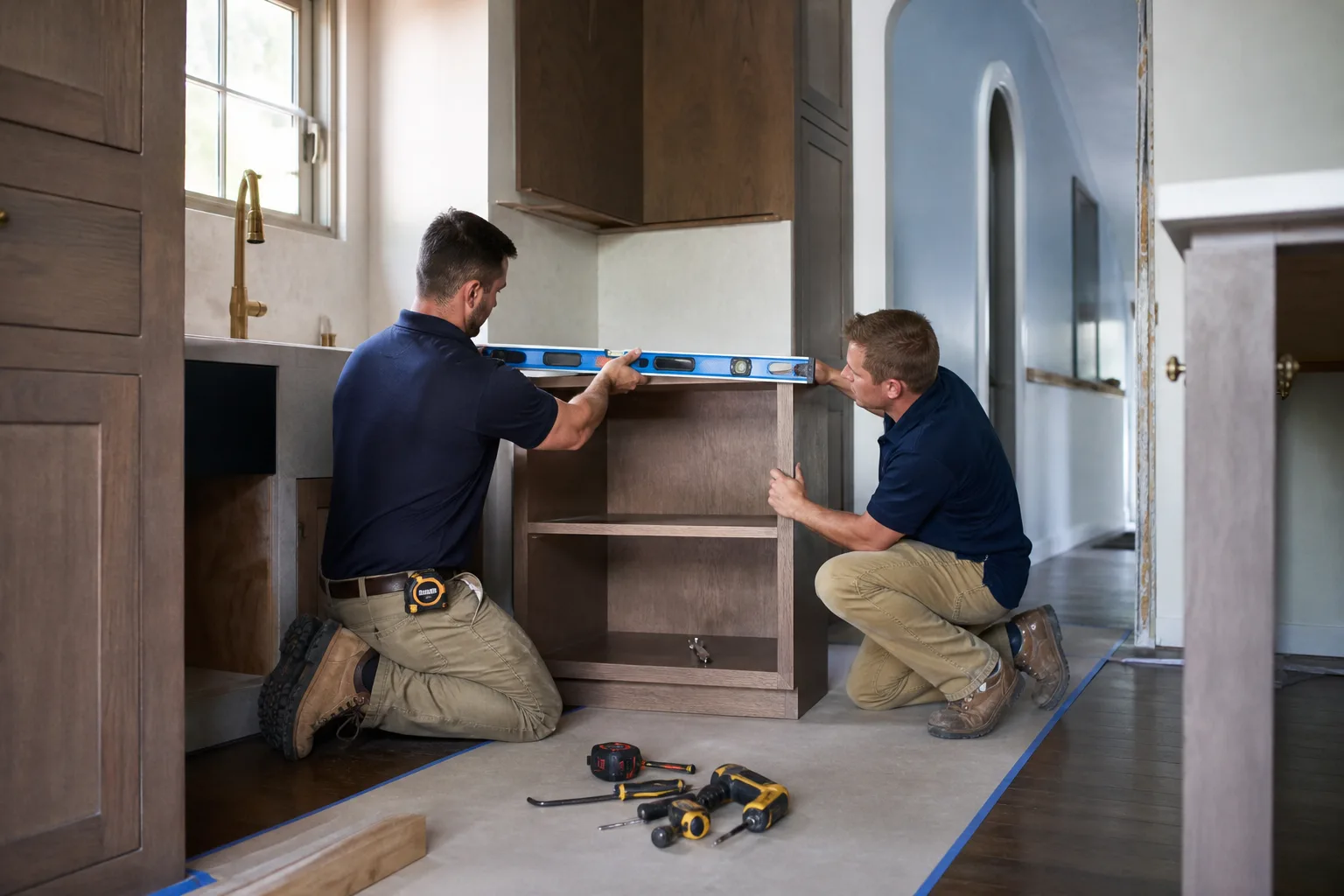
The box-integrity test: what to check before you decide
This is the step most refacing-vs-replacement articles leave out entirely. It’s also the step that decides the answer. We build it into every upfront written price as a named assessment, so you know before the quote whether your boxes passed or failed. The recommendation follows the inspection, not the margin.
Open every cabinet door and drawer and look at four things:
- Face-frame joint delamination. Run your finger along the seam where the door frame meets the box side. If the particleboard or MDF is separating, lifting, or crumbling at that joint, the box has lost structural integrity. New veneer over a delaminating frame is a cosmetic patch on a moving surface.
- Drawer slide strip integrity. Pull each drawer fully out and inspect the wood strip the slide mounts to. If it’s cracked, swollen from moisture, or pulling away from the box, the box can’t carry a new drawer system reliably.
- Hinge mount point solidity. Grab each door and gently push at the hinge. If the screw holes are stripped, the wood is soft, or you can see the hinge plate shifting under load, the box has failed at its highest-stress point. This is common in Enterprise tract homes where summer heat has baked the wood and dried the screw threads.
- Corner blocking and box squareness. Look inside the corners – is the blocking intact? Set a square on the face frame and check for racking. A box that’s out of square by more than about 1/8 inch across a 24-inch span will make new doors hang crooked no matter how well they’re built.
Any one of these failures is a signal to look hard at replacement. Two or more, and refacing is likely transferring the problem rather than fixing it.
Why Enterprise kitchens land in borderline territory more often than older markets
Enterprise’s housing stock is overwhelmingly new – Mediterranean stucco-and-tile tract homes and townhomes built from the late 1990s through the 2020s, with whole subdivisions laid down in phases across Mountain’s Edge and Southern Highlands. That sounds like a refacing-friendly market, and often it is. But new construction means builder-grade materials, and builder-grade MDF and particleboard boxes in homes built 1998-2012 have absorbed a specific kind of stress that older solid-wood cabinets from the 1970s never had to face.
The Mojave Desert swings from roughly 40°F on winter nights to 110°F+ on summer days. That’s a 70-degree annual thermal cycle repeated every year for 15 to 25 years. Builder specs of that era rarely allowed adequate expansion gaps for that range. The MDF swells in August and contracts in January, and the face-frame joints take the hit. Add in monsoon-season humidity spikes when storms roll off the McCullough Range, and you get boxes that look fine to the eye but fail the finger test at the joints.
That’s why we don’t quote refacing over the phone. In Enterprise, the box assessment isn’t a formality – it’s the whole decision. Our technicians have up to 21 years of experience reading exactly this signal, and brand-name materials matter here too: KraftMaid and Wellborn boxes hold up significantly better to thermal cycling than the unbranded builder stock they’re replacing.
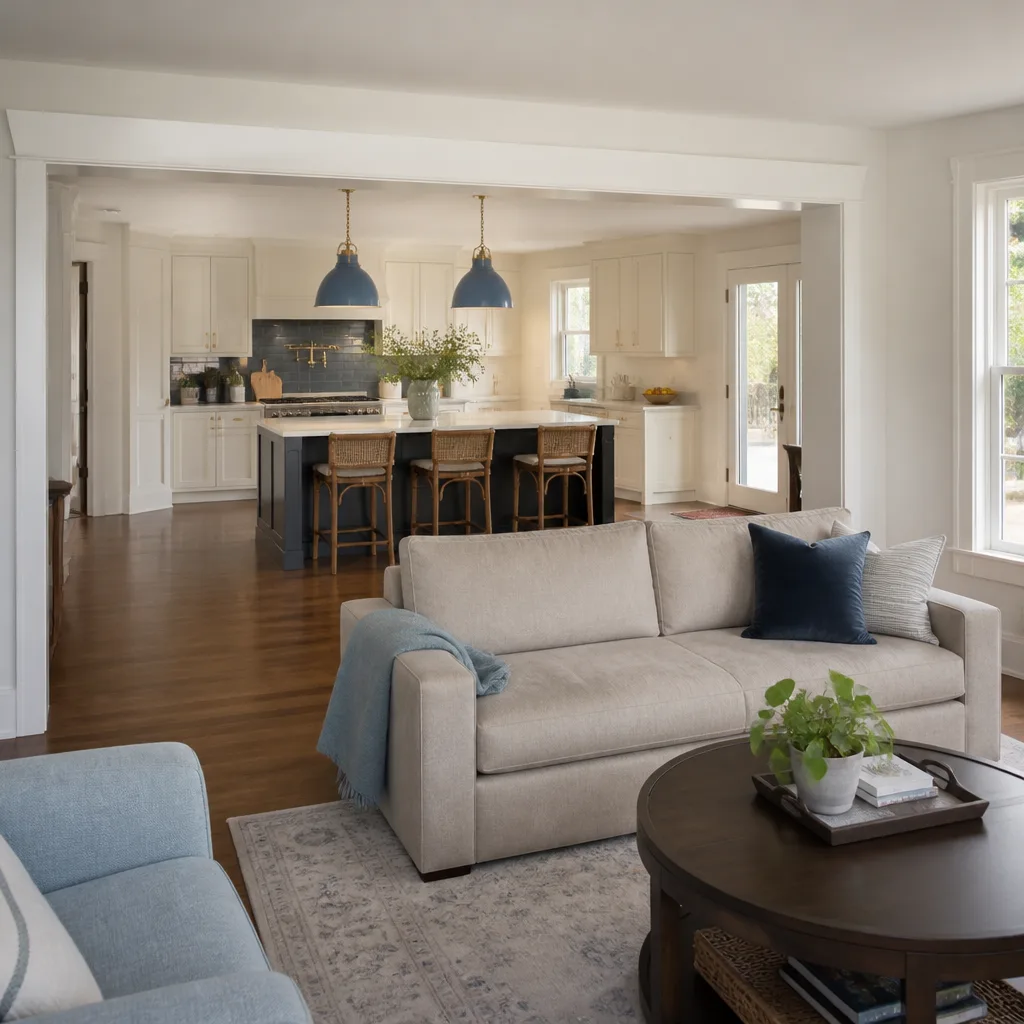
The genuine case for each option
We’re not going to pretend one answer fits every Enterprise kitchen. Here’s the honest split.
Refacing wins when:
- The boxes pass all four integrity checks – square, solid, no delamination, hinge points holding.
- The layout already works. You aren’t moving the sink, the range, or the run of cabinets.
- You want a cosmetic refresh: new doors, new drawer fronts, new color, updated hardware.
- You’re keeping the soffit above the uppers as-is and not chasing extra ceiling height.
- You want the fastest path with the least disruption and no permit exposure.
Replacement wins when:
- The box has failed one or more integrity checks. New faces over bad boxes are money spent twice.
- The layout needs to change – walkway widths, island placement, appliance relocation, more storage.
- You’re raising the ceiling line to eliminate the builder-standard 36-inch upper soffit. That always means new, taller boxes.
- You’re moving plumbing or electrical as part of the change.
- You want a fundamentally different proportion of drawer-to-door storage than the existing boxes allow.
Full replacement also carries a permit implication worth naming. Installing new cabinets in a like-for-like remodel doesn’t require a permit on its own. But if the replacement triggers a layout change that moves plumbing or electrical, Clark County requires a permit for that work. Refacing sidesteps the permit question entirely because the box, the plumbing, and the wiring all stay put. If the scope grows beyond cabinets into the full room, our Kitchen Remodeling service covers that end to end.
Side-by-side comparison for Enterprise kitchens
| Factor | Refacing | Full Replacement |
|---|---|---|
| Typical cabinet cost | 40-60% less than replacement | Full project: $14,000-$45,000 |
| Cabinet installation alone | Not applicable | $4,000-$13,000 |
| Box assessment | Required – must pass all four checks | Box is new, so prior failures don’t carry over |
| Layout changes | No | Yes |
| Raising ceiling / removing soffit | No | Yes |
| Clark County permit | Not required | Only if plumbing/electrical moves |
| Timeline | Shorter | Longer, but boxes are new |
| Best fit | Solid boxes, working layout, cosmetic refresh | Failed boxes, layout change, or soffit removal |
The lead range for a full kitchen remodel in Enterprise sits at $14,000-$45,000, and cabinet installation alone runs $4,000-$13,000. Refacing typically lands well below the replacement end of that scale, but only when the boxes genuinely support it. A $4,000-$13,000 cabinet install is the right spend when the box is compromised – and it’s the wrong spend when it isn’t.
One more local note for context: Enterprise is one of the fastest-growing master-planned communities in Southern Nevada, and construction crews here are constantly working in active build-out zones alongside finished homes. If your kitchen shares a wall with a lot still being graded, expect dust on that side of the house during the work. We schedule cabinet removal and install around it so your finished faces don’t collect grit before they’re sealed.
How Sawyer Remodel Enterprise handles either path
A sawyer is the craftsperson who cuts the lumber – the craft comes first, and so does the inspection. When we write your price, the box assessment is a named line item in it. You’ll see whether your boxes passed or failed before you approve a number. What you approve is what lands on the invoice. Every project runs under The Relay Visibility Guarantee: a live arrival time, photo updates before and after, and a written price before a single tool is picked up. The 365-Day Done Right Promise backs the work in writing for a full year.
Technicians are background-checked and uniformed, so you know exactly who’s walking into your kitchen before they arrive. Our phone line is answered by a live person, and we quote brand-name cabinetry – KraftMaid and Wellborn – so you’re choosing from proven boxes, not mystery suppliers. If a refacing job ever fails our standard, the free second visit covers it, no argument. For the full picture of how a cabinet decision fits into a broader renovation, our Kitchen Remodeling in Enterprise page lays out the whole scope.
FAQs
Refacing costs 40-60% less than replacement, while a full kitchen remodel in Enterprise typically runs $14,000-$45,000 and cabinet installation alone runs $4,000-$13,000. Refacing lands below the replacement end of that scale when your boxes pass the integrity test. The only way to know your real number is the box assessment, and that comes with the quote. Call (844) 797-5994 for an exact figure – estimates are free.
No, and any contractor who says yes is guessing. Refacing eligibility depends on what’s inside the box – face-frame delamination, drawer slide strips, hinge points, and corner blocking – and none of that reads reliably over a phone call. In Enterprise’s 1998-2012 tract homes, that inspection decides the answer. We book the assessment as a named step and give you a written price afterward. Call (844) 797-5994 to schedule it.
Replace – if the box fails even one integrity check, refacing is the more expensive choice over time because you’ll pay for the same kitchen twice. Refacing only saves money when the box is solid enough to hold new faces for a decade or more. Spending $4,000-$13,000 on new cabinets beats spending on a veneer that will peel at the seams in three years. Call (844) 797-5994 and we’ll tell you honestly which side you’re on.
Not for like-for-like installation on its own; a permit is only required when the replacement moves plumbing or electrical. That’s the most common trigger in a full kitchen replacement. Refacing never triggers a permit because the box, plumbing, and wiring all stay in place. If your project crosses into layout changes, we flag it in the written price so there are no surprises. Call (844) 797-5994 for a scope review.
If you’d rather have it looked at than guessed at, Sawyer Remodel Enterprise offers a no-pressure cabinet assessment in Enterprise – call (844) 797-5994 for a free estimate. You’ll get a written price, a live arrival time, and a straight answer on whether your boxes are worth saving.
Written by the team at Sawyer Remodel Enterprise, serving Enterprise, NV.