Last updated November 18, 2026








Free written scope consultation - allowances, timeline, and change-order rules on paper before a single trade is scheduled
The Complete Home Renovation Guide for Enterprise Homeowners
The number one reason whole-home renovations go over budget isn’t a bad contractor. It’s homeowners who approved finish work before the rough-in was inspected, then paid to tear out brand-new drywall and redo it. We’ve watched it happen in Enterprise more times than it should. The fix isn’t a longer checklist; it’s the right order. This guide walks through the correct sequence for an Enterprise home, what Clark County actually requires, how to set a realistic contingency, when you need to move out, and how to tell a company that manages one trade apart from one that can run the full project.
Quick Answer
A whole-home renovation in Enterprise follows a fixed sequence: design and permits, then demolition, structural and rough-in work (framing, electrical, plumbing, HVAC), inspections, insulation and drywall, then finishes and fixtures. Skipping or reordering those steps is what causes failed inspections and paid-twice rework. Budget 15 to 20 percent above your base estimate as contingency, and expect the process to take months, not weeks.
Styles & brands we work with
- Kitchen remodeling
- Bathroom remodeling
- Home additions & ADU
- Roofing
- Windows & doors
- Driveway & pavers
- Fence
Table of Contents
- The correct renovation sequence for an Enterprise home
- Clark County permits: what a whole-home project requires
- How to budget with a realistic contingency
- Living in the house during the renovation
- How to evaluate a remodeling company for a large project
- Common mistakes to avoid
- When to call a professional
- Frequently asked questions
The Correct Renovation Sequence for an Enterprise Home
Order is the whole game. Everything that will be hidden behind a surface has to be finished and inspected before the surface goes on. In Enterprise, that matters more than in milder climates because the desert heat and monsoon season stress any system that wasn’t installed and sealed correctly. A rough-in that passes inspection in a temperate market can fail a monsoon-season moisture test here if the sequencing forced shortcuts.
Here is the sequence that holds up on a full-home project:
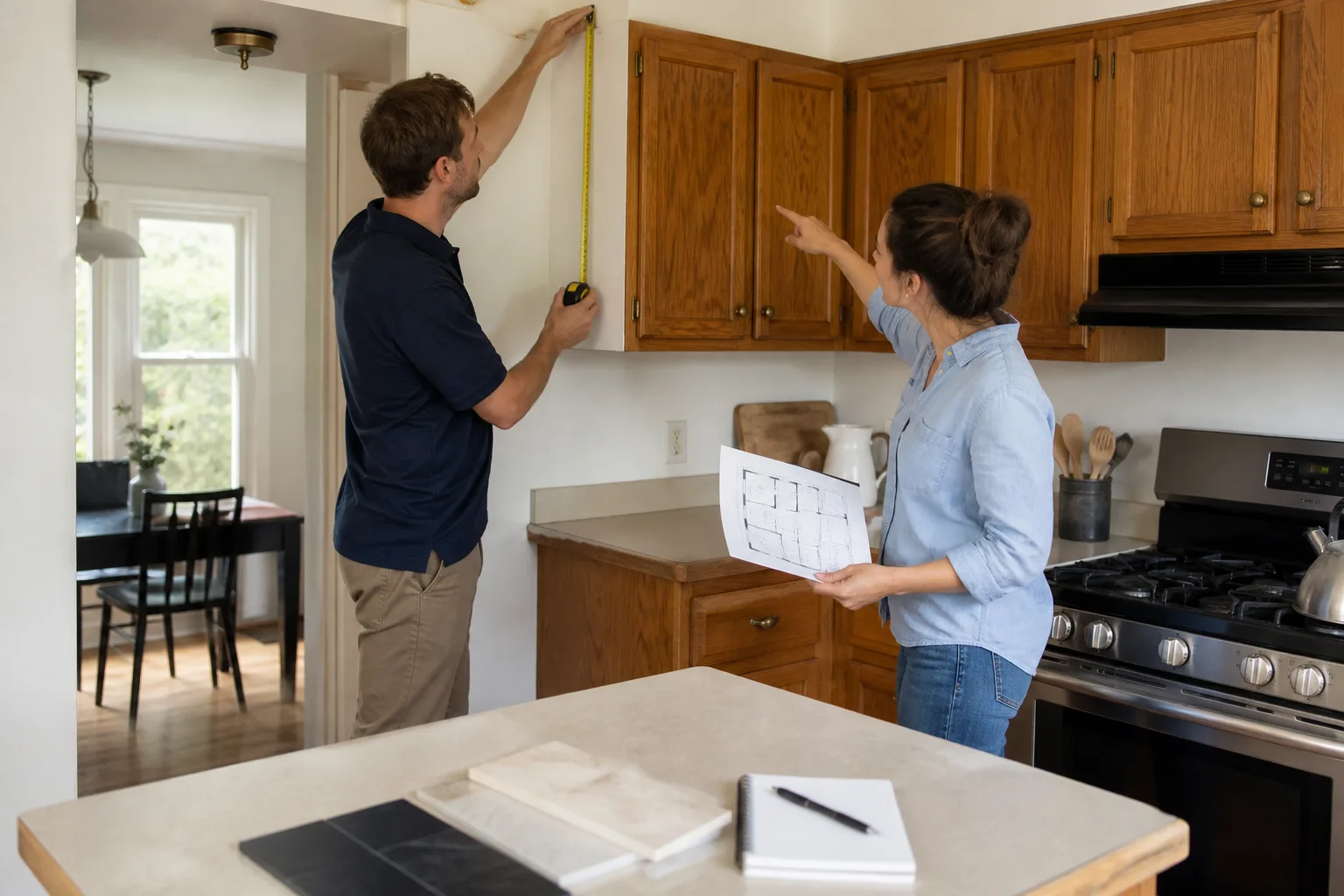
- Design and scope lock. Finalize drawings, material selections, and the written price before demolition starts. Every change after this point costs more than it would have a month earlier.
- Permits. Pull all structural, electrical, plumbing, and mechanical permits through Clark County before the first wall comes down.
- Demolition and structural work. Tear-out, beam and header changes, and any framing corrections.
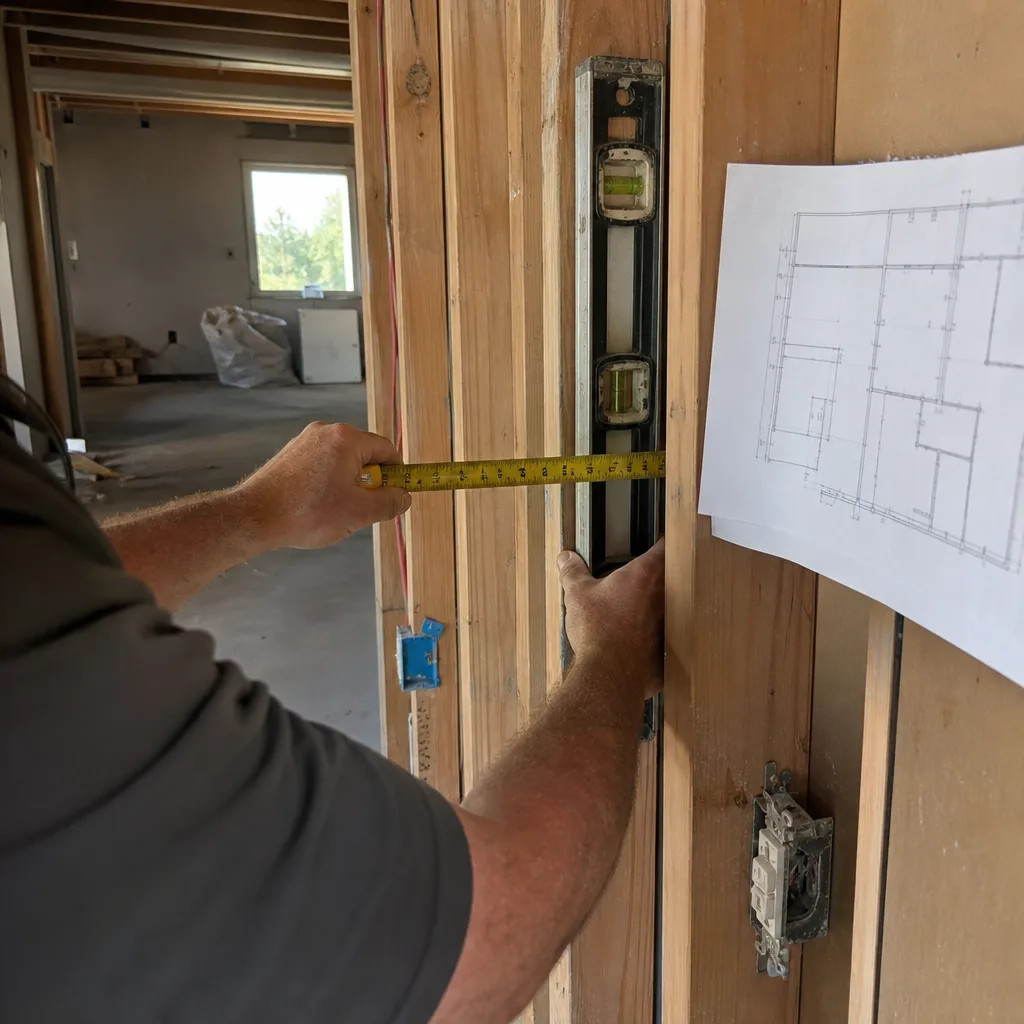
- Rough-in. Electrical, plumbing, and HVAC run through the open walls, then get inspected. Do not close walls before this passes.
- Insulation and drywall. Hang, tape, and finish once rough-in is signed off.
- Finishes. Flooring, tile, cabinetry, countertops, paint, and fixtures.
- Final inspection and punch list. Walk the job against the approved scope and get the sign-off in writing.
Deviating here, even to save money or time, almost always backfires. Approving cabinets before the rough-in inspection is how homeowners end up paying twice for the same wall. If you want the full picture of the trades involved, our General Contractor in Enterprise page covers how the moving parts fit together under one project.
Clark County Permits: What a Whole-Home Project Requires
Enterprise is unincorporated Clark County, so your permits run through the county, not a city building department. That’s a detail that trips up homeowners who assume Enterprise is its own jurisdiction. Whole-home projects almost always require permits for structural work, electrical, plumbing, and mechanical changes, plus separate sign-offs for things like gas line work and any additions.
On the licensing question, the line is clearer than most people realize:
- You need a licensed general contractor when the project involves structural changes, multiple trades working under one contract, additions, or any permitted work that spans electrical, plumbing, and mechanical at once. That’s the norm for a whole-home renovation.
- You can coordinate subs yourself only on narrow, single-trade jobs that don’t touch structure – and even then, each sub needs their own license and permit for their scope. On a full home, managing subs yourself means you become the general contractor, holding the liability and the inspection schedule.
A written price before work starts should already reflect the permit costs. If a proposal doesn’t list permits as a line item, ask why. Sawyer Remodel Enterprise pulls permits and schedules inspections as part of the project, so the paper trail matches the finished work. For the kitchen-specific permit questions, see Kitchen Remodeling in Enterprise.
How to Budget With a Realistic Contingency
The base estimate is not your budget. The base estimate is what the project costs if nothing is hiding behind the walls. Something is always hiding behind the walls. The right contingency depends on the age and condition of the home, and in Enterprise, the housing stock varies enough that a flat rule of thumb misses the mark.
Use this as a starting frame:
- 15 percent for a newer home in solid condition where the scope is mostly cosmetic.
- 20 percent for a mid-age home where some systems (electrical, plumbing, HVAC) may need updating once walls are open.
- 25 percent or more for an older home, a home that’s sat through several desert summers without maintenance, or any project that touches multiple systems.
That contingency isn’t wasted money. It’s the difference between finishing the project and stalling halfway with drywall open and the family living around it. Material choices move the budget too. A kitchen with KraftMaid or Wellborn cabinetry and a Cambria or Silestone countertop has a different number than a builder-grade finish, and you should see both before you commit. Every Sawyer Remodel Enterprise project comes with a written price before any work starts, so the contingency sits on top of a known number, not a guess.
Living in the House During a Whole-Home Renovation
You can live through some of a whole-home renovation. You can’t live through all of it. The practical question is which phases force you out and which you can ride out with a plan. In Enterprise, the summer heat raises the stakes, because a home with open walls and no working AC isn’t a livable space, and monsoon humidity makes temporary sealing unreliable.
Phases that let you stay:
- Design and permitting, before the work begins.
- Single-room finishes, as long as at least one full bathroom and a functioning kitchen remain accessible.
- Exterior work, since it doesn’t shut down the interior.
Phases that usually require moving out:
- Rough-in, when electrical, plumbing, and HVAC are open and the water and power are frequently off.
- Demolition and structural work.
- Any stretch without a working bathroom or kitchen.
Most homeowners plan one or two nights out per week during rough-in, or a short-term rental for the roughest two to four weeks. Whatever you plan, the schedule should be in writing before work starts. Live arrival time tracking and photo updates help, but they don’t replace a clear plan for where the family sleeps during the loud weeks.
How to Evaluate a Remodeling Company for a Large Project
A company that handles one trade and a company that can run the full sequence are different businesses. A tile installer who does beautiful work may not be set up to schedule electrical, plumbing, and HVAC inspectors in the right order across a five-month project. That gap is where large renovations fall apart.
Ask these questions before signing anything:
- Can you show the sequence in writing? A serious company puts the phase order and inspection dates on paper.
- Who handles permits and inspections? If the answer is “you do,” that’s a flag on a whole-home project.
- What does the guarantee actually cover, and for how long? The 365-Day Done Right Promise is the standard: if it’s not done right, we make it right, in writing, for a full year after the project closes.
- Who is coming into my home? Background-checked, uniformed technicians who are announced before they arrive.
- Is the price written before work starts? A low verbal quote that changes at the invoice is the trap this whole guide is trying to help you avoid.
Sawyer Remodel Enterprise runs every project under The Relay Visibility Guarantee: a written price before a tool is picked up, a live arrival time, and photo updates before and after. Calls are answered by a live person, 24/7, so you’re never stuck in a voicemail loop mid-project. You can see how that plays out across projects on the Sawyer Remodel Enterprise home page.
What’s Different About Renovating in Enterprise
Enterprise has a housing mix that changes the renovation math block by block. Newer construction near the southern and eastern edges often needs mostly cosmetic updates: finishes, cabinetry, and surfaces, with systems already in good shape. Older pockets closer to the established core can carry the kind of worn plumbing and aging panels that only surface once walls are open, which is exactly why the contingency percentage matters more there.
The desert climate adds its own considerations. UV exposure fades exterior finishes and stresses roofing faster than in milder regions, so a whole-home scope that touches the roof or siding should account for sun-and-heat wear rather than assuming a standard replacement cycle. Monsoon season, roughly June through September, puts pressure on any phase that leaves the building envelope open, which is one more reason to sequence exterior sealing before the wet stretch. Name-brand exteriors like GAF roofing and James Hardie siding are chosen partly because their manufacturer backing holds up under those conditions. If you want to see how a full scope gets scoped on a single room first, our Bathroom Remodeling in Enterprise page walks through a smaller project’s sequence.
Common Mistakes to Avoid
- Approving finishes before rough-in inspection. This is the paid-twice mistake. Cabinets and tile ordered too early sit in the garage while the walls come back down for a failed inspection.
- Budgeting with no contingency. A base estimate with zero cushion assumes nothing is hiding behind the walls, which on an older Enterprise home is optimistic. Set the contingency by home age, not by hope.
- Coordinating subs yourself on a whole-home job. You end up holding the inspection schedule and the liability. That’s a general contractor’s job, and doing it yourself rarely saves what it costs.
- Assuming Enterprise runs its own building department. Permits go through Clark County, and a proposal that doesn’t account for that timeline will run long.
- Ignoring the monsoon window. Any phase that opens the roof or exterior walls should be scheduled around the wet months, not through them.
- Taking a verbal price. A written price before work starts is the baseline on every project. If it isn’t in writing, it isn’t a price.
- Choosing the cheapest single-trade bid for a full renovation. A low bid from someone set up for one trade usually means the coordination gap shows up later, at your expense.
When to Call a Professional
Call a professional when the project touches structure, spans multiple trades, or requires permits that have to be inspected in sequence. That covers whole-home renovations, additions, anything that opens walls for electrical or plumbing, and any job where a failed inspection would force finished work to be redone. On a project this size, the cost of managing it yourself almost always exceeds the cost of hiring it done right. Sawyer Remodel Enterprise offers free estimates in Enterprise and puts the price in writing before work starts. Call (844) 797-5994 to schedule yours.
Frequently Asked Questions
A whole-home renovation in Enterprise typically runs into the tens of thousands to well over a hundred thousand dollars, depending on square footage, how many systems need replacing, and the finish level you choose. The base estimate is the starting point, not the final number – add a 15 to 20 percent contingency based on home age. Call (844) 797-5994 for a free estimate with a written price.
Yes, in almost every case. A whole-home project spans structural, electrical, plumbing, and mechanical work that requires coordinated permits and inspections through Clark County, and that’s the general contractor’s role. Coordinating subs yourself only works on narrow single-trade jobs. Call (844) 797-5994 to talk through your scope.
It shouldn’t. A written price before work starts means the number on the invoice is the number you approved. Changes that come from hidden conditions behind walls should be documented and approved by you before any extra work happens. Sawyer Remodel Enterprise works this way on every job. Call (844) 797-5994 to get your written price.
Expect months, not weeks. Design and permitting alone can take several weeks through Clark County, and the build phase depends on scope, home size, and whether systems need replacing. A written schedule with phase dates is part of a serious proposal. Call (844) 797-5994 to get a timeline built around your scope.
For parts of it, usually yes. You can often stay during design, permitting, and single-room finishes, but rough-in and any stretch without a working kitchen or bathroom usually means moving out. Plan the rough weeks in advance, not mid-project. Call (844) 797-5994 to plan around your family’s schedule.
The 365-Day Done Right Promise covers it: if it’s not done right, we make it right, in writing, for a full year after the project closes. That guarantee is included on every job, not something you have to ask for. Call (844) 797-5994 to hear exactly what it covers.
The Bottom Line

Whole-home renovation success in Enterprise comes down to one thing: the order. Get the sequence right – design and permits, demolition, rough-in and inspection, drywall, finishes, final sign-off – and everything downstream cooperates. Skip a step to save time or money and you’ll pay for it twice. Budget with a real contingency based on the home’s age, plan where the family stays during the rough weeks, and hire a company set up to manage the full sequence, not just one trade. Add the 365-Day Done Right Promise and a written price before work starts, and the project stays on track from day one.
Ready to start? Call Sawyer Remodel Enterprise at (844) 797-5994 for a free estimate. We’ll put the price in writing before a single tool is picked up, and The Relay Visibility Guarantee means you know who is coming, when they arrive, and what it costs – all confirmed before work begins.
Written by the team at Sawyer Remodel Enterprise.
See the difference
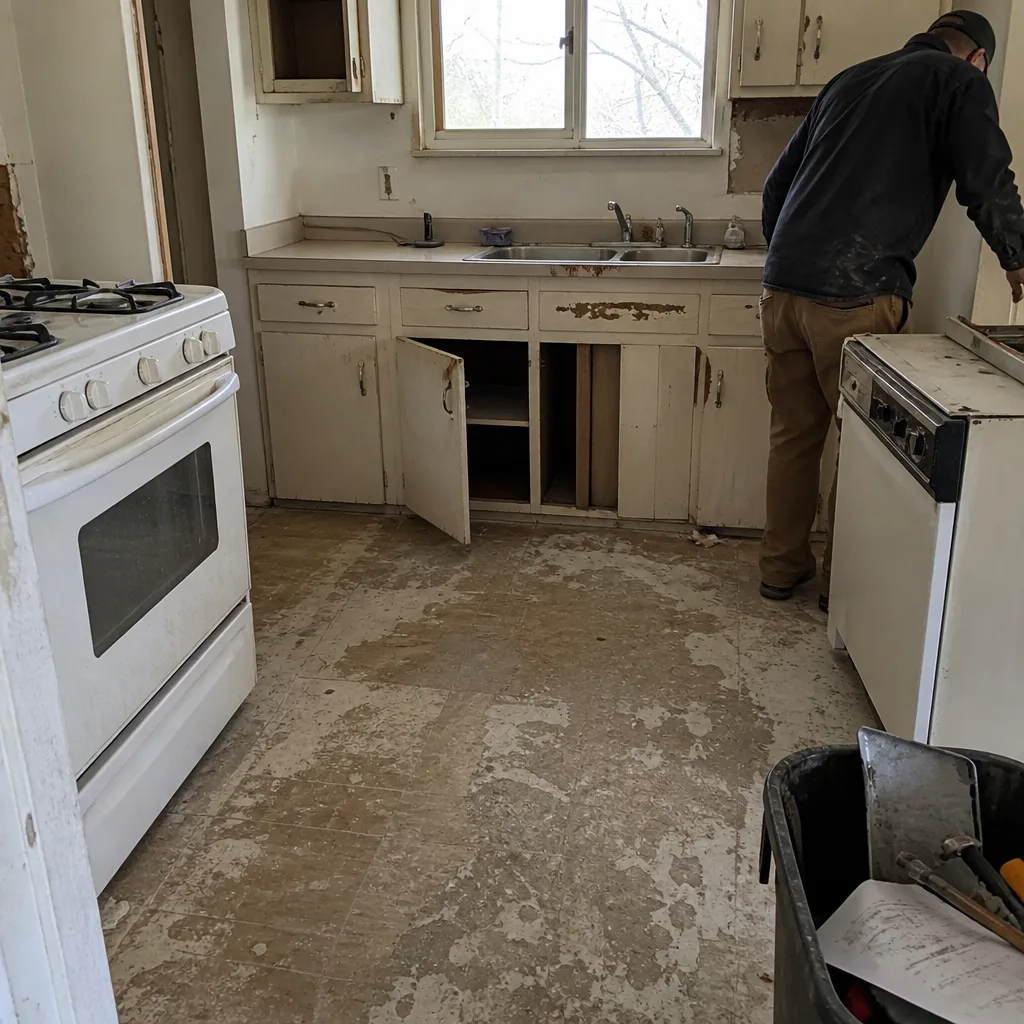 Before
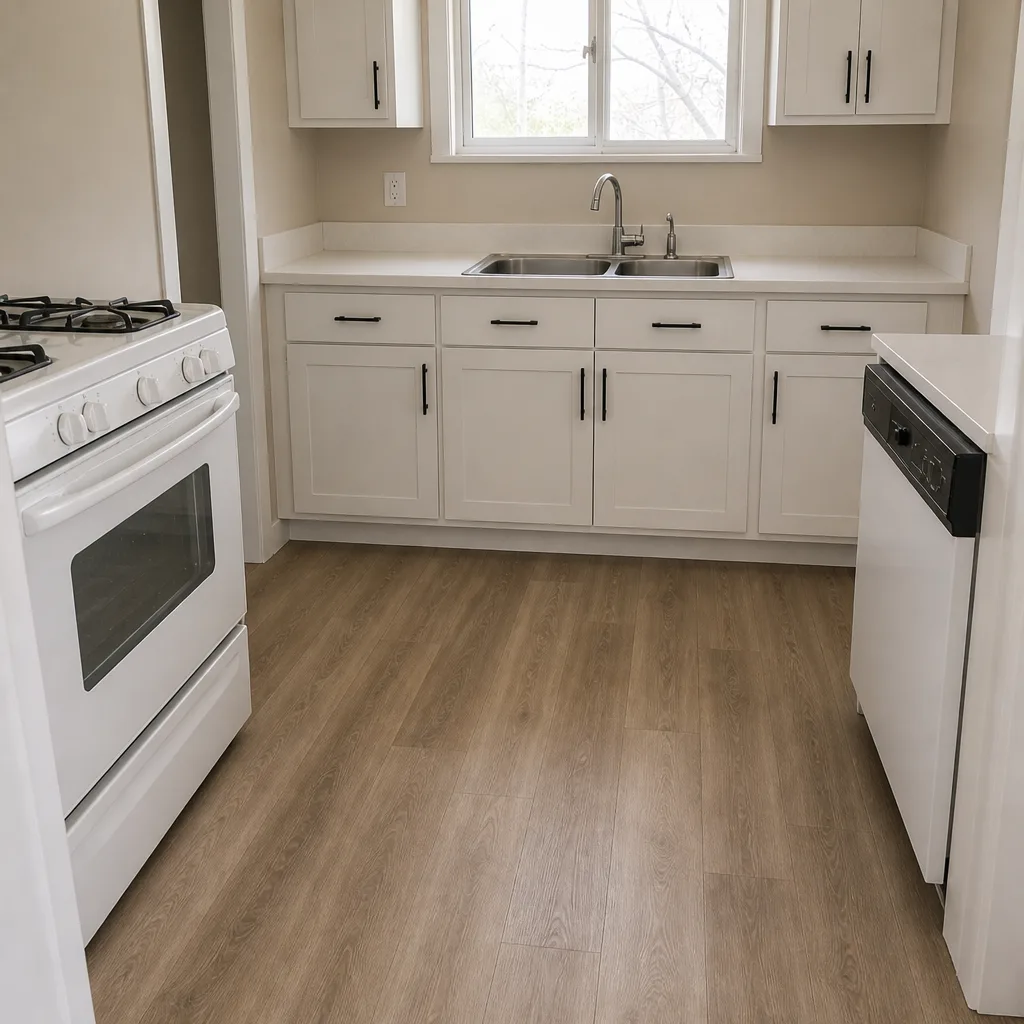 After
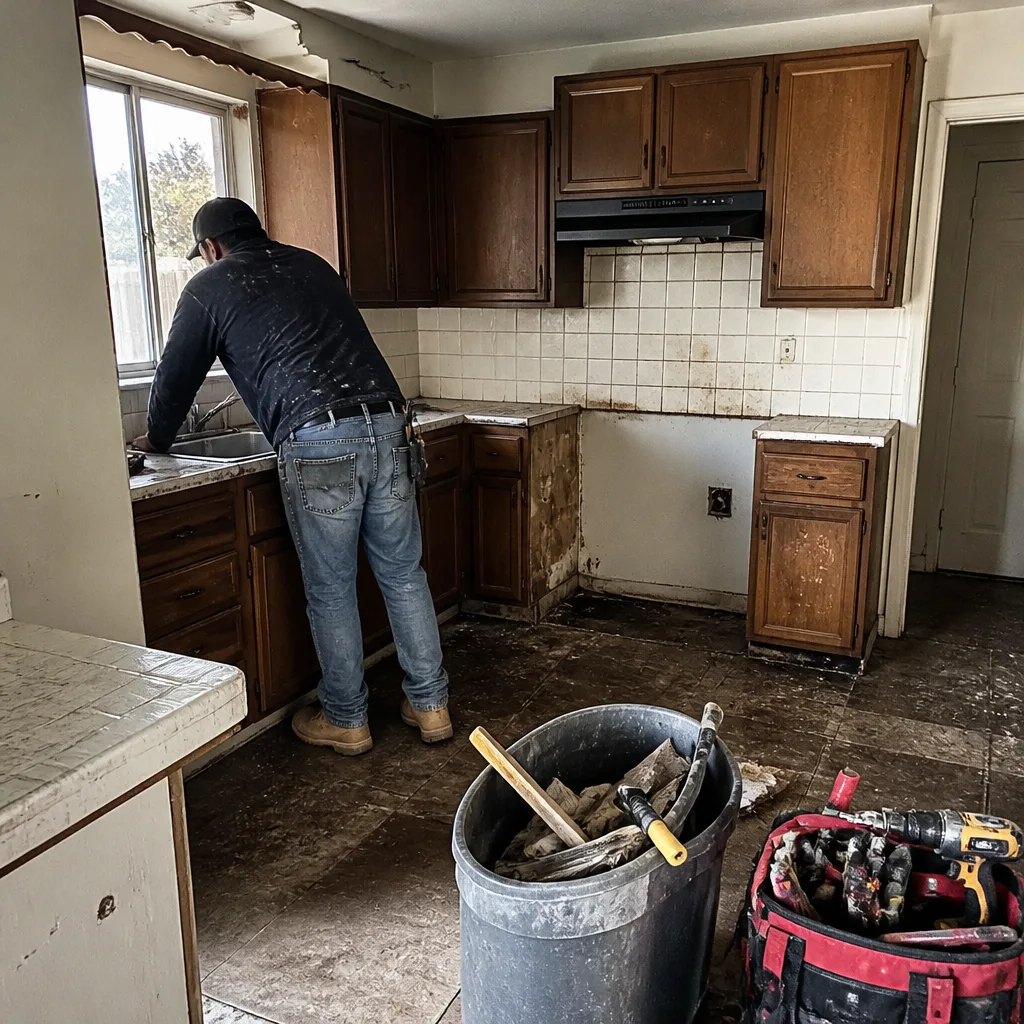 Before
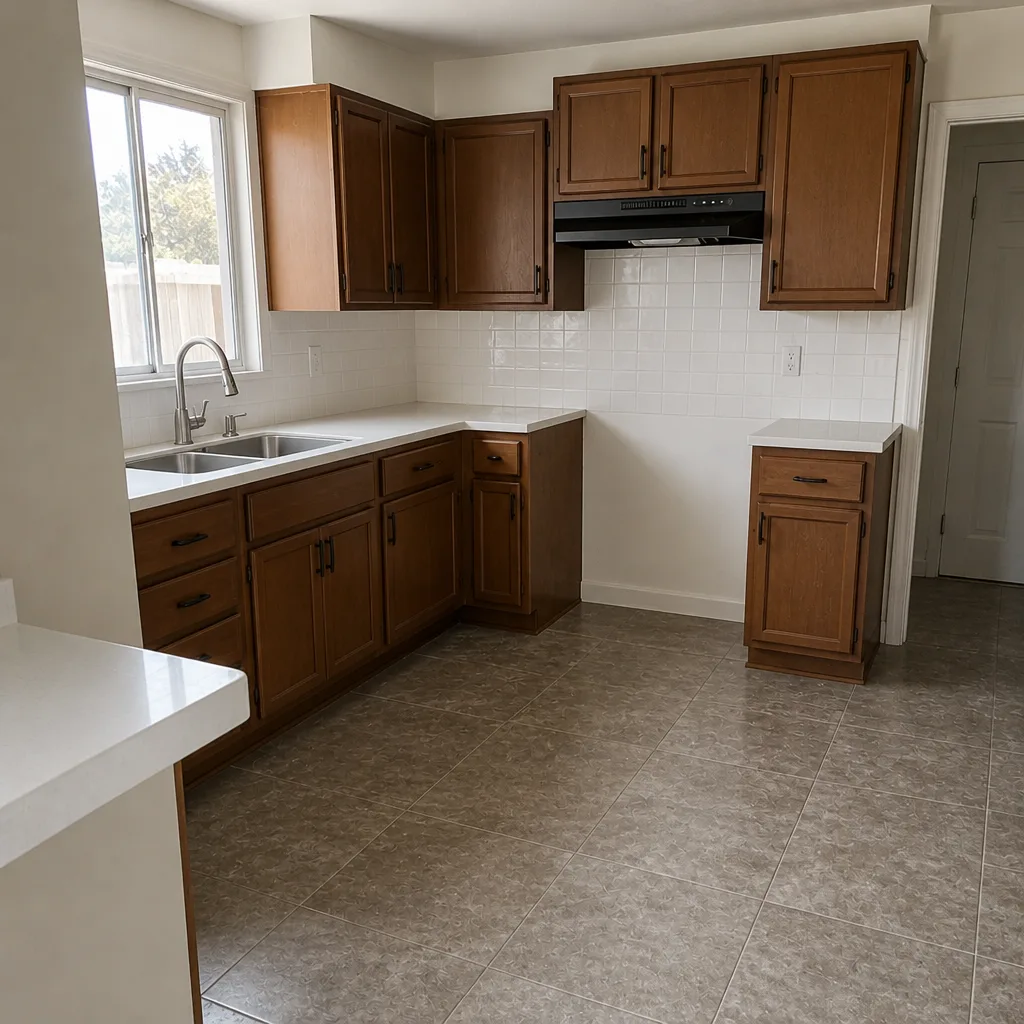 After
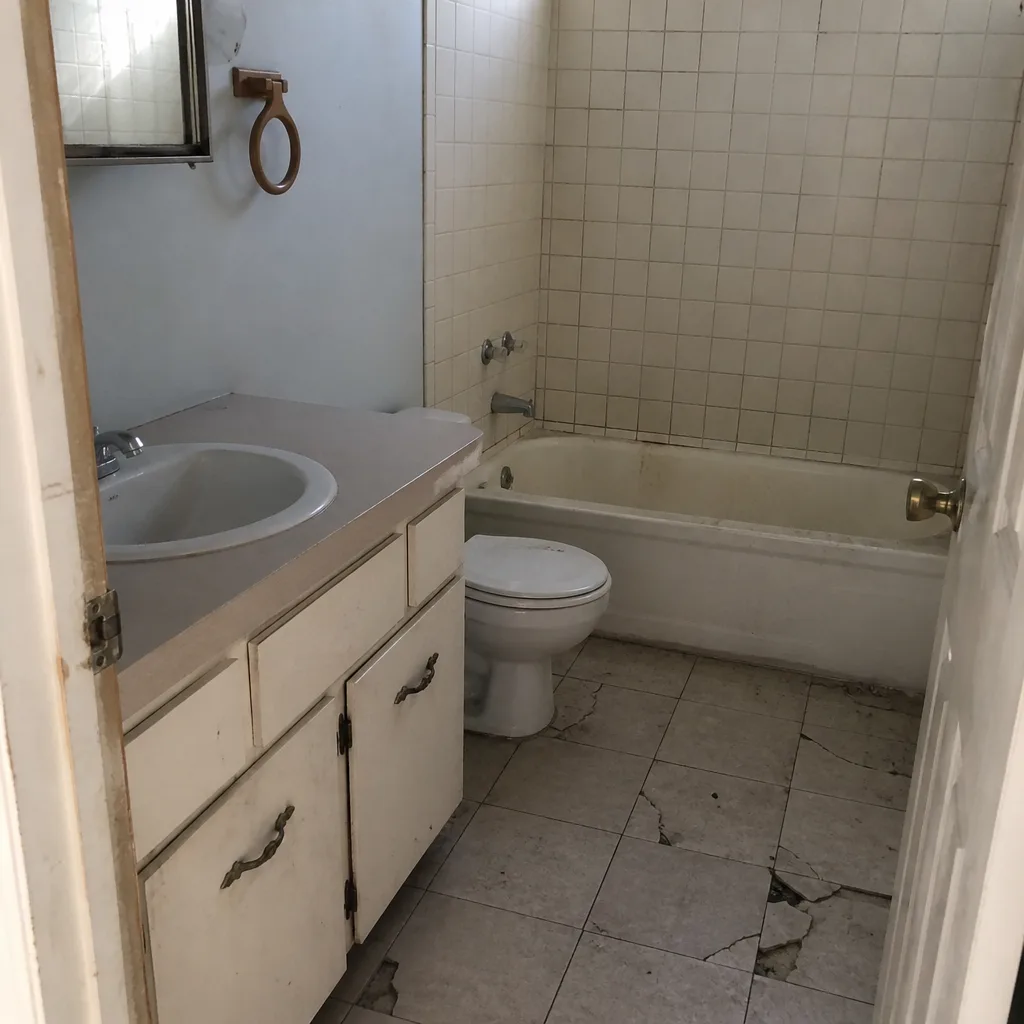 Before
 After